


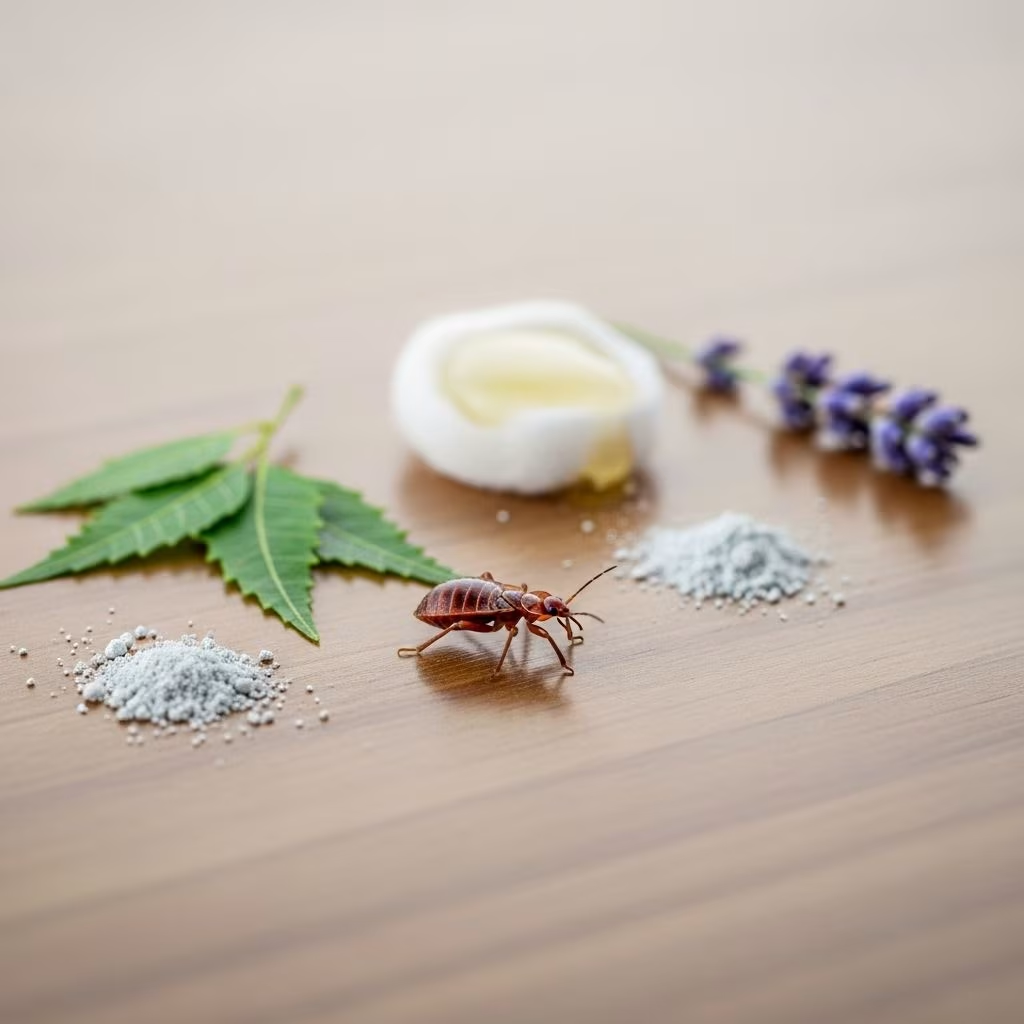
Bed bugs are among the most persistent and frustrating pests that can invade your home. These tiny bloodsuckers not only cause uncomfortable bites but also create significant stress and anxiety for homeowners. While chemical treatments are commonly used, many people prefer natural remedies that are safer for their families, pets, and the environment. This comprehensive guide explores effective natural methods to combat bed bug infestations without relying on harsh chemicals.
Understanding Bed Bugs and Their Behavior
Before diving into natural remedies, it’s essential to understand what you’re dealing with. Bed bugs are small, reddish-brown insects about the size of an apple seed that feed exclusively on blood. They’re nocturnal creatures that hide in cracks, crevices, mattress seams, and furniture during the day, emerging at night to feed on sleeping humans.
These pests are incredibly resilient and can survive for months without feeding. They reproduce rapidly, with females laying hundreds of eggs during their lifetime. Early detection and immediate action are crucial for successful elimination. Signs of bed bug presence include small blood stains on sheets, dark fecal spots on mattresses, shed skins, and of course, the characteristic bite marks on your skin.
The Power of Heat Treatment
One of the most effective natural methods for killing bed bugs is heat treatment. Bed bugs cannot survive temperatures above 115°F (46°C), making heat an excellent weapon in your pest control arsenal. This method is completely chemical-free and highly effective when applied correctly.
Washing and Drying: Start by gathering all bedding, clothing, curtains, and any washable fabric items from the infested area. Wash these items in hot water at the highest temperature setting for at least 30 minutes. After washing, transfer them immediately to the dryer and run on the highest heat setting for another 30 minutes. This combination effectively kills bed bugs at all life stages, including eggs.
Steam Treatment: A quality steam cleaner can be your best friend when fighting bed bugs. Use a steamer on mattresses, box springs, bed frames, couches, and other furniture where bed bugs might hide. The steam should reach temperatures of at least 160°F to 180°F. Move the steamer slowly over surfaces, paying special attention to seams, tufts, folds, and crevices where bed bugs typically congregate. Steam penetrates fabric surfaces and can reach bugs hiding in small cracks.
Sun Exposure: For items that cannot be washed or steamed, the sun’s natural heat can be utilized. Pack infested items in black plastic bags and place them outside on a hot, sunny day when temperatures reach at least 120°F (49°C). Leave them sealed for a minimum of 90 minutes, though several hours is better. The black bags absorb heat, creating an inhospitable environment for bed bugs. In cooler climates, this method may take significantly longer or may not be feasible.
Cold Treatment Methods
Just as bed bugs cannot survive extreme heat, they also succumb to freezing temperatures. Cold treatment offers another chemical-free option for eliminating these pests, though it requires patience and proper execution.
For freezing to be effective, items must be exposed to temperatures of 0°F (-19°C) or lower for at least four consecutive days. Use a reliable thermometer to verify your freezer maintains this temperature. Place infested items in sealed plastic bags before freezing to contain the bugs and make disposal easier. This method works well for books, electronics, shoes, and other items that cannot be washed or heated.
It’s important to note that simply placing items outdoors during winter may not be sufficient, as temperatures need to be consistently below freezing for the entire duration, and items need to reach the core temperature required to kill all life stages.
Essential Oils as Natural Repellents
Essential oils have gained popularity as natural bed bug deterrents due to their strong scents and insecticidal properties. While they may not eliminate an entire infestation on their own, they serve as excellent complementary treatments and preventive measures.
Lavender Essential Oil: Known for its calming properties in humans, lavender has the opposite effect on bed bugs. Its floral scent is highly unpleasant to these pests and acts as a natural repellent. Additionally, lavender oil can help soothe the itching and irritation caused by bed bug bites. Create a repellent spray by mixing 40 drops of lavender essential oil with 500 ml of warm water in an opaque glass spray bottle. For enhanced effectiveness, add 10 drops of tea tree oil. Shake well before each use and spray generously on mattresses, sheets, bed frames, curtains, and any infested textiles. Apply this mixture morning and evening for 7 to 10 days, then continue every 2 to 3 days for maintenance.
Tea Tree Essential Oil: This powerful oil is renowned for its antiseptic, fungicidal, and insect-repellent properties. The terpene alcohols in tea tree oil can penetrate bed bugs’ exoskeletons, disrupting their bodies and eliminating them. Prepare a spray solution using 50 ml of warm water and 20 drops of tea tree essential oil in an opaque spray bottle. Apply to all areas where bed bugs may hide, including mattress seams, box springs, and furniture crevices.
Clove Essential Oil: Thanks to its high eugenol content, clove oil possesses powerful pest-repelling properties. Its strong, distinctive scent creates a natural barrier that bed bugs find intolerable. Mix 30 drops of clove essential oil with 10 drops of lemon eucalyptus essential oil in 500 ml of warm water. Use a sturdy glass or plastic spray bottle and shake thoroughly before application. Spray on high-risk areas including mattresses, sheets, baseboards, bed bases, furniture corners, and fabric seams. Apply twice daily for one week as part of your treatment protocol.
Lemongrass Essential Oil: While primarily known for repelling mosquitoes, lemongrass is equally effective against bed bugs. Its citrus scent disrupts bed bugs’ ability to locate hosts. Spray lemongrass oil in corners, closets, and directly on bed linens. When combined with tea tree or clove oil, its repellent effects are significantly enhanced.
Lemon Eucalyptus Essential Oil: This refreshing oil combines anti-inflammatory properties (beneficial for treating bites) with strong repellent capabilities. Create a spray using 30 drops of lemongrass essential oil and 15 drops of tea tree oil in 500 ml of distilled water. Apply once daily for 7 to 10 days during active infestations, then twice weekly for maintenance. Focus on mattress seams, bed bases, baseboards, the underside of beds, curtains, and carpets.
DIY Bed Bug Interceptor Traps
Interceptor traps are an ingenious, chemical-free method to catch bed bugs and prevent them from reaching you while you sleep. These devices are placed under furniture legs to trap bed bugs attempting to climb up or down. You can purchase commercial interceptors or create effective homemade versions.
Materials Needed: Gather two clean plastic containers with sturdy sides at least 1 inch tall, where the smaller container fits inside the larger one. Cleaned deli or takeout food containers work perfectly. You’ll also need masking or painter’s tape with a rough texture and talcum powder.
Construction Steps: Ensure the small container is large enough to accommodate a bed or couch leg inside it. Wrap masking tape around the outside of the larger container to create a textured surface that bed bugs can easily climb. Glue or tape the two containers together with the small one sitting concentrically inside the larger one. Sprinkle a small amount of talcum powder into the bottom of both containers. The talcum powder is crucial as its slippery surface prevents bed bugs from escaping once they fall into the traps.
Placement and Maintenance: Create enough interceptor traps for each leg of infested furniture such as beds, couches, or chairs. If necessary, move furniture a few inches away from walls and ensure no linens touch the floor, forcing bed bugs to use the furniture legs as their only access point. Check and clean the interceptors weekly, reapplying talcum powder as needed. Dispose of captured bed bugs by placing them in a plastic zip-type or sealable bag and discarding them properly.
Protective Encasements
Bed bug-proof mattress and box spring encasements are essential components of natural bed bug control. These specialized covers completely encase your mattress and box spring with zippered closures, creating an impenetrable barrier. Any bed bugs trapped inside will eventually die of starvation, while new bugs cannot penetrate to establish residence or feed.
When selecting encasements, look for products specifically designed for bed bug protection. They should be made from tightly woven fabric that bed bugs cannot penetrate, with zippers that close securely and have small enough teeth to prevent even the tiniest nymphs from escaping or entering. Quality encasements are typically made from breathable materials that don’t trap heat or moisture, ensuring your comfort while providing protection.
After installing encasements, keep them on for at least one full year to ensure all trapped bed bugs have died. During this time, inspect the encasements regularly for any tears or damage that could compromise their effectiveness.
Diatomaceous Earth: A Natural Desiccant
Diatomaceous earth (DE) is a fine powder made from fossilized remains of tiny aquatic organisms called diatoms. This natural substance works by absorbing the waxy outer coating of bed bugs’ exoskeletons, causing them to dehydrate and die. It’s one of the few natural treatments that bed bugs cannot develop resistance to.
Use only food-grade diatomaceous earth, as other forms can be harmful to humans and pets. Apply a thin, barely visible layer to areas where bed bugs travel, such as along baseboards, in cracks and crevices, around bed legs, and under furniture. Avoid creating thick piles, as bed bugs will simply walk around them. The powder needs to remain dry to be effective, so it’s not suitable for damp areas.
While diatomaceous earth is natural, it can irritate respiratory systems if inhaled in large quantities. Wear a dust mask when applying it, and keep children and pets away during application. The powder works slowly, taking several weeks to months to eliminate an infestation, but its inability to create resistance makes it valuable for long-term control.
Thorough Cleaning and Decluttering
A comprehensive cleaning regimen is fundamental to natural bed bug control. Clutter provides numerous hiding places for bed bugs, making elimination more difficult. Begin by decluttering infested rooms, removing unnecessary items and carefully inspecting everything before deciding whether to keep, treat, or discard it.
Vacuum thoroughly and frequently, paying special attention to mattress seams, box springs, bed frames, baseboards, furniture, and any cracks or crevices. Use the crevice attachment to reach tight spaces where bed bugs hide. Immediately after vacuuming, seal the vacuum bag in a plastic bag and dispose of it outside your home, or empty bagless vacuums directly into a sealed plastic bag and discard it.
Regularly inspect and clean behind picture frames, electrical outlets, loose wallpaper, and any other potential hiding spots. Seal cracks and crevices in walls, baseboards, and furniture with caulk to eliminate hiding places and make future treatments more effective.
Combining Methods for Maximum Effectiveness
Successfully eliminating bed bugs naturally requires a multi-faceted approach. No single method works perfectly in isolation, but combining several techniques creates a comprehensive strategy that attacks bed bugs from multiple angles. Start with heat treatment for immediate kill of visible bugs, then implement interceptor traps to monitor and catch stragglers. Apply essential oil sprays as repellents and supplementary treatment. Use diatomaceous earth in strategic locations for long-term control. Encase mattresses and box springs to protect your sleeping area. Maintain rigorous cleaning and monitoring protocols.
This integrated approach addresses bed bugs at all life stages and in all their hiding places, significantly increasing your chances of complete elimination without resorting to harsh chemicals.
Prevention Strategies
After successfully eliminating bed bugs, prevention becomes paramount to avoid re-infestation. When traveling, inspect hotel rooms carefully before bringing in luggage. Keep suitcases on luggage racks rather than beds or floors, and inspect them thoroughly before bringing them back inside your home. Wash all clothing in hot water immediately upon returning from trips.
Be cautious when acquiring second-hand furniture, thoroughly inspecting any used items before bringing them into your home. Continue using mattress encasements indefinitely as a protective measure. Perform regular inspections of your sleeping areas, looking for early signs of bed bugs. Maintain the use of interceptor traps under bed legs for ongoing monitoring. Periodically apply essential oil sprays as preventive measures, especially if you live in multi-unit housing where bed bugs can spread between units.
When to Consider Professional Help
While natural methods can be highly effective, severe infestations may require professional intervention. If you’ve diligently applied natural remedies for several weeks without seeing significant improvement, if the infestation covers multiple rooms or entire floors, or if you live in a multi-unit building where bed bugs can easily migrate between units, it may be time to consult pest control professionals.
Many professional pest control companies now offer natural or low-toxicity treatment options, including heat treatments that raise room temperatures to lethal levels, or targeted applications of plant-based products. These professionals have specialized equipment and expertise that can achieve results difficult to replicate with DIY methods.
Frequently Asked Questions
Q: How long does it take to eliminate bed bugs using natural methods?
A: The timeline varies depending on infestation severity and methods used. Heat treatment can kill bed bugs immediately on contact, while methods like diatomaceous earth may take several weeks to months. Most natural treatment protocols require 4-6 weeks of consistent application for complete elimination, with ongoing monitoring for several months afterward.
Q: Are essential oils safe to use around children and pets?
A: While essential oils are natural, they should be used with caution around children and pets. Always check contraindications on product labels, use properly diluted solutions, avoid direct skin contact, and ensure adequate ventilation when applying sprays. Keep concentrated oils out of reach of children and pets, and consult with a pediatrician or veterinarian if you have specific concerns.
Q: Can bed bugs develop resistance to natural remedies?
A: Unlike chemical pesticides, bed bugs cannot develop resistance to physical methods like heat, cold, or desiccants like diatomaceous earth. However, they may avoid areas treated with strong-smelling essential oils over time. This is why combining multiple methods creates the most effective approach.
Q: How can I tell if the bed bugs are completely gone?
A: Continue monitoring for at least 6-8 weeks after your last bed bug sighting. Use interceptor traps to catch any remaining bugs, perform regular visual inspections of sleeping areas, and watch for new bite marks. If you see no signs of bed bugs during this period, you can be reasonably confident the infestation has been eliminated.
Q: What should I do with infested furniture and belongings?
A: Most infested items can be saved with proper treatment. Wash and dry fabrics on high heat, treat furniture with steam and essential oils, use freezing or heat treatment for items that can’t be washed, and apply diatomaceous earth to cracks and crevices. Only discard items that are severely infested, impossible to treat, or damaged beyond repair. If discarding furniture, clearly mark it as bed bug infested to prevent others from taking it.
Final Thoughts
Dealing with bed bugs naturally requires patience, persistence, and a comprehensive approach. While these methods take more time and effort than simply calling an exterminator, they offer significant benefits including safety for family members and pets, environmental friendliness, cost-effectiveness, and the satisfaction of solving the problem yourself. The key to success lies in early detection, immediate action, consistent application of multiple methods, thorough monitoring, and preventive measures to avoid re-infestation.
Remember that bed bug elimination is a process, not a single event. Stay vigilant, remain patient, and don’t become discouraged if results aren’t immediate. With dedication and the right combination of natural remedies, you can successfully reclaim your home from these persistent pests and enjoy peaceful, bite-free nights once again.
References
- https://www.epa.gov/bedbugs/do-it-yourself-bed-bug-control
- https://www.sereni-d.com/en/our-advice/essential-oils-bed-bugs/
- https://www.nectarsleep.com/posts/how-to-get-rid-of-bed-bugs-naturally
- https://www.healthline.com/health/healthy-home-guide/how-to-get-rid-of-bed-bugs
- https://njaes.rutgers.edu/fs1251/


