


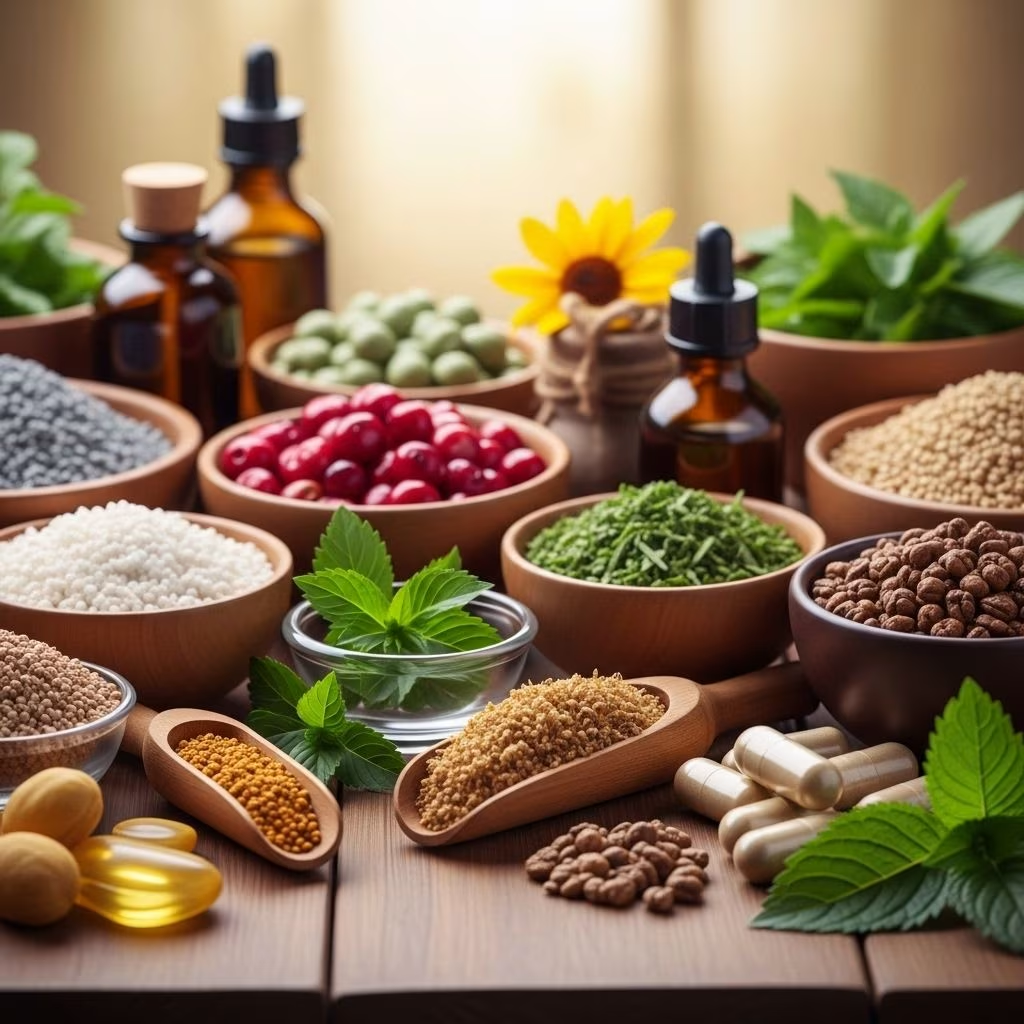
Nature’s Pharmacy: The Top 200 Natural Remedies
In a fast-paced world overflowing with modern medications and technology, the healing power of nature offers both time-proven wisdom and accessible, effective self-care. Nature’s Pharmacy: The Top 200 Natural Remedies is your ultimate guide to harnessing herbal medicines, healing foods, and traditional recipes to build holistic wellbeing—all from ingredients readily found in your kitchen or local markets.
Why Natural Remedies?
Natural remedies have been used for centuries across diverse cultures to treat the body, soothe the mind, and reconnect us with nature’s bounty. In today’s overwhelmed, high-speed society, turning to natural solutions can offer:
- Safe alternatives for everyday ailments
- Affordable options that make use of common foods and plants
- Self-empowerment through knowledge of natural wellness
- Reduced dependency on synthetic chemicals where gentle approaches are appropriate
This comprehensive resource accompanies you through everything from minor health annoyances to supporting general wellness, using age-old traditions backed by modern insight.
How to Use This Guide
Nature’s Pharmacy is structured to make it simple and intuitive for you to find the right remedy. The key features include:
- A straightforward ailment directory: Look up common health conditions and learn which natural remedies are most effective.
- Profiles of 200 healing ingredients: Discover how everyday items like raspberries, avocado, flaxseed, and salmon deliver powerful benefits.
- Preparation tips: Get advice on incorporating remedies safely and deliciously into your daily routine.
- Expert commentary: Benefit from tried-and-tested advice, including cautions for when medical attention is necessary.
Turning Your Kitchen Into a Natural Pharmacy
Many effective natural remedies are found right in your kitchen or garden. Nature’s Pharmacy empowers you to:
- Transform common foods into healing allies.
- Embrace herbs and spices traditionally used for centuries.
- Blend modern nutrition with ancient wisdom for optimum self-care.
By learning which foods and plants target specific concerns—like ginger for nausea or chamomile for sleep—you build a toolkit for resilient, vibrant living.
Understanding the Directory of Ailments
At the heart of this book is a neatly organized directory of common health issues. Each entry highlights:
- The ailment or symptom
- Recommended natural remedies (ingredients, preparations, suggested combinations)
- Brief advice on safe use and cautions
Some of the most frequently addressed conditions include:
- Headaches and migraines
- Digestive discomfort (bloating, constipation, heartburn)
- Common colds, flu, and allergies
- Stress, mild anxiety, and low mood
- High cholesterol and heart health
- Minor wounds, burns, and skin irritations
Featured Ailments and Their Remedies
Below is a sample overview from the ailment directory, showing how simple foods and herbs can provide everyday support:
| Ailment | Top Natural Remedies | Preparation Tips |
|---|---|---|
| Headaches | Feverfew, peppermint oil, magnesium-rich foods (spinach, nuts) | Herbal teas, essential oils for temples, magnesium in smoothies |
| Digestive Issues | Ginger, peppermint, live yogurt, fennel | Drink ginger tea, chew fennel seeds, eat probiotic yogurt daily |
| Colds & Sore Throat | Honey, lemon, garlic, echinacea | Honey-lemon drink, garlic in soups, echinacea tea |
| Allergies | Local honey, quercetin-rich foods (onions, apples), nettle | Local honey on toast, nettle tea, fresh apples & onions |
| Low Mood & Mild Anxiety | Omega-3 rich foods (salmon, flaxseed), chamomile, B-vitamin sources | Include oily fish, herbal infusions, leafy greens in diet |
200 Natural Remedies: Healing Foods & Herbal Medicines
The heart of Nature’s Pharmacy is its expertly selected guide to 200 natural cures, drawn from across the world and verified by both tradition and modern research. Representative categories include:
- Fruits & Vegetables: Berries, citrus, leafy greens, sweet potatoes, tomatoes
- Herbs: Basil, thyme, oregano, parsley, rosemary, coriander, sage
- Spices: Turmeric, cinnamon, black pepper, cardamom, cloves, cumin
- Seeds & Nuts: Flaxseed, chia, walnuts, almonds, sunflower seeds
- Superfoods: Avocado, spirulina, matcha, cacao nibs, goji berries
- Oils: Olive oil, coconut oil, hempseed oil, evening primrose oil
- Animal Products: Yogurt, salmon, eggs, honey, kefir
Each remedy is accompanied by:
- Health benefits (e.g., anti-inflammatory, antioxidant, immune-boosting)
- Suggested dosages and formulations
- Possible side effects or contraindications
Sample Ingredient Profiles
- Garlic: Anti-microbial, supports the immune system, may help lower cholesterol. Eat raw in salad dressings or cooked in meals. Avoid excessive raw garlic if you have sensitive digestion.
- Flaxseed: Rich in fiber and omega-3s. Stir into porridge or smoothies for digestive health and a mild mood boost.
- Turmeric: Strong anti-inflammatory properties; add to curries, soups, or warm drinks. Black pepper aids absorption.
- Avocado: Loaded with heart-healthy fats and B vitamins, great for skin and mood. Add to salads and sandwiches.
- Elderberry: Traditional immune tonic, especially during flu season. Enjoy as a syrup or in herbal teas.
Bringing Ancient Wisdom Into Everyday Life
The strength of natural remedies lies in their combination of easily sourced ingredients and scholarly respect for centuries-old traditions. Highlights from Nature’s Pharmacy:
- Many remedies are backed by both scientific studies and folk wisdom
- Ingredients are often affordable and versatile
- Solutions can be seamlessly integrated into busy, modern routines
This book honors the generations who handed down their herbal wisdom and guides you in weaving this knowledge into your own daily care practices.
Top 10 Tips for Using Natural Remedies Safely
- Consult a healthcare professional for ongoing, serious, or unexplained symptoms.
- Always check for potential allergies and interactions with medication.
- Start with small doses to test your tolerance.
- Source ingredients from reputable suppliers when possible.
- Use remedies as a complement, not a replacement, for professional medical advice.
- Observe traditional preparation methods when stated.
- Avoid overuse; balance and moderation are key.
- Research and rotate remedies for maximum benefit.
- Store herbs and oils in cool, dry, dark conditions for best potency.
- Keep a health journal to track results and reactions.
Sample Recipes for Everyday Healing
Incorporating healing foods can be as simple as tweaking your favorite recipes. Try these easy approaches:
- Immune-Boosting Smoothie: Blend kefir, spinach, berries, and flaxseed for an antioxidant punch.
- Soothe-Your-Stomach Tea: Steep fresh ginger and peppermint leaves in hot water with a spoonful of honey.
- Anti-Inflammatory Golden Milk: Warm milk (dairy or plant-based) with turmeric, cinnamon, and black pepper.
- Heart-Healthy Salad: Layer mixed greens, avocado, cherry tomatoes, walnuts, and drizzle with olive oil and lemon.
When to Seek Medical Advice
Natural remedies are most suitable for mild, everyday ailments. Always consult a doctor for:
- Persistent, severe, or unexplained symptoms
- Chronic illnesses
- Interactions with prescription medications
- Use in pregnancy, infancy, or the elderly
Natural solutions work best as part of a comprehensive approach to wellbeing, blending self-care with professional guidance where necessary.
Frequently Asked Questions (FAQs)
What makes natural remedies different from pharmaceuticals?
Natural remedies typically involve whole plants or foods used in low concentrations, supporting the body gently over time, whereas pharmaceuticals often target specific symptoms with concentrated compounds. Both approaches have value; natural remedies excel in preventive care and mild conditions.
Are these remedies safe for everyone?
Most featured remedies are safe in moderation, but certain herbs or foods may be unsuitable for those with allergies, medical conditions, or who are pregnant or breastfeeding. Always check with your healthcare provider first.
How soon can I expect to see results?
Some remedies, like ginger for nausea, work rapidly; others may require consistent use over several weeks for maximum benefit, as with omega-3s for mood and inflammation.
Can I combine multiple remedies?
Yes, many foods and herbs work well together—just ensure combinations are safe and not overly stimulating or sedating, and avoid overloading your system with new ingredients all at once.
Where can I source high-quality natural ingredients?
Health food shops, reputable online suppliers, farmers’ markets, and even your local grocery store often carry the essentials. Grow your own herbs at home for maximum freshness and potency.
Further Reading & Resources
- Herbal medicine guides for more in-depth scientific background
- Cookbooks focused on healing foods
- Community workshops and classes in herbalism, foraging, and healthy cooking
Your journey towards vibrant, natural health starts with the ingredients you already have. Let your kitchen become your pharmacy, and let traditional remedies support your wellbeing—every day.
References
- https://www.penguinrandomhouse.com/books/670263/natures-pharmacy-by-charlotte-haigh/
- https://www.thriftbooks.com/a/charlotte-haigh/234633/
- https://watkinspublishing.com/books/natures-pharmacy-by-charlotte-haigh/
- https://www.goodreads.com/author/list/299050.Charlotte_Haigh
- https://www.barnesandnoble.com/w/natures-pharmacy-charlotte-haigh/1137493388
- https://www.ebay.com/itm/146885893724
- https://pangobooks.com/books/75fb3e9c-d04d-44f2-ae36-a18774f1140b-UDxkS6O8CpfHQBWXR6tJj4IRf0g1
- https://www.goodreads.com/book/show/57151645-nature-s-pharmacy
- https://books.apple.com/us/book/natures-pharmacy/id1551068163


