


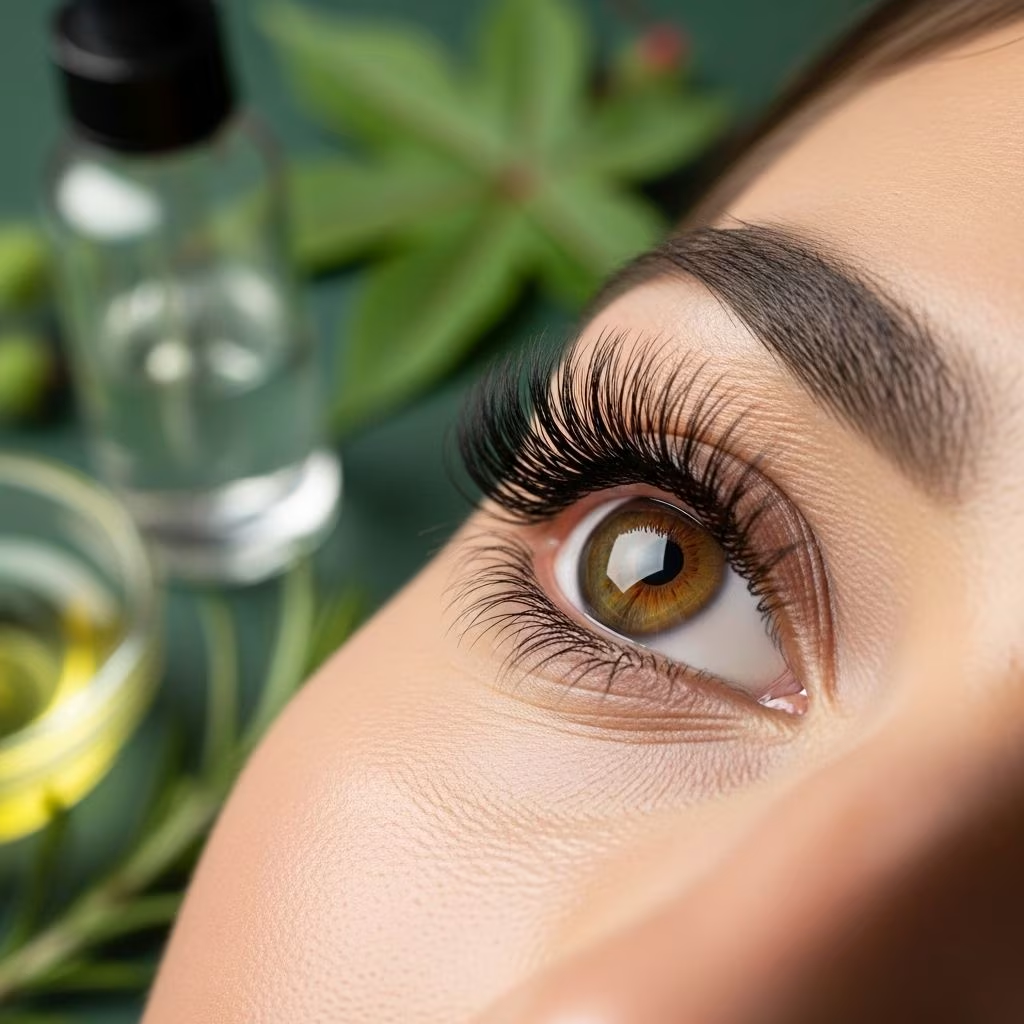
Natural Remedies for Thicker, Longer Eyelashes: Effective Tips & Safe Practices
Long, thick eyelashes have always been a coveted beauty trait. Whether your lashes have become sparse due to aging, overuse of mascara, medical conditions, or just genetics, you may be searching for safe, effective, and natural ways to encourage their growth. This comprehensive guide will walk you through the most popular at-home remedies, their safety, and the science (or myths) behind them, so you can confidently pursue healthier, more beautiful lashes.
Understanding Eyelash Growth: The Basics
Your natural lashes serve more than just a decorative purpose. Eyelashes protect your eyes from dust, debris, and minor irritants. However, factors like aging, harsh makeup, medical treatments, or nutritional deficiencies may slow down lash growth or cause thinning—a condition known as eyelash hypotrichosis.
This guide covers easy, at-home solutions for improving lash health, with step-by-step instructions, scientific context, and essential safety notes for each method.
The Best Natural Remedies to Grow Thicker, Longer Eyelashes
- Castor Oil
- Coconut Oil
- Vitamin E
- Green Tea
- Aloe Vera
- Olive Oil
- Petroleum Jelly
- Lemon Oil
- Eyelid Massage
- Dietary and Lifestyle Tips
Castor Oil: The Lash Booster
Castor oil is one of the most popular natural remedies for eyelash growth. It contains ricinoleic acid, which may help maintain lash thickness by preventing hair loss.
- Use cold-pressed castor oil for best results.
- Too much can cause matting and dryness; use sparingly and avoid contact with eyes.
How to apply:
- Clean lashes with gentle cleanser and water; pat dry.
- Dip a cotton swab into castor oil.
- Gently apply to upper and lower lash lines, avoiding eye contact.
- Leave overnight; rinse thoroughly in the morning.
Coconut Oil: Nourishing & Conditioning
Coconut oil is well-known for preventing protein loss and deeply penetrating hair follicles, potentially helping repair damaged or thinning lashes.
- Apply sparingly to avoid heaviness, which can lead to lash loss.
- Coconut oil is also an effective makeup remover; just ensure thorough rinsing to prevent residue.
How to apply:
- Clean and dry your lashes.
- Dip a cotton swab into cold-pressed coconut oil.
- Brush onto upper and lower lash lines, avoiding eyes.
- Leave overnight, then wash off in the morning.
Vitamin E: Antioxidant Powerhouse
Vitamin E oil is a potent antioxidant that may reduce oxidative damage and condition both lashes and lids, possibly promoting stronger strands and fewer breakages.
- Available as oil or in capsules; use topically for best effect.
- Vitamin E can be mixed with other oils, especially castor oil, for added moisture.
How to apply:
- Pierce a vitamin E capsule or use vitamin E oil.
- Dab onto clean lashes or mix with castor oil for enhanced conditioning.
- Apply nightly and rinse in the morning.
Green Tea: Antioxidant & Lash Reviver
Green tea is rich in the polyphenol epigallocatechin-3-gallate (EGCG), which may promote hair follicle health and growth.
- Used both as a drink and a topical treatment for eyelashes.
- Green tea compresses can soothe the skin around your eyes and reduce puffiness.
How to apply:
- Brew a cup using 1 teaspoon of leaves or a teabag; let cool.
- Use a cotton pad or swab to dab cool tea onto lash lines daily.
- Option: Place soaked cotton pads over closed eyes for 10-15 minutes to refresh and revitalize the area.
- Drink green tea twice a day for general health support.
Aloe Vera: Lash Hydration & Care
Aloe vera gel is widely recognized for its moisturizing properties, which can enhance lash health by preventing dryness and breakage.
- Look for pure, unscented aloe vera gel.
How to apply:
- Extract gel from a fresh aloe vera leaf or use a commercial pure gel.
- Apply gently with a clean mascara wand or cotton swab along the lash line.
- Leave for 30 minutes, then rinse with cool water.
Olive Oil: Traditional Lash Conditioner
Olive oil is rich in fatty acids and vitamin E, providing moisture and possible protection from breakage.
- Some people enhance its effect by infusing lemon peel, but use caution as lemon can irritate eyes.
How to apply:
- Use a small amount of extra virgin olive oil.
- Apply gently to lash lines at night, leaving until morning.
- Wash off thoroughly to avoid residue.
Petroleum Jelly: Simple Protection
Many beauty routines tout the use of petroleum jelly (e.g., Vaseline) to lock in moisture and potentially protect lashes from breaking. Note there is no strong evidence for accelerated lash growth, but applied sparingly, it may condition lashes.
- Use clean hands or an applicator, and avoid eye contact.
How to apply:
- Apply a small amount to lashes before bed a few times per week.
- Wash off with gentle cleanser in the morning.
Lemon Oil: Experimental Use
Lemon oil has shown some promise in animal studies for stimulating lash growth and eliminating mites, but direct evidence in humans is lacking. Always dilute and never allow it to enter the eye.
How to apply:
- Mix a drop of lemon oil with a carrier oil.
- Apply with a cotton swab along lash lines, avoiding eye contact.
- Rinse after two hours or leave overnight as tolerated.
Eyelid Massage: Boost Circulation
Gently massaging your eyelids along the lash line can promote circulation to the hair follicles, supporting growth and overall lash health. Use light pressure and avoid rubbing vigorously to prevent shedding.
How to massage:
- With clean hands and closed eyes, use gentle circular motions along your lash line for several minutes, once or twice daily.
Diet and Lifestyle: The Foundation of Healthy Lashes
No topical remedy will replace the benefits of a balanced diet. Lashes, like all hair, need adequate protein, biotin, vitamins (especially B vitamins and E), and minerals (zinc, iron) to grow effectively.
- Eat a variety of fruits, vegetables, lean proteins, nuts, seeds, and whole grains.
- Consider biotin supplements if recommended by your doctor for hair support.
- Stay hydrated and get enough sleep to facilitate cell regeneration.
Safe Practices & Precautions
- Always patch test oils or serums before full application to ensure no allergies.
- Use separate applicators for each product to avoid cross-contamination.
- If irritation or redness occurs, discontinue use and consult a doctor.
- Avoid getting any product directly into your eyes—this can cause stinging, redness, or infection.
- Remove eye makeup gently and thoroughly before bedtime to prevent lash damage.
FAQs: Growing Thicker, Longer Eyelashes Naturally
Q: Do natural oils really work for eyelash growth?
A: Scientific evidence for oils like castor, coconut, and olive is limited, but many people report improvements in lash strength and appearance. Oils condition lashes and may prevent breakage but may not dramatically alter growth rates.
Q: How long does it take to see results from home remedies?
A: Consistency is key. Most natural remedies require at least 4–6 weeks of daily use to notice visible changes in lash thickness and length. Individual results will vary depending on genetics and overall health.
Q: Are there any medical products proven to grow eyelashes?
A: Only a few products like Latisse (bimatoprost) are FDA-approved and clinically shown to increase eyelash growth; consult your dermatologist for prescription options if natural remedies aren’t sufficient.
Q: Can my lashes fall out if I use these remedies incorrectly?
A: Yes. Excess oil can weigh lashes down, causing loss, while improper application may lead to irritation or infection. Use clean tools and moderate amounts, and never touch the eye directly with products.
Q: What lifestyle changes can support eyelash growth?
A: Prioritize a nutrient-dense diet, avoid rubbing or pulling at your eyes, gently remove makeup, and limit use of heavy mascaras or eyelash curlers that weaken lashes.
Expert-Backed Tips for Healthier, Longer Lashes
- Be Gentle: Always remove makeup softly; avoid tugging on lashes.
- Cleansing: Keep lashes clean and dry to prevent breakage and support new growth.
- Combs: Use a sterilized lash brush to separate and prevent clumping.
Summary Table: Popular Remedies for Eyelash Growth
| Remedy | Potential Benefit | Typical Side Effects | Scientific Support |
|---|---|---|---|
| Castor Oil | Moisturizes, may reduce lash loss | Dryness if overused, irritation | Limited, some hair loss studies |
| Coconut Oil | Prevents protein loss, conditions | Greasy residue, heaviness | Anecdotal, some hair benefits |
| Vitamin E | Antioxidant, conditioning | Rare allergic reaction | Some evidence for skin/hair |
| Green Tea | Antioxidant, soothes eyes | Rare, mild irritation | Some hair growth studies (animal) |
| Aloe Vera | Moisturizes, soothes lashes | Rare, mild allergies | Anecdotal, skin studies |
| Olive Oil | Softens, protects | Can clog pores | Traditional, limited studies |
| Petroleum Jelly | Protects, locks in moisture | Rare irritation | Little clinical support |
| Lemon Oil | Potentially stimulates growth, antibacterial | Irritation, photosensitivity | Animal studies only |
Lash Health: When to Visit a Professional
If you experience sudden or severe lash loss, eye redness, or irritation that does not resolve, consult a dermatologist or ophthalmologist. Eyelash issues can sometimes signal underlying health problems requiring medical attention.
Frequently Asked Questions (FAQs)
Q: Can I use more than one remedy at once?
A: Combine remedies cautiously. For example, vitamin E can blend well with castor oil, but avoid layering multiple products at once to reduce risk of irritation.
Q: How often should I apply these remedies?
A: Most remedies can be used nightly; wash off in the morning for best hygiene. Start with 3–4 times per week and increase as tolerated.
Q: Are natural remedies safe for sensitive eyes?
A: Choose hypoallergenic, pure oils, and always patch test before regular use. If you have a history of eye allergies, consult your eye doctor first.
Q: Will these methods work for everyone?
A: Results vary by individual genetics, root cause of lash loss, and consistency of use. Some people may see only subtle improvements.
Q: What should I avoid if I want healthy lashes?
A: Avoid waterproof mascaras daily, refrain from sleeping in eye makeup, don’t pull or rub your eyes, and limit use of lash extensions and curlers.
References
- https://drjackpeterson.com/blog/do-these-remedies-really-work-on-eyelashes/
- https://www.healthline.com/health/beauty-skin-care/how-to-get-longer-eyelashes
- https://www.100percentpure.com/blogs/feed/how-to-grow-your-eyelashes-fast-no-extensions-no-irritation
- https://www.youtube.com/watch?v=Wd8zJ17qjds
- https://lashpilot.com/articles/diy-tips-home-remedies-stronger-lashes/
- https://www.medicalnewstoday.com/articles/321849
- https://www.thegreenkiss.com/blogs/news/5-ways-to-naturally-grow-thicker-longer-and-darker-eyelashes


