


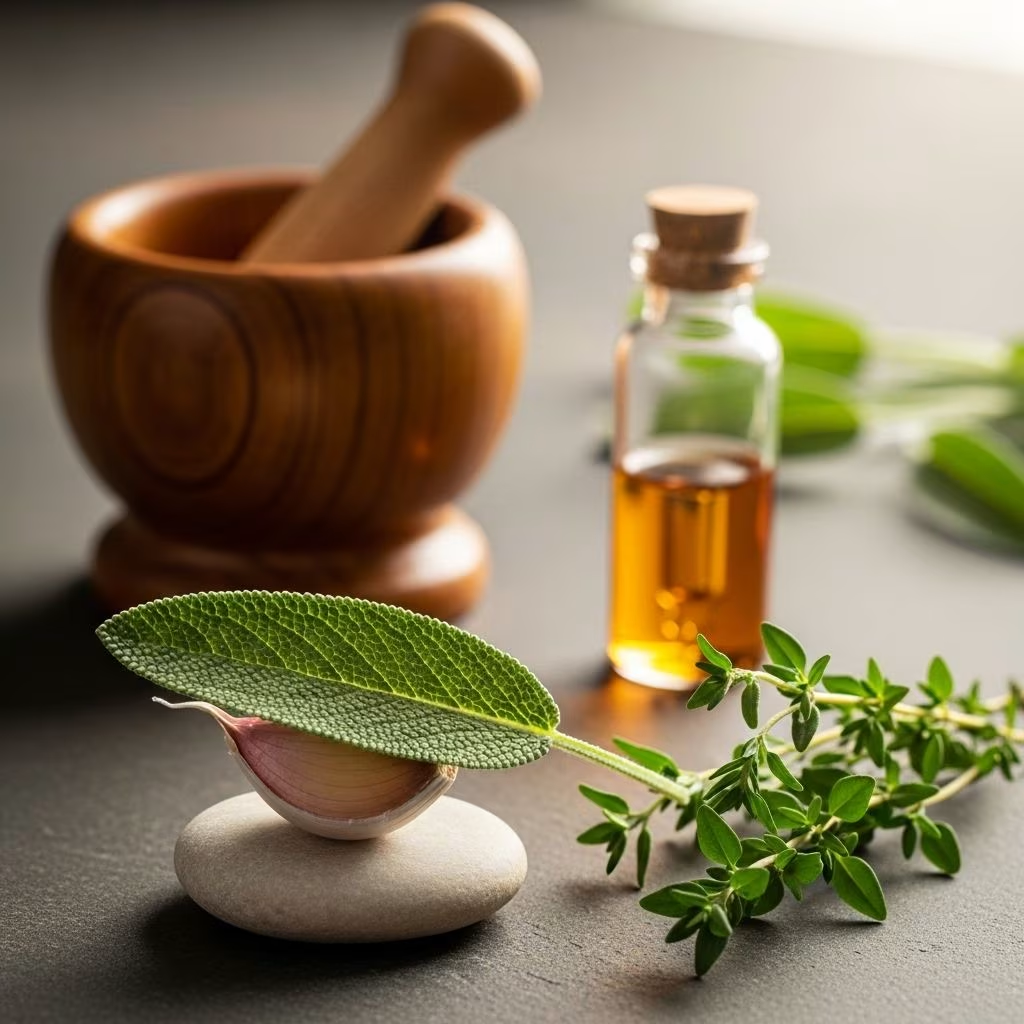
Natural Remedies for Receding Gums: A Complete Guide
Receding gums, known medically as gingival recession, is a common dental condition where the gum tissue pulls back from the tooth surface, exposing the roots. This process can increase sensitivity, risk of cavities, and may eventually lead to tooth loss if not managed properly. While gums do not naturally grow back, several natural remedies and lifestyle changes can help slow recession, improve gum health, and prevent further damage.
This comprehensive guide explores evidence-based natural solutions, dietary recommendations, and oral hygiene practices to help you maintain healthy gums and a radiant smile.
Understanding Gum Recession: Causes and Importance of Early Action
Before seeking remedies, it’s crucial to understand what causes receding gums and why prompt attention matters.
- Poor oral hygiene: Inadequate brushing and flossing can lead to a buildup of plaque and tartar, which harbor bacteria that irritate and inflame the gums.
- Brushing too hard: Aggressive brushing or using a hard-bristled toothbrush can erode the gum line.
- Gum disease: Periodontal (gum) disease is the primary culprit behind gum recession, driven by inflammation and bacterial infection.
- Aging: Gum tissue thins and recedes naturally as part of the aging process.
- Genetics, hormonal changes, tobacco use, and teeth grinding: These factors can also contribute to gum recession.
Acting early can help preserve gum tissue, prevent tooth loss, and maintain your oral health. While medical interventions may be necessary in advanced cases, natural remedies and consistent oral care can be highly beneficial for most people.
Top Natural Remedies to Help Manage and Soothe Receding Gums
Many traditional and modern remedies offer support for gum health. Here are the most effective, science-backed natural options:
1. Oil Pulling
Oil pulling is an ancient Ayurvedic practice involving swishing a tablespoon of oil—such as coconut or sesame oil—in your mouth for 15–20 minutes, then spitting it out. It’s believed to reduce harmful bacteria and plaque, promoting healthier gums.
How to use: Swish 1 tablespoon of high-quality coconut or sesame oil in your mouth for up to 20 minutes. Spit out the oil and rinse with warm water. Practice daily for optimal results.
Benefits:
- Reduces oral bacteria and plaque
- Improves gum inflammation and breath freshness
- Is gentle and safe for daily use
2. Saltwater Rinse
Saltwater is a natural disinfectant that helps reduce gum inflammation and promote healing. It soothes irritated gum tissue and reduces bacteria.
- Mix 1 teaspoon of sea salt in a cup of warm water.
- Swish the solution in your mouth for 30 seconds, then spit it out.
- Repeat 2–3 times daily, especially after meals.
3. Aloe Vera Gel
Aloe vera is renowned for its anti-inflammatory, antimicrobial, and healing properties. Applying therapeutic aloe vera gel just below the gums has been shown to reduce bacteria, inflammation, and support gum tissue.
Only use medicinal-grade aloe vera gel, preferably under the guidance of a dental professional. Some practitioners may administer aloe vera injections for severe cases, but self-application as a topical treatment can also soothe gums.
4. Green Tea
Rich in polyphenols and antioxidants, green tea helps lower inflammation and control bacterial growth in the mouth. Multiple studies indicate its consumption or use as a mouth rinse may reduce plaque and gingivitis, supporting gum health.
Drink 1–2 cups of unsweetened green tea daily, or use cooled green tea as a mouth rinse. Avoid adding sugar, which can feed bacteria.
5. Hydrogen Peroxide Rinse
Hydrogen peroxide possesses antibacterial and antiseptic qualities. Used as a dilute rinse, it can reduce oral bacteria and help treat swollen or bleeding gums.
How to prepare:
- Mix equal parts 3% hydrogen peroxide and water (1/4 cup each).
- Rinse your mouth for 30 seconds, then spit out.
- Do not swallow. Repeat 2–3 times a week.
6. Eucalyptus Oil
Eucalyptus essential oil is a natural anti-inflammatory and germicide, effective against bacteria that can aggravate gum recession.
Dilute a drop of eucalyptus oil in 1–2 tablespoons of water, dip your toothbrush or a swab in the solution, and apply gently along the gum line.
Do not apply undiluted oil directly to gums to avoid irritation.
7. Peppermint Essential Oil
Peppermint oil inhibits microorganism growth in the mouth and helps freshen breath. Dilute properly and apply to the gums, or use in an oral rinse. Do not swallow essential oils.
8. Tea Tree Oil
Known for its antimicrobial action, tea tree oil can help limit bacteria and reduce gum inflammation. Add 1–2 drops to a cup of water for a gentle mouth rinse or mix with toothpaste.
9. Turmeric Gel
Turmeric contains curcumin, recognized for both antioxidant and anti-inflammatory actions. Applying turmeric gel to gums can help prevent gingivitis, which is a key trigger for gum recession.
Use commercially-prepared turmeric dental gels, massaging gently into the gum line and allowing it to sit before rinsing.
10. Septilin Herbal Supplement
Septilin is an herbal formulation containing licorice, guggul, and guduchi. It is recognized for supporting immune health and combating gum disease. Available in tablet and syrup forms, it may help reduce gum swelling and promote tissue healing.
Typical adult dosage: Two tablets, twice daily, or two spoonfuls of syrup, three times daily. Consult a healthcare provider before beginning any herbal supplement.
11. Omega-3 Fatty Acids
Found in fish oil, flaxseed oil, chia seeds, and walnuts, omega-3s have strong anti-inflammatory properties. Research suggests that a daily intake of 300mg for 12 weeks can reduce gum swelling and potentially slow the progression of gum recession.
Include omega-3 rich foods in your diet or supplement after consulting your physician.
12. Thyme Essential Oil
Like eucalyptus and peppermint, thyme essential oil offers antimicrobial protection. Dilute in water and use as a mouth rinse to help prevent bacterial buildup along the gum line.
13. Lemon
Lemon juice’s antibacterial action can help target gum-harming microbes, but it is highly acidic. Use sparingly and never apply directly to the teeth. Once weekly, dilute lemon in water for a mild rinse, but avoid prolonged exposure to protect enamel.
14. Vitamin C-Rich Foods
Vitamin C is essential for collagen production, which maintains gum strength and elasticity. A deficiency may result in bleeding, inflamed, or receding gums. Support your oral health by including foods like:
- Oranges and citrus fruits
- Strawberries
- Bell peppers
- Kiwis
- Leafy greens
Oral Hygiene Habits to Prevent and Manage Receding Gums
Combining natural remedies with good oral hygiene forms the foundation for maintaining healthy gums. Here are evidence-based strategies:
- Gentle brushing: Use a soft-bristled toothbrush, brushing in gentle, circular motions. Avoid aggressive scrubbing, which can erode gum tissue.
- Correct brushing technique: Angle your toothbrush at 45 degrees to the gum line and brush for two minutes at least twice daily.
- Flossing daily: Floss between all teeth to remove plaque from hard-to-reach areas, preventing pockets that cause gum downturn.
- Regular dental check-ups: Professional cleanings help remove stubborn tartar and identify early signs of gum disease.
- Choose toothpaste wisely: Select formulas containing stannous fluoride or potassium nitrate for gum and tooth sensitivity relief.
Diet and Lifestyle Strategies for Gum Health
Healthy gums are supported by a balanced diet and healthful living. Consider these recommendations:
- Eat antioxidant-rich foods: Berries, leafy greens, nuts, and seeds strengthen gum tissue and fend off inflammation.
- Limit sugary and acidic foods: These promote bacterial growth and can erode both enamel and gums.
- Stay hydrated: Water helps flush out bacteria and food debris from the mouth.
- Avoid tobacco: Smoking or chewing tobacco impairs blood supply and healing, dramatically increasing the risk of gum disease and recession.
- Manage stress: Chronic stress can compromise immunity, aggravating periodontal conditions.
Key Facts & Myths: Do Receding Gums Grow Back?
It’s important to clarify: receding gums do not grow back naturally. While remedies can slow or stop further progression and improve gum health, they cannot regenerate lost tissue. For advanced gum recession, modern dental procedures such as gum grafting may be necessary to restore lost tissue and protect tooth roots.
Table: Quick Reference Guide to Natural Remedies for Receding Gums
| Remedy / Practice | Key Benefit | Notes |
|---|---|---|
| Oil Pulling | Reduces bacteria and plaque | Use daily, coconut/sesame oil |
| Saltwater Rinse | Reduces inflammation | Swish 2–3 times/day |
| Aloe Vera | Soothes and heals gums | Use medical-grade gel or rinse |
| Green Tea | Antioxidant, controls bacteria | Drink unsweetened daily |
| Hydrogen Peroxide | Kills bacteria, whitens teeth | Rinse max 2–3 times/week |
| Eucalyptus, Peppermint, Thyme, Tea Tree Oils | Antimicrobial | Always dilute before use |
| Turmeric Gel | Anti-inflammatory, prevents gingivitis | Apply as a dental gel |
| Omega-3 Fatty Acids | Reduces gum swelling | 300mg daily via food or supplement |
| Vitamin C Foods | Promotes collagen, gum strength | Eat citrus, peppers, berries |
Frequently Asked Questions (FAQs)
Q: Can receding gums grow back naturally?
A: No, receding gums do not grow back on their own. However, natural remedies can help slow recession, relieve symptoms, and protect against further gum loss.
Q: Is oil pulling really effective for gum health?
A: Oil pulling can help reduce oral bacteria and plaque, contributing to healthier gums. While some benefits have been observed, it is best used as a supportive therapy alongside regular oral care.
Q: How often should I use hydrogen peroxide rinse for my gums?
A: Limit hydrogen peroxide rinse to 2–3 times per week to avoid irritation. Always dilute to a safe concentration and do not swallow.
Q: Are essential oils safe for oral use?
A: Essential oils must be properly diluted before use in the mouth. Never ingest oils and avoid prolonged direct contact with gums to prevent irritation. Consult your dentist before beginning essential oil remedies.
Q: When should I see a dentist about receding gums?
A: If you notice increased tooth sensitivity, visible gum recession, bleeding when brushing, or persistent gum soreness, schedule a dental appointment for a professional assessment and personalized treatment plan.
Conclusion: Working with Nature for Healthier Gums
While gum regression cannot be reversed naturally, incorporating these home remedies and healthy habits can protect and strengthen your gums, slowing disease progression and improving comfort. Regular dental visits and timely intervention are essential to preserve your smile for a lifetime.
References
- https://advanceddentalartsnyc.com/reverse-receding-gums-naturally/
- https://myserenitydental.com/ways-to-support-gum-health/
- https://www.healthline.com/health/receding-gums-grow-back
- https://my.clevelandclinic.org/health/diseases/22753-gum-recession
- https://www.wilsonhousedentalpractice.com/how-to-cure-gum-disease-without-a-dentist/
- https://renewfamilydental.com/healed-my-receding-gums/
- https://www.youtube.com/watch?v=wd5JKCXAtys
- https://www.alluredentalchicago.com/blog/are-there-any-at-home-remedies-for-receding-gums-cip153/


