


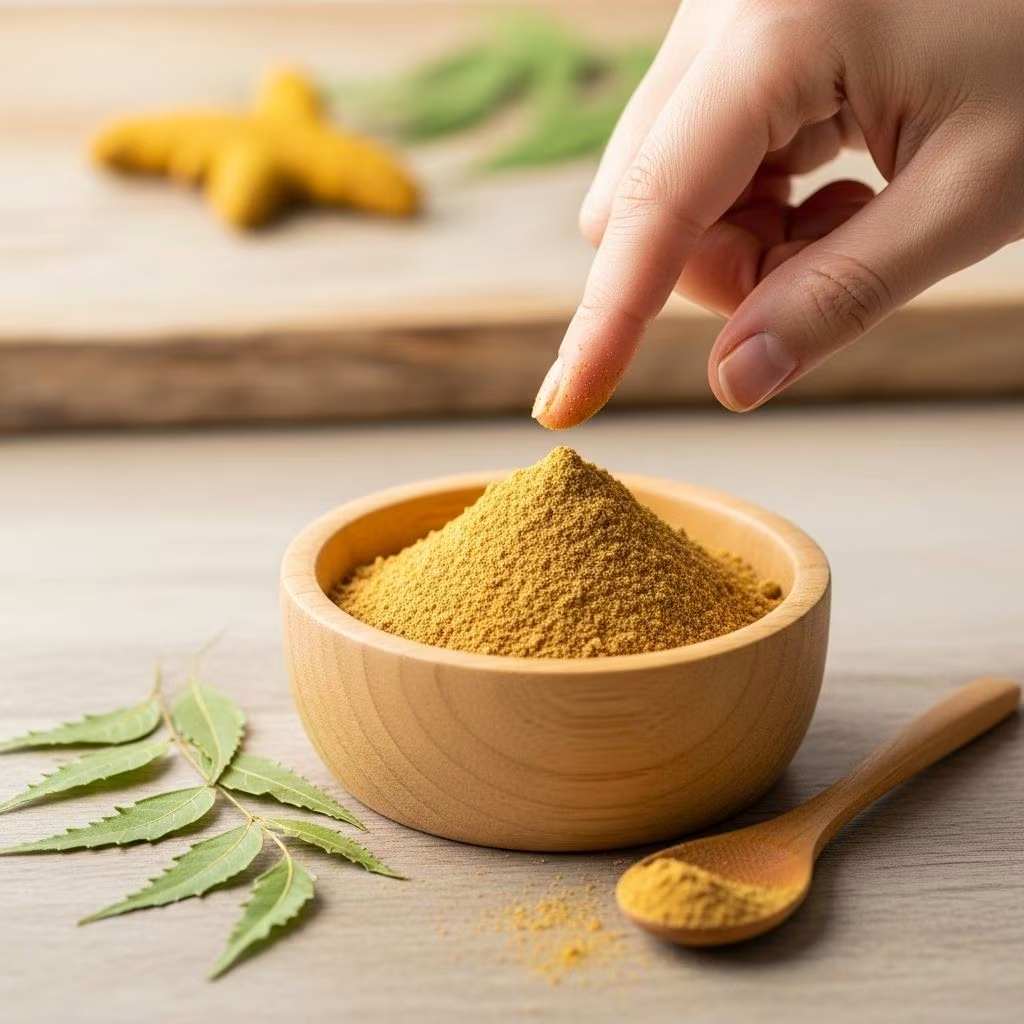
Ayurvedic Hair Removal at Home: 7 Natural Remedies
Frequent shaving, waxing, or use of harsh chemical creams can irritate skin and lead to unwanted side effects. Ayurvedic hair removal offers safe, natural, and gentle alternatives that gradually reduce unwanted hair growth while nourishing the skin. These methods use time-tested ingredients such as turmeric, papaya, and lentils which not only weaken hair roots but also rejuvenate skin health when used consistently.
Why Choose Ayurvedic Hair Removal?
- Chemical-free solutions are gentle and safe for sensitive skin.
- Ayurveda targets the root cause of hair growth and restores skin balance.
- Remedies help exfoliate skin, preventing ingrown hairs and irritation.
- With frequent and regular use, these treatments promote permanent hair reduction.
- Ayurvedic ingredients carry additional benefits such as antibacterial, anti-inflammatory, and skin-brightening properties.
1. Turmeric and Milk Paste
Benefits: Slows hair regrowth, brightens skin, reduces inflammation.
Key ingredients: 2 teaspoons turmeric powder, 1 teaspoon milk.
- Method: Mix turmeric powder and milk into a thick paste. Apply evenly to areas with unwanted hair.
- Leave for 15–20 minutes.
- Once semi-dry, gently scrub the area with damp fingers.
- Rinse off residue with lukewarm water.
- Frequency: 2–3 times a week.
Turmeric’s powerful antibacterial and anti-inflammatory properties have made it a staple in Ayurvedic beauty routines. Used regularly, this paste helps weaken hair roots and gives the skin a brighter, even tone.
2. Raw Papaya and Aloe Vera Gel
Benefits: Inhibits hair growth at the follicle, soothes skin.
Key ingredients: Raw papaya pulp, 1 teaspoon aloe vera gel.
- Method: Blend papaya pulp with aloe vera. Massage onto targeted area for 5 minutes.
- Let sit for 20 minutes.
- Wash off with lukewarm water.
- Frequency: Twice a week.
Papaya contains the enzyme papain that breaks down hair follicles, slowing regrowth, while aloe vera hydrates and assists enzyme absorption.
3. Chickpea Flour (Besan) and Turmeric Scrub
Benefits: Exfoliates dead skin, weakens hair roots, improves skin texture.
Key ingredients: 2 tablespoons chickpea flour, 1 teaspoon turmeric powder, rosewater.
- Method: Mix ingredients into a smooth paste. Apply on skin.
- Let dry until tacky—do not let it become stiff or flaky.
- Scrub area in gentle, circular movements as paste starts to flake.
- Rinse off with water.
- Frequency: Every other day.
This scrub is excellent for removing facial hair, targeting areas like the upper lip and chin, while leaving skin smooth and bright.
4. Sugar, Lemon, and Honey Wax
Benefits: Acts as a natural wax, removes coarse hair, gentle on skin.
Key ingredients: 2 tablespoons sugar, 1 tablespoon lemon juice, 1 tablespoon honey.
- Method: Place all ingredients in a pan and heat on low until mixture becomes thick and golden.
- Allow to cool slightly but remain warm.
- Apply in the direction of hair growth.
- Press a clean cloth strip onto the paste, then swiftly pull off against hair growth.
- Frequency: As needed.
This traditional Ayurvedic wax provides a safer alternative to store-bought waxing products, minimizing skin damage.
5. Thanaka Powder and Safflower (Kusuma) Oil
Benefits: Significantly reduces hair regrowth, softens skin.
Key ingredients: 1 teaspoon thanaka powder, safflower oil.
- Method: Blend thanaka powder with enough safflower oil to make a paste.
- Apply to desired area at night.
- Leave overnight and wash off in the morning.
- Frequency: Daily use for at least 3 months yields best results.
| Ingredient | Benefit | Preparation | Frequency |
|---|---|---|---|
| Thanaka powder | Weakens hair follicles | Mix with safflower oil | Daily |
| Kusuma oil | Moisturizes & softens skin | Apply with thanaka powder | Daily |
Widely used in Southeast Asian Ayurvedic practice, the combination of thanaka and safflower (kusuma) oil has been observed to promote permanent reduction in body hair over consistent use.
6. Lentil (Masoor Dal) and Potato Mask
Benefits: Lightens skin, weakens hair roots, clears complexion.
Key ingredients: Masoor dal (soaked then ground), grated potato.
- Method: Mix soaked and ground masoor dal with freshly grated potato.
- Apply paste liberally to areas with unwanted hair.
- Leave for 20 minutes.
- Gently massage as you wash off with water.
- Frequency: 2–3 times a week.
The combination of enzymes from potato and lentils systematically weaken hair shafts over time, resulting in lighter, sparser growth and a radiant skin tone.
7. Egg White and Cornstarch Peel-Off Mask
Benefits: Removes fine facial hair, brightens skin, easy peel-off application.
Key ingredients: 1 egg white, 1 teaspoon cornstarch.
- Method: Beat an egg white and mix with cornstarch.
- Apply a thin layer to the facial area.
- Allow to dry completely.
- Gently peel off the mask, taking fine hair with it.
- Frequency: Once per week.
This mask removes peach fuzz and gentle fine hair, contributing to a natural glow and smoother texture.
Additional Ayurvedic Remedies and Practices for Hair Removal
Sandalwood and Turmeric Paste
A blend of sandalwood paste and turmeric powder is a popular additional remedy in Ayurveda for controlling unwanted hair growth and soothing irritated skin. Sandalwood’s antiseptic nature works well in tandem with turmeric’s root-weakening ability.
Spearmint Tea for Hormonal Balance
Benefits: Regulates hormonal imbalance, reduces excess facial hair in women.
Spearmint tea is believed to lower androgen levels slightly, curbing unwanted facial hair when consumed regularly. Emerging research supports its effect on hormone levels when taken twice daily.
Herbal Oils (Kumkumadi Tailam)
Kumkumadi tailam, saffron-based Ayurvedic oil, traditionally enhances skin complexion and may slow facial hair regrowth. Use as a gentle massage oil after cleansing for best results.
Safety Tips and Considerations
- Always conduct a patch test before full application of any new remedy.
- Do not use harsh scrubs on inflamed or broken skin.
- If you observe redness, itching, or irritation, discontinue and consult a dermatologist.
- Results vary by individual—Ayurvedic remedies require regular and prolonged use for optimal benefit.
Comparison: Ayurveda vs. Conventional Hair Removal
| Method | Key Features | Main Pros | Main Cons |
|---|---|---|---|
| Ayurvedic Remedies | Turmeric, papaya, lentil, thanaka, natural oils | Gentle, chemical-free, improves skin health | Requires patience and consistency |
| Chemical Creams | Calcium thioglycolate, fragrances | Quick results | Skin irritation, potential allergic reactions |
| Waxing/Shaving | Mechanical removal of hair | Immediate removal | Risk of ingrown hair, cuts, pain |
Frequently Asked Questions (FAQs)
Q: How long does it take for Ayurvedic hair removal remedies to show results?
A: These remedies require consistent use over several weeks to months. Most users begin to observe finer, slower hair growth after 2–4 weeks. For permanent results, daily or regular use over 3–6 months may be necessary.
Q: Will these remedies work for all skin types?
A: Ayurvedic remedies are safe for most skin types but patch testing is recommended to rule out any allergic reaction, especially with turmeric and essential oils.
Q: Can Ayurveda help with hormonal hair growth (e.g., PCOS)?
A: Ayurvedic remedies like spearmint tea and herbal formulations can support hormonal balance, but severe cases require professional assessment and treatment.
Q: Are these remedies safe for use on the face?
A: Yes, most recipes are specifically formulated for delicate facial skin. Be gentle while scrubbing or peeling off masks to avoid irritation.
Q: What if I have very thick or coarse hair?
A: Coarse hair may require longer treatment durations. For best results, combine topical remedies (like turmeric and besan paste) with dietary and lifestyle changes that address the root cause.
Expert Tips for Enhanced Results
- Apply paste or mask after a warm shower for better absorption.
- Moisturize with natural oils like coconut or almond after treatment for extra skin nourishment.
- Follow a diet rich in antioxidants and anti-inflammatory foods such as leafy greens, turmeric, and flax seeds.
- Reduce stress, which can trigger hormonal fluctuations leading to excessive hair growth.
Conclusion
Ayurveda presents a holistic approach to hair removal, focusing not only on eliminating unwanted hair but also improving overall skin health and balance. Through regular use of ingredients like turmeric, papaya, lentils, and thanaka powder, you can achieve lasting results naturally and painlessly. With patience and dedication, these gentle remedies can help you achieve smoother, clearer, and radiant skin, embracing beauty the Ayurvedic way.
References
- https://vedictry.com/hair-removal-ayurveda-home-remedies/
- https://www.itoozhiayurveda.in/natural-hair-removal-ayurvedic-remedies-to-control-excess-body-hair/
- https://ask-ayurveda.com/articles/856-how-to-remove-facial-hair-permanently-in-ayurveda
- https://gandharvawellness.com/blog/top-ayurvedic-medicine-for-facial-hair-removal-natural-solutions-for-silky-skin/
- https://vedictry.com/category/beauty-tips/
- https://www.healthline.com/health/beauty-skin-care/indian-home-remedies-for-hair-growth
- https://www.easyayurveda.com/2009/11/30/home-remedy-facial-hair-removal/
- https://www.youtube.com/watch?v=58b955PFGI8


