


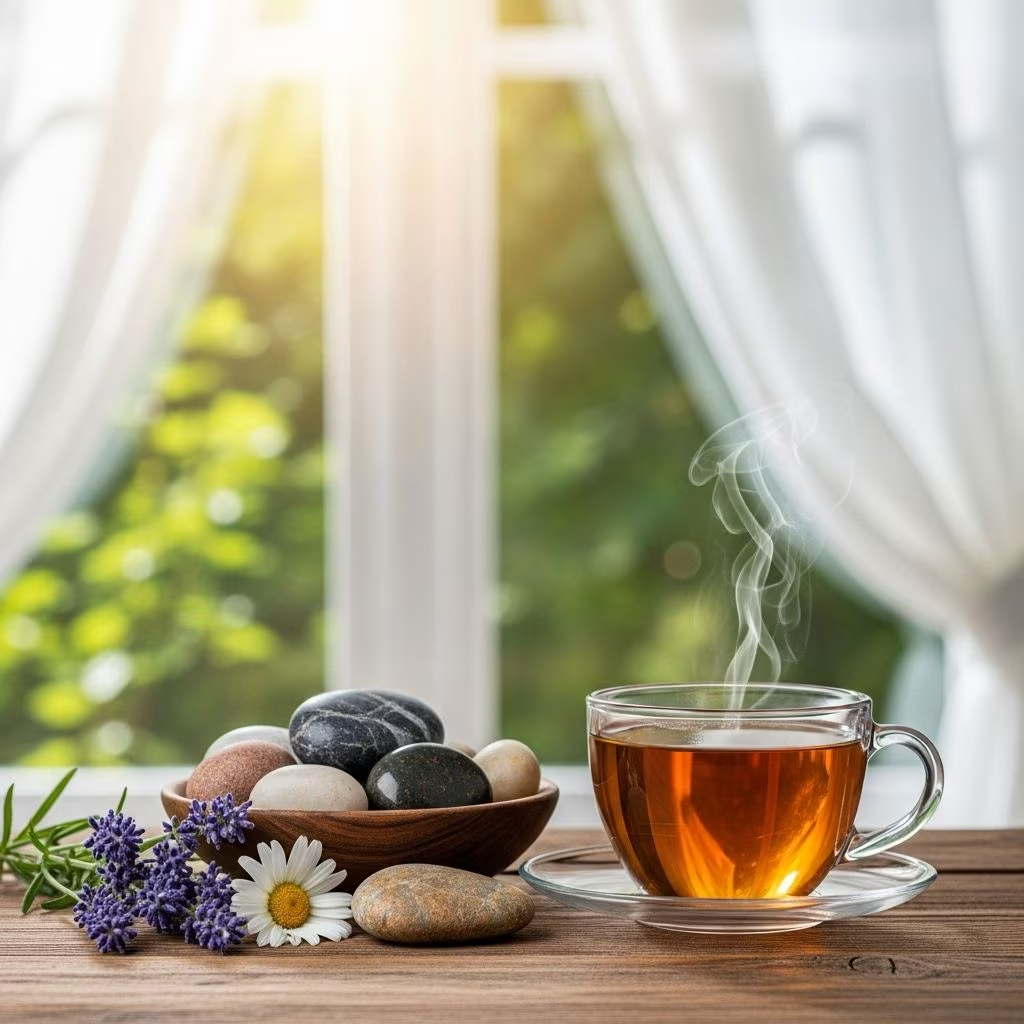
Natural Remedies for Anxiety Relief: Effective Techniques to Calm Your Mind and Body
Anxiety can feel overwhelming, affecting both mind and body. While conventional medication is sometimes necessary, many people seek natural remedies to manage anxiety and restore calm. This comprehensive guide explores holistic strategies, including herbal therapy, lifestyle changes, and relaxation techniques—all backed by research and traditional wisdom. Whether you experience occasional worry or chronic anxiety, these methods can help you find relief and foster long-term emotional balance.
Understanding Anxiety: A Brief Overview
Anxiety is a natural response to stress, but it can become persistent or excessive, interfering with daily life. Symptoms often include rapid heartbeat, shallow breathing, muscle tension, racing thoughts, and sometimes panic attacks. Addressing anxiety holistically means targeting both its physical and emotional roots, not just its symptoms.
Herbal Remedies for Anxiety Relief
For centuries, herbal medicine has helped people alleviate anxiety. Modern research supports the use of several herbs and plant extracts. However, consult with a healthcare practitioner before starting any supplement, as interactions with medications can occur and quality varies between brands.
- Chamomile (Matricaria chamomilla): Widely known for its calming effects, chamomile can lessen symptoms of generalized anxiety disorder. Drinking chamomile tea or taking extract capsules may promote relaxation.
- Lavender (Lavandula angustifolia): Used in teas, oils, or extracts, lavender can reduce anxiety and improve sleep. Aromatherapy is a popular form—diffusing lavender oil is especially soothing.
- Passionflower (Passiflora incarnata): Studies suggest passionflower may be as effective as certain anti-anxiety medications with minimal side effects.
- Kava (Piper methysticum): Kava has demonstrated short-term efficacy for anxiety. Caution is required due to potential liver toxicity with some preparations and dosages.
- Lemon Balm (Melissa officinalis): Traditionally used as a mild sedative, lemon balm may alleviate stress, anxiousness, and insomnia.
- Ashwagandha (Withania somnifera): An adaptogenic herb that helps modulate stress and promote calm. Widely used in Ayurveda for its balancing effects.
- Valerian Root (Valeriana officinalis): Valerian is thought to reduce anxiety and promote sleep, though results are mixed and liver safety should be considered.
- Holy Basil (Ocimum tenuiflorum): Some research shows holy basil may help with anxiety, particularly over longer periods.
How to Use Herbal Remedies Safely
- Consider herbal teas for gentle relief (chamomile, lavender, lemon balm).
- Use capsules or tinctures for a more concentrated dose, but consult a healthcare provider first.
- Avoid mixing multiple herbs simultaneously without professional advice—some combinations can worsen side effects or interact with medications.
Note: The effectiveness of herbal remedies can vary due to individual response, formulation quality, and dosage. Always check for possible side effects and interactions.
Aromatherapy: Harnessing the Power of Scent
Aromatherapy uses essential oils to boost mood and promote relaxation. Several scents are known for their calming properties:
- Lavender: The most researched scent for anxiety relief. Use in diffusers, on pillows, or diluted in carrier oils for topical application.
- Ylang ylang: Can induce a sense of well-being and lower blood pressure when inhaled.
- Bergamot: Often used in blends for stress relief.
- Clary sage and grapefruit: Uplifting and mood-boosting aromas.
Essential oils can be inhaled, used in baths, or applied to the skin (when properly diluted).
Cannabidiol (CBD): Nature’s Calming Compound
CBD (cannabidiol), derived from the hemp plant, has emerged as a popular alternative for managing anxiety. Unlike THC, CBD doesn’t cause a high. Research indicates CBD may help with symptoms of anxiety, pain, and insomnia.
- Common forms include CBD oil tinctures, gummies, edibles (such as chocolate), and topical creams.
- Quality and dose vary, so start with a low amount and consult a professional for advice.
Meditation and Mindfulness Practices
Meditation is a cornerstone of natural anxiety relief. Through mindfulness—paying attention to the present moment without judgment—you can quiet racing thoughts and cultivate calm.
- Guided meditation: Many apps and online resources offer audio or video instruction.
- Breath-focused meditation: Concentrate solely on the rhythm of your breath.
- Mindful walking or yoga: Integrate mindfulness into movement for deeper relaxation.
Deep Breathing Techniques
Rapid, shallow breathing is common with anxiety and can exacerbate symptoms. Deep breathing restores normal patterns and activates the body’s relaxation response. Popular techniques include:
- Diaphragmatic breathing: Breathe deeply into the belly, expanding the diaphragm.
- Box breathing: Inhale for four counts, hold for four, exhale for four, and pause for four.
- 4-7-8 breathing: Inhale quietly for 4 seconds, hold for 7 seconds, exhale forcefully for 8 seconds.
These exercises can be done anywhere and provide immediate stress relief.
Weighted Blankets: Physical Comfort for Emotional Calm
Weighted blankets provide gentle pressure, which has been shown to lower anxiety and improve sleep. The sensation, known as “deep touch pressure,” encourages the body to enter “rest mode.” Choose a blanket that’s about 10% of your body weight for optimal effect.
Lifestyle Habits to Reduce Anxiety
Habits and daily choices play a major role in managing anxiety. Simple changes can yield significant improvements in emotional health.
- Regular Exercise: Physical activity triggers endorphin release, enhancing mood and reducing anxiety.
- Nutrition: A balanced diet rich in complex carbohydrates, B vitamins, magnesium, omega-3 fatty acids, and antioxidants supports brain and nervous system health.
- Sleep Hygiene: Consistent routines, a cool, dark room, and avoiding screens before bedtime help stabilize mood and reduce stress.
- Limit Caffeine and Sugar: Both can worsen anxious feelings and trigger panic episodes.
- Quit Cigarettes and Alcohol: Although they may seem relaxing, both substances can increase anxiety over time and lead to dependence or health complications.
Additional Natural Therapies
- Massage Therapy: Relieves muscle tension and helps the body process stress hormones, promoting relaxation.
- Acupuncture: Taps into the body’s energy pathways to rebalance and soothe anxious feelings. Early studies show promise, but more research is needed.
- Yoga & Tai Chi: Gentle, mindful movement enhances the mind-body connection and calms the nervous system.
- Positive Affirmations & Thought Blocking: Replacing negative thoughts with positive, affirming statements can gradually shift your mindset and boost resilience.
Supplements and Nutritional Strategies
- B vitamins: Especially B6 and B12, which support nerve health. Some studies suggest possible benefits for anxiety, though results are mixed.
- Magnesium: Can help soothe nerves, relax muscles, and regulate the body’s stress response.
- Omega-3 fatty acids (from fish oil): May improve mood stability and reduce inflammation linked to mental stress.
Supplement intake should be guided by a qualified provider to avoid interactions and overdoses.
Practical Strategies for Daily Anxiety Management
- Establish a calming morning routine to set a positive tone for the day.
- Practice gratitude—write down three things you’re thankful for each day to shift your mindset.
- Stay connected with supportive friends, family, or community groups; isolation tends to increase anxiety.
- Limit news and social media exposure, especially if it increases worry or stress.
- Create a worry journal: Write out your worries and possible solutions, then set them aside, which can help you gain perspective.
Precautions When Using Natural Remedies
- Consult with medical professionals before starting any new treatment, especially if you take prescription medications.
- Monitor for side effects—herbal and nutritional supplements can cause reactions and interact with other drugs.
- Avoid reliance on unproven remedies: Natural approaches are best used alongside professional advice, especially in severe cases.
Table: Overview of Popular Natural Anxiety Remedies
| Remedy | Form | Main Benefit | Common Precautions |
|---|---|---|---|
| Chamomile | Tea, capsules | Calming, sleep aid | Allergy (ragweed family) |
| Lavender | Tea, aromatherapy, capsules | Relaxation, sleep | May interact with CNS depressants |
| Kava | Capsules, tea | Significant anxiety relief | Liver toxicity risk |
| Passionflower | Tea, capsules, tincture | Mild sedation | Safe at recommended doses |
| Lemon Balm | Tea, oil, capsules | Mood enhancement | Safe with guided use |
| CBD | Oil, gummies, cream | Anxiety and pain relief | Check product quality |
| Magnesium | Tablet, powder | Relaxation, muscle relief | Overuse may cause digestive upset |
Frequently Asked Questions (FAQs)
Q: Are natural remedies effective for anxiety?
A: Many people find relief through herbs, nutrition, and relaxation techniques, especially for mild or moderate anxiety. For severe symptoms, a professional evaluation is crucial.
Q: Can I use herbal remedies with prescription anxiety medication?
A: Some herbs and supplements can interact with medications, so always consult your doctor before combining treatments.
Q: What is the fastest natural technique for calming anxiety?
A: Deep breathing techniques, aromatherapy with calming oils, and short mindfulness exercises often yield rapid relief.
Q: Are there side effects to herbal anxiety remedies?
A: Yes. Herbs like kava and valerian have been linked to liver concerns, while others may cause allergies or interact with medications. Medical supervision is advised for all new remedies.
Q: What lifestyle changes best support anxiety relief?
A: Regular exercise, a balanced diet, good sleep hygiene, minimizing caffeine and alcohol, and staying socially connected all contribute to less anxiety.
Conclusion: Bringing Calm Into Everyday Life
Natural anxiety remedies combine the wisdom of traditional healing and modern research. From herbal supplements and mindful movement to nutrition and aromatherapy, these holistic techniques empower you to take control of your emotional health. While natural solutions work best as part of a comprehensive wellness plan, their accessibility and broad benefits make them valuable tools for a more peaceful, balanced life. Make choices that align with your needs, and always seek professional input for persistent or severe symptoms.
References
- https://www.webmd.com/anxiety-panic/natural-remedies-for-anxiety
- https://www.mayoclinic.org/diseases-conditions/generalized-anxiety-disorder/expert-answers/herbal-treatment-for-anxiety/faq-20057945
- https://www.healthline.com/health/natural-ways-to-reduce-anxiety
- https://www.mhealthfairviewpeds.org/blog/How-to-deal-with-anxiety
- https://www.goodrx.com/conditions/generalized-anxiety-disorder/otc-remedies-anxiety
- https://www.dignityhealth.org/articles/anxiety-treatment-without-medication-7-holistic-ways-to-cope
- https://www.unitypoint.org/news-and-articles/how-to-manage-anxiety-without-medication
- https://www.health.harvard.edu/blog/nutritional-strategies-to-ease-anxiety-201604139441
- https://www.jeanhailes.org.au/health-a-z/anxiety/anxiety-and-natural-therapies


