


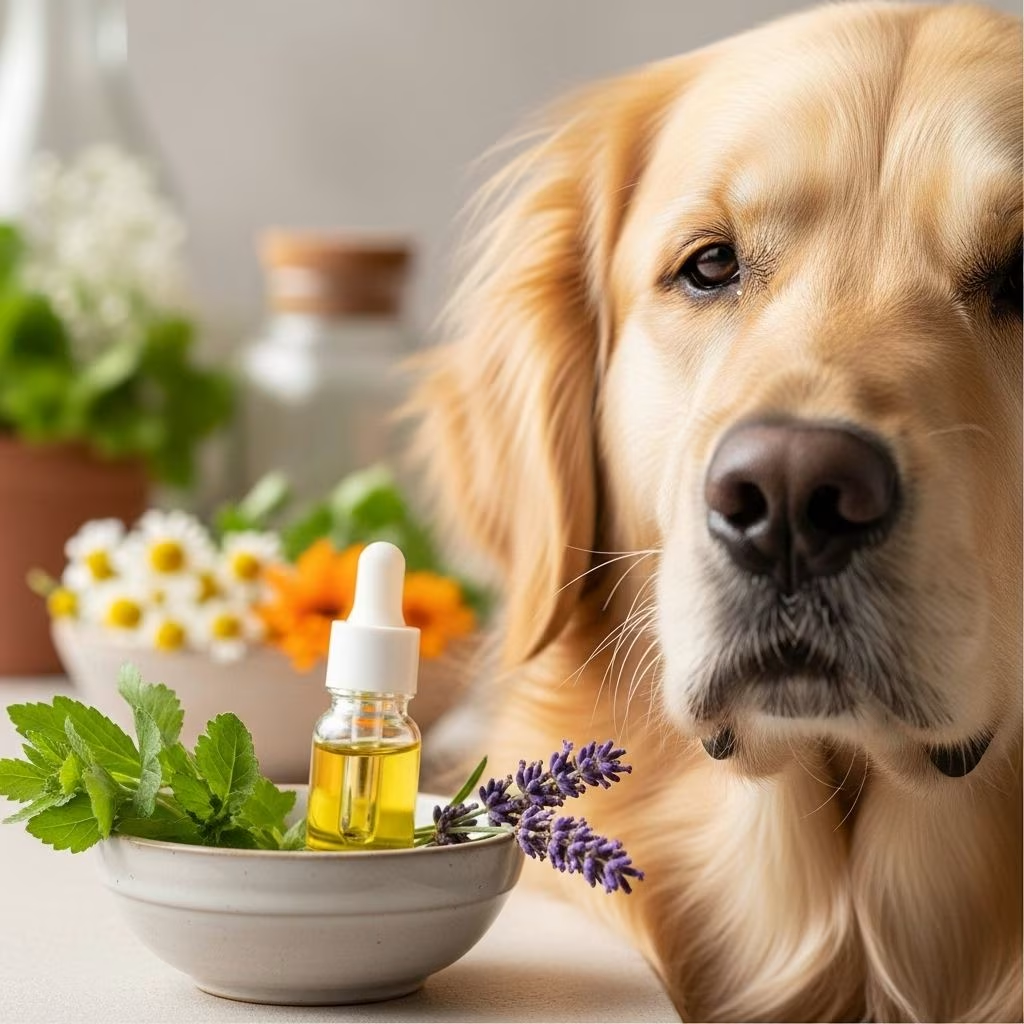
If your dog spends its days scratching, chewing, or licking at itself, allergies may be to blame. Just like humans, dogs can experience allergic reactions from food, environmental factors, or seasonal triggers—and the result is often persistent itchiness, inflamed skin, and general discomfort. While veterinary care is essential for severe symptoms, many pet owners can provide safe relief and improve their dog’s quality of life with simple, natural home remedies. This comprehensive guide covers causes, symptoms, and effective solutions for managing canine allergies, with a special emphasis on vet-approved, natural strategies you can use at home.
Understanding Dog Allergies
Allergies occur when a dog’s immune system overreacts to a harmless substance, triggering an inflammatory response. Allergens vary widely and may encompass ingredients in food, environmental factors like pollen and dust mites, bites from pests, or substances that contact the skin. Dogs can develop allergies at any age, and signs often worsen with repeated exposure.
Common Allergy Types in Dogs
- Environmental allergies: Dust mites, mold spores, pollen, grass, and pet dander.
- Food allergies: Proteins (beef, chicken), grains, and additives.
- Parasite-related allergies: Fleas, mites, and ticks.
- Contact allergies: Chemicals, shampoos, or topical products.
- Seasonal allergies: Typically spike in spring, summer, and winter due to increased pollen, indoor allergens, or dry air.
Why Do Dogs Get Allergies?
An allergy arises from an overactive immune system. When exposed to an allergen, the dog’s body sees it as a threat and releases histamines and other chemicals, which cause the symptoms of itchiness and inflammation.
How to Spot Allergies—Key Signs and Symptoms
Allergy symptoms in dogs often mimic those in humans. The following signs may indicate an allergic reaction:
- Itchy skin and excessive scratching
- Licking or chewing paws, feet, body, or tail
- Rubbing face or body against furniture
- Recurring ear infections or dirty, yeasty ears
- Hair loss, redness, bumps, or scabs
- Runny nose or watery eyes
- Coughing, hacking, or sneezing
- Skin folds, belly, hind end, ears, and paws are commonly affected areas
Seasonal and Winter Allergies
In winter, exposure to indoor allergens such as dust mites, mold spores, and pet dander often increases as windows close and ventilation drops. Cold air and dry indoor heat can further dry out your dog’s skin, exacerbating itchiness and irritation.
Diagnosing Allergies in Dogs
Because dogs’ thick coats can mask physical symptoms, diagnosis may require:
- Thorough veterinary examination, including skin scrapings or ear swabs
- Detailed history of diet, environmental triggers, and medications
- Seasonal pattern tracking
- Skin tests for environmental triggers
- Food elimination trials for dietary allergies
A veterinarian may also check for microbes such as bacteria or yeast, parasites, and evaluate for other health issues that can cause or worsen itchy skin.
Common Conventional Treatments
- Medicated shampoos and topical products: Douxo S3 Calm, anti-itch sprays, wipes, or balms for soothing inflamed skin.
- Oral medications: Antihistamines, corticosteroids, Apoquel, Cytopoint, or immunotherapy for severe cases.
- Antibiotics or antifungals: For secondary infections caused by scratching or licking.
- Flea and tick prevention: Treat and prevent parasite-related itchiness with vet-recommended medications.
- Hypoallergenic diets: For confirmed or suspected food allergies.
Natural Home Remedies for Itchy Skin and Allergies
In mild to moderate cases, natural remedies can provide relief from the symptoms of dog allergies. These methods support skin health, promote healing, and minimize the need for stronger medications.
1. Oatmeal Baths
Oatmeal is soothing, anti-inflammatory, and gentle. Prepare a colloidal oatmeal bath or apply plain, unsweetened oatmeal paste to itchy areas. This helps reduce redness and calms irritated skin.
2. Coconut Oil Rubs
Coconut oil is naturally antimicrobial and hydrates flaky skin. Massage a small amount onto dry or red patches or add a teaspoon to your dog’s food (if approved by your veterinarian).
3. Aloe Vera Gel
Pure aloe vera (without alcohol or additives) gently cools inflamed skin and accelerates healing. Apply a thin layer to the affected area.
4. Epsom Salt Soaks
A mild Epsom salt soak can reduce inflammation and discomfort, especially for sore paws. Rinse thoroughly afterward.
5. Apple Cider Vinegar Solution
Mix equal parts water and apple cider vinegar and spray lightly onto itchy, non-broken skin. This can deter yeast and soothe irritation. Avoid applying to open wounds.
6. Omega-3 and Essential Fatty Acids
Fish oil, flaxseed oil, and other omega-rich supplements help decrease inflammation and support a healthy skin barrier. This approach may take several weeks to yield results.
7. Baking Soda Paste
A simple baking soda and water paste can offer immediate itch relief when applied to small patches of irritated skin. Leave on for 20 minutes before rinsing.
8. Chamomile or Green Tea Rinses
Cool, brewed chamomile or green tea works as a natural anti-inflammatory rinse. Gently bathe problem spots to alleviate itchiness and redness.
9. Calendula Oil
Calendula oil or cream is safe for topical use and recognized for its soothing and healing properties on minor wounds and itchy, inflamed skin.
Environmental and Lifestyle Adjustments
Tweaking your dog’s environment and daily routine can drastically reduce allergen exposure and improve comfort.
- Frequent cleaning: Regularly vacuum carpets, wash bedding, and dust surfaces to minimize indoor allergens like dust mites and mold.
- HEPA air filters: Use these in your home to trap airborne allergens.
- Humidifiers: Combat winter dryness to keep your dog’s skin from flaking or cracking.
- Limit outdoor exposure: During high pollen seasons or after pesticide application, restrict walks.
- Wipe down after outdoor play: Use a damp cloth to remove pollen and outdoor irritants from your dog’s paws and coat.
- Hypoallergenic grooming products: Opt for gentle, unscented shampoos that won’t trigger reactions.
Diet and Nutrition for Allergy Relief
- Hypoallergenic diets: Incorporate novel proteins (such as venison or duck) or hydrolyzed protein formulas for dogs with food allergies.
- Fresh, whole foods: Minimize processed ingredients and additives that may provoke sensitivity.
- Probiotics: Support gut health and immune function, potentially reducing allergic response frequency or severity.
When to See the Veterinarian
While many allergies can be managed at home, always consult your vet if you notice:
- Sudden swelling of the face, muzzle, or lips
- Persistent vomiting or diarrhea
- Open wounds, bleeding, or widespread hair loss
- Difficulty breathing, severe coughing, or collapse
- Recurring ear infections or skin infections not improved by home care
Professional advice is necessary for ongoing or severe allergic reactions. In rare cases, anaphylactic reactions can be life-threatening and require immediate emergency care.
Tracking and Monitoring Allergies
- Record dates, symptoms, diet changes, and environmental triggers to help your vet diagnose and treat allergies more effectively.
- Note seasonal flare-ups and modify your pet’s routine as needed.
Frequently Asked Questions (FAQs)
Can I treat my dog’s allergies at home?
Yes, mild allergy symptoms can often be managed with safe, natural remedies and environmental changes. However, severe or persistent symptoms require veterinary attention.
What natural ingredients help relieve itchy skin?
Oatmeal, coconut oil, aloe vera gel, omega fatty acids, apple cider vinegar (diluted), and calendula oil are commonly used to soothe irritated skin and reduce scratching.
What common household allergens affect dogs?
Indoor dust mites, mold spores, pet dander, pollen, cleaning chemicals, and certain fabrics can be sources of irritation, especially in winter or allergy season.
How long do home treatments take to work?
Some remedies, like oatmeal baths or topical solutions, provide immediate relief, while dietary changes and supplementation (omega-3s, probiotics) may take several weeks for visible improvement.
What if my dog’s itchy skin doesn’t improve?
If your dog’s symptoms do not improve after 14–21 days of home management or worsen, consult your veterinarian to discuss systemic solutions, prescription treatments, or allergy testing.
Summary Table: At-Home Strategies for Dog Allergy Relief
| Remedy | Purpose | Notes |
|---|---|---|
| Oatmeal Bath | Soothes skin, reduces inflammation | Use plain, unsweetened oatmeal |
| Coconut Oil | Moisturizes, antimicrobial | Apply sparingly to avoid greasiness |
| Aloe Vera Gel | Reduces redness, cools skin | Avoid gels with alcohol/additives |
| Epsom Salt Soaks | Relieves paw inflammation | Rinse thoroughly after soaking |
| Apple Cider Vinegar (Diluted) | Anti-itch, fights yeast | Only use on unbroken skin |
| Omega-3 Fatty Acids | Improves skin barrier | Effective long-term with consistent use |
Additional Tips for Managing Dog Allergies
- Always introduce new treatments or dietary changes gradually, monitoring your dog’s reaction.
- Use gentle grooming tools and avoid harsh chemicals in cleaning or bathing products.
- Encourage scratching alternatives, such as durable chew toys, to minimize injury to skin.
- Regular walks and outdoor time may support immune health but be mindful of pollen seasons and environmental triggers.
Conclusion
Allergies in dogs are common, disruptive, and often frustrating, but understanding their causes and symptoms allows pet owners to intervene early. With natural remedies, thoughtful environmental adjustments, and proactive vet partnership, most dogs can experience substantial relief from irritating itchiness and enjoy a return to healthy, happy living. Prioritize your dog’s comfort, consult with your vet, and trust in simple, safe steps to support allergy wellness—at home, year-round.
References
- https://www.petmd.com/dog/general-health/dog-allergic-reaction
- https://thepetlabco.com/learn/dog/health-wellness/dog-winter-allergies
- https://wagwalking.com/wellness/can-dogs-get-allergies
- https://wagwalking.com/condition/itchy-skin
- https://www.youtube.com/watch?v=lo8z-ZnLInY
- https://www.youtube.com/watch?v=f6E5gVSJoQQ
- https://www.youtube.com/watch?v=RYUiDoiIETc
- https://www.youtube.com/watch?v=AumEwi_GO4A
- https://pmc.ncbi.nlm.nih.gov/articles/PMC5809771/


