


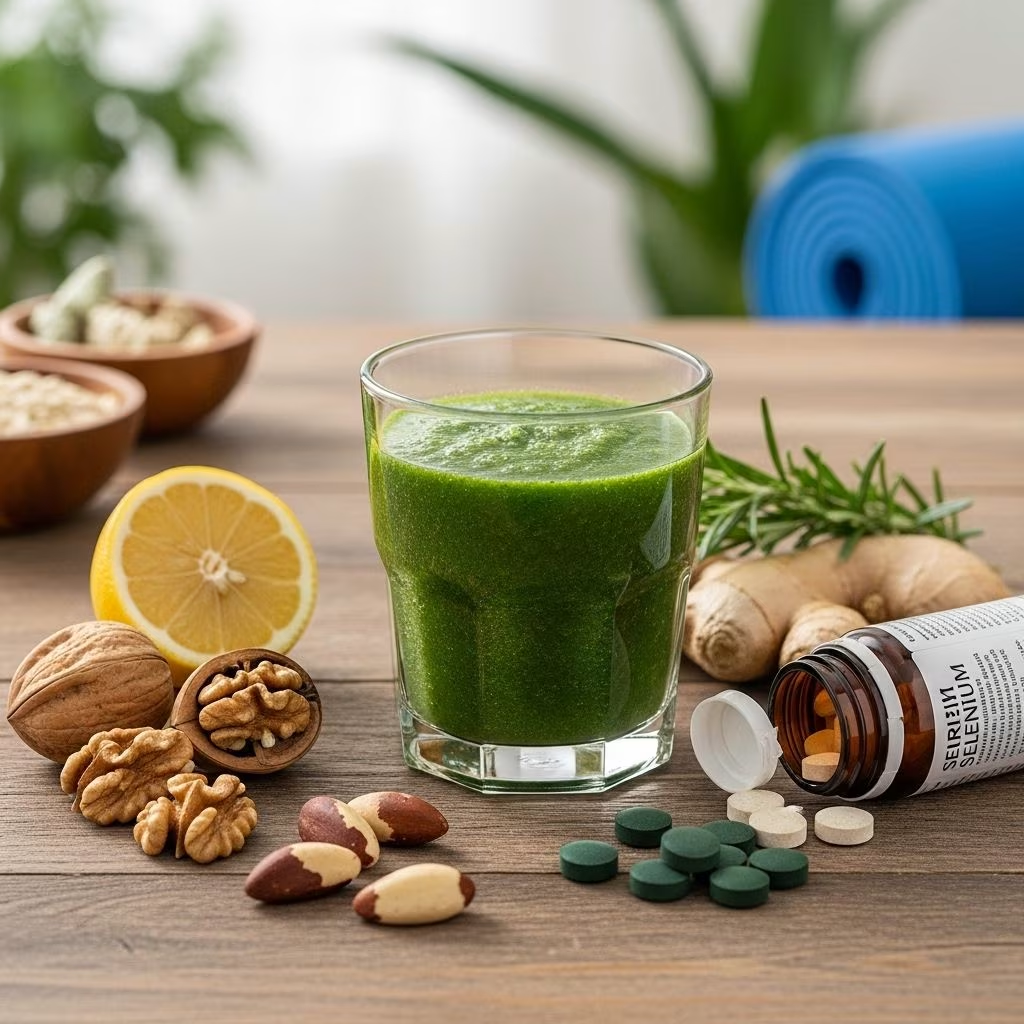
Understanding Thyroid Health
The thyroid gland, a small butterfly-shaped organ in your neck, plays a crucial role in regulating metabolism, energy, mood, and overall health. When the thyroid isn’t functioning properly, it can lead to a range of symptoms, from weight changes and fatigue to mood swings and cognitive issues. Thyroid disorders are common, with hypothyroidism (underactive thyroid) and hyperthyroidism (overactive thyroid) affecting millions worldwide.
Causes and Symptoms of Thyroid Disorders
Thyroid problems can arise from various factors, including autoimmune diseases (like Hashimoto’s thyroiditis or Graves’ disease), iodine deficiency, genetic predisposition, stress, and environmental toxins. Symptoms vary depending on whether the thyroid is overactive or underactive:
- Hypothyroidism (Underactive Thyroid): Fatigue, weight gain, cold intolerance, dry skin, hair loss, constipation, depression, and memory problems.
- Hyperthyroidism (Overactive Thyroid): Weight loss, rapid heartbeat, anxiety, insomnia, heat intolerance, and increased sweating.
Conventional vs. Natural Approaches
The standard treatment for hypothyroidism is thyroid hormone replacement therapy, typically with levothyroxine. For hyperthyroidism, treatments may include antithyroid medications, radioactive iodine, or surgery. While these treatments are effective, some individuals experience side effects or seek complementary approaches to support their thyroid health.
Natural remedies are not a replacement for medical treatment but can be used alongside conventional therapies to help manage symptoms, improve quality of life, and address potential nutrient deficiencies.
Diet and Thyroid Health
Nutrition plays a vital role in thyroid function. A balanced diet rich in specific nutrients can support the thyroid and mitigate symptoms.
Key Nutrients for Thyroid Health
| Nutrient | Role | Food Sources |
|---|---|---|
| Iodine | Essential for thyroid hormone production | Seaweed, fish, dairy, eggs, iodized salt |
| Selenium | Protects the thyroid from oxidative damage | Brazil nuts, seafood, poultry, eggs |
| Zinc | Supports hormone synthesis | Beef, shellfish, legumes, seeds |
| Vitamin B12 | Supports energy metabolism; deficiency common in hypothyroidism | Meat, fish, eggs, dairy, fortified cereals |
| Tyrosine | Building block for thyroid hormones | Meat, dairy, eggs, nuts, seeds |
Foods to Avoid
- Goitrogenic Foods: Raw cruciferous vegetables (e.g., kale, broccoli, Brussels sprouts) may interfere with thyroid function if consumed in excess, especially in individuals with iodine deficiency.
- Gluten: Some evidence suggests that a gluten-free diet may benefit individuals with Hashimoto’s thyroiditis.
- Sugar and Processed Foods: These can exacerbate inflammation and weight gain, common issues in hypothyroidism.
Herbal and Supplemental Support
Several herbs and supplements may offer additional support for thyroid health. Always consult a healthcare provider before starting any new supplement regimen, especially if you are on thyroid medication.
Ginger
Ginger (Zingiber officinale) has shown promise in improving symptoms of hypothyroidism, such as cold intolerance, constipation, and dry skin. In clinical studies, ginger supplementation was associated with improved TSH levels and reductions in body weight, blood sugar, and cholesterol.
- Recommended Dose: 500 mg twice daily for at least 30 days.
- Potential Side Effects: Heartburn, diarrhea, mouth irritation.
Black Seed (Nigella sativa)
Black seed, or black cumin, may benefit those with Hashimoto’s thyroiditis. Research indicates reductions in BMI, TSH, and thyroid antibodies, along with increased T3 levels after supplementation.
- Recommended Dose: 2 grams of Nigella sativa powder daily for 8 weeks.
- Potential Side Effects: Allergic reactions, upset stomach, vomiting, constipation.
Ashwagandha
An adaptogenic herb used in Ayurvedic medicine, ashwagandha may help balance thyroid hormones, support the conversion of T4 to T3, and reduce inflammation in autoimmune thyroid conditions.
- Recommended Dose: 600 mg once daily for 8 weeks.
Thyroid Synergy™ and Multinutrient Formulas
Comprehensive thyroid support formulas often combine essential nutrients such as iodine, selenium, zinc, vitamin A, and tyrosine, along with adaptogenic herbs like ginseng and forskolin.
Probiotics and Gut Health
Emerging research suggests a link between gut health and thyroid function. Probiotics may help improve digestion and reduce systemic inflammation, potentially benefiting those with thyroid disorders.
Lifestyle Modifications for Thyroid Health
Beyond diet and supplements, several lifestyle changes can support thyroid function and overall well-being.
Stress Management
Chronic stress can negatively impact thyroid function. Practices such as yoga, meditation, deep breathing, and regular physical activity can help manage stress and support hormonal balance.
Exercise
Regular, moderate exercise can help boost metabolism, reduce weight gain, and improve mood—common concerns in hypothyroidism. Aim for a mix of cardiovascular, strength, and flexibility training.
Sleep Hygiene
Quality sleep is essential for hormone regulation. Aim for 7–9 hours of sleep per night and maintain a consistent sleep schedule.
Environmental Toxins
Reduce exposure to environmental toxins, such as heavy metals and endocrine-disrupting chemicals, which may interfere with thyroid function.
Monitoring and Working with Your Healthcare Provider
Natural remedies should complement, not replace, conventional medical treatment. Regular monitoring of thyroid function (via blood tests) is essential to ensure that your treatment plan is effective. Always discuss any dietary changes, supplements, or herbs with your healthcare provider, especially if you are taking thyroid medications, to avoid interactions and ensure safety.
Frequently Asked Questions (FAQs)
Q: Can natural remedies cure thyroid disorders?
A: Natural remedies can help manage symptoms and support thyroid health, but they are not a cure for thyroid disorders. Conventional medical treatment is usually necessary for optimal management.
Q: Are there foods I should avoid if I have a thyroid condition?
A: Some individuals may need to limit raw cruciferous vegetables and soy products, especially if they have iodine deficiency. A gluten-free diet may benefit those with Hashimoto’s thyroiditis.
Q: How long does it take to see improvements with natural remedies?
A: Results vary depending on the individual and the remedy. Some people report symptom relief within weeks, while others may take several months to notice changes. Consistency and a holistic approach are key.
Q: Can I take supplements if I’m on thyroid medication?
A: Certain supplements (e.g., iron, calcium) can interfere with thyroid medication absorption. Always consult your healthcare provider before starting any supplements.
Q: Is iodine supplementation safe for everyone with thyroid issues?
A: Iodine supplementation is generally safe for those with iodine deficiency but can be harmful in autoimmune thyroid disease or hyperthyroidism. Consult your doctor before supplementing.
Summary and Key Takeaways
Thyroid health is influenced by a complex interplay of genetics, diet, lifestyle, and environmental factors. While conventional medical treatment remains the cornerstone for managing thyroid disorders, natural remedies—such as a nutrient-rich diet, targeted supplements, herbal therapies, and stress-reducing practices—can provide valuable complementary support.
- Focus on a balanced diet rich in iodine, selenium, zinc, and B vitamins.
- Consider herbal supplements like ginger, black seed, and ashwagandha under professional guidance.
- Adopt healthy lifestyle habits including regular exercise, stress management, and quality sleep.
- Work closely with your healthcare provider to monitor thyroid function and adjust treatment as needed.
By taking a proactive, holistic approach, you can optimize your thyroid health and enhance your overall well-being.
References
- https://www.btf-thyroid.org/diets-and-supplements-for-thyroid-disorders
- https://www.endocrinemds.com/blogs/how-to-keep-your-thyroid-healthy-for-optimal-well-being/
- https://www.healthline.com/health/hypothyroidism/five-natural-remedies-for-hypothyroidism
- https://www.rupahealth.com/post/a-comprehensive-guide-to-thyroid-supporting-supplements
- https://www.mayoclinic.org/diseases-conditions/hypothyroidism/expert-answers/hypothyroidism-diet/faq-20058554
- https://pmc.ncbi.nlm.nih.gov/articles/PMC11607114/
- https://supremevascular.com/conditions-and-treaments/thyroid-nodules/how-to-treat-thyroid-problems-naturally-at-home/
- https://www.myovacare.com/blogs/news/thyroid-health-guide
- https://www.phyathai.com/en/article/2837-5_foods_that_improves_your_thyroid_hormone_pyt3


