


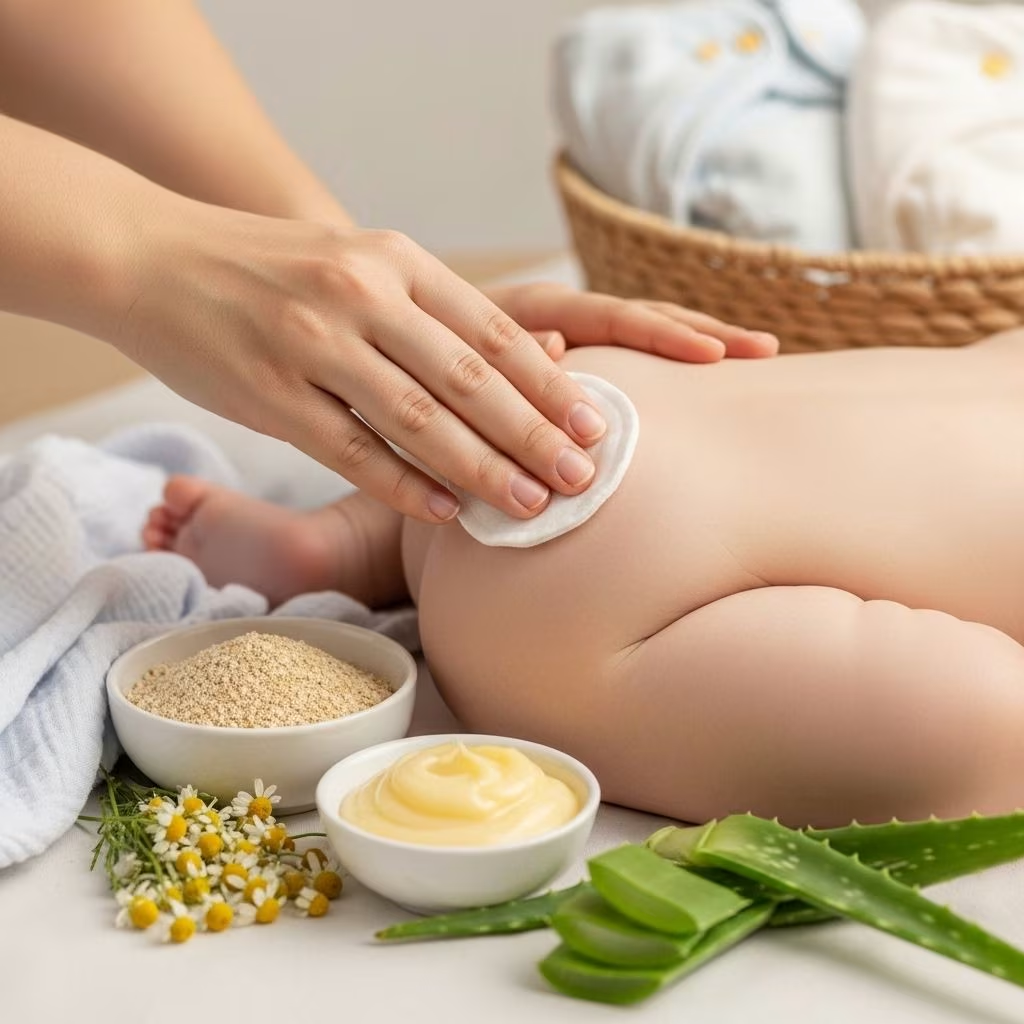
Home Remedies for Diaper Rash
Diaper rash is a common skin irritation among infants and toddlers, often characterized by redness, discomfort, and inflammation in the diaper area. While over-the-counter creams are widely used, many parents seek natural solutions to prevent and heal diaper rash safely and gently. This guide explores the most researched and parent-approved home remedies, prevention strategies, and answers to frequently asked questions concerning diaper rash.
Understanding Diaper Rash
Diaper rash can develop due to various factors such as prolonged moisture, friction, contact with urine or stool, sensitivity to diapers, or reactions to baby wipes and detergents. Identifying the root cause is crucial for effective treatment. While mild cases resolve with home care, persistent or severe rashes may require medical attention.
Most Recommended Home Remedies for Diaper Rash
- Breast Milk: Rich in antibacterial and anti-inflammatory properties, applying a few drops of human breast milk to the affected area after diaper changes can help reduce irritation and promote healing. Allow it to air dry for best results.
- Airflow (Diaper-Free Time): Exposing the diaper area to air is highly effective. Lay your baby on a clean towel or waterproof mat for short periods between changes to let the skin breathe and dry out.
- Coconut Oil: Known for its moisturizing and mild antimicrobial properties, coconut oil can be gently applied as a thin layer on clean, dry skin to soothe irritation and form a protective barrier.
- Aloe Vera: Pure aloe vera gel may offer anti-inflammatory benefits. If using, ensure the gel is 100% pure (avoiding commercial products with alcohol or preservatives) and consult your doctor prior to use.
- Oatmeal Baths: Colloidal oatmeal—ground plain oatmeal added to a lukewarm bath—provides anti-inflammatory relief and gently soothes the skin. Ideal for babies with sensitive or irritated skin.
- Baking Soda Paste: Mixing baking soda with water to create a mild paste and applying it to the affected area can help neutralize acidity and reduce inflammation. Rinse off completely at the next diaper change.
- Natural Diaper Rash Creams: Choose creams with ingredients such as zinc oxide, calendula, or chamomile. These natural substances help soothe, reduce inflammation, and protect the skin from further irritation.
Remedies to Use with Caution
- Cornstarch: While it absorbs moisture, pediatric dermatologists do not recommend cornstarch, especially if yeast diaper rash is suspected. Cornstarch may promote the growth of Candida albicans.
- Essential Oils: Some sources suggest using oils like tea tree oil; however, undiluted essential oils can cause irritation, burns, and allergic reactions in infants. Pediatricians generally advise against their use.
Practical Steps for Prevention and Care
- Frequent Diaper Changes: Change diapers promptly after wetting or soiling to minimize prolonged moisture exposure, a primary cause of diaper rash.
- Gentle Cleansing: Use mild, fragrance-free baby wipes or lukewarm water and a soft cloth. Avoid wipes with alcohol or harsh chemicals to reduce irritation.
- Use Protective Creams: Apply a thin layer of natural or zinc oxide-based cream during every diaper change to form a barrier and aid healing.
- Monitor for Allergens: If the rash persists, consider switching diaper brands or laundry detergents, as some products may cause allergic reactions.
- Avoid Tight Diapers: Use well-fitted diapers that allow good airflow and do not compress or rub the skin excessively.
| Remedy | How It Works | Caution |
|---|---|---|
| Breast Milk | Antibacterial, anti-inflammatory; soothes and heals | Safe for most; consult doctor if rash persists |
| Airflow (Diaper-Free Time) | Prevents moisture build-up; allows skin to breathe | Monitor baby to prevent messes; short periods only |
| Coconut Oil | Moisturizes and protects; mild antimicrobial | Check for coconut allergy |
| Aloe Vera (Pure) | Reduces inflammation, soothes skin | Use only pure gel; avoid additives |
| Oatmeal Bath | Reduces irritation; gentle cleansing | Rinse thoroughly after bath |
| Baking Soda Paste | Neutralizes acidity, eases discomfort | Remove fully during next change |
| Cornstarch | Absorbs moisture | May promote yeast; not recommended by experts |
| Essential Oils | Some claim benefits | Strongly discouraged for babies due to irritation risk |
When to Seek Medical Advice
Most diaper rashes respond well to three days of consistent home care, including increased airflow and gentle cleansing. However, contact a healthcare provider if:
- The rash lasts longer than several days despite treatment.
- The rash is severe, spreads, or develops blisters or open sores.
- There are signs of yeast infection (bright red rash, possible satellite spots).
- Your baby seems very uncomfortable, is in pain, or has a fever.
Common Causes of Diaper Rash
- Moisture: Prolonged exposure to urine or stool creates a damp environment, leading to irritation.
- Friction: Tight diapers or repeated rubbing can damage sensitive skin.
- Chemical Sensitivity: Reaction to wipes, detergents, lotions, or certain brands of diapers.
- Yeast or Bacterial Infections: May develop after antibiotics or if the area remains moist.
- Diarrhea: Frequent bowel movements increase the risk and severity of rashes.
Pain Relief Strategies
- Cool Compresses: Apply a clean, cool damp cloth to the affected area for a few minutes before gentle drying.
- Oatmeal Bath: As noted above, this soothes inflammation and relieves discomfort.
- Protective Creams: Ensure a barrier is always present, especially at night when diaper changes are less frequent.
Frequently Asked Questions (FAQs)
Q: What is the fastest way to treat diaper rash?
A: Frequent diaper changes, increased airflow (diaper-free time), gentle cleansing, and applying a protective barrier cream or breast milk are typically the most effective steps for fast relief.
Q: Can diaper rash be prevented completely?
A: While occasional rashes are common, consistent hygiene practices—prompt diaper changes, gentle cleansing, and using natural protective creams—significantly reduce the risk.
Q: When should I call a doctor about diaper rash?
A: If the rash is severe, lasts more than three days despite home care, appears infected, or is accompanied by blisters, fever, or discomfort, seek medical advice immediately.
Q: Are home remedies safe for all babies?
A: Most natural remedies are safe when used correctly, but always test a small area first and consult a pediatrician if your baby has allergies, sensitive skin, or underlying conditions.
Q: Are baby wipes safe to use on diaper rash?
A: Only use soft, fragrance-free, alcohol-free wipes, or clean water with a soft cloth. Harsh wipes can aggravate irritation.
Expert Tips for Parents
- Practice diaper-free time daily, even for just a few minutes, to allow healing and prevent rashes.
- Choose diapers that fit well but do not rub or compress skin. Consider trying different brands if rashes occur frequently.
- Avoid powders, cornstarch, and essential oils unless advised by your doctor.
- If your baby develops a yeast rash after antibiotics, consult your healthcare provider for appropriate treatment.
Summary Table: Home Remedies and Their Effectiveness
| Remedy | Effectiveness | Expert Recommendation |
|---|---|---|
| Breast Milk | High for mild cases | Widely recommended, safe, and natural |
| Airflow | High | Highly recommended; prevents moisture |
| Coconut Oil | Medium | Generally safe; check for allergies |
| Oatmeal Baths | Medium | Gentle relief for sensitive skin |
| Zinc Oxide Creams | High | Expert preferred for barrier protection |
| Aloe Vera (Pure) | Medium | Consult doctor before use |
| Baking Soda Paste | Medium | Occasional use, rinse thoroughly |
Conclusion
Diaper rash is a treatable condition that can often be managed effectively at home using safe, natural remedies and preventive measures. Always prioritize gentle care and consult your baby’s healthcare provider if you have concerns about the severity or persistence of a rash. Adopting these practices will help keep your baby’s skin healthy, comfortable, and rash-free.
References
- https://www.pampers.com/en-us/baby/diapering/article/diaper-rash-home-remedies
- https://www.toplinemd.com/childrens-medical-center-south-florida/natural-remedies-for-diaper-rash/
- https://www.mustelausa.com/blogs/mustela-mag/natural-diaper-rash-remedies
- https://www.healthline.com/health/home-remedies-diaper-rash
- https://www.mayoclinic.org/diseases-conditions/diaper-rash/diagnosis-treatment/drc-20371641
- https://www.seattlechildrens.org/conditions/a-z/diaper-rash/
- https://my.clevelandclinic.org/health/diseases/11037-diaper-rash-diaper-dermatitis
- https://myhealth.alberta.ca/Health/aftercareinformation/pages/conditions.aspx?hwid=tw12181
- https://www.medicalnewstoday.com/articles/322472


