


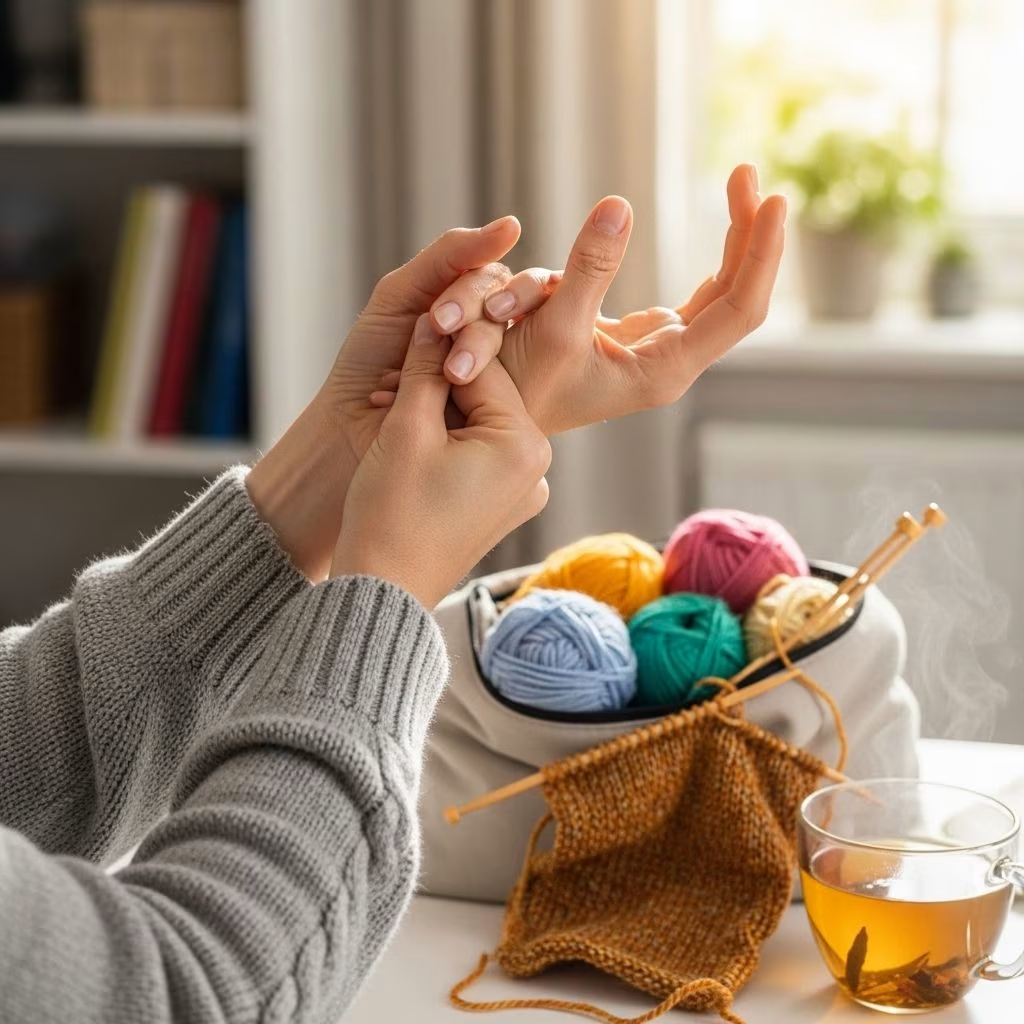
Introduction to Exercises for Knitters
Knitting is a delightful hobby that can be both creative and meditative, but it can also lead to discomfort and pain in the hands, fingers, and wrists due to repetitive motions. To maintain comfort and prevent injuries, it is important to incorporate exercises into your routine. Here, we explore several essential exercises to help knitters keep their hands and fingers healthy and flexible.
Finger Stretch
The finger stretch is a simple yet effective exercise that can be done during knitting breaks. It involves curling your fingers into your palm and then releasing them one by one. This exercise helps maintain finger flexibility and prevents stiffness.
- Start with your hands stretched out in front of you, palms facing up.
- Curl in both pinky fingers toward the center of your palm, then follow with your ring fingers, your middle fingers, and index fingers.
- Once these fingers are all curled into your palm, cross your thumbs over the top.
- Hold for a couple of seconds, take a deep breath, then release your thumb, opening wide, then one at a time, release the rest of your fingers in order.
- Stretch all your fingers, opening your hands as wide as possible.
- Repeat this exercise 8 times.
Finger Spreads
Finger spreads are another beneficial exercise for maintaining finger flexibility. This involves spreading and then curling your fingers into a fist.
- Hold your hand out in front of you and keep it relaxed.
- Spread all five fingers out as wide as they can possibly go and hold this position for a few seconds.
- Pull your fingers back in tight and curl them into a fist. Squeeze and hold for a few seconds.
- Repeat a few times to loosen your hands and fingers up before resuming your work.
Wrist Flex and Extend
This classic exercise helps loosen up the wrist after prolonged knitting or sewing activities. It is particularly useful for those who experience wrist pain or stiffness.
Here’s how to do it:
- Flex your wrist, curling it in toward your forearm, hold and squeeze.
- Then extend it, stretching it backward as far as it will comfortably go (and hold and squeeze!).
This exercise is also beneficial for individuals with carpal tunnel syndrome.
Reverse Prayer Hands
The reverse prayer hands exercise is excellent for relieving wrist and upper back pain. It involves stretching your arms behind you and rotating your palms.
Instructions:
- Keep your spine long and as you inhale, bring your arms behind you.
- Exhale and with the next inhale, point the palms of your hands toward each other as you rotate your arms.
- Relax and take a few deep breaths.
- At the next inhale, rotate the tips of your fingers along your spine as you open your chest.
- With your hands in the prayer stance behind you, take a few more deep breaths before relaxing.
- Do this every 45 – 60 minutes when engaged in sewing or knitting.
A variation of this exercise can be done in front of the body by bringing your hands together at your chest as if praying, then rotating your fingers down toward the ground. This will provide an excellent stretch for your wrists and forearms.
Additional Tips for Knitters
Beyond these exercises, there are several tips that can help maintain comfort and prevent injuries while knitting:
- Avoid Compression at the Wrist: Be mindful not to rest your wrists on surfaces like tables or laptops, as this can lead to strain.
- Listen to Your Body: Pay attention to signs of fatigue or discomfort and take regular breaks to rest your hands.
- Adjust Your Workspace Ergonomically: Ensure your knitting area is set up to promote good posture and reduce strain on your hands and wrists.
Frequently Asked Questions (FAQs)
Q: How often should I do these exercises?
A: It is recommended to perform these exercises every 30 minutes to an hour while knitting or sewing to maintain flexibility and reduce strain.
Q: Are these exercises suitable for beginners?
A: Yes, these exercises are suitable for anyone, regardless of their knitting experience. They are designed to be simple and accessible, making them perfect for beginners.
Q: Can these exercises help with carpal tunnel syndrome?
A: Yes, exercises like the wrist flex and extend can be beneficial for individuals with carpal tunnel syndrome by helping to reduce strain on the wrist.
Conclusion
By incorporating these exercises into your knitting routine, you can significantly reduce the risk of discomfort and injury, ensuring that knitting remains a joyful and fulfilling activity. Remember to stay proactive about your hand and wrist health to keep knitting comfortably for years to come.
References
- https://trustyspotter.com/blog/exercises-for-knitters/
- https://blog.weareknitters.com/knitters-life/hand-exercises-for-knitters/
- https://www.moderndailyknitting.com/community/knitting-comfortably-simple-stretches/
- https://www.youtube.com/shorts/EiUQf99bU1Y
- https://www.symfonieyarns.com/basic-exercises-for-knitters-and-crocheters
- https://mysisterknits.com/blog/2019/5/2/ergonomic-stretches-knitters
- https://www.interweave.com/article/knitting/ergonomics-for-knitters/
- https://newwaveknitting.com/blogs/nwk-blog/the-best-stretches-and-strengthening-exercises-for-knitters
- https://www.youtube.com/watch?v=TF1a66xTxG0


