


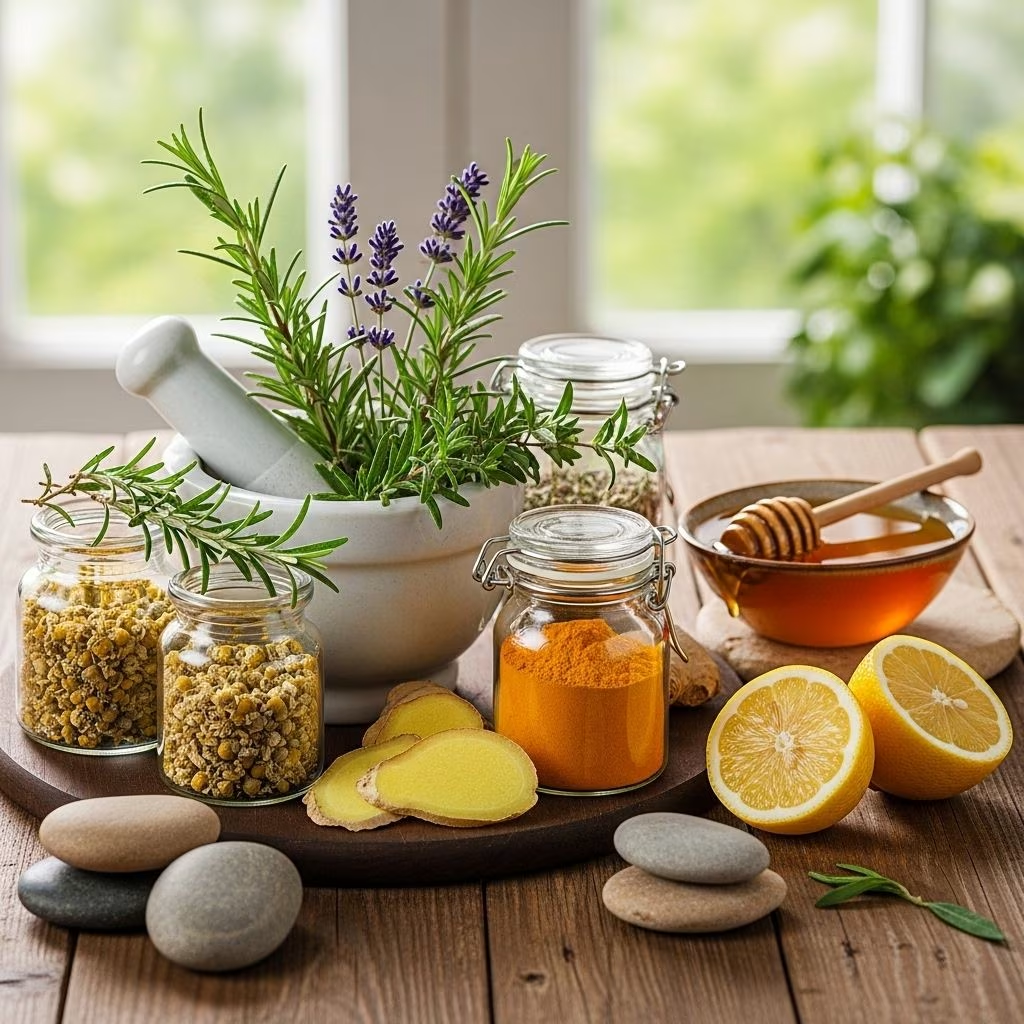
Natural Remedies for Everyday Aches and Pains
Chronic aches and occasional pains are a reality for many people, often stemming from physical activity, age-related wear, injuries, or conditions such as arthritis, fibromyalgia, and bursitis. While pharmaceutical interventions are commonly used, natural remedies are increasingly popular due to their minimal side effects and whole-body benefits. This comprehensive guide explores science-backed alternatives—from herbal supplements and nutrition to therapeutic lifestyle practices—that can ease both acute and chronic pain.
Understanding Common Aches and Pains
Body pain can result from a variety of causes, including:
- Arthritis: Inflammation of joints, often producing swelling and stiffness.
- Muscle Overuse: Exercise or repetitive movements leading to soreness.
- Tendinitis and Bursitis: Tissue inflammation around joints.
- Illness: Viral infections (such as flu or COVID-19), which can produce widespread aches.
- Fibromyalgia: Chronic musculoskeletal pain with fatigue and sleep problems.
Identifying the root cause is essential for targeted relief. However, several holistic remedies can alleviate discomfort for a wide array of conditions.
Herbal Remedies for Pain Relief
Nature has long provided potent pain relief solutions through plants and herbs. Here are science-backed herbal options for managing pain:
Turmeric
Turmeric, rich in curcumin, is renowned for its anti-inflammatory and antioxidant properties. Studies show curcumin is as effective as some pharmaceutical anti-inflammatory drugs, especially for joint and muscle pain associated with arthritis and osteoarthritis.
Usage:
- As a supplement (capsules or tablets)
- Added to tea (often with black pepper for improved absorption)
- Mixed into foods or golden milk
Ginger
Ginger contains gingerols and shogaols—natural compounds with significant anti-inflammatory and analgesic effects. Research suggests ginger relieves muscle pain, osteoarthritis, and menstrual cramps, making it suitable for both chronic and acute conditions.
Benefits:
- Supports digestive health
- Reduces nausea (especially relevant if pain is linked to gastrointestinal issues)
- Lowers post-exercise muscle soreness
Willow Bark
Praised as “nature’s aspirin,” willow bark contains salicin—a chemical similar to the active ingredient in aspirin. Traditionally used to treat headaches, low back pain, and joint pain, it has proven anti-inflammatory and analgesic effects.
Note: May not be suitable for individuals with aspirin sensitivities or certain medical conditions.
Capsaicin
Derived from chili peppers, capsaicin blocks pain signals by desensitizing nerve receptors. Commonly found in creams or patches for topical use, it is effective for:
- Arthritis
- Nerve pain
- Muscle aches
| Herbal Remedy | Main Benefit | Recommended Use |
|---|---|---|
| Turmeric | Reduces inflammation, joint pain | Supplement, tea, food |
| Ginger | Anti-inflammatory, digestive aid | Tea, supplement, food |
| Willow Bark | Headache, back and joint pain | Herbal extract, tea |
| Capsaicin | Blocks pain signals | Topical cream/patch |
Holistic Lifestyle Strategies for Natural Pain Relief
Natural remedies for pain also include lifestyle modifications that promote overall physical and mental wellbeing.
Gentle Exercise and Movement
- Walking, Swimming, Yoga: Regular movement can strengthen muscles, improve joint flexibility, and block pain signals to the brain.
- Stretching: Supports range of motion and reduces stiffness.
- Physical Therapy: Tailored exercise regimens can correct posture and balance, preventing further injury.
Being sedentary often increases pain; thus, mild activity is highly recommended for chronic pain management.
Heat and Cold Therapy
- Heat: Aids in increasing blood flow, relaxing muscles, and reducing joint stiffness. Hot water bottles, heating pads, and warm baths are commonly used for relief from menstrual cramps and osteoarthritis.
- Cold: Decreases inflammation and numbs pain by constricting blood vessels. Ice packs are most effective for acute injuries, sprains, and swelling.
- Alternating Heat and Cold: Can optimize pain relief for some conditions by leveraging the benefits of both methods.
Massage Therapy
- Relaxes muscle tension and spasms.
- May disrupt the stress-pain cycle by promoting overall relaxation.
- Professional massages or at-home tools can be beneficial, though scientific evidence for lasting pain relief is mixed.
Epsom Salt Soaks
A warm bath with Epsom salts is a classic remedy for sore muscles and joints, offering relaxation and delivering magnesium to reduce inflammation and spasms.
- Add 2 cups of Epsom salts to warm bathwater
- Soak for at least 20 minutes
- Repeat as needed for sustained relief
Dietary and Supplemental Approaches to Pain Management
Nutrition plays a critical role in preventing and alleviating chronic pain. Key dietary strategies include:
- Anti-inflammatory Diet: Emphasize fruits, vegetables, whole grains, nuts, and seeds. Omega-3 fatty acids, abundant in fatty fish, further lower inflammation.
- Herbal Supplements: Turmeric, ginger, and willow bark can provide an added boost, but always consult a healthcare professional before beginning new supplements.
- Hydration: Ensures joint lubrication and reduces muscle cramps.
- Magnesium-Rich Foods: Leafy greens, nuts, and seeds can help prevent muscle spasms.
Medical Cannabis & CBD
CBD oil has gained acceptance as a remedy for fibromyalgia, multiple sclerosis, and inflammatory conditions. While individual results and product quality vary, many users report reduced joint pain and muscle stiffness. Always consult a medical provider before use.
Mindfulness, Meditation, and Sleep for Pain Reduction
Psychological and behavioral strategies are vital in the holistic management of pain, with proven benefits across pain conditions.
Mindfulness & Meditation
- Assist in reframing pain perception, reducing stress, and improving mental health.
- Practices include guided sessions, breath exercises, and body scans.
- Research suggests regular meditation enhances feelings of calm and reduces pain intensity.
Proper Sleep Hygiene
- Sleep deprivation is known to worsen chronic pain.
- Establish consistent bedtime routines and a restful environment for optimal healing.
Additional Natural Remedies and Alternative Therapies
- Acupuncture: Insertion of fine needles at specific body points can stimulate natural painkillers and improve energy flow.
- Essential Oils: Oils like peppermint, eucalyptus, marjoram, and lemongrass—when diluted appropriately—may relieve muscle pain and inflammation.
- Collagen: Supplements may benefit joint health for some individuals.
- Boswellia: Also known as Indian frankincense, Boswellia is a strong natural anti-inflammatory herb used traditionally for joint pain.
Comparison Table: Popular Natural Remedies for Pain
| Remedy | Primary Use | Best For | Key Mechanism |
|---|---|---|---|
| Turmeric | Reduce inflammation | Joint pain, arthritis | Blocks inflammatory pathways |
| Ginger | Muscle & digestive pain | Muscle soreness, GI-related pain | Anti-inflammatory compounds |
| Capsaicin | Topical analgesia | Nerve pain, arthritis | Desensitizes nerve endings |
| Willow Bark | Analgesia | Back pain, headaches | Salicin acts as aspirin |
| CBD | Reduces inflammation | Fibromyalgia, MS, joint pain | Modulates pain signaling |
| Heat/Cold Therapy | Physical soothing | Acute injury, muscle strain | Alters blood flow/inflammation |
| Massage | Muscle tension relief | Muscular aches, stress | Promotes relaxation |
Frequently Asked Questions (FAQs)
Q: What is the best natural remedy for arthritis pain?
A: Turmeric and ginger have strong evidence for reducing joint inflammation and pain, especially in osteoarthritis and rheumatoid arthritis. Topical capsaicin creams are also effective for joint-related pain relief.
Q: Can natural remedies replace medication?
A: In some cases, natural remedies can reduce reliance on pain medications, but consult a healthcare provider before discontinuing any prescribed drug. Many therapies are best used in conjunction with conventional treatments.
Q: Is Epsom salt soak safe for children?
A: Epsom salt baths are generally safe for older children under adult supervision. Avoid for infants and consult a healthcare provider for concerns about skin sensitivity or underlying conditions.
Q: How quickly do herbal remedies work?
A: Relief from herbal remedies can range from minutes (with topical capsaicin) to weeks (with turmeric/ginger supplementation). Consistency and correct dosing improve outcomes.
Q: Are there risks associated with natural pain remedies?
A: Some herbs (e.g., willow bark, CBD) may interact with medications or be unsuitable for certain individuals (pregnant, allergic, or chronically ill). Consult a healthcare professional before starting any new treatment.
Key Takeaways
- Natural remedies—including herbs, nutrition, movement, thermal therapy, and mindfulness—can safely reduce everyday aches and pains.
- Turmeric, ginger, willow bark, and capsaicin are among the most studied, effective herbal solutions for pain management.
- Lifestyle practices such as regular exercise, sleep hygiene, and meditation amplify the benefits of natural interventions.
- Consult with healthcare providers before beginning new supplements or therapies, especially if you have chronic conditions or use medications.
Final Tips for Managing Aches and Pains Naturally
The journey to pain relief is highly individual. Experimenting with different remedies—in consultation with qualified professionals—will empower you to find the most effective approach tailored to your needs. Tracking your symptoms, maintaining a holistic routine, and embracing gentle therapies can help restore vitality and comfort in daily life.
References
- https://www.healthline.com/health/home-remedies-for-body-pain-and-tiredness
- https://lyphe.com/best-herbs-for-pain-relief
- https://roguecommunityhealth.org/healthy-living/manage-chronic-pain/
- https://www.verohealthcenter.com/muscle-joint-and-body-aches/
- https://utswmed.org/medblog/supplements-for-back-joint-muscle-pain/
- https://www.nhs.uk/live-well/pain/10-ways-to-ease-pain/
- https://www.jeffersonhealth.org/your-health/living-well/dealing-with-common-aches-pains-as-we-age
- https://glycanage.com/blog/health/natural-remedies-for-muscle-pain
- https://www.healthline.com/health/pain-relief/surprising-natural-pain-killers


