


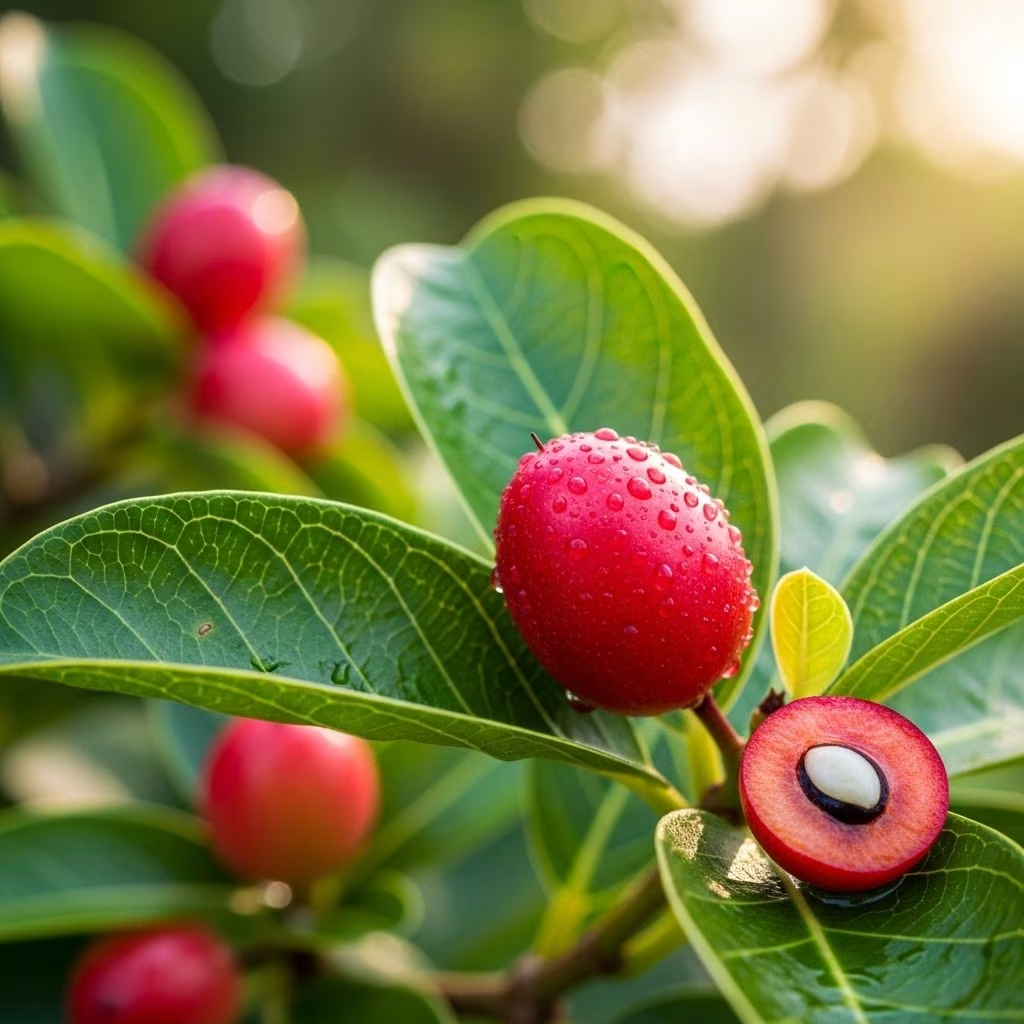
Introduction to Miracle Fruit
Miracle fruit, scientifically known as Synsepalum dulcificum, is a small red berry native to West Africa. Its unique property comes from the protein miraculin, which temporarily alters taste perception—turning sour and acidic foods into sweet delights. This phenomenon, often called “flavor tripping,” has made miracle fruit a popular novelty at tasting parties and a curiosity for culinary enthusiasts and those seeking low-calorie sugar alternatives.
The Science Behind Flavor Tripping
Miraculin, the active glycoprotein in miracle fruit, binds to the sweet receptors on your tongue and modifies their responsiveness to acids. After consuming the fruit (or tablets made from it), typically sour foods like lemons, limes, and grapefruit can taste as sweet as candy, often for 30 minutes to two hours. This effect is temporary and completely safe for most people, though it may vary based on individual physiology.
How to Use Miracle Fruit
- Fresh Berries: Chew the pulp slowly, coating your tongue before spitting out the seed. Wait a few minutes for the effect to begin.
- Tablets: Allow a tablet to dissolve on your tongue. These are widely available and easy to use for flavor tripping at home.
- Juice: While not as common, some recipes involve blending the berries into a juice preparation, though this is more traditional in some cultures than for flavor tripping.
What to Eat with Miracle Fruit
(Expand this section for your full HTML article; each bullet can be detailed into a paragraph or list for depth.)
- Citrus Fruits: Lemons and limes transform into sweet, candy-like treats.
- Tomatoes: Can take on a sweet, almost dessert-like quality.
- Hot Sauces & Vinegar: Tabasco may taste like a hot glazed donut; vinegar can become “spicy water” or even sweeter.
- Cheeses: Goat cheese or cottage cheese can taste like cake frosting or cheesecake.
- Pickles: Sour pickles may taste like candy.
- Salt & Vinegar Chips: Become sweet and salty, reminiscent of sweet n’ sour sauce.
- Blue Cheese & Mustard: The moldy tang is softened, and mustards become sweet.
- Beer (Guinness): Can taste like chocolate milk.
- Other Surprises: Soy sauce, ketchup, sour cream, strawberries, cherries, watermelon, kiwi, and grapefruit all undergo dramatic flavor changes.
Top Miracle Fruit Recipes
(Each recipe can be detailed with ingredients, step-by-step instructions, and serving suggestions. Expand each for your full HTML content.)
- Flavor Tripping Fruit Platter: A colorful spread of citrus, berries, pickles, cheeses, and chips for communal tasting.
- Cherry Coca-Cola Elixir: Mix 2 tsp balsamic vinegar, 1 tsp maraschino cherry juice, and 8 oz carbonated water for a unique soda.
- Birthday Pancake: Top pancakes with cottage cheese, goat cheese, and rainbow sprinkles for a surreal, cake-like breakfast.
- Miracle Cheese Board: Feature blue cheese, goat cheese, cream cheese, mustard, and pickles for guests to explore transformed flavors.
- Citrus & Herb Salad: Combine grapefruit, kiwi, strawberries, and fresh herbs—drizzle with a vinegar-based dressing for a sweet twist.
- Guinness Float: Pour Guinness over vanilla ice cream for a chocolate-milk-like dessert drink.
- Homemade Miracle Juice: Blend fresh berries with water, strain, and serve as a traditional beverage—popular in regions where the fruit is grown.
| Food/Drink | Normal Taste | After Miracle Fruit |
|---|---|---|
| Lemon | Sour, acidic | Sweet, candy-like |
| Goat Cheese | Tangy, earthy | Buttercream frosting |
| Tabasco | Hot, spicy | Hot glazed donut, sweet chili |
| Sour Cream | Tangy, rich | Melted whipped cream |
| Guinness | Bitter, malty | Chocolate milk |
Cooking Tips and Tricks
- Timing is Everything: Have all your tasting ingredients ready before activating the miracle fruit, as the effect is temporary.
- Balance Flavors: Even with sweetened taste, some foods may still have underlying flavors—pair wisely.
- Get Creative: Experiment with sour candies, herbal teas, fermented foods, and even condiments for unexpected results.
- Portion Control: Because the sweet effect masks acidity, it’s easy to overeat sour foods—moderation is key.
- Host a Tasting Party: Invite friends and provide a variety of foods for a shared flavor-tripping experience.
Safety & Considerations
While miracle fruit is safe for most people, those with chronic health conditions or food sensitivities should consult a doctor before use. Because it can make acidic foods taste sweet, there’s a risk of overconsumption of foods that are normally unpalatable in large quantities, such as vinegar or citrus juice, which can irritate your stomach or mouth even if they taste sweet. Moderation and common sense are essential—never use miracle fruit products to mask strong, potentially harmful tastes.
Frequently Asked Questions (FAQs)
Q: How long does the flavor-tripping effect last?
A: Typically 30 minutes to 2 hours, depending on the individual and the method of consumption.
Q: Where can I buy miracle fruit or tablets?
A: Fresh berries may be found in specialty stores or online; tablets (mberry) are widely available via e-commerce platforms and health food retailers.
Q: Can I cook with miracle fruit?
A: Miracle fruit is best used fresh or as a tablet for immediate taste alteration—cooking destroys miraculin, so it won’t work if baked or heated.
Q: Is it safe for diabetics?
A: While miracle fruit can make sour foods taste sweet, it doesn’t add sugar. However, always consult a healthcare provider before use.
Q: Are there any side effects?
A: The only common side effect is overeating sour or acidic foods, which may cause stomach discomfort. Rarely, individuals may experience minor mouth irritation.
(The above structure has placeholder content for each section. To reach 1500–1900 words, expand each section with detailed descriptions, additional recipes, personal anecdotes, further scientific context, cultural uses of miracle fruit, and more detailed FAQs and cooking tips.)


