


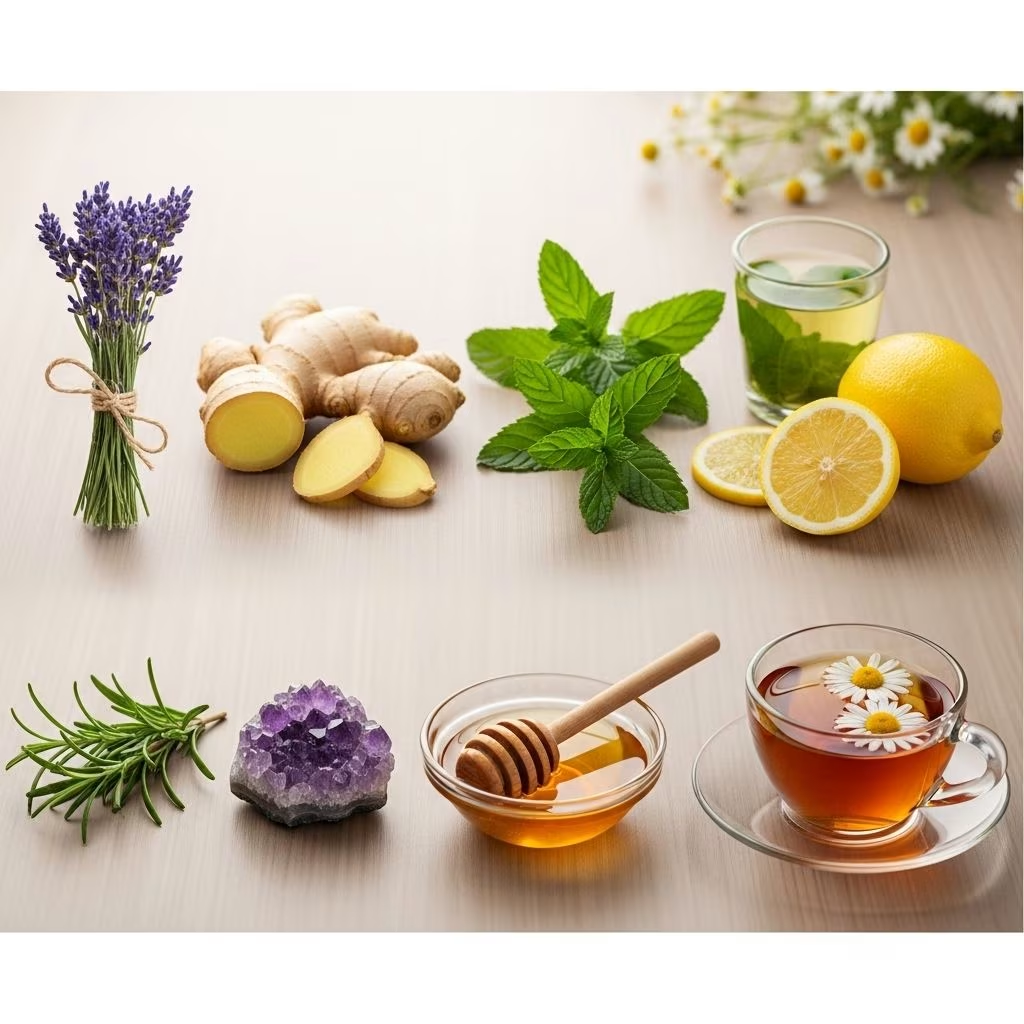
Introduction
Headaches are a common ailment that can range from mild discomfort to debilitating pain. While over-the-counter medications are widely used, many people seek natural, drug-free alternatives to relieve and prevent headaches. This article explores eight effective natural remedies supported by wellness practices and scientific insights, offering practical solutions for both immediate relief and long-term prevention.
1. Stay Hydrated
Dehydration is a leading cause of headaches, making adequate hydration a simple yet powerful prevention and relief strategy. Even mild dehydration can trigger headaches or worsen existing ones.
- Preventive Measure: Carry a water bottle and sip regularly throughout the day.
- Hydration Boosters: Incorporate water-rich foods like watermelon, cucumber, and celery into your diet.
- Symptom Relief: If a headache strikes, drink a glass of water—sometimes improvement is rapid as hydration is restored.
2. Apply a Cold or Warm Compress
Temperature therapy—using either a cold or warm compress—can provide quick relief depending on the type of headache.
- Cold Compress: Applying an ice pack or a cool washcloth to the forehead or neck can constrict blood vessels and reduce inflammation, which is particularly effective for migraine headaches.
- Warm Compress: A warm towel, heating pad, or warm bath can soothe tension headaches by relaxing tight neck and shoulder muscles.
- Application Tips: Use for 15–20 minutes at a time, repeating as needed.
3. Essential Oils and Aromatherapy
Aromatherapy using essential oils can be a potent natural remedy for headaches, offering both relaxation and pain relief.
- Peppermint Oil: Applied to the temples, it creates a cooling sensation that relieves tension headaches by relaxing muscles.
- Lavender Oil: Inhaled or applied topically, lavender oil is known to reduce migraine pain and promote relaxation.
- Eucalyptus Oil: Its anti-inflammatory and decongestant properties can help with sinus headaches.
Usage Guidelines: Dilute oils with a carrier oil before skin application. Inhale by adding a few drops to a bowl of hot water or using a diffuser. Never ingest essential oils.
4. Herbal Teas
Certain herbal teas have been used for centuries to alleviate headaches, thanks to their anti-inflammatory and calming properties.
- Ginger Tea: Reduces inflammation and may help with migraines; fresh ginger root is steeped in hot water.
- Chamomile Tea: Known for its calming effect, it can ease tension headaches caused by stress.
- Feverfew and Butterbur: Traditional herbs for migraine prevention; consult a healthcare provider before use due to potential side effects.
Preparation Tips: Use fresh or high-quality dried herbs. Steep for 2–3 minutes in water that has cooled slightly after boiling (85–90°C/185–194°F) for best results.
5. Magnesium-Rich Foods and Supplements
Magnesium deficiency is linked to headaches and migraines, making magnesium intake—through diet or supplements—an important preventive measure.
- Food Sources: Include leafy greens (spinach, kale), nuts, seeds, legumes, and whole grains in your diet.
- Supplements: Magnesium oxide supplements may help, but consult your doctor before starting, especially if you have health conditions or take other medications.
6. Practice Relaxation Techniques
Stress is a major trigger for tension headaches and migraines. Mind-body practices can help manage stress and reduce headache frequency.
- Meditation and Deep Breathing: Regular practice can lower stress and help relax tense muscles.
- Progressive Muscle Relaxation: Systematically tensing and relaxing muscle groups can ease physical tension.
- Yoga and Exercise: Gentle physical activity boosts endorphins, improves circulation, and helps prevent headaches.
7. Dietary Adjustments
What you eat plays a significant role in headache prevention. Certain foods can trigger headaches, while others help prevent them.
| Headache-Triggering Foods | Headache-Preventing Foods |
|---|---|
| Caffeine (in excess), alcohol, processed foods | Magnesium-rich foods, omega-3s (fatty fish), antioxidant-rich fruits (berries, citrus) |
| Artificial sweeteners, aged cheeses, MSG | Hydrating fruits (watermelon, bananas), green leafy vegetables, beans, legumes |
- Hydration: Maintain fluid intake and opt for water-rich foods.
- Magnesium and Omega-3s: Regularly include these nutrients in your diet.
- Identify Triggers: Keep a food diary to pinpoint specific dietary triggers.
8. Get Adequate Sleep
Poor sleep quality or irregular sleep patterns are common headache triggers. Prioritizing sleep is essential for both prevention and recovery.
- Consistent Routine: Aim for 7–9 hours of sleep per night at regular times.
- Sleep Environment: Create a dark, quiet, and cool bedroom to promote restful sleep.
- Relaxation Before Bed: Avoid screens, caffeine, and heavy meals before bedtime.
Frequently Asked Questions (FAQs)
Q: How can I tell if my headache is dehydration-related?
A: Dehydration headaches often feel like a dull, persistent ache and may be accompanied by thirst, dry mouth, or fatigue. Drinking water usually brings relief within 30 minutes to a few hours.
Q: Are essential oils safe for everyone?
A: Most people tolerate diluted essential oils well when applied to the skin or inhaled. However, they should be avoided by pregnant women, young children, and those with sensitive skin or respiratory conditions unless under professional guidance.
Q: How much magnesium should I take for headaches?
A: Daily requirements vary, but most adults need 300–400 mg of magnesium. Always consult your healthcare provider before starting supplements, especially if you have kidney or heart conditions.
Q: Can lifestyle changes really reduce headache frequency?
A: Yes, regular exercise, stress management, adequate sleep, and a balanced diet can significantly reduce the frequency and severity of headaches for many people.
Q: When should I see a doctor about my headaches?
A: Seek medical attention if headaches are severe, persistent, sudden, or accompanied by symptoms like vision changes, confusion, fever, or stiff neck—these could indicate a more serious condition.
Q: Does caffeine help or trigger headaches?
A: Caffeine can relieve some headaches (it is an ingredient in many pain relievers), but excessive or irregular intake can trigger rebound headaches. Moderation is key.
Conclusion
Natural remedies for headaches offer a versatile toolkit for both immediate relief and long-term prevention. By staying hydrated, using temperature therapy, exploring aromatherapy and herbal teas, optimizing nutrition, practicing relaxation techniques, and prioritizing sleep, you can address the root causes of headaches without relying solely on medication. Always listen to your body, track your symptoms, and consult a healthcare provider if your headaches persist or worsen. These holistic approaches not only relieve pain but also promote overall well-being, helping you take charge of your health naturally.
References
- https://www.cigna.com/knowledge-center/natural-remedies-for-headaches
- https://yeditepehastaneleri.com/en/health-guide/13-ways-relieve-headache-without-medication
- https://www.jntdental.com/natural-remedies-reducing-headache-frequency
- https://www.health.harvard.edu/staying-healthy/headache-remedies-to-help-you-feel-better
- https://www.bswhealth.com/blog/foods-that-help-with-headaches
- https://www.medicalnewstoday.com/articles/323992
- https://www.mayoclinic.org/diseases-conditions/tension-headache/in-depth/headaches/art-20047631
- https://americanmigrainefoundation.org/resource-library/migraine-home-remedies/
- https://medlineplus.gov/ency/patientinstructions/000421.htm


