


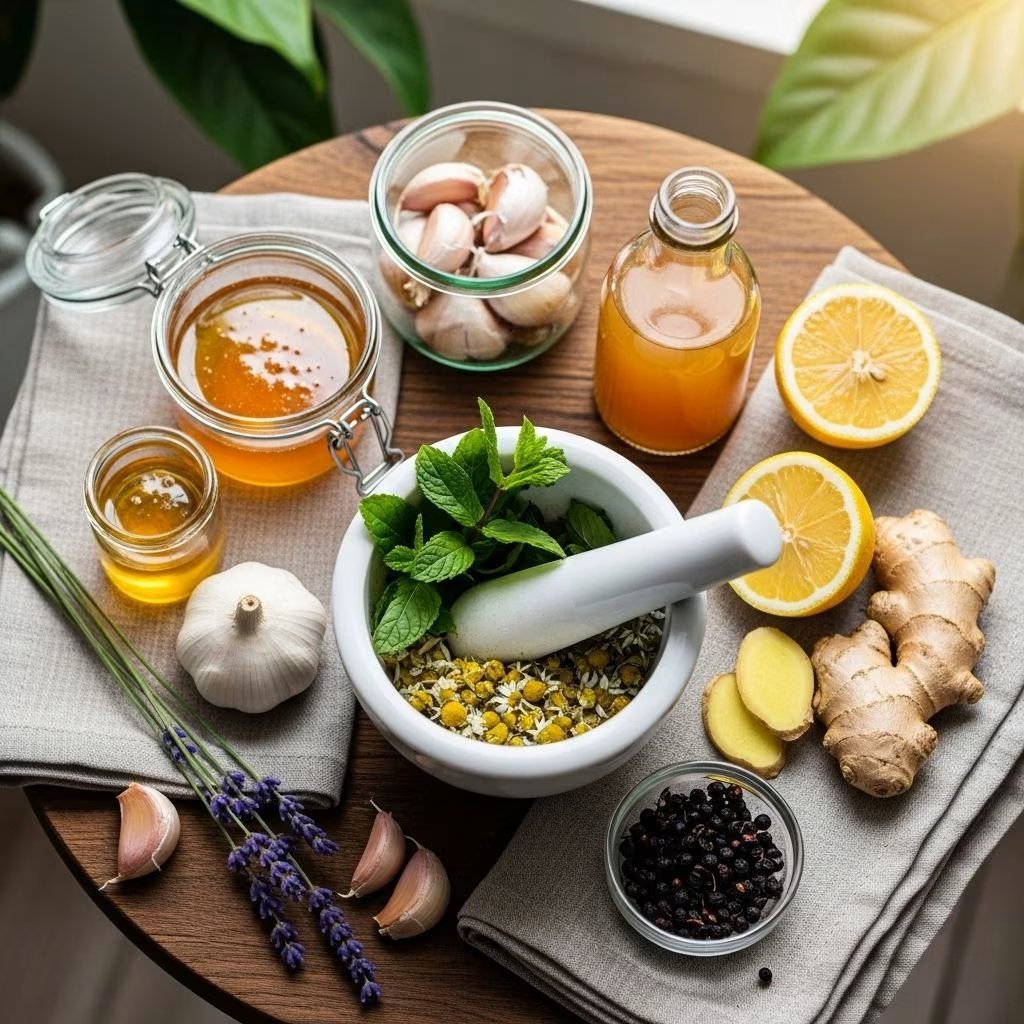
9 Natural Remedies for Everyday Ailments
In today’s fast-paced world, minor health issues can disrupt even the best-laid plans. While pharmaceuticals have their place, many everyday ailments can be eased with natural remedies that are often already in your kitchen or garden. These approaches, some rooted in centuries-old tradition and others supported by modern science, can help address common discomforts gently and effectively. Here are nine natural remedies for everyday ailments—and the science behind them.
1. Sore Throat and Cough: The Power of Honey and Herbal Infusions
If a sore throat or persistent cough strikes, nature provides several trusted options:
- Honey: With natural antibacterial properties, honey soothes the throat, calms coughs, and promotes healing. Add a spoonful to warm water or herbal tea. Research shows honey can be as effective as some over-the-counter cough suppressants, especially for nighttime coughing in children over one year old.
- Chamomile Tea: Chamomile has anti-inflammatory and calming effects. A cup of chamomile tea can relieve throat irritation and induce relaxation, aiding recovery and rest.
- Apple Cider Vinegar, Cayenne & Cinnamon: Combine 2 tablespoons of apple cider vinegar in a cup of hot water, add a pinch of cayenne and a dash of cinnamon, plus a spoonful of honey. This blend may help break up mucus, reduce throat pain, and provide an immune boost.
Note: Honey should never be given to children under 12 months due to the risk of botulism.
2. Battling Cold and Flu: Garlic & Honey
Garlic is famed for its immune-boosting and antimicrobial qualities. At the first sign of a cold or flu, crush two cloves of fresh garlic, add them to a glass of water, drizzle with raw honey, and drink. The combination can shorten the duration and reduce severity of symptoms by supporting your immune system and fighting viruses and bacteria.
- Garlic’s Allicin: The compound allicin gives garlic its characteristic smell and many of its medicinal properties, working to combat certain pathogens and support the immune response.
- Honey: In addition to soothing the throat, honey can attenuate the cough commonly seen with colds or flu.
3. Relieving Allergy Symptoms: Local Honey
Local honey is believed to help build resistance to seasonal allergens found in your environment. By introducing small, regular doses of pollen through honey made in your region, your immune system may become less sensitive to these allergens over time. Stir a spoonful of local honey into your tea or drizzle it over oatmeal for a daily defense.
Note: While some anecdotal evidence supports this use, scientific consensus is limited. However, honey remains a healthy and natural sweetener with added benefits for sore throats and immunity.
4. Natural Support Against Anxiety: Catnip
Catnip (Nepeta cataria), well-loved by felines, offers calming effects for humans when consumed as a tea or taken as a herbal supplement. While it excites cats, catnip acts as a mild sedative in people, easing tension and quieting a restless mind.
Steep dried catnip leaves in hot water for a gentle tea, or look for organic catnip supplements at health stores. This remedy is safe and non-habit forming, making it a suitable option for occasional anxiety or trouble winding down at night.
5. Easing Arthritis and Joint Pain: Gelatin & Collagen
Joint pain and stiffness are common complaints—whether from arthritis or aging. Natural gelatin and collagen supplements are rich in amino acids essential for cartilage health and joint repair. Regular intake may help reduce inflammation, improve mobility, and alleviate discomfort.
- How to Use: Add unflavored gelatin to smoothies, soups, or make homemade fruit gel desserts for a joint-friendly treat. Collagen powders and capsules are also widely available for daily supplementation.
- Scientific Support: Some studies suggest participants who regularly take collagen or gelatin report less knee pain and increased flexibility.
6. Back Pain Relief: White Willow Bark
White willow bark has a long history as a natural alternative to aspirin. Its key compound, salicin, is converted in the body to salicylic acid, which has proven anti-inflammatory and pain-relieving properties.
- Form: Available in supplement, tea, or tincture forms. When taken as directed, it can provide relief from acute lower back pain or muscle aches.
- Precautions: Those allergic to aspirin or using blood thinners should exercise caution and consult a healthcare professional before use.
Combining white willow bark with physical therapy exercises or other anti-inflammatory herbs can further enhance pain reduction and mobility.
7. Soothing Sensitive Skin: Witch Hazel
Your skin can react to stress, harsh weather, or allergens by becoming red, itchy, or inflamed. Witch hazel is a gentle astringent extracted from the Hamamelis plant, celebrated for its immediate soothing and cooling effect on irritated skin.
- How to Use: Apply witch hazel with a cotton pad as a toner after cleansing, or directly to inflamed areas to calm redness. It is also effective for soothing minor razor burn and bug bites.
Due to its low risk of irritation, witch hazel is suitable for most skin types and can be used daily to maintain a healthy complexion.
8. Strengthening Weak Nails: Black Currant Oil Capsules
Splitting and brittle nails can be a sign of nutritional deficiencies or health imbalances. Black currant oil is rich in gamma-linolenic acid (GLA), an essential fatty acid known to support the growth and resilience of hair and nails.
- How to Use: Take black currant oil capsules as directed on the label, usually 1–2 capsules daily. Improvements in nail strength and growth are often noticed within two weeks.
GLA from black currant oil also aids in promoting healthy skin, combating dryness and inflammation at the cellular level.
9. Home Solutions for Other Common Complaints
- Ear Infections: Fresh lemon juice drops used in the ear may help due to antibacterial and anti-inflammatory effects. Caution must be taken not to use this remedy if eardrum perforation is suspected.
- Fever: Chewing on a mint leaf can create a cooling effect and support fever reduction. Mint’s menthol content induces a mild sense of temperature decrease.
- Minor Wounds: Homemade poultices of comfrey leaves can aid wound healing thanks to their allantoin content, which encourages cell regeneration.
- Muscle Cramps: Drinking pickle juice (the salty brine from pickles) is a tip beloved by athletes. It is thought to rapidly replenish lost electrolytes and relieve cramps, especially after exercise or sweating.
- Constipation: Magnesium citrate supplements gently stimulate the intestines, pulling water into the bowels and encouraging movement.
- Sore Muscles: Arnica, available in gels and homeopathic tablets, is a centuries-old anti-inflammatory for aches and sprains.
- Earache (Children): Garlic-mullein oil eardrops have natural antibacterial and pain-soothing properties.
- Sleeplessness: Lavender essential oil—whether inhaled, used in diffusers, or added to a bath—can calm the nervous system and facilitate deeper sleep.
- Hemorrhoids: Increasing dietary intake of flavonoids from antioxidant-rich berries (like blueberries and blackberries) or taking flavonoid supplements may reduce flare-ups and improve symptoms.
Quick Reference Table: At-a-Glance Remedy Guide
| Ailment | Remedy | Key Benefit | How to Use |
|---|---|---|---|
| Sore Throat/Cough | Honey, Chamomile tea | Soothes and reduces inflammation | Add to tea/drink warm |
| Cold/Flu | Garlic & Honey | Boosts immunity | Crush, mix, and drink |
| Allergies | Local honey | Builds tolerance to local pollen | Daily in food or drink |
| Anxiety | Catnip tea | Calms nerves | Steep and drink |
| Arthritis pain | Gelatin/Collagen | Supports joint health | Supplements or recipes |
| Back pain | White willow bark | Natural anti-inflammatory | Supplement/tea |
| Sensitive/Jritated Skin | Witch hazel | Cools and calms | Apply topically |
| Weak nails | Black currant oil | Strengthens nails | Capsules |
| Muscle cramps | Pickle juice | Restores electrolytes | Drink as needed |
Precautions and When to Seek Medical Advice
While natural remedies can provide significant relief for minor health annoyances, some symptoms may signal a more serious underlying condition. Always consult a healthcare provider if:
- Symptoms are severe, persistent, or rapidly worsening.
- You have a high fever, chest pain, difficulty breathing, or sudden swelling.
- You’re on prescription medications that could interact with herbs or supplements.
- You experience allergic reactions such as hives, trouble swallowing, or swelling of the tongue.
Pregnant or breastfeeding women, young children, and people with complex health conditions should use these remedies only with qualified guidance.
Frequently Asked Questions (FAQs)
Q: Are natural remedies safe for everyone?
A: Many natural remedies are gentle and safe, but not all are suitable for every person. Each body is unique—people with allergies, chronic diseases, or taking prescription drugs should check for interactions first.
Q: Can honey cure a cough in children?
A: Honey is effective at reducing the frequency and severity of cough in children over one year old, according to clinical studies. It’s not recommended for infants under one due to the risk of botulism.
Q: How long does it take to see results with natural remedies?
A: Some remedies, like honey for a sore throat, may work within hours. Others, such as black currant oil for nail strength, can take a few weeks of consistent use to notice significant benefits.
Q: Is there scientific evidence for these remedies?
A: Many have support from scientific studies, especially honey for cough relief, garlic for immune health, and white willow bark for pain. Other remedies are based on traditional use and emerging research continues to explore their effectiveness.
Q: Can I use multiple remedies at the same time?
A: Often, natural remedies can complement one another. For instance, combining honey and chamomile for a sore throat. However, avoid overuse and be mindful of potential herb-drug or herb-herb interactions.
Final Thoughts
Natural remedies can empower you to proactively support your health, alleviate everyday discomforts, and reduce reliance on pharmaceuticals for minor ailments. With a bit of knowledge and common sense, your kitchen can become your first line of defense for minor health complaints. As always, maintain a balanced lifestyle—eat well, rest, manage stress, and seek appropriate medical care when needed for best results.
References
- https://www.allinahealth.org/healthysetgo/heal/natural-remedies-for-everyday-illnesses
- https://www.healthline.com/health/home-remedies
- https://www.webmd.com/balance/ss/slideshow-home-remedies
- https://www.prevention.com/health/a20477585/35-all-time-favorite-natural-remedies/
- https://experiencelife.lifetime.life/article/13-natural-remedies-for-common-ailments/
- https://ccm.edu.au/blog/natural-remedies/


