


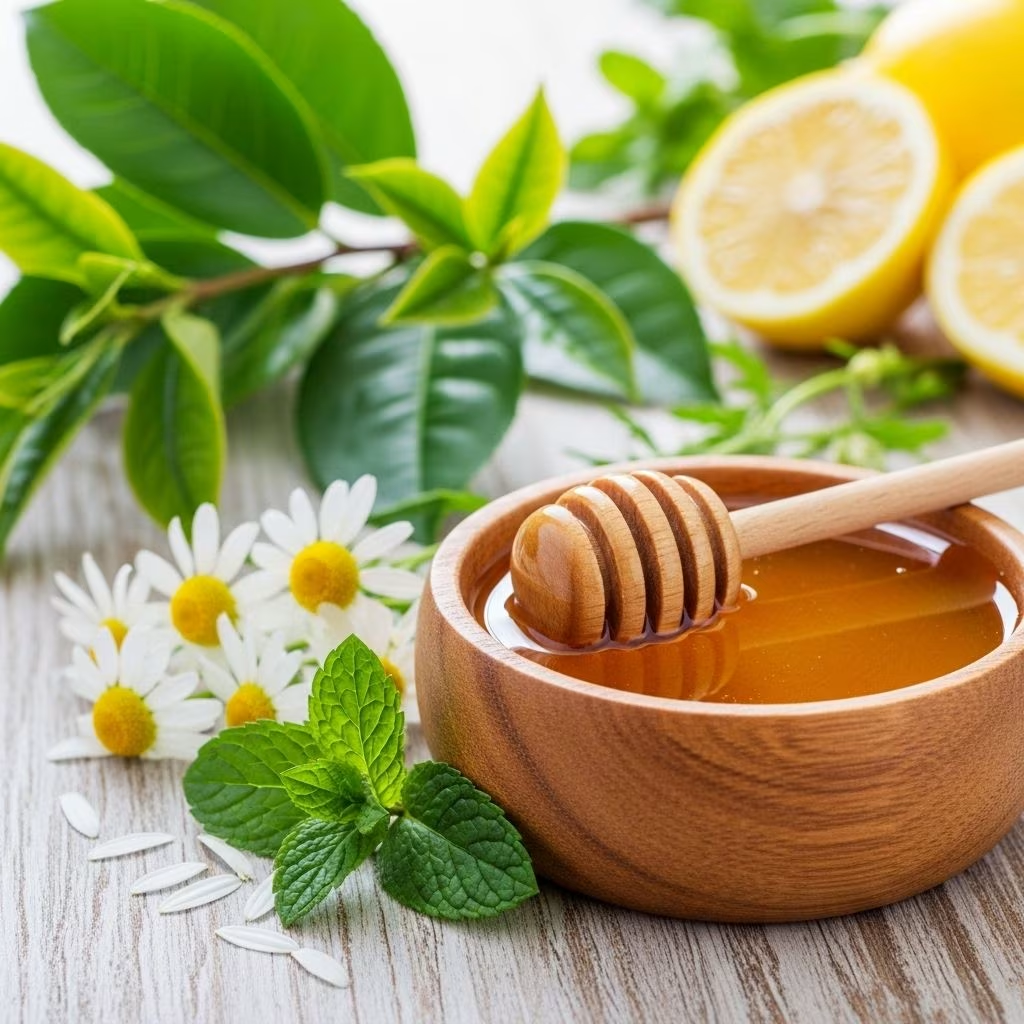
Pollen allergies affect millions of people worldwide, transforming beautiful spring and summer days into a season of sneezing, itchy eyes, and nasal congestion. While conventional medications offer relief, many individuals seek natural alternatives that work with the body’s own defenses. Understanding how to manage pollen allergies through natural remedies can provide effective relief without the side effects often associated with pharmaceutical interventions.
The challenge of seasonal allergies stems from the immune system’s overreaction to harmless pollen particles. When pollen enters the body, the immune system mistakenly identifies it as a threat and releases histamine, triggering the familiar cascade of allergic symptoms. Natural remedies work by either reducing exposure to allergens, strengthening the immune response, or blocking the histamine reaction that causes discomfort.
Understanding Pollen Allergies and Their Impact
Pollen allergies, also known as hay fever or allergic rhinitis, occur when the immune system reacts to pollen from trees, grasses, and weeds. During pollination seasons, these microscopic particles become airborne and can travel for miles, making them nearly impossible to avoid completely. The body’s allergic response involves the production of antibodies that trigger mast cells to release histamine and other inflammatory compounds.
Common symptoms include persistent sneezing, runny or stuffy nose, itchy and watery eyes, scratchy throat, and postnasal drip. Some individuals also experience fatigue, headaches, and difficulty concentrating due to poor sleep quality caused by nighttime congestion. These symptoms can significantly impact daily activities, work productivity, and overall quality of life during peak pollen seasons.
The severity of pollen allergies varies depending on individual sensitivity, pollen concentration in the air, and exposure duration. Tree pollen typically peaks in early spring, grass pollen dominates late spring and summer, while ragweed and other weed pollens surge in late summer and fall. Understanding these patterns helps in timing preventive measures and natural remedy use for maximum effectiveness.
The Power of Local Raw Honey
Local raw honey stands as one of the most popular and accessible natural remedies for pollen allergies. The theory behind honey’s effectiveness centers on the concept of natural immunotherapy. When bees collect nectar from local flowers, they inadvertently gather small amounts of pollen, which becomes incorporated into the honey. Consuming this honey regularly exposes your body to trace amounts of local pollen, potentially helping build tolerance over time.
For optimal results, consume one to two teaspoons of local raw honey daily, starting several months before allergy season begins. The honey must be raw and unprocessed, as heating destroys many beneficial enzymes and compounds. Additionally, sourcing honey from within a 50-mile radius of your home ensures it contains the specific pollens triggering your allergic reactions. You can add honey to tea, spread it on toast, blend it into smoothies, or simply enjoy it straight from the spoon.
While scientific evidence supporting honey’s anti-allergy effects remains mixed, many allergy sufferers report noticeable improvement in their symptoms. Beyond potential immunotherapy benefits, raw honey contains anti-inflammatory compounds and antioxidants that may help reduce overall allergic inflammation. However, individuals with severe pollen allergies should introduce honey cautiously and consult healthcare providers, as it could potentially trigger reactions in highly sensitive individuals.
Nasal Irrigation and Saline Rinses
Nasal irrigation using a neti pot or saline spray provides immediate mechanical relief by physically flushing allergens from nasal passages. This simple yet highly effective technique removes pollen, dust, and other irritants before they can trigger allergic responses. Regular nasal rinsing also helps clear mucus buildup, reduces inflammation, and prevents secondary infections that can develop when sinuses remain congested.
To perform nasal irrigation safely, use distilled, sterile, or previously boiled water mixed with non-iodized salt. Fill the neti pot with the lukewarm saline solution, tilt your head sideways over a sink, and gently pour the solution into one nostril, allowing it to flow out the other. Repeat on the opposite side. Some people find squeeze bottles or bulb syringes more comfortable than traditional neti pots. Always thoroughly clean and dry your irrigation device after each use to prevent bacterial growth.
Timing matters when it comes to nasal irrigation. Rinsing your sinuses once in the morning and once in the evening during high pollen seasons helps maintain clear nasal passages throughout the day and night. Many allergy sufferers also rinse immediately after spending time outdoors to remove pollen accumulated during exposure. This practice significantly reduces allergy symptoms and decreases reliance on antihistamines and decongestants.
Quercetin: Nature’s Antihistamine
Quercetin, a plant-derived flavonoid with powerful antihistamine properties, represents one of the most scientifically supported natural remedies for allergies. This compound works by stabilizing mast cells, preventing them from releasing histamine when exposed to allergens. Unlike pharmaceutical antihistamines that block histamine receptors, quercetin addresses the root cause by reducing histamine production in the first place.
Foods naturally rich in quercetin include apples, onions, berries, broccoli, citrus fruits, cherries, grapes, and green tea. Incorporating these foods into your daily diet provides consistent quercetin intake along with other beneficial nutrients and antioxidants. For therapeutic effects during allergy season, many people supplement with quercetin capsules, typically taking 500 to 1,000 milligrams daily, divided into two or three doses.
Quercetin works best when taken consistently rather than as needed. Begin supplementation four to six weeks before allergy season starts to allow the compound to build up in your system. Combining quercetin with bromelain, an enzyme found in pineapple, enhances absorption and adds additional anti-inflammatory benefits. Vitamin C also works synergistically with quercetin, making it beneficial to take them together for maximum allergy relief.
Herbal Remedies for Allergy Relief
Several herbs have demonstrated remarkable effectiveness in managing pollen allergy symptoms through various mechanisms. Butterbur, a European herb, has shown antihistamine properties comparable to conventional allergy medications in clinical studies. Research indicates that butterbur extract significantly reduces hay fever symptoms without causing the drowsiness associated with many pharmaceutical antihistamines. However, only use butterbur products labeled “PA-free,” as unprocessed butterbur contains potentially harmful compounds.
Stinging nettle offers another potent herbal option for allergy sufferers. This plant contains compounds that reduce histamine production and inflammation in nasal passages. Freeze-dried nettle capsules, typically taken at doses of 300 to 600 milligrams daily, provide the most concentrated and effective form. Many users report noticeable symptom improvement within hours of taking nettle, making it useful for both prevention and acute relief.
Green tea deserves special mention for its dual benefits in allergy management. Japanese research has identified compounds in green tea that block allergic responses at the cellular level, reducing sneezing and eye irritation. Beyond its antihistamine effects, green tea provides powerful antioxidants that support overall immune function. Drinking two to three cups daily during allergy season offers both immediate symptom relief and long-term immune support.
Essential Oils for Respiratory Support
Essential oils provide aromatic relief for allergy symptoms while offering anti-inflammatory and decongestant properties. Eucalyptus oil stands out as particularly effective for opening airways and reducing sinus inflammation. Add a few drops to a bowl of steaming water, cover your head with a towel, and breathe deeply for five to ten minutes. This steam inhalation helps clear congestion, soothes irritated mucous membranes, and provides immediate breathing relief.
Peppermint oil contains menthol, which acts as a natural decongestant and creates a cooling sensation that soothes inflamed nasal passages. Diffusing peppermint oil in your bedroom overnight helps maintain clear breathing during sleep. Lavender oil offers additional benefits by reducing inflammation and promoting relaxation, which can improve sleep quality disrupted by allergy symptoms. Always dilute essential oils properly before topical application and never ingest them without professional guidance.
Creating a custom allergy-relief blend combines the strengths of multiple oils. Mix equal parts eucalyptus, peppermint, and lavender oils with a carrier oil like coconut or jojoba oil. Apply this blend to your chest, neck, and temples for sustained relief throughout the day. Alternatively, add a few drops to a diffuser or personal inhaler for convenient on-the-go symptom management.
Dietary Strategies for Allergy Management
Your diet plays a crucial role in managing allergic responses and reducing inflammation. Anti-inflammatory foods help calm the immune system and decrease overall allergic reactivity. Omega-3 fatty acids found in wild-caught fish, flaxseeds, and walnuts reduce inflammatory compounds that worsen allergy symptoms. Incorporating these foods regularly helps build resilience against allergic reactions.
Spicy foods offer unexpected benefits for allergy sufferers. Capsaicin in cayenne pepper acts as a natural decongestant, thinning mucus and opening nasal passages. Garlic contains allicin, an anti-inflammatory compound that reduces swelling in airways and sinuses. Adding these ingredients to meals provides both flavor enhancement and therapeutic benefits. Fresh ginger similarly reduces inflammation and supports immune function when consumed regularly.
Conversely, certain foods may worsen allergy symptoms through a phenomenon called oral allergy syndrome or by promoting inflammation. During peak allergy season, some individuals find that reducing dairy consumption helps decrease mucus production. Processed foods high in sugar and refined carbohydrates can promote inflammation and compromise immune function. Focusing on whole, nutrient-dense foods creates an internal environment less prone to allergic overreactions.
Probiotics and Gut Health Connection
The gut microbiome profoundly influences immune system function, and emerging research links gut health to allergic responses. Probiotics, beneficial bacteria that support digestive health, may help modulate immune reactions and reduce allergy severity. Studies suggest that specific probiotic strains can decrease inflammatory markers and improve symptoms in individuals with allergic rhinitis.
Fermented foods naturally rich in probiotics include yogurt with live cultures, kefir, sauerkraut, kimchi, kombucha, and miso. Regularly consuming these foods introduces diverse beneficial bacteria that support immune balance. For therapeutic doses, probiotic supplements containing multiple strains and at least 10 billion colony-forming units (CFUs) offer more concentrated benefits. Look for products that include Lactobacillus and Bifidobacterium strains specifically studied for immune support.
The gut-allergy connection extends beyond probiotics to overall digestive health. Maintaining gut barrier integrity prevents unwanted compounds from entering the bloodstream and triggering immune responses. Supporting gut health through adequate fiber intake, staying hydrated, managing stress, and avoiding gut-damaging substances creates a foundation for better allergy management. This holistic approach addresses underlying immune dysfunction rather than merely suppressing symptoms.
Environmental Control and Lifestyle Adjustments
Reducing pollen exposure remains one of the most effective strategies for managing allergies naturally. Monitor local pollen counts through weather reports or allergy tracking apps, and limit outdoor activities when counts peak, typically during early morning hours and on windy days. Keep windows closed during high pollen seasons and use air conditioning with clean filters to maintain comfortable indoor temperatures without introducing outdoor allergens.
High-efficiency particulate air (HEPA) filters significantly reduce indoor allergen levels. Install HEPA filters in your vacuum cleaner, air purifiers, and HVAC system to capture pollen particles that inevitably enter your home. Vacuum floors and upholstered furniture frequently, and consider replacing carpet with hardwood or tile flooring in bedrooms to minimize allergen accumulation. Wash bedding weekly in hot water to eliminate pollen that settles on fabric surfaces.
Personal hygiene practices substantially impact allergen exposure. Shower before bed to remove pollen from hair and skin, preventing transfer to bedding where you spend hours each night. Change clothes after outdoor activities and avoid drying laundry outside during pollen season. Wearing wraparound sunglasses and wide-brimmed hats when outdoors creates physical barriers that reduce pollen contact with eyes and face. These simple adjustments work synergistically with natural remedies to minimize allergic reactions.
Hydration and Humidity Management
Proper hydration supports the body’s natural defense mechanisms against allergens. Drinking adequate water helps thin mucus secretions, making them easier to expel and reducing congestion. Well-hydrated mucous membranes also function more effectively as barriers against allergen penetration. Aim for at least eight glasses of water daily, increasing intake during hot weather or after exercise when fluid needs rise.
Indoor humidity levels significantly affect allergy symptoms. Extremely dry air irritates nasal passages and makes them more susceptible to inflammation, while excessive humidity promotes mold growth that can trigger additional allergic reactions. Using a humidifier to maintain indoor humidity between 30 and 50 percent helps keep nasal passages moist and comfortable. Clean humidifiers regularly according to manufacturer instructions to prevent bacterial and mold contamination.
Herbal teas provide both hydration and therapeutic compounds. Nettle tea, peppermint tea, and ginger tea all offer anti-inflammatory benefits while contributing to daily fluid intake. Adding lemon and honey creates a soothing beverage that supports immune function and provides symptom relief. Warm liquids also help loosen congestion and soothe irritated throat tissues affected by postnasal drip.
Vitamin and Mineral Support
Specific vitamins and minerals play crucial roles in immune regulation and allergy management. Vitamin C acts as a natural antihistamine and antioxidant, reducing allergic inflammation and supporting overall immune health. During allergy season, increasing vitamin C intake through citrus fruits, berries, bell peppers, and broccoli, or supplementing with 1,000 to 2,000 milligrams daily, may help reduce symptom severity.
Vitamin D deficiency has been linked to increased allergy susceptibility and more severe symptoms. This vitamin modulates immune responses and helps prevent overreactions to harmless substances like pollen. Many people have insufficient vitamin D levels, particularly those living in northern climates or spending limited time outdoors. Testing vitamin D levels and supplementing appropriately under healthcare guidance can improve allergy outcomes and overall health.
Magnesium relaxes smooth muscles in airways and bronchial passages, potentially reducing breathing difficulties associated with allergies. This mineral also supports stress management, which is important since stress can worsen allergic responses. Foods rich in magnesium include leafy greens, nuts, seeds, and whole grains. Supplementation may benefit those with documented deficiencies, typically at doses of 300 to 400 milligrams daily.
Stress Management and Sleep Quality
Stress significantly impacts immune function and can intensify allergic reactions. When stressed, the body releases cortisol and other hormones that alter immune responses, potentially making you more reactive to allergens. Incorporating stress-reduction techniques such as meditation, deep breathing exercises, yoga, or regular physical activity helps regulate immune function and may reduce allergy severity.
Quality sleep strengthens immune resilience and helps the body recover from daily allergen exposure. Unfortunately, allergy symptoms often disrupt sleep through nighttime congestion, coughing, and breathing difficulties. Elevating your head with an extra pillow reduces sinus pressure and postnasal drip. Using a HEPA air purifier in the bedroom removes airborne allergens that could trigger symptoms during sleep. Establishing consistent sleep routines and creating a cool, dark sleeping environment optimizes rest quality.
Mind-body practices specifically targeting allergy relief show promise in research studies. Certain breathing techniques help open nasal passages and reduce stress-related symptom exacerbation. Progressive muscle relaxation decreases tension that can worsen congestion and headaches. These practices cost nothing, have no side effects, and complement other natural remedies for comprehensive allergy management.
When to Seek Professional Guidance
While natural remedies effectively manage mild to moderate pollen allergies for many people, certain situations warrant professional medical evaluation. Severe symptoms that significantly impact daily functioning, symptoms lasting beyond typical seasonal patterns, or reactions that worsen despite natural interventions require assessment by an allergist or immunologist. These specialists can perform testing to identify specific allergen triggers and recommend appropriate treatment strategies.
Some individuals develop complications from untreated allergies, including sinus infections, ear infections, or asthma exacerbation. Persistent facial pain, thick colored nasal discharge, fever, or wheezing and shortness of breath indicate potential complications requiring medical attention. Natural remedies work best as preventive measures and for managing mild to moderate symptoms rather than treating acute infections or severe reactions.
Combining natural approaches with conventional treatments often provides optimal results. Many allergists support integrative approaches that incorporate evidence-based natural remedies alongside prescription medications when necessary. Open communication with healthcare providers about all remedies and supplements you use ensures safe, coordinated care and helps identify potential interactions between natural products and medications.
Frequently Asked Questions
Q: How long does it take for natural remedies to work for pollen allergies?
A: The timeline varies by remedy. Nasal rinses provide immediate relief, while local honey and quercetin work best when started 4-6 weeks before allergy season. Most people notice improvement within 2-4 weeks of consistent use of herbal remedies and dietary changes.
Q: Can I use multiple natural remedies together?
A: Yes, combining natural remedies often enhances effectiveness. Pairing quercetin with vitamin C, using nasal rinses alongside local honey, and incorporating dietary changes with herbal supplements creates a comprehensive approach. However, consult a healthcare provider before combining multiple supplements.
Q: Are natural remedies safe for children with pollen allergies?
A: Many natural remedies are safe for children, but dosages and specific products require adjustment. Nasal saline rinses work well for kids over age 4, while local honey should not be given to children under 1 year old due to botulism risk. Always consult a pediatrician before giving children herbal supplements or essential oils.
Q: Do natural remedies have side effects?
A: Natural remedies generally have fewer side effects than pharmaceutical options, but they’re not risk-free. Some people experience digestive upset from certain supplements, skin irritation from essential oils, or allergic reactions to herbal products. Start with small amounts to assess tolerance and discontinue use if adverse reactions occur.
Q: Can natural remedies completely eliminate pollen allergy symptoms?
A: While natural remedies significantly reduce symptoms for many people, complete elimination is uncommon, especially for severe allergies. They work best as part of a comprehensive strategy including allergen avoidance and lifestyle modifications. Some individuals may still need conventional medications during peak pollen seasons.
Q: How do I know which natural remedy is right for me?
A: The best approach involves trying one remedy at a time to assess effectiveness. Start with simple, low-risk options like nasal rinses and local honey. Keep a symptom diary to track which remedies provide the most relief. Consider working with a naturopathic doctor or integrative healthcare provider for personalized recommendations.
Managing pollen allergies naturally requires patience, consistency, and a willingness to experiment with different approaches. By combining multiple strategies—from dietary modifications and herbal remedies to environmental controls and stress management—you can significantly reduce symptoms and improve quality of life during allergy seasons. These natural solutions empower you to take control of your health while working harmoniously with your body’s own healing capabilities.
References
- https://cureallergyclinic.com/effective-natural-remedies-for-allergy-relief/
- https://www.beckerentandallergy.com/blog/allergy-home-remedies
- https://allergypacific.com/natural-allergy-remedies-for-allergy-relief/
- https://blog.ochsner.org/articles/8-natural-ways-to-beat-spring-allergies/
- https://www.dedicated.care/articles/best-natural-remedies-seasonal-allergies
- https://www.mayoclinic.org/diseases-conditions/hay-fever/in-depth/seasonal-allergies/art-20048343
- https://www.sinusandallergywellnesscenter.com/blog/allergic-rhinitis-6-herbal-remedies-to-try-sinus-allergy-wellness-clinic
- https://thrive-peds.com/natural-remedies-for-seasonal-allergies/
- https://www.cigna.com/knowledge-center/natural-remedies-for-seasonal-allergies


