


What Is Ketembilla?
Ketembilla, scientifically known as Dovyalis hebecarpa, is a tropical fruit commonly referred to as Ceylon gooseberry. Native to Sri Lanka and parts of southern India, this small tree or shrub produces distinctive purple, tart, and velvety-skinned berries. The plant is known for its hardiness, adaptability, and abundant fruiting, making it a popular choice among gardeners in subtropical and tropical regions.
Ketembilla fruits are highly acidic when harvested but become sweeter as they ripen and wrinkle, making them more palatable for fresh consumption. The fruit’s flesh is juicy, purple-red, and contains several edible seeds. Due to its unique flavor profile, ketembilla is often used in jams, jellies, juices, and as a flavoring for beverages, especially in its native regions.
Botanical Profile and Origin
The ketembilla belongs to the Salicaceae family, which also includes willows and poplars. It typically grows as a shrub or small tree, reaching heights of 4.5 to 6 meters (15–20 feet) with a wide, arching canopy that can span up to 9 meters (30 feet). The tree is recognizable by its slender, spiny branches and elliptical to ovate, velvety leaves.
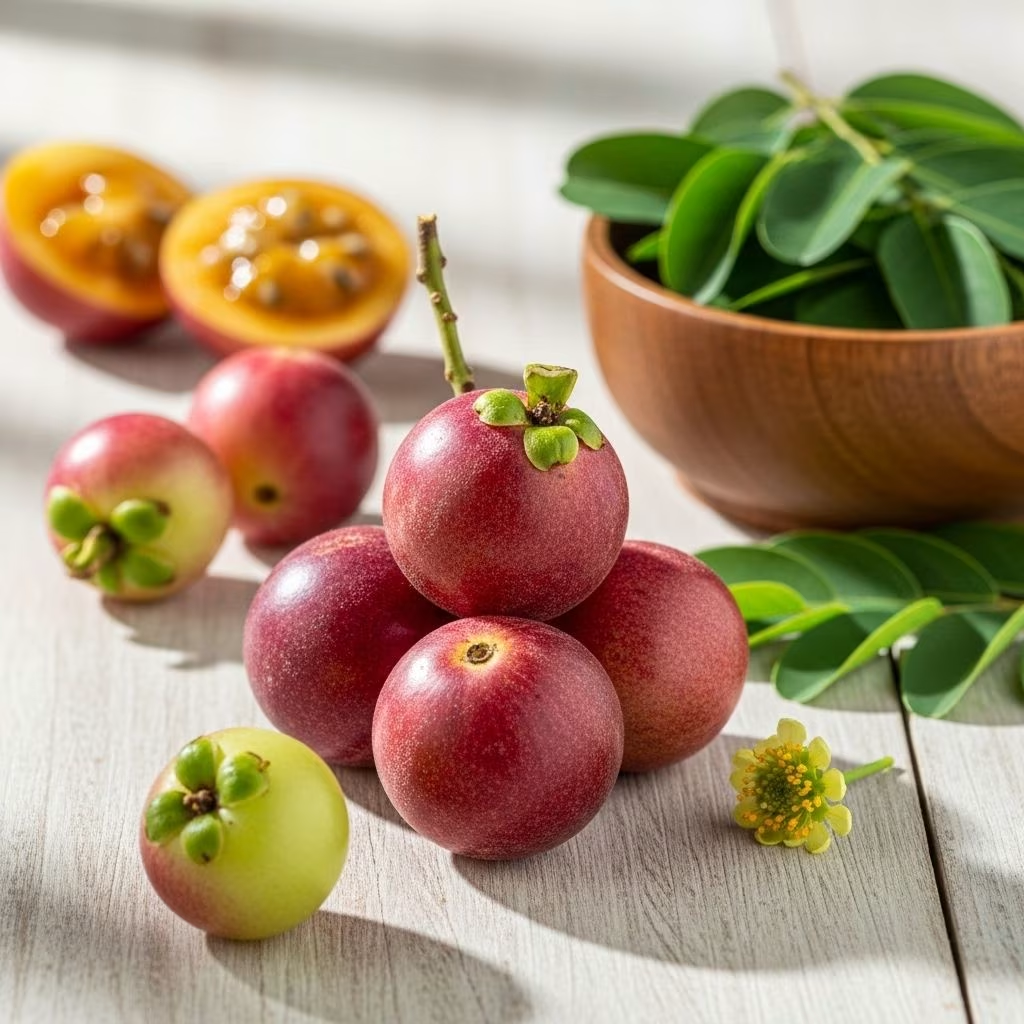
Ketembilla is dioecious, meaning individual plants are either male or female, and both are generally required for effective pollination and good fruit set. Some varieties may be self-fertile, but planting both male and female specimens increases yield. The fruit itself is globose, about 1–2.5 cm in diameter, with a velvety, maroon-purple to dark brown-orange skin when ripe, covered with fine, gray-green hairs that can be unpleasant if not removed before eating. The interior pulp is juicy, extremely acidic, and contains 8–12 edible but hairy seeds.
Flavor and Appearance
The appearance of ketembilla is striking: small, round, and covered in velvety hairs, transitioning in color from orange-yellow when unripe to deep maroon-purple when fully mature. The skin is thin and slightly bitter, so it is often peeled or rubbed off before consumption. The flesh is juicy and purple-red, with a taste that varies from sweet to puckeringly sour and astringent, resembling a blend of cranberry, lemon, honey, papaya, and apricot flavors.
Many find the fruit most enjoyable when slightly overripe and wrinkled, as the natural sugars become more pronounced at this stage. The high acidity means that, like gooseberry, ketembilla is often combined with sugar in culinary preparations to balance its tartness.
Nutritional Value and Benefits
While detailed nutritional analyses for ketembilla are limited, tropical fruits like the Ceylon gooseberry are generally rich in:
- Vitamin C: Supports immune function and skin health.
- Antioxidants: Helps combat oxidative stress and inflammation.
- Dietary Fiber: Aids digestion and promotes gut health.
- Minerals: Such as potassium, calcium, and magnesium.
Its high vitamin C content and antioxidant profile make ketembilla a valuable addition to the diet, particularly in regions where access to conventional fruits may be limited.
Health Benefits of Ketembilla
Ketembilla offers several potential health benefits, primarily attributed to its rich nutrient and phytochemical content:
- Boosts Immunity: High vitamin C levels help strengthen the immune system.
- Antioxidant Protection: Fights free radicals, reducing cellular damage and inflammation.
- Digestive Health: Dietary fiber aids in healthy digestion and regularity.
- Hydration: Juicy flesh helps maintain hydration, especially in hot climates.
As with many exotic fruits, further scientific research is needed to specifically quantify these benefits, but the traditional use of ketembilla in its native range underscores its valued place in local diets and folk medicine.
Culinary Uses
Ketembilla’s tart flavor and vibrant color make it a versatile ingredient in the kitchen:
- Fresh Consumption: Best enjoyed overripe and slightly wrinkled, when the fruit is sweeter.
- Jams and Jellies: The fruit’s natural pectin and acidity make it ideal for preserves, often with added sugar to balance tartness.
- Juices and Beverages: Used to flavor drinks, sometimes mixed with sweeter fruits or sweeteners.
- Culinary Garnish: Adds color and a sour note to salads, desserts, and sauces.
- Pickles and Chutneys: The acidity complements savory dishes, especially in South Asian cuisine.
In Sri Lanka and neighboring regions, ketembilla is frequently processed into value-added products like syrups and cordials, extending its shelf life and appeal.
Growing Ketembilla
Growing ketembilla is accessible in tropical and subtropical climates, with a few key considerations:
- Climate: Thrives in full sun and tolerates both wet and dry soils, though consistent moisture encourages better fruit development.
- Soil: Prefers well-drained, loamy soil but is adaptable to a range of soil types.
- Propagation: Typically grown from seeds, though propagation via cuttings or air layering is possible.
- Pollination: Dioecious nature means planting both male and female trees improves fruit yield.
- Pruning and Care: Hardy and fast-growing, ketembilla benefits from occasional pruning to manage its thorny branches and encourage fruiting.
The tree can produce up to 40 kg of fruit annually when mature, making it a productive addition to home gardens and orchards. Its ornamental value and wind-breaking abilities also make it useful in landscaping.
Frequently Asked Questions (FAQs)
Q: What does ketembilla taste like?
A: Ketembilla is very tart and acidic when unripe, with flavors reminiscent of cranberry, lemon, and apricot. It becomes slightly sweeter when overripe, though it generally retains a tangy edge.
Q: Can you eat ketembilla seeds?
A: Yes, the seeds are edible, though coated with fine, sometimes unpleasant hairs. Many people prefer to spit them out or sieve them when preparing juices or jams.
Q: Is ketembilla the same as Ceylon gooseberry?
A: Yes, ketembilla is another name for Ceylon gooseberry (Dovyalis hebecarpa). It is also known regionally as kitembilla, tropical apricot, or Puerto Rican cranberry.
Q: How do you use ketembilla in cooking?
A: Ketembilla is rarely eaten raw due to its acidity. It is more commonly used in jams, jellies, juices, and as a flavoring for beverages and desserts.
Q: Where can you grow ketembilla?
A: Ketembilla thrives in tropical and subtropical climates, such as Sri Lanka, southern India, Florida, and parts of Central America. It is hardy and can be grown in a variety of soils if given full sun and adequate moisture.
Conclusion
Ketembilla, or Ceylon gooseberry, is a unique tropical fruit with a vibrant color, intense flavor, and remarkable nutritional potential. Its tart, juicy berries are valued in traditional cuisines for preserves and beverages, while the plant itself offers ornamental and practical benefits in gardens and orchards. With growing global interest in exotic fruits, ketembilla stands out as a distinctive option for adventurous gardeners and food enthusiasts alike.
References
- https://primalfruits.com.au/products/ceylon-gooseberry-716840078
- https://www.tradewindsfruit.com/content/ketembilla.htm
- https://www.growables.org/information/TropicalFruit/CeylonGoosePopenoe.htm
- https://specialtyproduce.com/produce/Ceylon_Gooseberries_13093.php
- https://www.growables.org/information/TropicalFruit/CeylonGooseMorton.htm
- https://www.nparks.gov.sg/florafaunaweb/flora/2/8/2860
- https://www.daleysfruit.com.au/buy/Ketimbilla-ceylon-gooseberry-fruit-tree-dovyalis-hebecarpa.htm
- https://en.wikipedia.org/wiki/Dovyalis_hebecarpa
- https://www.inaturalist.org/taxa/401513-Dovyalis-hebecarpa


