


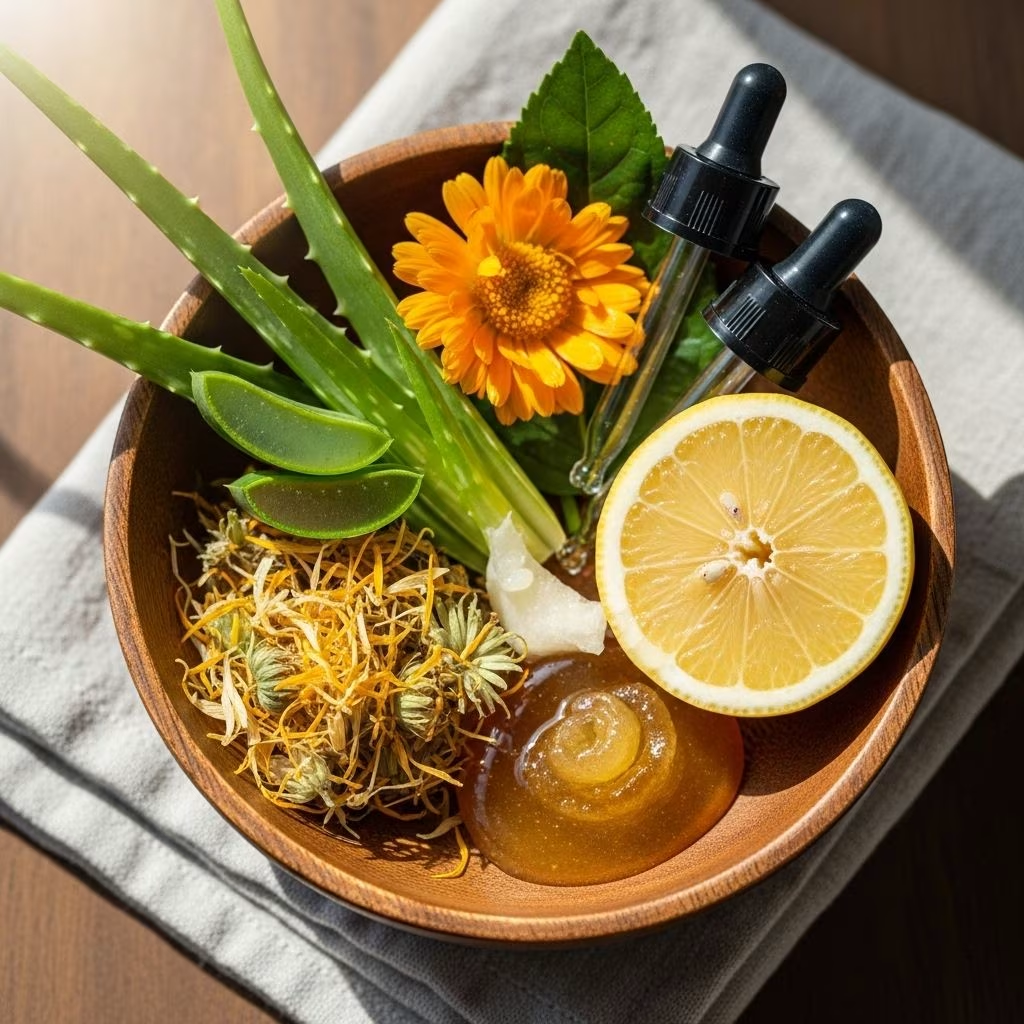
Seasonal Allergies: Natural Relief through Acupuncture and Holistic Health
Seasonal allergies affect millions worldwide, leading to symptoms such as sneezing, congestion, itchy eyes, and fatigue. While conventional medications like antihistamines offer symptomatic relief, many individuals seek holistic, natural approaches that treat root imbalances rather than masking symptoms. Acupuncture, a core practice of Traditional Chinese Medicine (TCM), has emerged as a highly effective treatment for allergy prevention and symptom relief, supported by growing clinical evidence. This article explores how acupuncture, herbal medicine, dietary adjustments, and lifestyle practices provide comprehensive relief for seasonal allergies.
Understanding Seasonal Allergies: The Western and Eastern Perspectives
Western medicine defines allergies as the immune system’s overreaction to harmless substances (allergens) such as pollen, mold, or dust. This response triggers the release of histamines, leading to inflammation of the respiratory tract and familiar symptoms like sneezing and congestion.
Traditional Chinese Medicine (TCM) approaches allergies through the lens of energy balance within the body. Allergies are viewed primarily as a weakness in Wei Qi—the body’s defensive energy, akin to the immune system. When Wei Qi is depleted or imbalanced, the body becomes vulnerable to external pathogenic factors such as wind (symbolically representing airborne allergens). TCM treatments aim to strengthen Wei Qi, address underlying patterns of imbalance, and restore overall health.
- Western Symptoms: Sneezing, nasal and sinus congestion, itchy eyes, fatigue.
- TCM Focus: Wei Qi deficiency, Lung and Spleen energy, presence of “Wind” and “Dampness.”
Acupuncture: How it Relieves Allergy Symptoms
Acupuncture involves the insertion of ultra-fine needles into specific points on the body, known as acupuncture points. These points connect to meridians, or energy channels, each corresponding to organs and physiological systems. For allergies, acupuncturists select points that support immune function, reduce inflammation, and clear nasal passages.
- Reduces Inflammation: Targeted needling decreases local and systemic inflammation, easing nasal congestion and sinus pressure.
- Regulates Immune Response: Acupuncture modulates the immune system, helping prevent the overactive histamine response to allergens.
- Improves Circulation: Stimulates blood flow to the sinuses, promoting drainage and easing sinus discomfort.
- Enhances Wei Qi: Treatments strengthen the body’s defenses, reducing sensitivity to future allergen exposure.
- Balances Energy: By harmonizing Qi, acupuncture alleviates underlying imbalances that exacerbate allergy symptoms.
Patients often report noticeable relief from congestion and sinus discomfort within minutes of a session, with cumulative results from regular treatments.
Commonly Used Acupuncture Points for Allergies
- LI 4 (Hegu) – Regulates immune function, eases sinus congestion, and reduces pain.
- LI 20 (Yingxiang) – Located beside the nostrils, effective for nasal blockage and sinusitis.
- GV 20 (Baihui) – Calms the body’s allergic response.
- Bitong – Local point for congestion and runny nose.
- ST 36 (Zusanli) – Strengthens overall immunity and digestive balance.
Acupuncturists personalize treatment plans based on individual patterns, considering symptoms, constitution, and the underlying causes identified through TCM diagnosis.
Chinese Herbal Medicine: Supporting Allergy Relief
Herbal medicine is a foundational pillar of TCM in allergy management. Custom herbal formulas are tailored to address constitutional weaknesses and acute symptoms. These formulas strengthen immunity, clear allergens, and reduce inflammation.
| Herbal Formula | Main Benefit | Typical Uses |
|---|---|---|
| Yu Ping Feng San (Jade Windscreen) | Strengthens immunity, protects against allergens | Prevention of allergic flare-ups, Wei Qi deficiency |
| Xiao Feng San (Eliminate Wind Powder) | Reduces itchiness, rashes, and inflammation | Skin allergies, atopic conditions |
| Cang Er Zi San | Clears nasal passages, relieves sinus congestion | Acute sinusitis, persistent nasal blockage |
Herbs are paired to complement acupuncture and dietary adjustments, providing multi-faceted support for allergy sufferers. Always consult a licensed practitioner for an appropriate formula tailored to your unique constitution and pattern.
Dietary Adjustments for Allergy Management
Diet plays a crucial role in TCM’s approach to seasonal allergy relief. Certain foods enhance immune resilience, while others moderate inflammation and dampness. Here are science-backed and traditional recommendations for dietary support:
- Limit mucus-producing foods: Avoid dairy, sugar, and heavily processed foods, as these increase “dampness” and mucus in the respiratory tract.
- Eat anti-inflammatory foods: Opt for ginger, turmeric, garlic, leafy greens, green tea, and omega-3-rich foods such as salmon or flaxseed.
- Avoid cold and raw foods: Excessive cold foods can weaken Spleen Qi (energy), reducing digestion and immune function.
- Favor warming spices: Incorporate small amounts of ginger, cinnamon, cumin, and cayenne to promote circulation and clear phlegm.
- Enjoy strengthening foods: Cooked grains, squashes, pears, and mild fruits are considered lung-supportive, especially in autumn.
- Avoid dampness-producing fruits: Limit citrus, bananas, and melons during high allergy seasons.
Sample TCM-Supported Diet for Allergy Season
| Food Category | Examples | TCM Effect |
|---|---|---|
| Anti-inflammatory | Ginger, turmeric, leafy greens, salmon | Reduces overall inflammation |
| Mucus-reducing | Avoid dairy, sugars, processed foods | Decreases respiratory congestion |
| Qi-strengthening | Squash, cooked grains, pears | Supports Spleen and Lung Qi |
| Warming spices | Cinnamon, cumin, cayenne | Promotes circulation, dries dampness |
Holistic Lifestyle Tips: Complementing Therapy
Acupuncture and dietary changes are further enhanced by supportive lifestyle practices. TCM emphasizes personalized, proactive routines that nourish immunity and reduce stress-induced flare-ups.
- Use nasal rinses: Daily saline nasal rinsing flushes out allergens and relieves congestion.
- Essential oil diffusion: Eucalyptus or peppermint oils promote open airways and clearer breathing. Diffuse at home during peak allergy seasons.
- Exercise regularly: Activities such as Tai Chi, Qigong, or mindful walking boost lung capacity and reduce stress.
- Prioritize stress management: Chronic stress weakens Wei Qi; add deep breathing, meditation, or yoga to bolster immune resilience.
- Sleep hygiene: Adequate, restorative sleep promotes the body’s ability to heal and recover from allergy-induced inflammation.
- Create an allergen-free environment: Regular cleaning, HEPA filters, and reducing dust/mold exposure minimize symptoms.
Integrative Approach: Why Combination Matters
Research indicates the best allergy relief results from combining acupuncture, herbal medicine, and lifestyle/dietary modifications. This integrative approach addresses:
- Immediate symptom relief (e.g., congestion, sneezing)
- Long-term immune balance (reducing sensitivity to allergens)
- Overall health and vitality (supporting energy, sleep, stress reduction)
According to recent clinical studies and practitioner experience, patients devoted to regular acupuncture, herbal protocols, and mindful living report a marked decrease in allergy flare-ups, faster recovery during attacks, and greater year-round wellness.
Frequently Asked Questions About Acupuncture for Seasonal Allergies
Q: How quickly will I see improvement with acupuncture?
A: Many patients feel nasal relief and reduced congestion at their first session. Sustained results often require a series of treatments, especially for chronic allergies or underlying Qi deficiencies.
Q: Are acupuncture and herbal treatments safe for everyone?
A: Acupuncture is considered safe when performed by licensed practitioners. Herbal prescriptions should be tailored by professionals, especially for those on medications, pregnant, or managing complex health issues.
Q: Can I use acupuncture alongside my current allergy medications?
A: Yes, acupuncture can complement conventional allergy therapies. Over time, many people find they require less medication as symptoms improve. Always consult your physician before making changes to prescribed regimens.
Q: Are the benefits of acupuncture for allergies supported by evidence?
A: Multiple clinical trials and patient surveys show acupuncture reduces allergy severity, improves sinus health, and supports immune function. Results and recommendations vary, so consult a knowledgeable practitioner for a personalized plan.
Q: What should I expect during an acupuncture session for allergies?
A: You’ll undergo a comprehensive intake to identify your allergy pattern. Treatments involve gentle insertion of needles at key points on the hands, feet, face, and body. Sessions are typically relaxing, with positive effects reported within minutes to hours post-treatment.
Expert Advice: When to Seek Acupuncture for Allergies
- Early Intervention: Begin acupuncture before allergy season for preventive immune support.
- During Acute Flare-Ups: Sessions help alleviate severe symptoms, accelerate recovery, and prevent complications.
- For Chronic or Refractory Allergies: Individuals with ongoing or medication-resistant symptoms benefit most from holistic TCM care.
- For Those Seeking Drug-Free Options: Acupuncture and TCM offer natural, side-effect-free relief.
Consult practitioners with expertise in allergy-focused acupuncture and Chinese herbal medicine. Personalized care ensures safe, effective relief aligned with your unique constitution and health needs.
Key Takeaways: Living Well with Seasonal Allergies
- Acupuncture offers natural relief and lasting immune resilience against seasonal allergies.
- Chinese herbal medicine complements acupuncture, addressing underlying imbalances and symptoms.
- Diet and lifestyle modifications significantly reduce allergy severity and frequency.
- An integrative, personalized approach delivers superior results compared to singular or conventional methods.
- Expert guidance from a licensed practitioner ensures safety and optimal outcomes.
Embracing holistic, natural therapies helps allergy sufferers regain control of their health and enjoy every season with increased vitality and comfort.
References
- https://www.mainlinehealth.org/blog/allergies-and-acupuncture
- https://pmc.ncbi.nlm.nih.gov/articles/PMC4479426/
- https://www.nuhs.edu/acupuncture-herbal-medicine-tips-that-will-help-you-survive-allergy-season/
- https://calvertrejuvenations.com/acupuncture-for-seasonal-allergies/
- https://medicalacupuncture.org/acupuncture-and-seasonal-allergies/
- https://www.myprivia.com/sites/default/files/2025-04/iim_Acupuncture%20_Seasonal_Allergies.pdf
- https://www.sutterhealth.org/health/healing-seasonal-allergies
- https://chamberscenterforwellbeing.org/acupuncture-for-seasonal-allergies/


