


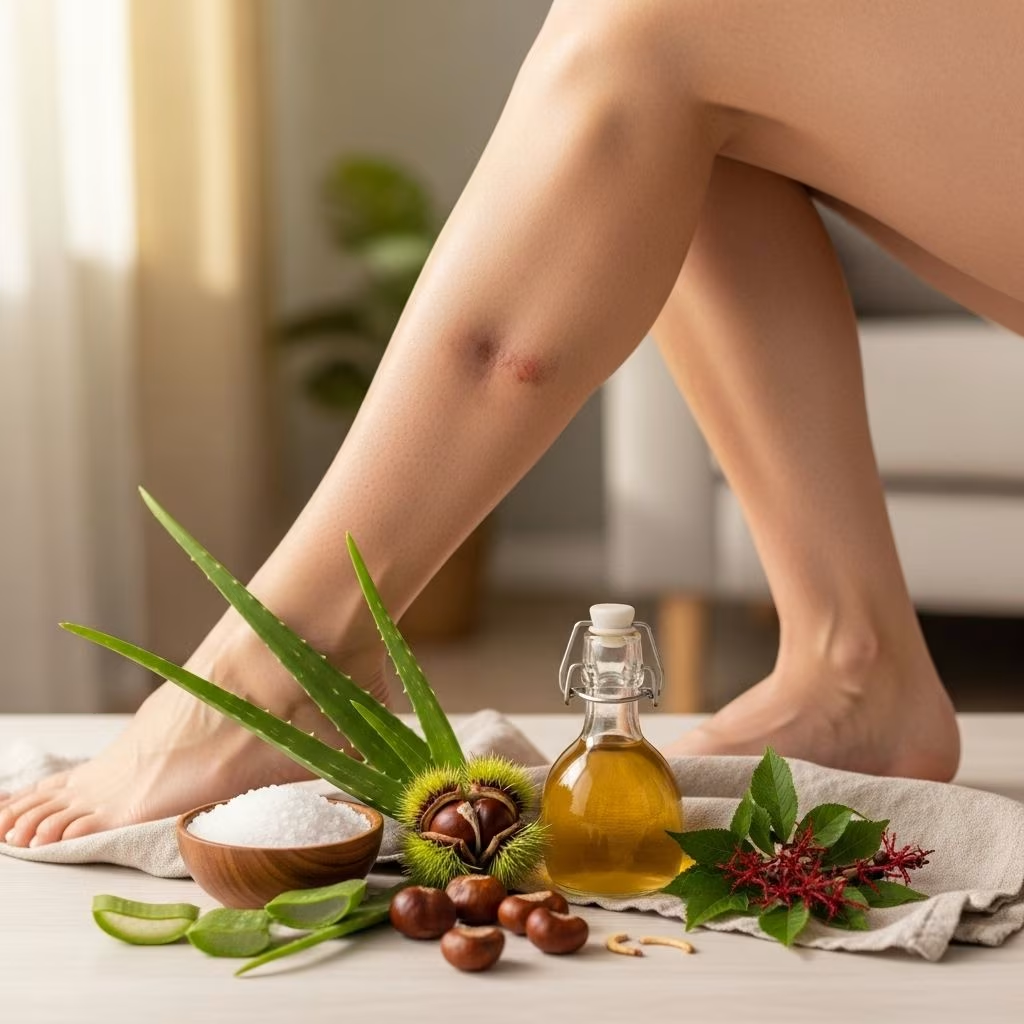
Natural Remedies to Eliminate Varicose Veins
Varicose veins are a common circulatory condition marked by swollen, twisted veins just beneath the skin, frequently appearing on the legs. For many, they are not just a cosmetic issue—they can cause discomfort, heaviness, and aching sensations. While medical procedures exist, numerous natural remedies and lifestyle changes can help alleviate their symptoms and even prevent further progression. This article presents a detailed guide to managing varicose veins naturally, including evidence-based advice, dietary recommendations, herbal supplements, and home care tips.
Understanding Varicose Veins: Causes and Symptoms
Varicose veins arise when vein valves fail to function properly, causing blood to pool rather than return to the heart. Common symptoms include:
- Prominent, twisted blue or purple veins
- Swelling in the lower legs and ankles
- Aching, heaviness, burning, or throbbing in the legs
- Muscle cramps, especially at night
- Dry or itchy skin
Contributing factors are genetics, hormone changes, pregnancy, obesity, sedentary lifestyles, and prolonged standing or sitting.
Lifestyle Changes for Varicose Vein Relief
Simple adjustments in your daily routine can play a significant role in improving vein function and reducing varicose vein discomfort.
- Exercise Regularly: Activities such as walking, swimming, cycling, and yoga enhance blood flow in the legs, strengthen muscles, and lower blood pressure, all of which reduce strain on veins.
Tip: Aim for at least 30 minutes of low-impact exercise most days of the week for best results. - Elevate Your Legs: Several times daily, raise your legs above heart level for 15-20 minutes to facilitate venous return and minimize swelling.
- Maintain a Healthy Weight: Extra pounds increase pressure on lower body veins. Losing weight can significantly ease varicose vein symptoms and prevent new ones from developing.
- Avoid Prolonged Sitting or Standing: Frequent movement encourages circulation and prevents blood pooling. Take breaks to walk or stretch, especially at work.
- Quit Smoking: Smoking negatively affects blood vessels and circulation, increasing the risk of varicose veins.
Dietary Approaches for Vein Health
A well-balanced diet provides vital nutrients for blood vessel health and reduces inflammation. Focus on these dietary components:
- High-Fiber Foods: Fiber-rich foods like whole grains, beans, lentils, fruits, and vegetables prevent constipation, reducing pressure on veins and helping them function optimally.
- Anti-Inflammatory Foods: Berries, leafy greens, fatty fish, nuts, and seeds help reduce inflammation that contributes to vein issues.
- Foods Rich in Flavonoids: Flavonoids strengthen blood vessels and improve circulation. Enjoy apples, berries, onions, broccoli, garlic, and green tea regularly.
- Hydration: Drink plenty of water throughout the day; dehydration can lead to thicker blood and poorer circulation.
| Food | Nutrient/Benefit | Sample Serving |
|---|---|---|
| Berries | Antioxidants, flavonoids | 1 cup/day |
| Leafy Greens | Vitamin C, fiber | 2 cups/day |
| Whole Grains | Fiber, minerals | 3 servings/day |
| Fatty Fish | Omega-3s, anti-inflammatory | 2 servings/week |
| Garlic & Onions | Flavonoids, circulation | Daily |
Herbal and Nutritional Supplements for Varicose Vein Management
Certain herbs and supplements may enhance vein tone, reduce swelling, and relieve symptoms:
- Horse Chestnut Extract: Shown to decrease swelling, improve vein tone, and reduce discomfort. Popular in European herbal medicine for chronic venous insufficiency.
- Butcher’s Broom (Ruscus aculeatus): Supports blood flow, reduces inflammation, and is approved for chronic venous insufficiency by European health authorities.
- Bilberry: Contains anthocyanosides that strengthen blood vessels and assist with circulation; antiangiogenic properties may reduce the development of new varicose veins.
- Grape Seed Extract: Rich in antioxidants, it protects blood vessels and may improve circulation.
- Bromelain: An enzyme found in pineapples that breaks down fibrin, which can promote healthier circulation and ease swelling.
Always consult your health provider before starting new supplements to ensure safety and effectiveness.
Essential Oils for Symptom Relief
Some essential oils can support circulation and provide relief from pain or swelling associated with varicose veins:
- Cypress Oil: Promotes circulatory health, reduces inflammation.
- Peppermint Oil: Cooling effect, soothes discomfort.
- Lavender Oil: Helps reduce pain and swelling, and supports relaxation.
Apply essential oils diluted in a carrier oil and gently massage into affected areas. Avoid applying directly to broken skin.
Compression Therapy: Stockings and Socks
Compression stockings are specially designed to apply pressure on the legs, promoting blood flow and reducing swelling. While not strictly a ‘natural’ remedy, their non-invasive nature makes them a crucial part of home management:
- Graduated Compression: Provides most pressure at the ankle, gradually decreasing up the leg.
- Consultation: Seek advice from a healthcare provider for optimal fit and compression level.
Regular use reduces aches, heaviness, and swelling, and may prevent worsening of vein issues.
Additional Home Care Tips
- Epsom Salt Baths: Soaking in Epsom salt may help reduce inflammation and lower swelling in affected legs.
- Hot & Cold Compresses: Alternating compresses can relax muscles and improve blood flow, easing discomfort.
- Massage: Gentle massage (without pressing directly on veins) enhances circulation and soothes pain. Use in conjunction with essential oils for added benefit.
Preventing Varicose Veins: Proactive Strategies
Prevention is possible, particularly if you are at higher risk due to family history, pregnancy, or lifestyle factors. Adopt these habits:
- Exercise consistently, focusing on leg muscles.
- Wear compression stockings when sitting or standing for extended periods.
- Eat a fiber-rich, anti-inflammatory diet.
- Elevate legs regularly.
- Manage weight effectively.
- Refrain from smoking.
- Stay hydrated throughout the day.
Table: Common Evidence-Based Remedies
| Remedy | Primary Effect | Scientific Support |
|---|---|---|
| Exercise | Improves circulation, strengthens muscles | Strong evidence |
| Compression Stockings | Reduces swelling, aids blood return | Widely recommended |
| Butcher’s Broom | Reduces inflammation, improves blood flow | Some clinical data |
| Horse Chestnut | Reduces swelling, improves vein tone | Several studies |
Frequently Asked Questions (FAQs)
Q: Can varicose veins be completely cured by natural remedies?
A: While natural remedies can significantly reduce symptoms and prevent progression, advanced varicose veins may require medical intervention. Early-stage veins are more responsive to home care and lifestyle changes.
Q: Are herbal remedies like horse chestnut and butcher’s broom safe?
A: Generally, these herbs are well-tolerated but may interact with some medications or health conditions. Always consult your doctor before starting new supplements.
Q: How often should compression stockings be worn?
A: Compression stockings are usually worn throughout the day, especially during periods of prolonged sitting or standing. Remove at night unless directed otherwise by your healthcare provider.
Q: What exercises are best for varicose vein prevention?
A: Low-impact activities that activate the calf muscles—walking, swimming, cycling, and yoga—are most effective.
Q: Does diet really matter?
A: Absolutely; a high-fiber and antioxidant-rich diet supports vein health, reduces inflammation, and can help manage weight—an important factor for preventing varicose veins.
Summary and Next Steps
Combining lifestyle changes, dietary improvements, herbal supplements, and home remedies can dramatically improve symptoms associated with varicose veins and may delay or prevent the need for medical procedures. For persistent pain, severe swelling, or if home strategies do not provide relief, consult a vascular specialist for further evaluation.
References
- Discovering the Best Natural Treatments for Spider Veins and Varicose Veins
- Can You Get Rid of Varicose Veins Naturally?
- Top Varicose Vein Home Remedies to Help Relieve Discomfort in Legs
- Herbs & Supplements for Vein Disorders
- 10 Home Remedies for Varicose Veins
- Home Remedies for Varicose Veins
- Varicose Veins – Mayo Clinic
- 10 Tips for Relieving Varicose Veins at Home
- Home Remedies For Varicose Veins
References
- https://www.susanbiegelmd.com/blog/discovering-the-best-natural-treatments-for-spider-veins-and-varicose-veins/
- https://www.glmi.com/blog/can-you-get-rid-of-varicose-veins-naturally
- https://www.vrads.com/blog/top-varicose-vein-home-remedies-to-help-relieve-discomfort-in-legs/
- https://veinhealthcarecenter.com/patient-information.php?Alternative-Treatments-3
- https://www.medicalnewstoday.com/articles/321703
- https://health.clevelandclinic.org/varicose-vein-remedies
- https://www.mayoclinic.org/diseases-conditions/varicose-veins/diagnosis-treatment/drc-20350649
- https://www.metroveincenters.com/blog/10-tips-for-relieving-varicose-veins-at-home
- https://www.centerforvein.com/blog/home-remedies-for-varicose-veins


