


Introduction to H. Pylori
Helicobacter pylori (H. pylori) is a type of bacteria that can infect the stomach lining and is associated with peptic ulcers and gastritis. It is common worldwide, affecting more than half of the global population, though not everyone develops symptoms or complications.
Conventional Treatment vs. Natural Remedies
Conventional treatment typically involves a combination of antibiotics and proton pump inhibitors (PPIs) to eradicate the bacteria. However, some individuals may experience side effects or resistance to antibiotics, leading to increased interest in natural remedies as supplementary treatments.
Natural Remedies for H. Pylori
1. Probiotics
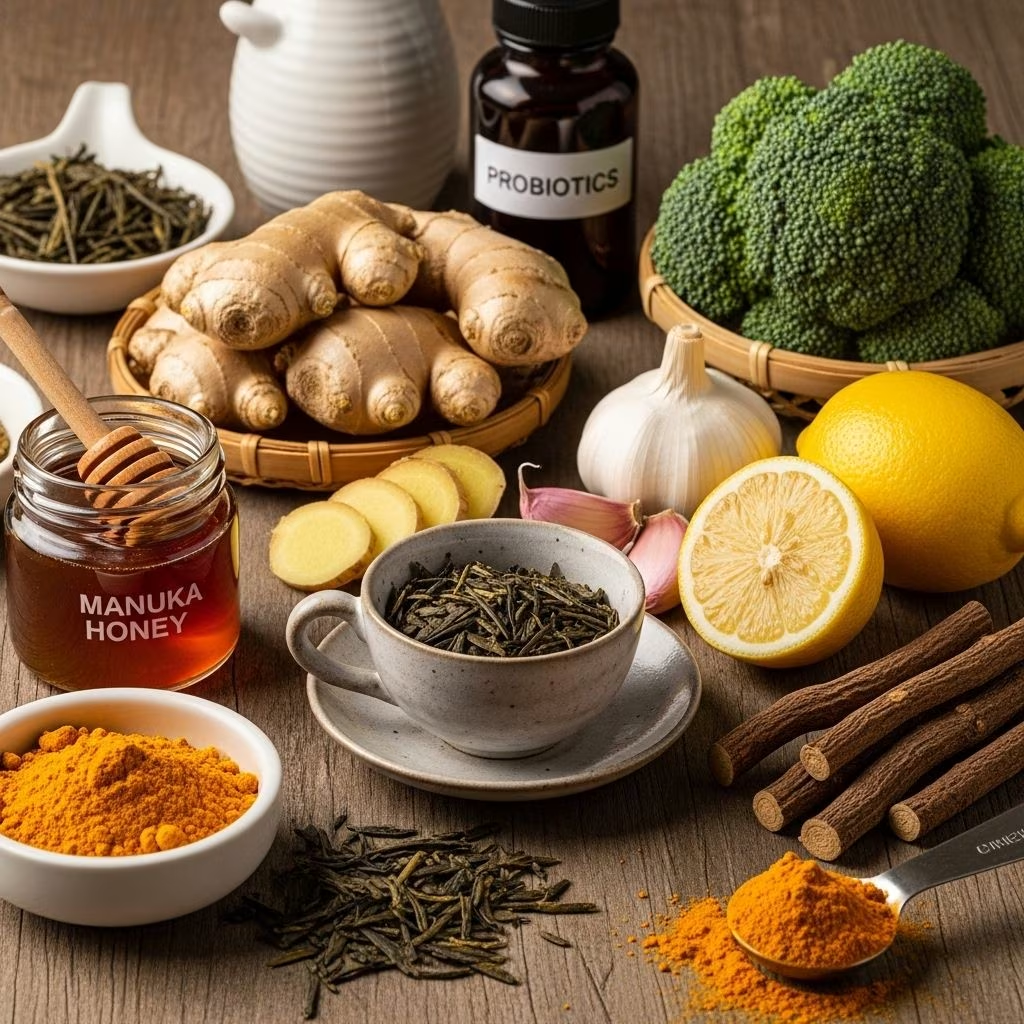
Probiotics are beneficial bacteria that can help balance the gut microbiome, potentially reducing H. pylori levels. Foods rich in probiotics include yogurt, kefir, and fermented vegetables.
2. Green Tea
Green tea contains catechins, which have been shown in some studies to help reduce peptic ulcers and potentially inhibit H. pylori growth.
3. Honey
Honey, particularly raw honey and Manuka honey, has antibacterial properties that may inhibit the growth of H. pylori. While it may not eradicate the bacteria, it can help manage symptoms and support healing.
4. Licorice Root
Licorice root has been found to enhance the eradication rates of H. pylori when used alongside conventional treatments. It may also help prevent the bacteria from adhering to stomach lining cells.
5. Broccoli Sprouts
Broccoli sprouts contain compounds like sulforaphane, which have shown potential in reducing H. pylori levels.
6. Garlic
Garlic has been suggested to have antibacterial effects against H. pylori, although more research is needed to confirm its efficacy.
7. Propolis
Propolis, a resin collected by bees, contains various compounds that have been shown to inhibit H. pylori growth.
8. Cranberries
Cranberries may help prevent H. pylori adhesion to the stomach lining, though their effectiveness against the infection is still under investigation.
9. Omega-3 Fatty Acids
Omega-3 fatty acids, found in fish and flaxseeds, may reduce inflammation in the stomach, creating a less favorable environment for H. pylori growth.
Dietary Changes to Manage H. Pylori
Foods to Include
- Probiotic-rich foods like yogurt and kefir.
- Cruciferous vegetables such as broccoli and cauliflower.
- Fatty fish and flaxseeds for omega-3s.
- Raw honey and other antioxidant-rich foods.
Foods to Avoid
- Spicy foods that can irritate the stomach lining.
- Carbonated beverages and caffeine.
- Pickled foods which may exacerbate symptoms.
Stress Management and Lifestyle Changes
High stress levels can worsen H. pylori symptoms and reduce immune function. Practices like meditation, yoga, and deep breathing can help manage stress.
FAQs
Q: Can natural remedies completely cure H. Pylori?
A: While natural remedies can help manage symptoms and reduce bacterial load, they usually do not eradicate H. pylori completely. Conventional antibiotic treatments are typically necessary for full eradication.
Q: Should natural remedies replace conventional treatments?
A: No, natural remedies should be used in conjunction with, not as a replacement for, conventional treatments. Always consult with a healthcare provider before starting any new regimen.
Q: How long does it take for symptoms to improve with natural remedies?
A: The time it takes for symptoms to improve can vary depending on the individual and the effectiveness of the remedy. Some people may notice improvements within weeks, while others may require longer.
Conclusion
Natural remedies can be a valuable adjunct to conventional treatments for H. pylori. By incorporating these remedies into a comprehensive treatment plan, individuals may experience improved symptoms and overall health. However, it is crucial to consult with a healthcare provider before starting any new treatments.
References
- https://www.healthline.com/health/digestive-health/h-pylori-natural-treatment
- https://draxe.com/health/h-pylori/
- https://www.medicalnewstoday.com/articles/322627
- https://www.magrabihealth.com/blog/h-pylori
- https://pmc.ncbi.nlm.nih.gov/articles/PMC4848239/
- https://www.frontiersin.org/journals/medicine/articles/10.3389/fmed.2023.1324473/full
- https://www.scientificarchives.com/article/recent-advances-in-diagnosing-and-treating-helicobacter-pylori-through-botanical-extracts-and-advanced-technologies
- https://ucfhealth.com/our-services/lifestyle-medicine/h-pylori-diet/
- https://www.vinmec.com/eng/blog/9-science-backed-home-remedies-for-stomach-ulcers-en


