


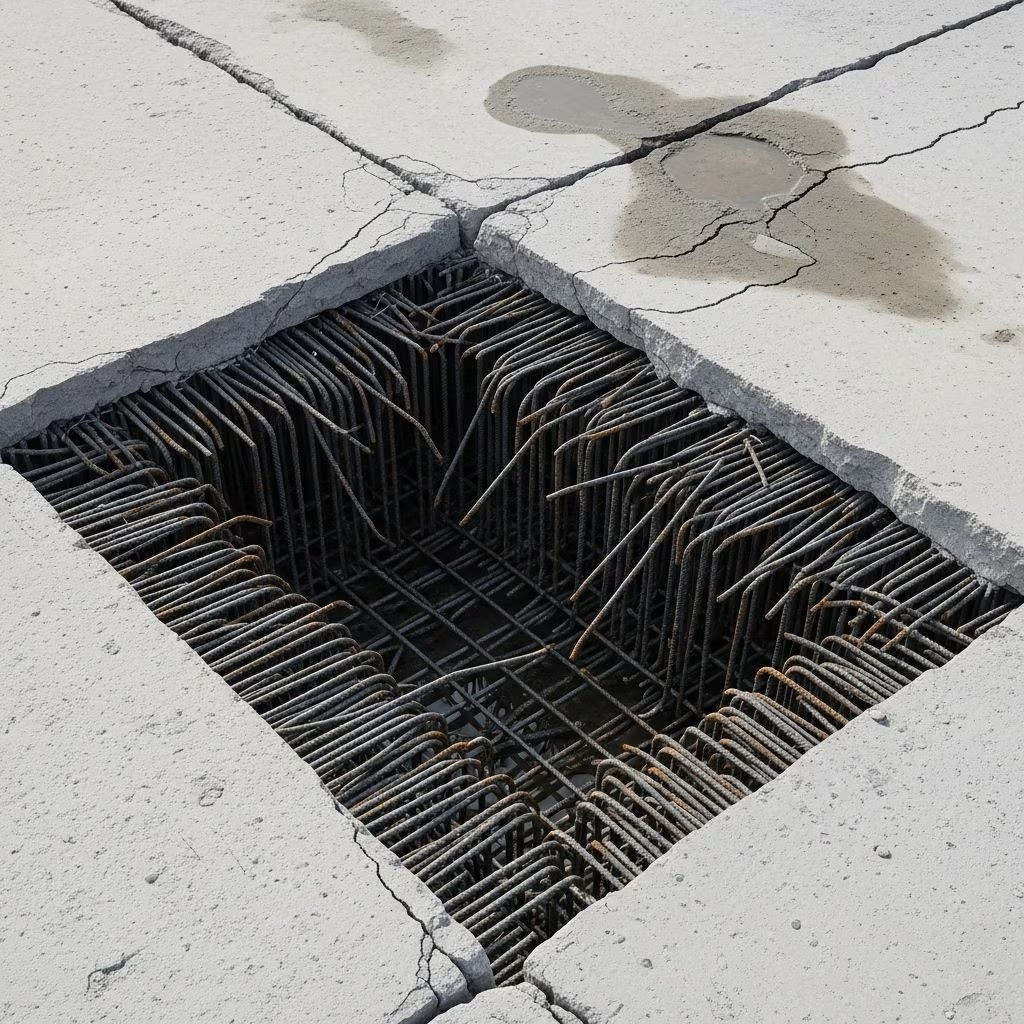
Excess Steel Reinforcement in Concrete: Understanding Challenges and Solutions
Steel reinforcement is vital for modern concrete construction, providing the necessary tensile strength and durability to structures. However, using excessive steel reinforcement—beyond the structural requirements—can lead to a range of construction and operational problems. This article explores the nature, causes, risks, detection methods, effects, and solutions related to over-reinforcement in concrete, equipping engineers and construction professionals with actionable insights for safer, cost-effective design.
Definition and Importance of Steel Reinforcement
Steel reinforcement, commonly known as rebar, is embedded within concrete to enhance its low tensile strength. While concrete is excellent in compression, its ability to resist tensile and shear forces is limited. Embedding steel bars ensures that the resulting reinforced concrete can safely bear complex loads, resist cracking, and maintain durability under service conditions. The synergy between steel and concrete is based on their similar coefficients of thermal expansion and chemical compatibility, which prevents corrosion and enables composite action.
Typical reinforcement ratios for structural concrete range from 0.8% to 6% by cross-sectional area, depending on the element and codes in use. However, exceeding recommended steel percentages can be counterproductive, leading to inefficiencies and defects.
Problems Caused by Excess Steel Reinforcement
Over-reinforcement in concrete structures introduces critical challenges at various stages of construction and through the service life. The primary problems include:
- Hindrance to Concrete Placement: Too much steel crowds the formwork, restricting the flow of concrete and increasing the probability of voids or honeycombing.
- Poor Compaction: Difficulties in vibrating and compacting concrete properly around densely packed bars can result in incomplete filling and weak zones.
- Cracking and Shrinkage: Excess steel generates high restraint within the matrix, causing shrinkage cracks due to internal stresses as concrete contracts during curing.
- Honeycombing and Voids: Insufficient space inhibits full encapsulation of steel by concrete, promoting the formation of air pockets or honeycomb defects.
- Reduced Structural Performance: Contrary to intuition, over-reinforced sections can be less ductile, failing suddenly (brittle failure) and without warning, as opposed to ductile yielding seen in optimal reinforcement scenarios.
- Higher Material and Labor Costs: Unnecessary steel escalates project costs and complicates construction logistics without tangible gains in capacity or durability.
- Difficulty in Achieving Adequate Concrete Cover: Dense reinforcement often pushes bars closer to the concrete surface, diminishing cover and compromising durability and fire resistance.
- Aesthetic Defects: Surface issues may arise from debris or tie wires trapped against congested steel patterns, impacting visual quality.
Causes of Over-Reinforcement in Concrete Structures
Several factors contribute to the accidental or intentional use of excess steel reinforcement:
- Design Errors: Overestimation of loads, misinterpretation of codes, or absence of proper design checks can inflate reinforcement demands.
- Poor Communication: Inadequate coordination between design, detailing, and site personnel may lead to using higher steel areas than specified.
- Conservative Practice: A tendency to “over-design” for perceived safety can result in reinforcement beyond necessary limits, violating code provisions.
- Improper Bar Arrangement: Congested layouts due to grouping multiple bars or choosing inappropriate bar diameters may force more steel into the available space.
- Variation During Construction: Unforeseen changes, errors in bar cutting schedules, or supply of incorrect bar sizes may compel contractors to use additional steel on site.
- Lack of Skilled Supervision: Insufficient oversight or absence of qualified engineers during placement and inspection phases increases the risk of over-reinforcement.
How to Detect Excess Steel Reinforcement
Timely detection of over-reinforcement is essential to avoid defects and ensure compliance with design intent. Methods for detection include:
- Physical Inspection of Reinforcement Layout: Visual checks and measurement of bar spacing, cover, and arrangement against engineering drawings and specifications.
- Non-Destructive Testing (NDT): Use of ground-penetrating radar (GPR), cover meters, or magnetic locators to assess steel distribution, bar counts, and clear cover in hardened concrete.
- Review of Bar Bending Schedules: Systematic comparison of supplied steel quantities, cutting lists, and as-built placement records with the original structural drawings.
- On-Site Mock-Ups: Constructing representative models or sample panels before mass placement helps reveal potential congestion issues and facilitates necessary adjustments.
Effects of Excessive Reinforcement
Over-reinforcement undermines both the immediate quality and long-term performance of concrete structures:
- Restricted Concrete Flow: Densely spaced steel bars impede adequate flow and compaction of the concrete mix, leading to honeycombing and incomplete coverage.
- Loss of Ductility: Over-reinforced sections tend to fail suddenly, displaying brittle fracture without giving warning signs, which is highly undesirable in earthquake-prone or critical infrastructure.
- Early-Onset Surface Cracks: The internal restraint imposed by excess steel can drive distinctive cracking along rebar patterns, compromising the structure’s protective skin and aesthetics.
- Construction Difficulties: More time and effort are required to place, tie, and inspect excess steel, slowing down the construction process and increasing the likelihood of errors.
- Increased Risk of Durability Problems: Poor compaction around congested bars exposes steel to environmental attack, raising the probability of corrosion and, eventually, spalling of the cover concrete.
- Cost Implications: Not only does excess steel add to material costs, but it also results in wastage through cut-offs and rejections, raising the overall project budget without adding value.
| Effect | Description |
|---|---|
| Honeycombing | Air voids or gaps due to poor flow around tightly packed bars, leading to reduction in strength and durability |
| Premature Cracking | Increased internal stresses generate early cracks aligned with rebar grid |
| Ductility Loss | Over-reinforced members fail without warning due to limited steel yielding |
| Surface Defects | Exposed tie wires and debris around congested areas mar finish quality |
| Durability Reduction | Lowered concrete cover promotes steel corrosion and weathering effects |
Remedies and Preventive Measures
Mitigating the risks associated with excess reinforcement requires a mix of vigilant design, careful planning, and informed supervision. Core remedies include:
- Optimize Structural Design: Ensure accurate load calculations and use of the latest structural codes to limit reinforcement to the required values. Cross-check with peer reviews.
- Rational Detailing: Use appropriate bar diameters and spacing to avoid congestion. Detail alternates such as bundled bars or welded mesh where necessary to optimize placement.
- Quality Assurance in Construction: Strictly implement site checks on bar placement, cover blocks, and formwork clearances before pouring concrete. Conduct trial assemblies if needed.
- Use of Concrete Additives: Employ admixtures or superplasticizers to improve concrete workability, ensuring that it can flow through tightly configured steel layouts.
- Advanced Placing Techniques: Adopt proper vibration and placement strategies (such as self-compacting concretes) where minor reinforcement crowding cannot be avoided.
- Training and Supervision: Regularly train construction personnel and site supervisors on correct reinforcement practices, inspection techniques, and documentation.
- Redesign When Necessary: If excess reinforcement is detected during construction, evaluate the feasibility of modifying the structural design, or re-detail with proper justification.
Best Practices for Reinforcement Placement
- Follow minimum and maximum steel percentage guidelines as per design codes (e.g., ACI/IS/Eurocode), ensuring neither under- nor over-reinforcement occurs.
- Maintain correct bar spacing (preferably not less than 1.5 times the bar diameter, or 25mm, whichever is greater) to allow effective concrete flow and compaction.
- Employ cover blocks or chairs to ensure sufficient concrete cover, protecting rebars from corrosion and fire hazards.
- Prefer smaller diameter bars at closer spacing over large diameter bars closely grouped together, which promotes uniform force distribution.
- Use well-prepared bar bending schedules and avoid unnecessary lap splices or overlaps that add to congestion.
- Engage in peer review and supervision by experienced structural engineers for projects involving complex or heavy reinforcement.
Frequently Asked Questions (FAQs)
Q1: Why is over-reinforcement discouraged in concrete structures?
Over-reinforcement leads to practical construction difficulties such as poor compaction, honeycombing, and shrinkage cracks, while also promoting brittle rather than ductile failure, which is unsafe for critical infrastructure.
Q2: How can engineers avoid excessive steel in practical design?
Strict adherence to code-specified reinforcement ratios, careful detailing, and thorough peer review during the design stage help prevent overuse of steel in structural concrete.
Q3: What are the signs of excess steel placement at the construction site?
Common signs include visible steel congestions, difficulty placing or vibrating concrete, irregular cracks, and exposed rebar close to the concrete surface.
Q4: Is there a minimum and maximum limit for steel as per code?
Yes, codes such as ACI, IS 456, and Eurocode prescribe minimum and maximum steel content for different structural elements to ensure safety, economy, and durability.
Q5: What should be done if over-reinforcement is identified after casting?
A structural assessment should be carried out to determine if remedial measures like surface finishing, crack repair, or even partial dismantling are necessary, based on the severity and effect on structural performance.
Conclusion
While reinforced concrete is indispensable in modern construction, excess steel reinforcement does not enhance structure strength proportionally and may introduce significant risks and costs. Professional vigilance, code compliance, and sound construction practices are the only way to ensure robust, durable, and economical structures.
References
- https://sidastructures.com/blog/too_much_rebar_is_used_in_concrete
- https://www.eng-tips.com/threads/too-much-rebar.349110/
- https://www.engineeringcivil.com/what-are-the-potential-problems-of-excessive-concrete-covers.html
- https://www.helixsteel.com/news/tackling-the-neverending-challenges-of-concrete-reinforcement/
- https://www.eng-tips.com/threads/excessive-reinforcement-in-columns.483190/


