


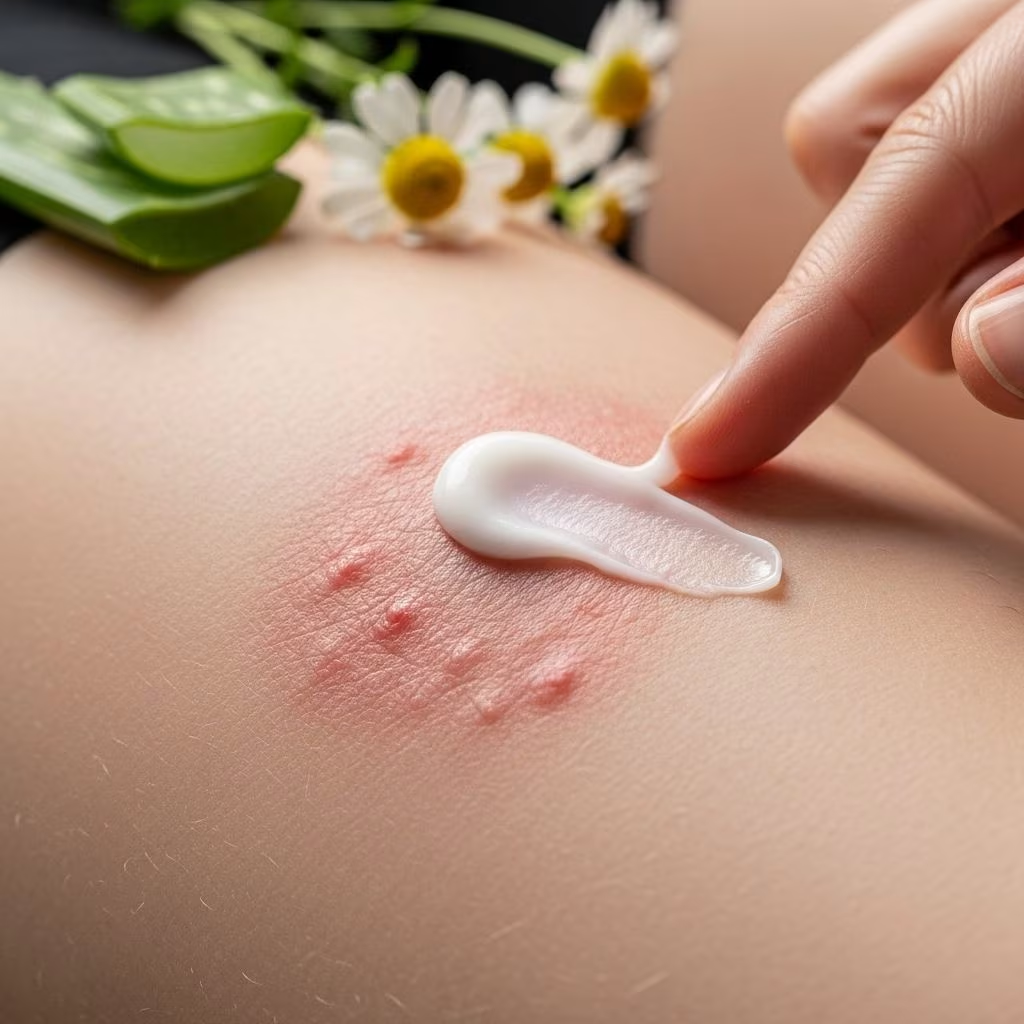
Home Remedies and Prevention for Saddle Sores and Chamois Rash
Saddle sores and chamois rash are among the most common challenges faced by cyclists of all levels. Discomfort, pain, or even infection can result from these skin irritations, often hindering performance or leading to unwanted downtime. With the right strategies and remedies, however, you can prevent, treat, and manage these problems to ensure a smoother ride on and off the bike.
Understanding Saddle Sores and Chamois Rash
Saddle sores are localized painful skin lesions, often the result of a combination of friction, pressure, heat, and moisture in the sensitive area where your body contacts the saddle. They may present as:
- Chafing or redness
- Painful bumps or boils (folliculitis or cysts)
- Open wounds, blisters, or abscesses
Chamois rash generally refers to broader skin irritation and redness, typically developing as a precursor to more serious saddle sores. Both conditions signal you need to rethink your riding habits, hygiene, and gear.
Common Causes of Saddle Sores and Chamois Rash
- Poor hygiene after rides
- Extended or repeated pressure on the same areas
- Moisture from sweat or wet cycling shorts
- Seams or worn out padding in shorts causing hot spots
- Improper bike fit or saddle height/position
- Lack of lubrication or chamois cream
Prevention: The Best Medicine
The majority of saddle sores and chamois rash can be prevented with a few key practices:
- Prioritize hygiene: Shower and change immediately after a ride. Clean skin discourages bacteria and fungal growth that can turn a minor chafe into an infection.
- Use quality cycling shorts: Invest in padded cycling shorts with a well-designed, seamless chamois. Replace shorts when the padding is worn or the fabric loses its stretch.
- Apply chamois cream: Applying a layer of chamois cream to your skin and the chamois itself reduces friction, soothes the skin, and acts as a barrier against sweat and bacteria.
- Adjust your bike fit: Set your saddle at the correct height and angle for your body. A poorly positioned saddle increases pressure and can exacerbate hot spots.
- Move during rides: Stand up or shift your position every 5 to 10 minutes on long rides to relieve pressure on sensitive areas.
- Wear clean gear: Never reuse unwashed cycling shorts. Launder gear after every ride to reduce bacterial accumulation.
- Condition your skin: Build up ride time incrementally to condition your skin for longer periods in the saddle, especially before multi-day rides.
- Change wet shorts immediately: Do not lounge in your cycling clothes after a ride. Moisture increases risk of skin breakdown and bacterial growth.
At-Home Remedies for Treating Saddle Sores and Chamois Rash
Even with the best prevention, many cyclists will encounter skin troubles eventually. Early intervention is key to minimizing downtime. Here’s how to treat mild to moderate saddle sores and chamois rash at home:
- Keep the area clean and dry: Wash with mild, fragrance-free soap and water. Avoid scrubbing harshly; pat the area dry gently.
- Antibiotic ointment: Apply a thin layer of triple antibiotic ointment (not cream) like Neosporin after washing and before dressing to deter infection and add a protective barrier.
- Air exposure: Whenever possible, allow skin to air-dry. Sleeping without underwear or loose clothing lets the area breathe and speeds healing.
- Topical creams: Diaper rash creams with zinc oxide, lanolin-based ointments, and hemorrhoid creams (such as Preparation H) can reduce inflammation and soothe irritation.
- Tea tree oil: This natural antimicrobial can help dry minor sores quickly—apply with care, diluted, to avoid stinging or further irritation.
- Chamois balm: Some balms made with lanolin, petroleum jelly, or herbal ingredients (like Bag Balm) can lubricate and protect the affected area during healing.
- Corn pads or blister dressings: These can help redistribute pressure away from particularly sore spots, allowing you to ride if absolutely necessary.
- Rest: Take a break from cycling for a day or two if possible to allow your skin to recover.
Note: If your sore is particularly large, seems infected (hot, red, or draining pus), or causes severe pain or fever, consult a healthcare provider. Never ignore worsening symptoms.
Lifestyle and Long-Term Adjustments
While home remedies can relieve and control the symptoms, the best long-term strategy is to adopt habits and equipment that minimize recurrent issues. Consider the following:
- Rotate shorts: Alternate multiple pairs to prolong the life of your chamois and reduce bacterial buildup.
- Upgrade your saddle: Explore different saddle shapes or padding densities to optimize comfort for your anatomy and riding style. Consider a professional bike fit for best results.
- Shaving or trimming: Some cyclists find reduced hair can lower friction, but it can also cause more ingrown hairs and irritation if done incorrectly. Experiment cautiously.
- Monitor skin changes: Watch for persistent or recurrent sores. Early recognition allows quicker intervention.
- Cleanliness routines: Establish a healthy pre- and post-ride hygiene routine. Shower before and after rides when possible, and use gentle skincare products that do not overly dry the skin.
Choosing and Applying Chamois Cream
Chamois cream creates a frictionless barrier between your skin and the chamois pad, reducing irritation during long rides. Not all creams are alike; the right choice depends on your preferences, skin type, and riding intensity.
| Chamois Cream Type | Key Ingredients | Benefits | Best For |
|---|---|---|---|
| Lanolin-based | Lanolin, petroleum jelly | Highly lubricating, long-lasting | Ultra-endurance, dry or sensitive skin |
| Plant-based | Aloe vera, shea butter, natural oils | Gentle, soothing, less likely to clog pores | Riders prone to irritation or allergies |
| Antibacterial-added | Tea tree oil, witch hazel, essential oils | Aids in preventing infection, smells clean | Long or sweaty rides in hot weather |
Application Tips:
- Apply directly to skin and/or onto the chamois before each ride.
- Use a generous amount for long rides or if you are prone to chafing.
- Test new products on a small patch of skin first to rule out allergic reactions.
When to Seek Professional Help
Most saddle sores and rashes resolve with proper care, but do not hesitate to see a doctor if:
- The sore becomes increasingly red, swollen, or starts draining pus.
- You develop a fever or feel generally unwell.
- Pain is preventing normal movement or riding.
- There is no sign of improvement after several days of self-care.
Untreated infections can lead to serious health problems requiring medical intervention—including antibiotics or, rarely, surgical drainage.
Myths and Misconceptions about Saddle Sores
- “Only new cyclists get saddle sores” — False. Even seasoned pros encounter them, especially during hard training or long events.
- “More padding is always better” — Not true. Excessive or worn padding can bunch up and increase friction.
- “Shaving prevents all problems” — Shaving can actually increase risk of ingrown hairs and folliculitis if performed incorrectly.
- “Any cream will work” — Not all skincare creams are designed to withstand the rigors of riding. Specialized chamois creams offer superior protection.
Frequently Asked Questions: Saddle Sores and Chamois Rash
What’s the difference between saddle sores and chamois rash?
Chamois rash is a broad skin irritation often caused by friction or moisture, while saddle sores are more focal, painful lesions resulting from ongoing pressure or infection.
Can I keep riding if I have a saddle sore?
For mild symptoms, riding with careful management (use of pads or creams, adjusted positioning) may be possible. For severe or infected sores, rest and medical evaluation are strongly advised.
Is it safe to use over-the-counter creams?
Yes, creams like triple antibiotic ointments, lanolin-based products, or diaper rash ointments are commonly used. Avoid prolonged use of hydrocortisone creams in the saddle area as these thin the skin.
How often should I replace my cycling shorts?
Replace shorts or chamois when you notice much thinning, loss of compression, or persistent rubbing—usually every 1–2 seasons for regular riders.
What else can I try if home remedies fail?
If your sores do not improve, consider a professional bike fit, trying a new saddle, or consulting a dermatologist for prescription treatments tailored to cycling-related skin problems.
Quick Tips for Staying Comfortable in the Saddle
- Stay dry: Quick-drying shorts and moisture-wicking underwear help minimize skin breakdown.
- Stand periodically: Shift out of the saddle every 10–15 minutes when possible, especially on trainers.
- Stay hydrated: Dehydration can make your skin more susceptible to irritation.
- Shower and clean up post-ride: Fast action reduces risk of infection.
- Inspect skin regularly: Early action is the best defense against worsening symptoms.
Key Takeaways
- Prevention starts with hygiene, clean gear, proper fit, and the strategic use of creams and balms.
- Most saddle sores and rashes are treatable at home—but don’t hesitate to seek help for stubborn or worsening cases.
- Your comfort as a cyclist depends on listening to your body and responding quickly to skin issues as they arise.
References
- https://www.teamefcoaching.com/blog/treating-saddle-sores-with-dr-kevin-sprouse/
- https://www.liv-cycling.com/global/campaigns/how-to-deal-with-discomfort-down-there/19728
- https://trainright.com/how-to-prevent-and-treat-saddle-sores/
- https://www.triathlete.com/training/injury-prevention/saddle-sores-101/
- https://join.cc/cycling-tips/best-chamois-cream
- https://oneofsevenproject.com/bikepacking-saddle-sore-prevention/
- https://www.biketart.com/blogs/journal/biketart-feature-preventing-and-treating-saddle-sores


