


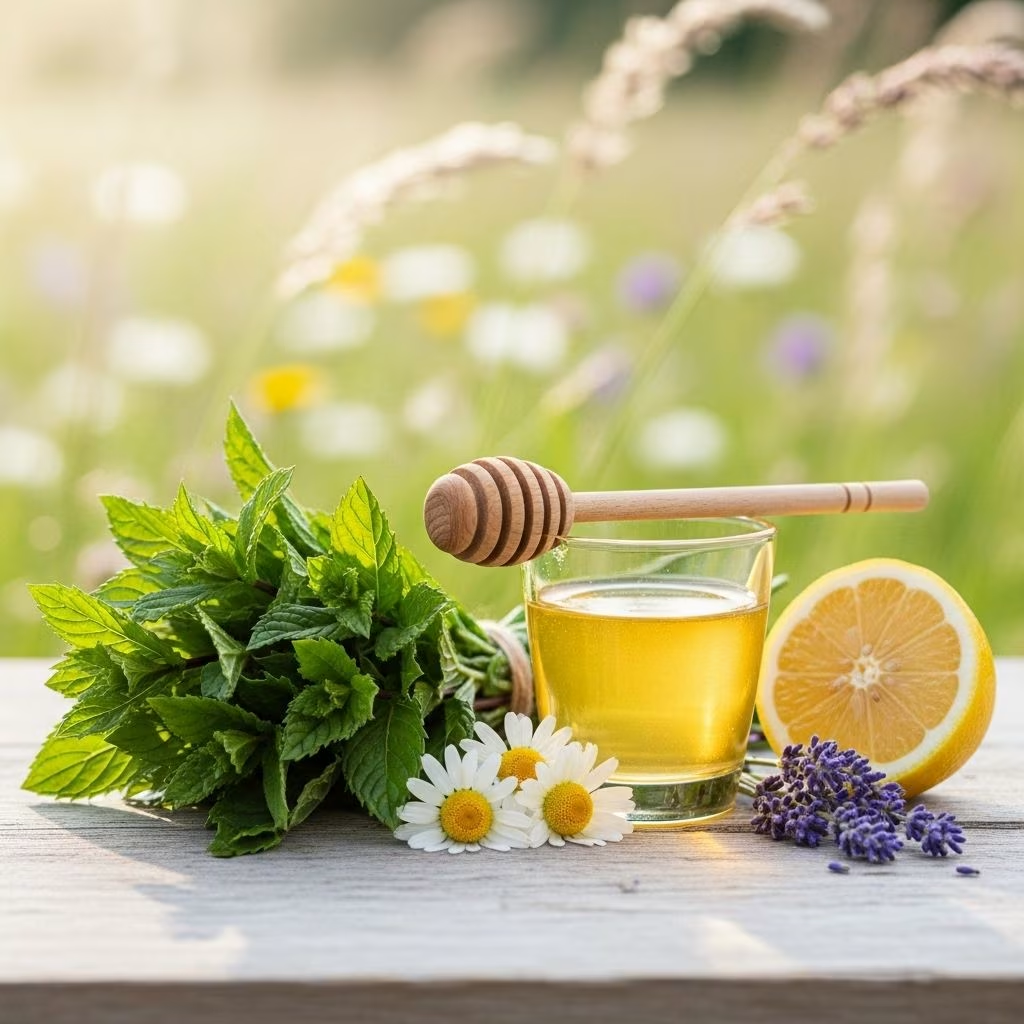
Understanding Grass Allergies
Grass allergies are a common form of seasonal allergic rhinitis that affect millions of people worldwide. Symptoms often include sneezing, runny or stuffy nose, itchy eyes, throat irritation, and even skin rashes. Grass pollens are especially problematic because they are lightweight and can travel long distances, making them difficult to avoid during peak seasons—typically from late spring through summer.
The immune system of a grass allergy sufferer mistakenly identifies grass pollen as a harmful invader, triggering the release of histamines and other chemicals that cause allergy symptoms. While conventional treatments like antihistamines and nasal corticosteroids can be effective, many people seek natural alternatives to manage their symptoms, either to avoid side effects or as a complementary approach.
Top Natural Remedies for Grass Allergy Relief
Nasal Irrigation
Saline nasal rinses are one of the most effective and immediate ways to clear pollen and other allergens from your nasal passages. Using a neti pot or squeeze bottle with a saline solution helps flush out irritants, reduce inflammation, and relieve congestion and sneezing. This simple practice can be done daily, especially after spending time outdoors during high pollen counts.
Stay Hydrated
Hydration is crucial for allergy sufferers. Dehydration can prompt your body to produce more histamines, worsening symptoms. Aim to drink at least one-third of your body weight in ounces of water daily. Foods with high water content—such as cucumbers, berries, and soups—can also help maintain hydration levels and support your immune system.
Butterbur (Petasites hybridus)
Butterbur is an herbal remedy that has shown promise in reducing nasal symptoms associated with allergic rhinitis. Some studies suggest it may be as effective as traditional antihistamines without causing drowsiness. However, always choose butterbur products labeled “PA-free” to avoid potential liver toxicity from pyrrolizidine alkaloids.
Stinging Nettle (Urtica dioica)
Stinging nettle acts as a natural antihistamine and anti-inflammatory agent. It may help reduce sneezing, itchy eyes, and other allergy symptoms when taken as a tea or capsule. Always consult a healthcare provider before starting herbal supplements, especially if you are pregnant or on other medications.
Quercetin
Quercetin, a flavonoid found in apples, onions, and citrus fruits, helps stabilize mast cells and reduce histamine release. Regular consumption of quercetin-rich foods or supplements, ideally started before allergy season, may lessen the severity of symptoms.
Vitamin C
Vitamin C is a powerful antioxidant that supports immune function and may reduce histamine levels in the body. Include vitamin C-rich foods like oranges, strawberries, bell peppers, and leafy greens in your diet.
Bromelain
Bromelain, an enzyme found in pineapple, has anti-inflammatory properties that may relieve nasal congestion and improve breathing. Adding fresh pineapple to your diet or taking a bromelain supplement could provide additional relief.
Acupuncture
Acupuncture has been used for centuries to treat various ailments, including allergies. Recent reviews suggest it may help reduce nasal inflammation and mucus, with few side effects. More high-quality studies are needed, but many patients report symptom relief after regular sessions.
Herbal and Plant Extracts
- Perilla (Perilla frutescens): This mint family herb is traditionally used for nasal congestion, sinusitis, and allergic asthma. Its essential oils may also improve mood by boosting serotonin levels.
- Sea Buckthorn (Hippophae rhamnoides): Rich in antioxidants and vitamins, sea buckthorn supports respiratory health and mucous membrane integrity, making it beneficial for allergy sufferers.
- Yarrow (Achillea millefolium): Known for its antiseptic and anti-catarrhal properties, yarrow can be used in tea or tincture form for respiratory relief. Avoid it if you’re allergic to ragweed.
Lifestyle and Environmental Strategies
Minimize Exposure to Grass Pollen
- Limit outdoor activities during peak pollen times—typically in the morning and on windy days. Check local pollen forecasts and plan accordingly.
- Keep windows and doors closed during high pollen seasons.
- Shower and change clothes after spending time outside to remove pollen from your skin and hair.
- Use HEPA air filters indoors to trap airborne allergens.
- Keep lawns and grasses mowed short to reduce pollen release.
- Avoid drying laundry outside, where it can collect pollen.
Pet Care
Pets can carry pollen indoors on their fur. Wipe them down after outdoor excursions and bathe them regularly to minimize allergen transfer.
Eye and Skin Care
For itchy eyes, use over-the-counter eye drops designed for allergies. For skin irritation, a cool compress or colloidal oatmeal bath may provide relief.
Foods to Avoid with Grass Allergies
Some individuals with grass allergies may experience oral allergy syndrome, where eating certain raw fruits or vegetables (such as peaches, melons, celery, oranges, tomatoes, and potatoes) triggers symptoms due to cross-reactivity with grass pollen. Cooking these foods often reduces the risk of a reaction.
Additionally, some children and adults may be sensitive to wheat and other grains, although this is not universal. If symptoms arise after consuming wheat, consult an allergist for proper testing.
| Food | Potential Reaction | Notes |
|---|---|---|
| Peaches, Melons, Celery | Oral allergy syndrome (itchy mouth, throat) | More common when raw |
| Tomatoes, Oranges, Potatoes | Mild to moderate cross-reactivity | Cooking may help |
| Wheat and Other Grains | Variable, not universal | Consult allergist if suspected |
Myths and Misconceptions
Local Honey
There is a common belief that eating local honey can “desensitize” you to grass pollen and reduce allergy symptoms. However, there is limited scientific evidence to support this claim. Most honey contains flower pollen, not grass pollen, and the amounts are too small to have a meaningful effect on allergies.
Supplements and Quick Fixes
While some herbal supplements and vitamins may help reduce symptoms, they are not a cure for grass allergies. Relief varies by individual, and results may take time. Always discuss new supplements with your healthcare provider.
Preventive Measures
- Start Early: Begin natural remedies and lifestyle changes before allergy season to build up your body’s defenses.
- Monitor Symptoms: Keep a diary of your symptoms and triggers to identify patterns and adjust your strategies.
- Consult a Specialist: If your symptoms are severe or persistent, seek advice from an allergist for personalized treatment options.
Frequently Asked Questions (FAQs)
Can natural remedies replace my allergy medications?
Natural remedies can be effective for mild to moderate symptoms and may reduce the need for medications. However, they should not replace prescribed treatments for severe allergies without consulting your doctor.
How quickly do natural remedies work for grass allergies?
Some remedies, like nasal irrigation, provide immediate relief. Others, such as quercetin or butterbur supplements, may require weeks of consistent use before noticeable improvement.
Are there any side effects to natural allergy remedies?
Most natural remedies are safe when used as directed, but some herbs and supplements can interact with medications or cause side effects. Always check with a healthcare provider before starting new treatments.
Is it safe to use a neti pot every day?
Yes, daily use of a neti pot or saline nasal rinse is generally safe for most people. Always use distilled, sterile, or previously boiled water to prevent infection.
Can I develop a tolerance to natural remedies?
Tolerance is uncommon, but effectiveness may vary over time. Rotating remedies or combining several approaches may yield the best results.
Conclusion
Grass allergies can significantly impact quality of life, but a combination of natural remedies, lifestyle adjustments, and environmental controls can help manage symptoms effectively. From nasal irrigation and hydration to herbal supplements like butterbur and stinging nettle, there are numerous options to explore. Always tailor your approach to your individual needs, and consult a healthcare professional for persistent or severe symptoms. With proactive management, you can enjoy the outdoors with greater comfort and confidence during allergy season.
References
- https://www.healthline.com/health/home-remedies-for-allergies
- https://www.sinusandallergywellnesscenter.com/blog/allergic-rhinitis-6-herbal-remedies-to-try-sinus-allergy-wellness-clinic
- https://allergyasthmanetwork.org/allergies/pollen-allergy/allergy-to-grass/
- https://www.dedicated.care/articles/best-natural-remedies-seasonal-allergies
- https://www.hilma.co/blogs/the-cabinet/natural-allergy-relief-remedies
- https://community.aafa.org/blog/what-if-you-re-allergic-to-grass-10-steps-to-managing-grass-pollen-allergy
- https://blog.walgreens.com/health/allergy/finding-relief-from-grass-allergies.html
- https://www.healthdirect.gov.au/grass-allergy
- https://www.mayoclinic.org/diseases-conditions/hay-fever/in-depth/seasonal-allergies/art-20048343


