


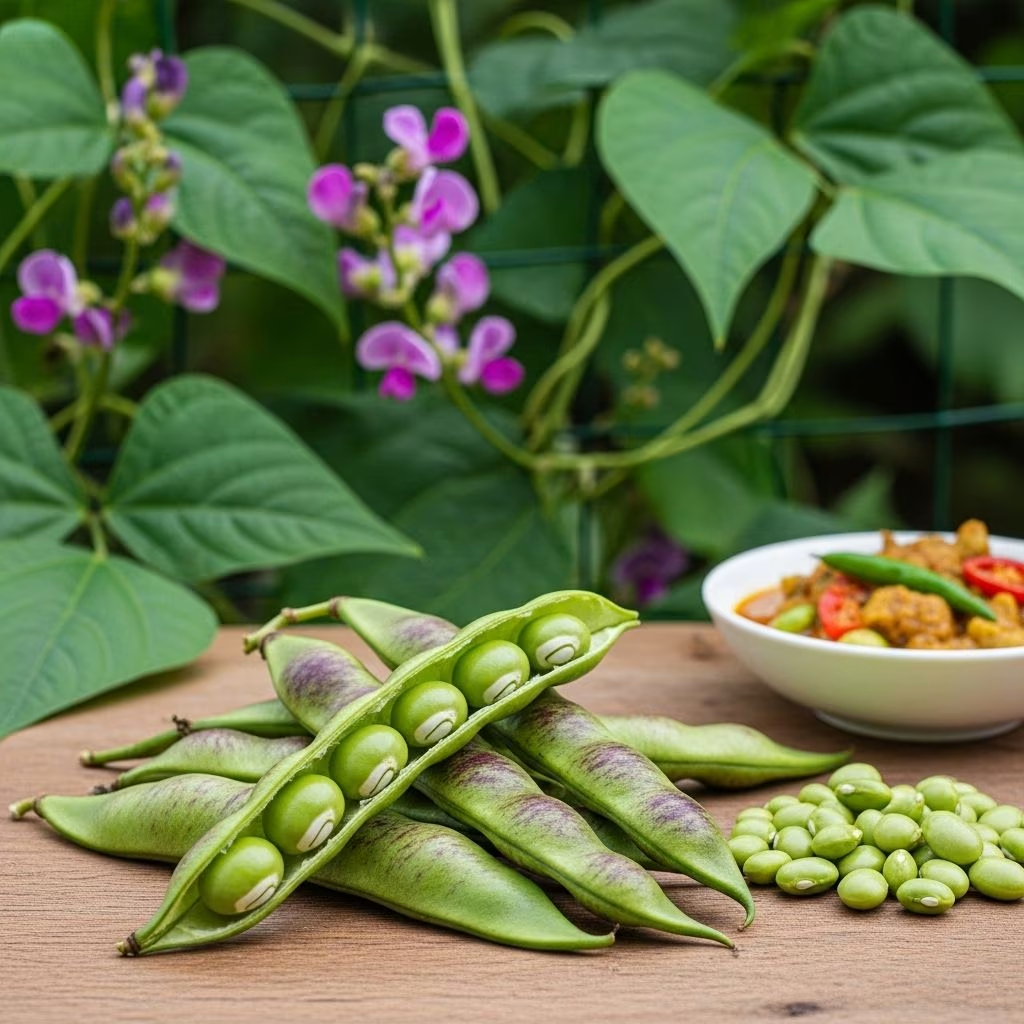
Mochai, widely known as Hyacinth Bean and botanically identified as Dolichos lablab or Lablab purpureus, is a revered legume recognized for its nutrition, versatility, and appealing taste. Cultivated for thousands of years across Africa, Asia, and parts of the Americas, this vibrant bean is both a staple food and an ornamental plant, making it an extraordinary member of the Fabaceae (legume) family.
- Introduction
- Botanical Profile & Origin
- Regional Names and Cultural Significance
- Nutritional Value of Mochai
- Health Benefits
- Culinary Uses of Mochai
- Taste Profile and Texture
- Safety & Precautions
- Growing Hyacinth Bean: Basic Guide
- Frequently Asked Questions (FAQs)
Introduction
The hyacinth bean (Mochai) is an ancient pulse crop grown extensively for its edible seeds, pods, leaves, and ornamental value. Its eye-catching purple or green pods and fragrant blossoms attract both gardeners and chefs. Mochai is especially celebrated in South Indian, African, and Southeast Asian cuisines, where it is prepared in curries, gravies, and stir-fries, enriching diets with plant-based protein and vital micronutrients [see Nutrition].
Botanical Profile & Origin
- Scientific Name: Dolichos lablab / Lablab purpureus
- Family: Fabaceae (Leguminosae)
- Plant Type: Fast-growing annual or short-lived perennial vine
- Native Range: Sub-Saharan Africa (possibly Eastern or Southern Africa), though also deeply rooted in the agricultural traditions of India and Southeast Asia [see Culture].
The vines can grow up to 6 meters (20 feet) long, with tri-foliate leaves (three leaflets per leaf). It produces clusters of small, butterfly-shaped flowers in shades of purple, white, or pink, followed by showy pods varying from bright purple to pale green. Each pod holds up to four seeds, whose colors range from white and brown to deep black, often marked by a distinctive hilum .
Plant Characteristics Table
| Feature | Description |
|---|---|
| Growth Form | Vining, climbing annual/perennial |
| Flower Color | Purple, white, pink (fragrant) |
| Pod Color | Bright purple, green, or dark magenta |
| Leaf Shape | Pinnately compound, ovate leaflets |
| Size | Up to 6m vine length |
| Light Requirement | Full sun (at least 6 hrs daily) |
Regional Names and Cultural Significance
Mochai is woven into the culinary and agricultural fabric of several regions. Here are some of its regional names:
- Tamil: Mochai, Mochai Kottai (மொச்சை), Avarai
- Hindi: Sem, Val
- Marathi: Ghewda
- Kannada: Avarekaalu, Hurule kai
- Telugu: Chikkudu, Anumulu
- Bengali: Rajashimbi
- Malayalam: Amara
- English: Hyacinth bean, Lablab bean, Field bean, Egyptian bean
Hyacinth bean features prominently in Tamil Nadu as “Mochai kottai,” used in signature dishes during the harvest festival, Pongal. Across Southeast Asia and parts of Africa, it is valued for its nutritional content and adaptability to challenging climates .
Nutritional Value of Mochai
Hyacinth bean is a vital source of plant proteins, complex carbohydrates, dietary fiber, vitamins, and minerals. Here is an overview of its nutritional composition per 100g of dried seeds:
| Nutrient | Value (per 100g, dried) |
|---|---|
| Calories | 335 kcal |
| Protein | 23-25 g |
| Carbohydrates | 55-60 g |
| Dietary Fiber | 10-12 g |
| Fat | 0.8-1.5 g |
| Iron | 3.0-4.5 mg |
| Calcium | 60-65 mg |
| Phosphorus | 300-350 mg |
| Potassium | 1200-1300 mg |
| Folate | 100-120 mcg |
| Other nutrients | Vitamin B-complex, magnesium, zinc |
Due to this robust nutrient profile, Mochai is a highly recommended dietary component for vegetarians, vegans, and people seeking plant-based protein sources.
Health Benefits
- Rich in Protein: An important source of plant-based protein, helping repair body tissues and build muscle.
- High Fiber Content: Promotes digestive health, helps regulate blood sugar, and maintains cholesterol levels.
- Low in Fat: A heart-healthy legume nearly free from harmful saturated fats.
- Packed with Micronutrients: Contains iron, calcium, magnesium, and potassium, which support bone health, oxygen transport, and cardiovascular function.
- Antioxidant Properties: Contains natural polyphenols and flavonoids that help fight oxidative stress and inflammation.
- Supports Immune Function: Its micronutrients and phytonutrients help bolster immune defenses.
- Versatile in Diets: Provides nourishment in gluten-free, vegetarian, and vegan meal plans.
Populations consuming Mochai as a dietary staple typically demonstrate better nutritional indices and reduced risk of iron-deficiency anemia, especially in resource-limited settings .
Culinary Uses of Mochai
Mochai is a culinary treasure, prized for both its tender pods (when immature) and the mature beans (seeds) within. Its uses span many cuisines, with subtle differences in preparation and flavor profiles. Here is how Mochai is typically used:
1. Edible Forms
- Fresh Young Pods: Harvested while tender and used similarly to green beans in stir-fries, sambhar, and sauteed dishes.
- Mature Seeds (Dried): Shelled, dried, and stored for use in stews, curries (like the South Indian ‘Mochai Kuzhambu’), soups, and dal preparations. Must be soaked and boiled before consuming.
- Leaves and Young Shoots: Occasionally cooked as leafy greens or added to soups for extra nutrition.
2. Popular Dishes
- Mochai Kuzhambu: A spicy, tangy curry of dry Mochai beans simmered with tamarind, tomatoes, and regional spices.
- Poriyal and Stir-Fries: Fresh pods or sprouted beans lightly sauteed with coconut, spices, and chilies.
- Hyacinth Bean Rice: A quick toss of boiled Mochai beans with cooked rice, coconut, curry leaves, and mustard seeds.
- Soups and Stews: Added to mixed vegetable soups, shorbas, or African-style casseroles for protein enrichment.
- Fritters and Cutlets: Ground or coarsely mashed beans blended with spices, shaped, and fried.
3. Key Culinary Tips
- Soak dried Mochai beans in water overnight before cooking to ensure even softening and to reduce anti-nutritional factors.
- Remove outer pod of mature beans—only the peas inside are consumed once the pod becomes tough.
- Boil in sufficient water and discard the water to remove natural toxins (cyanogenic glycosides).
- Pair with spices, coconut, or tangy bases like tomato and tamarind for enhanced flavor and digestibility.
Note: In Africa and Asia, Mochai seeds are also sprouted and added to salads or lightly fermented for added health benefits and flavor.
Taste Profile and Texture
Mochai (hyacinth bean) delights palates with a subtly distinct flavor profile. Here is what to expect when tasting Mochai:
- Fresh Pods: Mild, grassy, and slightly sweet; texture similar to tender green beans but with a unique bite.
- Mature Beans: Earthy, slightly nutty, and robust; holds flavor well in spicy, tangy curries.
- Cooked Leaves/Shoots: Mild bean flavor, reminiscent of spinach, with a soft texture.
When cooked with regional spices and aromatics, Mochai imparts a complex savoriness, absorbing bold flavors while retaining its characteristically pleasant texture—soft on the inside yet slightly firm to the bite.
Safety & Precautions
- Raw Seeds: Never eat hyacinth bean seeds raw. The presence of cyanogenic glycosides can produce hydrogen cyanide, which is toxic in large amounts.
- Boiling Beans: Always boil seeds thoroughly in ample water, discarding the first batch of cooking water, to eliminate harmful toxins .
- Allergy and Sensitivity: Hypersensitivity is rare, but those allergic to legumes should exercise caution.
- Children and Pets: Store dried beans safely out of reach and avoid use in very young children’s diets unless properly cooked and processed.
Growing Hyacinth Bean: Basic Guide
- Climate: Thrives in warm, sunny environments; ideal in zones 9–11 but can be grown as an annual in cooler climates.
- Soil: Prefers moist, well-drained soils; tolerates a range of pH but grows best in slightly acidic to neutral soils.
- Sowing: Plant seeds after the last frost, about 1 inch deep and spaced 6–8 inches apart along a trellis or support.
- Watering: Keep soil neither soggy nor dry; water consistently, especially during flowering and pod setting.
- Harvest: Pick pods when young for vegetable use or allow them to mature fully for dry beans.
- Companion Planting: Attracts pollinators like bees and hummingbirds; serves as a natural nitrogen-fixer for improving soil fertility.
With minimal maintenance, hyacinth bean vines rapidly cover trellises or fences, providing shade, beautiful flowers, and ample beans for harvest. Avoid waterlogged soils, which can cause root rot.
Frequently Asked Questions (FAQs)
Q: Can Mochai beans be eaten raw?
A: No, raw hyacinth bean seeds contain toxins (cyanogenic glycosides) and must always be thoroughly cooked in water and drained before eating.
Q: Are Mochai and Avarai the same?
A: In Tamil cuisine, mochai refers specifically to the mature seeds, while avaraikkai typically refers to the green pods of related field or bush beans. The terms may overlap, depending on region and culinary context.
Q: How do Mochai beans compare nutritionally with other legumes?
A: Mochai is comparable to chickpeas, cowpeas, and lentils in protein and fiber content, making it an excellent plant-based protein source for balanced diets.
Q: What is the best way to store hyacinth beans?
A: Store dried beans in an airtight container in a cool, dry place. Fresh pods should be used within a few days or blanched and frozen for longer storage.
Q: Can hyacinth bean plants be grown in containers?
A: Yes. Choose a large pot, provide a strong trellis or support, and ensure regular watering and sunlight.
Conclusion
Mochai (Hyacinth Bean) stands out as both a nutritious legume and a culturally significant ingredient, prized for its adaptability, health benefits, and distinctive taste. By adding Mochai to your culinary repertoire, you enrich your diet with essential nutrients and enjoy a delicious taste of time-honored food traditions.
References
- https://mortonarb.org/plant-and-protect/trees-and-plants/hyacinth-bean-annual-vine/
- https://seedsofindia.com/products/green-mochai
- https://plants.ces.ncsu.edu/plants/lablab-purpureus/
- https://amaranthacres.substack.com/p/hyacinth-beans-and-field-peas
- https://en.wikipedia.org/wiki/Lablab
- https://www.missouribotanicalgarden.org/PlantFinder/PlantFinderDetails.aspx?kempercode=a114
- https://www.uwsp.edu/sbcb/tropical-conservatory/hyacinth-bean-vaal-bean-lablab/
- https://www.monticello.org/house-gardens/in-bloom-at-monticello/hyacinth-bean/
- https://www.eattheweeds.com/hyacinth-bean-purple-protein-and-more-2/
- https://www.newmalaysiankitchen.com/hyacinth-bean-pang-pei-dau/


