


Natural Remedies for Excessive Sweating
Excessive sweating, or hyperhidrosis, is a condition that affects millions worldwide, causing discomfort and impacting daily life. While medical treatments are available, many people turn to natural remedies for relief. Here, we explore some effective natural solutions to manage excessive sweating.
Herbal Remedies
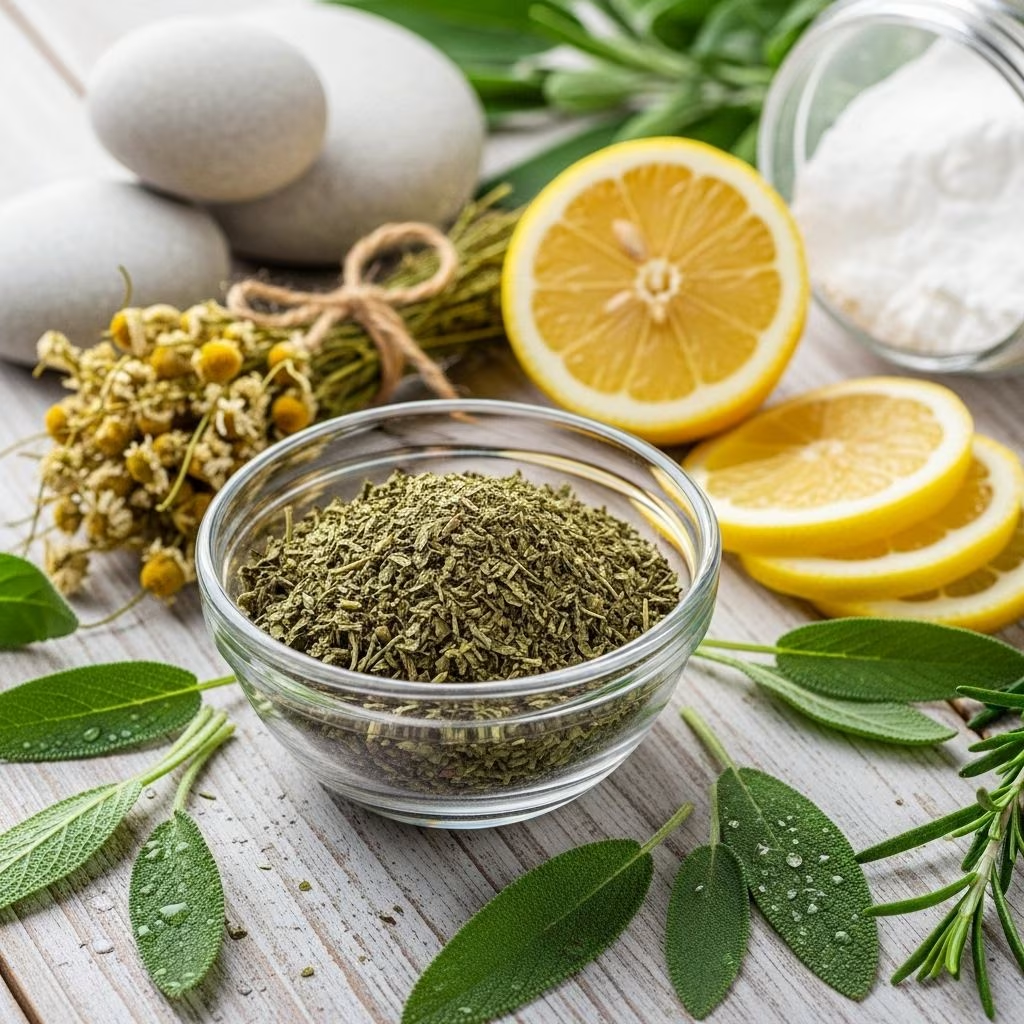
Herbs have been used for centuries to treat various health conditions, including hyperhidrosis. Certain herbs may help reduce excessive sweating by regulating the nervous system and reducing sweat gland activity.- Sage: Known for its sweat-reducing properties, sage can be consumed as tea or taken in supplement form. Drinking sage tea once or twice a day can help manage excessive sweating.- Chamomile and Valerian Root: These herbs have calming effects and may help reduce stress-induced sweating.- Burdock Root: Believed to have natural antiperspirant properties, burdock root can be used in herbal teas or supplements.
Astringents and Antimicrobials
Astringents help close pores and reduce sweat production, while antimicrobial agents combat bacteria that cause odor.- Tea Tree Oil: This oil acts as an antimicrobial agent, reducing sweat-causing bacteria. Apply it to underarms using a cotton ball.- Witch Hazel: An astringent that dries the skin and closes pores, thereby reducing sweating. Apply it with a cotton ball or make a paste with hazel bark powder.- Black Tea: Rich in tannins, black tea can help tighten skin and reduce sweat production.
DIY Remedies
Some household items can be surprisingly effective in managing excessive sweating.- Potatoes: Rubbing a potato slice on the underarms can help absorb moisture and reduce sweating.- Tomato Juice: Applies to the underarms, tomato juice can help shrink pores and reduce sweating.- Lemon and Baking Soda: A mixture of lemon juice and baking soda can neutralize sweat-causing bacteria and reduce odor.
Lifestyle Changes
In addition to natural remedies, certain lifestyle adjustments can significantly impact excessive sweating.### Diet and Hydration- Potassium-Rich Foods: Consuming foods high in potassium like bananas, potatoes, and leafy greens can help balance sodium levels and reduce water retention.- Avoid Triggers: Limit or avoid spicy foods, caffeine, and alcohol, which can trigger sweating.- Stay Hydrated: Drinking plenty of water helps maintain body temperature and supports skin health.### Clothing Choices- Breathable Clothing: Wear lightweight, moisture-wicking fabrics to keep skin dry and comfortable.- Avoid Tight Clothing: Prevent skin irritation by avoiding tight or synthetic clothing.### Stress ManagementStress often exacerbates hyperhidrosis. Techniques like meditation, yoga, and deep breathing exercises can help manage stress-induced sweating.
Alternate Therapies
### AcupunctureAcupuncture may help regulate the nervous system and reduce excessive sweating by targeting specific body points.### AromatherapyEssential oils such as lavender and tea tree oil can be used in massages or baths to soothe skin and reduce stress-related sweating.
Frequently Asked Questions (FAQs)
Q: What are the most effective natural remedies for hyperhidrosis?
A: Sage tea, tea tree oil, and witch hazel are some of the most commonly recommended natural remedies.
Q: How long does it take for natural remedies to start working?
A: Results may vary, but some people notice improvements within a few days to a week after starting treatment.
Q: Can natural remedies cure hyperhidrosis?
A: While natural remedies can manage symptoms, they may not completely cure hyperhidrosis. For severe cases, consulting a healthcare provider is recommended.
Conclusion
Natural remedies can be a valuable complement to traditional treatments for excessive sweating. By combining herbal remedies, lifestyle changes, and alternative therapies, individuals can effectively manage hyperhidrosis and improve their overall quality of life.
References
- https://thompsontee.com/blog/13-natural-ways-to-stop-sweating/
- https://dermatologyseattle.com/hyperhidrosis-treatment-options/
- https://www.sweathelp.org/hyperhidrosis-treatments/alternate-therapies.html
- https://www.skincaredrs.com/medical-dermatology/conditions-treated/hyperhidrosis/
- https://health.clevelandclinic.org/how-to-stop-sweating
- https://www.mayoclinic.org/diseases-conditions/hyperhidrosis/diagnosis-treatment/drc-20367173
- https://www.hyperhidrosiscumc.com/natural-remedies-for-hyperhidrosis/
- https://www.aad.org/public/diseases/a-z/hyperhidrosis-self-care
- https://www.youtube.com/watch?v=v52SxtSpEPQ


