


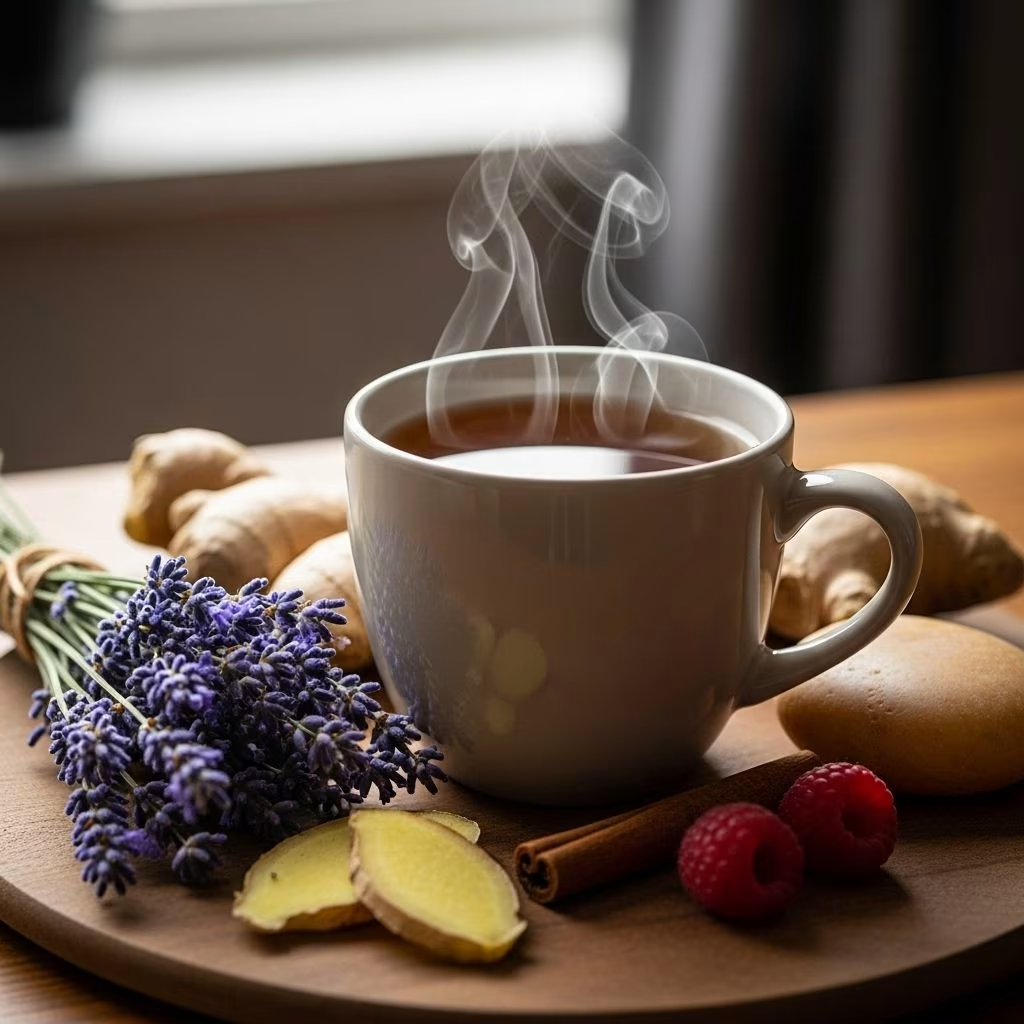
Natural Period Relief: Effective Remedies for Menstrual Pain
Menstrual pain, often referred to as dysmenorrhea, affects a majority of menstruating individuals at some point in their lives. While over-the-counter medications are commonly used to address cramping and discomfort, many people seek natural remedies for period relief to avoid side effects, support overall well-being, and nurture a holistic approach to health. This comprehensive guide explores evidence-based strategies, gentle lifestyle modifications, and herbal support to help manage menstrual symptoms naturally.
Contents
- Understanding Period Pain
- Using Heat for Period Relief
- Physical Activity and Stretching
- Herbal Remedies for Menstrual Relief
- Dietary Approaches and Nutritional Supplements
- Lifestyle Changes and Relaxation Techniques
- Alternative Therapies
- When to See a Doctor
- Frequently Asked Questions (FAQs)
Understanding Period Pain
Menstrual cramps arise as the uterus contracts to shed its lining. Depending on individual factors and underlying conditions, pain can range from mild discomfort to intense, debilitating cramps. Key facts to consider:
- Primary dysmenorrhea refers to pain with no underlying medical issue, most common in teens and young adults.
- Secondary dysmenorrhea is tied to reproductive disorders like endometriosis or fibroids.
- Symptoms can include lower abdominal pain, lower backache, headache, nausea, and fatigue.
Using Heat for Period Relief
Applying heat is one of the most time-tested and effective natural remedies for period cramps. Heat helps relax the uterine muscle and boost blood flow, which may soothe cramping sensations.
- Heating pads: Place a heating pad or hot water bottle on your lower abdomen for 15–20 minutes at a time.
- Warm baths: Soaking in a warm bath can provide all-over relaxation and relief.
- Heat patches: These adhesive products are convenient on-the-go and provide consistent warmth throughout the day.
Research suggests that heat therapy can be as effective as some over-the-counter pain medications for easing menstrual cramps.
Physical Activity and Stretching
Mild to moderate exercise increases circulation, releases endorphins (the body’s natural painkillers), and may lessen the severity and duration of period pain. Regular movement can also help regulate cycles and reduce overall PMS symptoms.
- Aerobic activities: Walking, jogging, cycling, or swimming gently alleviates cramping and boosts mood.
- Yoga and stretching: Poses focusing on the abdomen, pelvis, and lower back may reduce tension and discomfort.
Exercise may be most beneficial when performed regularly, though even light stretching during menstruation can be supportive.
Herbal Remedies for Menstrual Relief
Certain herbs are known for their anti-inflammatory, antispasmodic, and relaxing effects. Always discuss herbal supplements with a healthcare provider, especially if you are taking medications or have underlying health conditions.
| Herb or Supplement | Suggested Use | Evidence |
|---|---|---|
| Chamomile | Drink 2 cups of chamomile tea daily the week before and during your period. | Chamomile may increase glycine, a compound that helps relieve muscle spasms and acts as a nerve relaxant. |
| Fennel Seeds | Take 30 mg of fennel extract four times a day for three days after your period starts. | Young women reported significant pain relief compared to placebo in a 2012 study. |
| Cinnamon | Take 840 mg of cinnamon capsules three times a day during the first three days of menstruation. | Associated with reduced bleeding, pain, nausea, and vomiting. |
| Ginger | Use 250 mg of ginger powder four times daily for three days, or add fresh ginger to hot water. | Shown to be as effective as ibuprofen for pain relief in some studies. |
| Pycnogenol (French maritime pine bark extract) | Take 60 mg daily throughout the cycle; effects accumulate with continued use. | 2015 research supports pain reduction and persistent benefits, even after stopping supplementation. |
| Dill | Try 1,000 mg for five days, beginning two days pre-cycle. | Comparable effectiveness to some OTC drugs for cramp relief in clinical studies. |
Dietary Approaches and Nutritional Supplements
What you eat may influence the intensity and frequency of menstrual symptoms. Certain foods may help reduce bloating and cramping, while others can exacerbate discomfort.
- Hydration: Drink plenty of water throughout your cycle. Staying hydrated can decrease bloating and ease muscular contractions.
- Anti-inflammatory foods: Add berries, leafy greens, fatty fish (like salmon), nuts, and seeds to your meals for their omega-3 and antioxidant properties.
- Avoid processed foods: Minimize salt, sugar, caffeine, and high-fat items that may lead to fluid retention and aggravate symptoms.
Herbal teas can be supportive—cinnamon, ginger, peppermint, and chamomile teas help decrease inflammation, reduce spasms, and soothe digestive discomfort.
Supplements, with healthcare approval, may help:
- Vitamin E: Shown to reduce cramps in some studies.
- Omega-3 fatty acids: May reduce pain intensity through anti-inflammatory action.
- Vitamin B1 (thiamine) and B6: Linked to decreased PMS and cramping for some individuals.
- Magnesium: Helps muscles relax and may ease cramps.
Lifestyle Changes and Relaxation Techniques
- Reduce stress: Mental and emotional stress can worsen the perception of period pain. Practices like deep breathing, mindfulness, and meditation support nervous system balance and reduce pain perception.
- Massage: Abdominal massage with essential oils such as lavender, peppermint, or rose, diluted in a carrier oil, may improve circulation and provide relief.
- Sleep: Aim for 7-9 hours of restful sleep per night to allow the body to recover and regulate hormones.
- Sexual activity and orgasm: Some research suggests orgasms trigger the release of endorphins and oxytocin, which may naturally dampen pain signals.
- Avoid alcohol and tobacco: Both substances can worsen cramps and overall discomfort.
Alternative Therapies
- Acupuncture: Insertion of fine needles at specific body points has been shown in some studies to reduce period pain.
- Acupressure: Gentle finger pressure to strategic areas (like the lower abdomen or legs) may help alleviate cramping.
- Transcutaneous Electrical Nerve Stimulation (TENS): This device, used externally, sends mild electrical pulses to the skin and may reduce pain through nerve stimulation and endorphin release.
When to See a Doctor
While mild to moderate menstrual discomfort is common, certain symptoms warrant medical evaluation:
- Severe cramping that does not respond to home care or over-the-counter medications
- Painful periods that suddenly worsen, or pain accompanied by heavy bleeding, fever, or unusual discharge
- Other symptoms suggestive of secondary causes (such as endometriosis, fibroids, or pelvic infection)
Always consult a healthcare provider for persistent, severe, or unusual symptoms or before starting new supplements or therapies.
Frequently Asked Questions (FAQs)
Q: What are the most effective natural remedies for period pain?
The most effective remedies typically include using heat, regular exercise, herbal teas, massage with essential oils, and specific dietary changes. Herbal remedies like chamomile, ginger, fennel, and cinnamon also have research-backed benefits. Each individual’s response can vary, so experimentation may be necessary.
Q: Can vitamins and minerals help relieve menstrual cramps?
Yes, studies suggest that vitamin E, magnesium, vitamin B1 (thiamine), vitamin B6, and omega-3 fatty acids can reduce cramping intensity for some people. Always discuss supplementation with a healthcare provider first to individualize your regimen and ensure safety.
Q: Are there foods to avoid during your period?
It is advisable to limit processed foods high in salt, sugar, trans fats, and caffeine, as these may worsen bloating, irritability, and cramping. Focus on a balanced diet rich in whole foods and anti-inflammatory nutrients for optimal relief.
Q: Is it safe to try herbal remedies alongside medications?
Some herbs can interact with prescription or over-the-counter medications. Always discuss herbal remedies with your healthcare provider, especially if you take medication regularly or have a chronic health condition.
Q: How long should I try these remedies before expecting results?
Some remedies, like heat or massage, may provide immediate relief. Others, such as dietary changes or supplements, may take several weeks of consistent use for noticeable improvement. Allow your body at least two to three cycles to evaluate the effect of any new routine or remedy.
Summary Table: Natural Remedies for Period Relief
| Remedy | How It Helps | How to Use |
|---|---|---|
| Heating pads/warm baths | Relaxes muscles, reduces pain | Apply to lower abdomen as needed or soak in a warm bath |
| Exercise | Releases endorphins, reduces pain signals | Engage in moderate aerobic or gentle yoga/stretching exercises |
| Herbal teas (chamomile, ginger) | Anti-inflammatory, antispasmodic effects | Drink 1–3 cups daily before/during period |
| Massage with essential oils | Improves blood flow, relaxes muscles | Gently massage into lower abdomen for 10–20 minutes |
| Diet and hydration | Reduces bloating, balances hormones | Focus on anti-inflammatory foods and ample water intake |
| Supplements (omega-3, vitamin E, B1, magnesium) | Relieves cramps, supports muscle health | Consult provider for proper dosing |
| Acupuncture/acupressure | Blocks pain signals, relaxes muscles | Professional session or targeted self-pressure |
By combining these natural approaches, many individuals find significant relief from monthly discomfort. However, always tailor your self-care to your body’s needs and consult with healthcare providers for persistent symptoms, unexplained changes, or before starting new remedies.
References
- https://www.healthline.com/health/womens-health/menstrual-cramp-remedies
- https://www.healthpartners.com/blog/13-ways-to-stop-period-pain/
- https://www.medicalnewstoday.com/articles/324484
- https://sesamecare.com/blog/period-cramp-relief-foods
- https://newsnetwork.mayoclinic.org/discussion/home-remedies-menstrual-cramps/
- https://healthcare.utah.edu/the-scope/health-library/all/2017/08/natural-remedies-period-pains


