


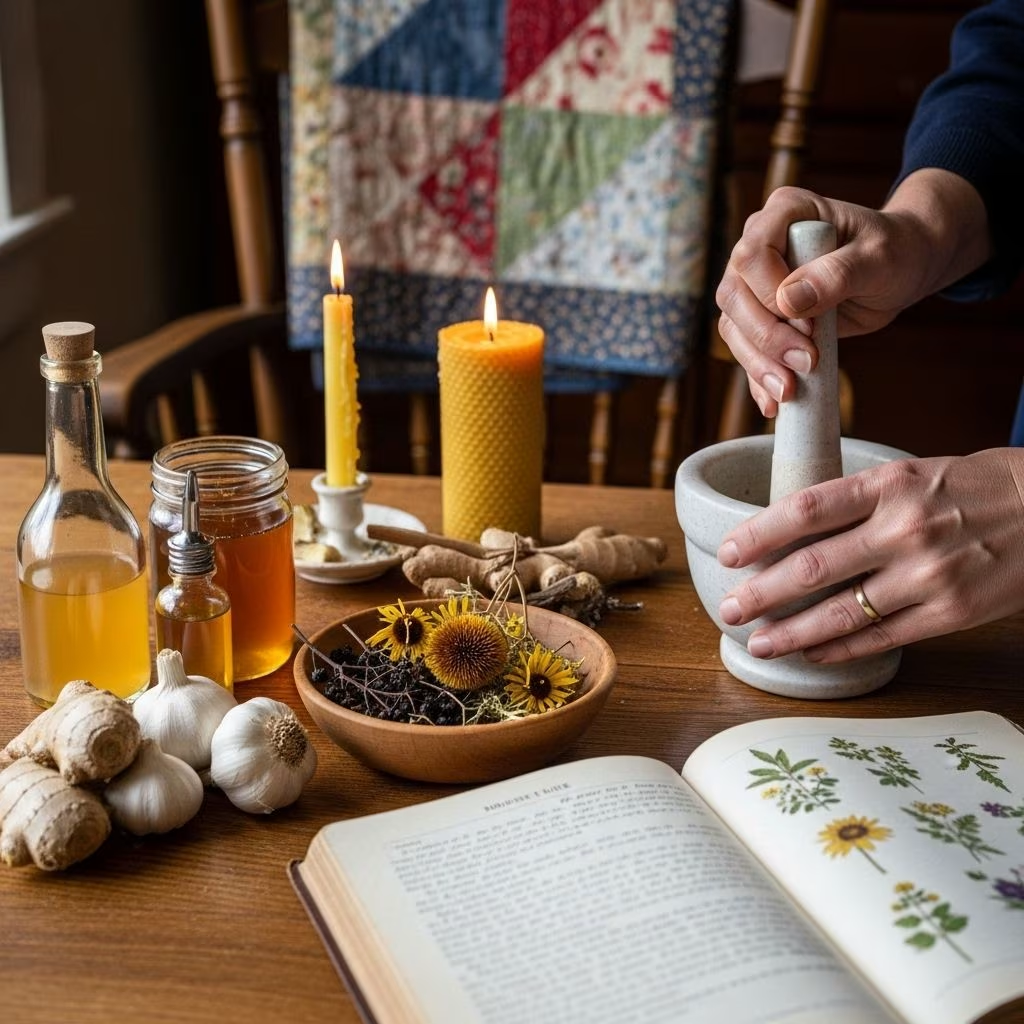
Amish Wisdom: Natural Remedies for Flu, Frostbite & Fever
The Amish community, renowned for its simple lifestyle and deep ties to nature, also treasures a rich tradition of natural healing. Households pass down time-honored remedies for common ailments such as the flu, fevers, chest congestion, and frostbite. These practices blend herbal knowledge, practical experience, and a holistic approach that predates modern medicine. In this article, we explore widely used Amish remedies for flu, frostbite, fever, congestion, and more—with instructions, tips, and context drawn from generations of experience.
Introduction: The Amish Healing Tradition
The Amish approach to health embraces simple ingredients, natural processes, and communal care. Many remedies developed from necessity when modern medicine was unavailable or unaffordable, and the traditions continue for both their effectiveness and their holistic connection to land and community. Ingredients like onions, garlic, vinegar, herbs, and honey form the backbone of many recipes. These methods often emphasize prevention, comfort, and support for the body’s own healing abilities.
Amish Remedies for Flu and Cold
Flu and colds are frequent concerns, especially during winter, in Amish communities. Their remedies rely on herbal teas, tonics, plasters, and diet adjustments. Below are several classic approaches used to address the symptoms of flu and cold:
- Elderberry & Peppermint Tea: For stomach flu, the Amish mix equal parts elderberry blossoms and crushed peppermint leaves. One heaping teaspoon is added to a cup of boiling water and covered until cool. Drink this tea every hour until symptoms lift. Elderberry is recognized for its immune support, while peppermint soothes digestion and helps reduce fever.
- Vinegar Solution: For stomach and bowel upsets due to flu, dissolve 2 tablespoons of vinegar and half a teaspoon of salt in a quart of water. Sipping this solution throughout the day helps balance fluids and soothe digestive disturbance.
- Chamomile Tea: Chamomile’s calming effect is utilized for cold symptoms, sore throats, bronchitis, and even insomnia. A soothing chamomile tea is brewed and sweetened with honey to ease cough and promote restful sleep.
- Feverfew Tea: Feverfew is made into tea and honey is added to treat coughs, colds, and flu. Besides its anti-inflammatory properties, feverfew helps with headache and sinus pressure.
- Mustard Plaster: For deep chest discomfort, an Amish-made mustard plaster is sometimes applied, offering warmth, pain relief, and decongestant benefits.
Garlic Plaster: Amish Tradition for Flu Relief
Garlic is a powerful anti-viral and anti-bacterial agent favored by the Amish:
- Minced garlic cloves are mixed with olive oil to make a thick paste.
- The paste is spread on a square of flannel or muslin, wrapped up, and placed on the chest.
- A hot water bottle or warmed towels cover the plaster, left for about 15–20 minutes.
- Eating raw garlic (a clove a day during winter) is also a preventive tradition, believed to ward off colds and flu.
Home Remedies for Chest Congestion
Chest congestion, whether as part of a cold or deeper viral infections, is frequently treated with natural compresses and steam. One classic Amish remedy for congestion uses onions:
- Onion Chest Compress
- Step 1: Dice or chop one medium yellow onion (other varieties may be substituted).
- Step 2: Heat the onions gently in a microwave-safe bowl or in a skillet, just until warmed through but not hot enough to burn skin.
- Step 3: Mix with a pinch of salt to draw out healing juices.
- Step 4: Place the onion mixture inside thick cheesecloth or a clean cotton towel, wrapping to form a compress. Use thread or tape to hold it closed.
- Step 5: Apply olive oil lightly to the bare chest for skin protection.
- Step 6: Place the warm compress onto the chest and cover with a towel (preferably one you don’t mind smelling like onions).
- Step 7: Add a heating pad, hot rice pack, or extra blankets on top to maintain warmth.
- Step 8: Leave for up to two hours, ideally with the patient lying still and comfortable.
This process can be repeated and rotated between chest and back. Onion vapors are believed to help break up congestion and stimulate healing, and the warmth soothes discomfort. Many Amish prefer these simple, pure remedies over pharmaceutical alternatives.
| Remedy | Primary Ingredient | Preparation | Application |
|---|---|---|---|
| Onion Compress | Yellow Onion | Chop, heat gently, wrap in cloth | Chest/back, cover for warmth |
| Garlic Plaster | Garlic, Olive Oil | Mince, mix, wrap in flannel | Apply to chest, cover for heat |
| Mustard Plaster | Mustard Powder | Mix into paste, apply carefully | Chest for congestion |
Steam Inhalation: Steaming with a bowl of hot water and herbs (such as thyme, peppermint, or eucalyptus) helps open sinuses and brings rapid relief for stuffy nose and headache.
Traditional Methods for Frostbite Relief
For frostbite or exposure to cold, Amish families rely on fast, gentle techniques to reduce tissue damage and encourage circulation. The following steps are recommended:
- Move indoors immediately; never rub frostbitten skin, as this can increase injury.
- Warm affected areas gradually, using body heat or warm (not hot) water—rapid heating is discouraged as it may intensify tissue damage.
- Apply soft cloths moistened with warm (not scalding) herbal tea, especially ones made from yarrow or chamomile, believed to boost circulation and decrease inflammation.
- After warming, gently massage olive oil or another natural oil into skin to restore softness, protect from cracking, and facilitate healing.
- Internal healing is supported by teas, such as feverfew or peppermint, which may help address shock and reduce residual pain.
While these measures can ease minor frostbite, Amish wisdom also cautions that severe cases require professional attention.
Natural Fever Solutions in Amish Practice
Fever is viewed by Amish healers as both a symptom and a tool for recovery. Most remedies focus on comfort, supporting the body’s process while moderating extreme temperatures. Recommended methods include:
- Gently rubbing apple cider vinegar on the temples and soles of the feet when running a fever. Wash off when temperature returns to normal to avoid skin irritation.
- Drinking teas of feverfew, chamomile, peppermint, or thyme helps reduce headache, muscle aches, and fever. Sweeten with honey for additional soothing effect.
- Staying hydrated is essential; weak herbal infusions and broths are often encouraged.
- Rest and warmth are emphasized; keeping the patient comfortable and avoiding chills aids healing.
Some Amish families also use light compresses, such as cloths soaked in vinegar and water, placed on the forehead or wrists to lower temperature.
Key Herbs in Amish Folk Medicine
Amish home remedies frequently use herbs known for their healing properties. Here are some commonly employed plants and their uses:
- Elderberry: Used for its immune-boosting and antiviral effects, especially in teas and syrups for flu.
- Thyme: Added to teas for respiratory ailments and fever reduction.
- Peppermint: Soothes digestion, eases headache and fever.
- Chamomile: Alleviates sore throat, cold, insomnia, and anxiety; valued for calming effect.
- Feverfew: Brewed into tea for colds and flu, helps with headaches and inflammation.
- Garlic, Horseradish, Ginger: Core ingredients in immune-boosting tonics and daily wellness practices.
Amish ‘Super Tonic’ for Immune Boosting
One unique and potent remedy in Amish tradition is the famed “Super Tonic”, an all-purpose cold and flu tonic:
- Ingredients typically include garlic, horseradish root, onion, ginger, and vinegar.
- All are chopped and cured in apple cider vinegar for up to six months, then strained.
- A teaspoonful is consumed daily, usually passed around family dinner tables during winter months.
- The recipe may differ by family, occasionally including jalapeños, lemons, rosemary, turmeric, cayenne pepper, and honey for added effect.
This tonic is thought to clear sinuses, stimulate circulation, and support immunity—though its taste is famously powerful!
| Ingredient | Purpose |
|---|---|
| Garlic | Antimicrobial, immunity |
| Horseradish | Clears sinuses, decongestant |
| Onion | Soothes respiratory tract |
| Ginger | Anti-inflammatory, digestive aid |
| Apple Cider Vinegar | Preserves, supports circulation |
Frequently Asked Questions (FAQs)
Q: Are Amish home remedies safe for children?
A: Most Amish remedies use ingredients safe for children, such as herbs and vegetables, but always test temperature and ask your healthcare provider if unsure. Onion compresses and mild teas are often recommended for young ones.
Q: How often should I repeat herbal teas or compresses?
A: Teas can be sipped hourly for acute symptoms. Chest or back compresses may be repeated every few hours, as long as skin is not irritated and comfort is maintained. Always monitor for improvement and discontinue if discomfort or sensitivity occurs.
Q: Can natural remedies replace modern medicine?
A: While Amish remedies provide valuable support and comfort, severe cases (such as high fevers, pneumonia, or extensive frostbite) require prompt professional medical attention. Remedies are often used alongside, not in place of, medical care.
Q: Where can I find the herbs and ingredients mentioned?
A: Many ingredients are common kitchen staples: onions, garlic, vinegar, honey, and fresh herbs. Specialty herbs (like feverfew or elderberry) may be grown in home gardens or purchased at health stores. Amish communities value resourcefulness and seasonal harvesting.
Q: What makes Amish remedies unique?
A: Amish remedies emphasize natural, simple ingredients and processes, handed down over generations. Their approach values prevention, whole-body wellness, and a deep respect for the healing potential within nature.
The Legacy of Amish Home Healing
Amish home remedies are much more than a collection of recipes—they symbolize a philosophy of holistic care, resourcefulness, and respect for nature’s gifts. Whether treating flu, fever, frostbite, or congestion, these traditions offer gentle, effective support for common ailments, while encouraging rest, comfort, and recovery. As modern interest in natural medicine grows, the wisdom of Amish healers provides both practical solutions and timeless inspiration for living well.


