


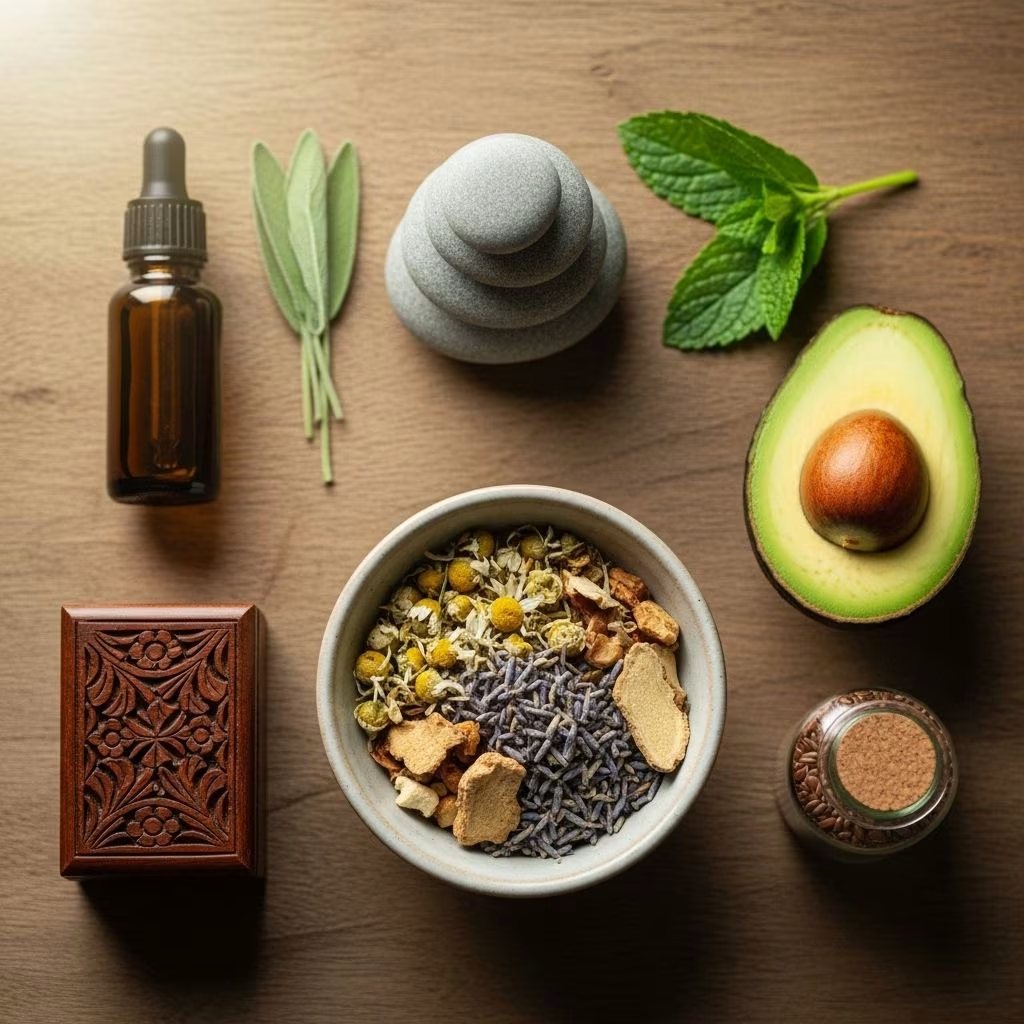
Menopause marks a significant transition in every woman’s life, bringing with it a constellation of symptoms that can affect daily comfort and quality of life. At least two-thirds of women experience noticeable symptoms during this phase, including hot flashes, night sweats, mood fluctuations, sleep disturbances, and changes in energy levels. While hormone replacement therapy remains a medical option, many women prefer exploring natural approaches to manage their menopausal journey.
Natural remedies offer a gentler, holistic pathway to navigating menopause without the potential side effects associated with pharmaceutical interventions. These approaches work with your body’s natural processes, supporting hormonal balance and overall wellbeing during this transformative period. Understanding which natural remedies have scientific backing can empower you to make informed decisions about managing your menopausal symptoms effectively.
Understanding Menopause and Its Impact on Women’s Health
Menopause represents the natural cessation of menstrual periods, typically occurring between ages 45 and 55, though timing varies considerably among individuals. This biological transition happens when the ovaries gradually reduce production of estrogen and progesterone, the hormones that regulate reproductive cycles. The perimenopausal phase, which can last several years before menopause, often brings the most intense symptom experiences as hormone levels fluctuate unpredictably.
The decline in estrogen affects multiple body systems beyond reproduction. Estrogen receptors exist throughout the body—in bones, the cardiovascular system, brain tissue, and skin—explaining why menopausal symptoms extend far beyond the reproductive system. Hot flashes occur when decreasing estrogen disrupts the hypothalamus, the brain’s temperature regulation center, causing sudden sensations of intense heat accompanied by sweating and rapid heartbeat. These episodes can happen multiple times daily and severely disrupt sleep when they occur at night.
Beyond hot flashes, women commonly experience mood changes, anxiety, irritability, difficulty concentrating, vaginal dryness, decreased libido, joint pain, and changes in skin elasticity. The hormonal shift also increases risks for osteoporosis and cardiovascular disease, making bone and heart health particularly important during and after menopause. Recognizing these changes as natural physiological processes rather than medical problems can help women approach menopause with greater acceptance while still seeking effective symptom management.
1. Optimize Your Diet with Phytoestrogen-Rich Foods
Phytoestrogens are plant-based compounds that possess mild estrogen-like properties, offering a natural way to supplement declining hormone levels during menopause. These compounds bind to estrogen receptors in the body, producing effects that are significantly weaker than human estrogen but may still provide symptom relief. The two primary categories of phytoestrogens include isoflavones, found abundantly in soybeans, lentils, chickpeas, and other legumes, and lignans, present in flaxseed, whole grains, and various fruits and vegetables.
Research suggests that populations with traditionally high phytoestrogen consumption, particularly in Asian countries where soy products are dietary staples, report fewer and less severe menopausal symptoms. Women in these regions often experience milder hot flashes compared to those in Western nations where phytoestrogen intake is typically lower. Incorporating these foods into your daily diet may help modulate hormonal fluctuations and reduce symptom intensity naturally.
Excellent phytoestrogen sources to include regularly: Edamame, tofu, tempeh, miso, soy milk, flaxseeds (ground for better absorption), sesame seeds, chickpeas, lentils, kidney beans, whole grain breads and cereals, and cruciferous vegetables like broccoli and Brussels sprouts. Aim to include at least one serving of phytoestrogen-rich foods daily, gradually increasing intake to allow your digestive system to adjust.
However, women with a history of hormone-sensitive cancers should consult healthcare providers before significantly increasing phytoestrogen consumption, particularly through concentrated supplements. While food sources are generally considered safe, the estrogen-like effects warrant medical guidance for those with specific health histories. Natural dietary sources provide a balanced approach that’s been consumed safely for thousands of years across many cultures.
2. Strengthen Bones with Calcium and Vitamin D
Estrogen plays a crucial protective role in maintaining bone density, and its decline during menopause significantly increases osteoporosis risk. Bones continuously undergo remodeling through a balance of breakdown and rebuilding processes. Without adequate estrogen, bone breakdown accelerates while formation slows, resulting in weaker, more fracture-prone bones. This makes calcium and vitamin D supplementation particularly critical during the menopausal transition and beyond.
Calcium provides the essential mineral building blocks for bone structure, while vitamin D facilitates calcium absorption in the intestines and supports bone mineralization. Research from 2020 demonstrates that adequate vitamin D intake during postmenopause correlates with substantially lower hip fracture risk from weakened bones. The combination of these nutrients works synergistically to preserve bone strength and reduce fracture vulnerability during a period when bones are most susceptible to deterioration.
Women going through menopause should aim for 1,200 milligrams of calcium daily from combined food sources and supplements if necessary. Vitamin D requirements typically range from 600 to 800 IU daily, though many experts recommend higher doses, especially for those with limited sun exposure or darker skin tones. Your skin produces vitamin D when exposed to sunlight, but this process becomes less efficient with age, making dietary sources and supplementation increasingly important.
Rich calcium sources include: Dairy products like milk, yogurt, and cheese; fortified plant-based milk alternatives; leafy green vegetables such as kale and collard greens; canned fish with edible bones like sardines and salmon; almonds; and fortified orange juice. For vitamin D, focus on fatty fish (salmon, mackerel, tuna), egg yolks, fortified dairy and plant milks, and consider supplementation after discussing appropriate dosage with your healthcare provider based on your individual needs and blood levels.
3. Maintain a Moderate Weight Through Balanced Nutrition
Body weight significantly influences menopausal symptom severity, with research consistently showing that women carrying excess weight experience more frequent and intense hot flashes compared to those maintaining moderate weight. The relationship between body composition and menopausal symptoms stems from multiple factors, including how fat tissue affects hormone metabolism, inflammation levels, and thermoregulation efficiency. Adipose tissue acts as an endocrine organ, producing hormones and inflammatory compounds that can exacerbate menopausal discomfort.
Achieving and maintaining a moderate weight during menopause requires particular attention, as hormonal changes naturally slow metabolism and alter fat distribution patterns. Women typically experience increased abdominal fat accumulation during menopause, even without changing eating or exercise habits. This shift not only affects symptom severity but also elevates risks for cardiovascular disease, type 2 diabetes, and certain cancers. A balanced approach focusing on nutrient-dense foods rather than restrictive dieting proves most sustainable and beneficial.
Focus on consuming abundant fruits and vegetables, which provide essential vitamins, minerals, fiber, and antioxidants while being naturally low in calories. These foods support healthy weight management while delivering compounds that combat oxidative stress and inflammation associated with aging and hormonal changes. Prioritize whole, minimally processed foods over refined products, which often contain added sugars and unhealthy fats that contribute to weight gain and metabolic dysfunction.
Avoid trigger foods that commonly worsen menopausal symptoms, particularly hot flashes. Caffeine, alcohol, spicy foods, and very hot beverages can stimulate the body’s heat response mechanisms, triggering or intensifying hot flash episodes. Sugar and refined carbohydrates cause rapid blood sugar fluctuations that may contribute to mood swings and energy crashes. Pay attention to your individual triggers by maintaining a symptom diary, as sensitivity varies considerably among women. Eliminating or reducing personal trigger foods often provides noticeable symptom improvement within a few weeks.
4. Exercise Regularly for Comprehensive Symptom Relief
Regular physical activity stands among the most powerful natural interventions for managing menopausal symptoms while simultaneously protecting long-term health. Exercise influences multiple body systems affected by hormonal changes, offering benefits that extend far beyond symptom management. Physical activity helps regulate body temperature, improves mood through endorphin release, enhances sleep quality, maintains bone density, supports cardiovascular health, and aids weight management—all critical concerns during menopause.
Both aerobic exercise and strength training provide distinct advantages during this life stage. Aerobic activities like brisk walking, swimming, cycling, or dancing improve cardiovascular fitness, help manage weight, and may reduce hot flash frequency and intensity. Studies suggest that women who exercise regularly report fewer bothersome symptoms compared to sedentary counterparts. The mood-enhancing effects of aerobic exercise prove particularly valuable for managing the anxiety, irritability, and depression that sometimes accompany menopause.
Strength training becomes especially important during menopause because it directly counteracts the muscle loss and bone density decline associated with aging and estrogen deficiency. Resistance exercises stimulate bone formation, increase muscle mass, boost metabolism, improve balance and coordination, and enhance functional strength for daily activities. Weight-bearing exercises like walking, jogging, or dancing also support bone health by creating mechanical stress that signals bones to strengthen and rebuild.
Mind-body practices like yoga, tai chi, and Pilates offer unique benefits for menopausal women. These disciplines combine physical movement with breathing techniques and mental focus, addressing both physical and emotional dimensions of menopause. Yoga particularly shows promise for reducing hot flashes, improving sleep quality, decreasing stress and anxiety, and enhancing overall quality of life. The gentle stretching, strengthening, and relaxation components work together to support hormonal balance and nervous system regulation.
Aim for at least 150 minutes of moderate-intensity aerobic activity weekly, spread across most days, along with strength training exercises targeting all major muscle groups at least twice weekly. Even short daily walks or brief yoga stretches can provide meaningful benefits. The key is consistency and choosing activities you genuinely enjoy, increasing the likelihood of maintaining an active lifestyle long-term.
5. Explore Herbal Remedies and Supplements
Numerous herbal remedies have traditional use for menopausal symptom management, though scientific evidence varies considerably regarding their effectiveness. While some herbs show promising results in clinical studies, others lack robust research support. Understanding which supplements have evidence backing their use helps women make informed decisions about incorporating these natural approaches into their menopause management strategy.
Black cohosh remains one of the most extensively studied herbs for menopause relief, with some research suggesting it may reduce hot flash frequency and intensity. This North American native plant appears to have estrogen-like effects, though its exact mechanisms remain incompletely understood. However, black cohosh carries potential risks, including possible liver damage and concerns for women with breast cancer history. Any woman considering black cohosh should discuss it with healthcare providers and monitor for adverse effects.
Evening primrose oil contains gamma-linolenic acid, an omega-6 fatty acid believed to help with hot flashes, though research results remain mixed. Some women report significant relief, while scientific studies show inconsistent outcomes. The oil generally has good safety profiles with minimal side effects, making it a low-risk option worth considering for those seeking natural alternatives.
Red clover contains high concentrations of isoflavones, the same phytoestrogens found in soy products. Some studies indicate it may modestly reduce hot flash frequency, though effects appear relatively mild. Sage and lemon balm show traditional use for managing hot flashes and night sweats, with emerging research supporting their potential benefits. Valerian root primarily addresses sleep disturbances and anxiety rather than hot flashes directly, making it particularly useful for women whose primary concerns involve rest and mood.
Other herbs with varying evidence levels include dong quai, ginseng, St. John’s wort, vitex (chasteberry), fennel, and wild yam. Vitamin E supplementation may provide modest hot flash relief for some women, functioning as an antioxidant that supports cellular health and potentially influences hormone levels. Research supporting most herbal remedies remains limited, with many studies showing small sample sizes or methodological limitations requiring more rigorous investigation.
Critical safety considerations: Always consult healthcare providers before starting any herbal supplements, as they’re not regulated by the Food and Drug Administration with the same rigor as pharmaceutical medications. Herbs can interact with prescription medications, may be contraindicated with certain health conditions, and can produce side effects. Ensure your healthcare team knows about all supplements you’re taking to avoid potentially dangerous interactions and to receive guidance on appropriate dosages and duration of use.
6. Prioritize Hydration and Manage Stress
While often overlooked, adequate hydration and effective stress management constitute fundamental natural remedies for menopausal symptom control. These simple yet powerful interventions support overall physiological function and can significantly influence symptom severity and frequency. Both hydration and stress levels affect thermoregulation, mood stability, sleep quality, and general wellbeing—all areas challenged during menopause.
Proper hydration helps regulate body temperature, potentially reducing hot flash intensity and frequency. Dehydration can trigger or worsen hot flashes while also contributing to headaches, fatigue, and concentration difficulties. Many menopausal women experience increased perspiration from night sweats and hot flashes, creating greater fluid loss that requires conscious replacement. Aim for at least eight glasses of water daily, increasing intake during hot weather, after exercise, or following episodes of significant sweating.
Drinking cold water at the onset of a hot flash can provide immediate cooling relief, while consistent hydration throughout the day supports optimal physiological function. Keep water readily accessible, carry a reusable bottle, and establish regular drinking habits rather than waiting until you feel thirsty, as thirst signals often diminish with age. Limit caffeinated and alcoholic beverages, which can worsen dehydration and trigger hot flashes in many women.
Stress management proves equally critical, as chronic stress exacerbates virtually all menopausal symptoms. Stress activates the body’s fight-or-flight response, triggering hormonal cascades that can intensify hot flashes, disrupt sleep, worsen mood disturbances, and compromise overall health. The hormonal fluctuations of menopause themselves create physiological stress, making additional psychological stress particularly impactful during this period.
Effective stress management techniques include meditation, deep breathing exercises, progressive muscle relaxation, mindfulness practices, journaling, spending time in nature, maintaining social connections, and engaging in enjoyable hobbies. Cognitive behavioral therapy shows particular promise for reducing how much menopause symptoms bother women, helping reframe thoughts and develop coping strategies for managing this transition. Even brief daily practices—ten minutes of meditation or a short nature walk—can produce meaningful stress reduction benefits.
Sleep hygiene becomes especially important during menopause when sleep disturbances are common. Establish consistent sleep and wake times, create a cool, dark, quiet sleeping environment, limit screen time before bed, and develop a relaxing bedtime routine. Address night sweats by using breathable bedding materials, keeping the bedroom temperature cool, and having extra clothing and bedding available for quick changes if needed. Quality sleep supports hormonal balance, mood regulation, and overall resilience in managing menopausal challenges.
Creating Your Personalized Natural Menopause Management Plan
Successfully managing menopause through natural remedies requires a personalized, multifaceted approach that addresses your specific symptom pattern and individual circumstances. No single remedy works universally, and most women find that combining several strategies provides optimal results. Begin by tracking your symptoms for several weeks, noting their frequency, intensity, timing, and potential triggers. This information helps identify which interventions to prioritize and allows you to monitor effectiveness as you implement changes.
Start with foundational lifestyle modifications—optimizing diet, ensuring adequate calcium and vitamin D, maintaining moderate weight, exercising regularly, staying hydrated, and managing stress—as these approaches offer broad benefits with minimal risks. These changes support overall health beyond symptom management, providing lasting advantages that extend well past the menopausal transition. Implement changes gradually rather than overwhelming yourself with multiple simultaneous modifications, allowing time to assess which interventions provide meaningful relief.
Consider herbal supplements as complementary additions after establishing lifestyle foundations, always consulting healthcare providers before starting new supplements. Monitor responses carefully, giving each intervention adequate time—typically several weeks to months—before evaluating effectiveness. Some natural remedies provide immediate relief, while others require consistent use over time to produce noticeable benefits. Maintain realistic expectations, recognizing that natural approaches typically provide modest to moderate symptom reduction rather than complete elimination.
Remember that menopause is a natural life transition, not a disease requiring treatment. While symptoms can significantly impact quality of life and deserve appropriate management, approaching this phase with acceptance and patience helps reduce associated stress and frustration. Many women find that symptoms gradually diminish over time, even without intervention, as the body adjusts to new hormonal levels. Natural remedies offer tools to ease this journey while supporting overall health and wellbeing during this transformative period.
Frequently Asked Questions
Q: How long do menopausal symptoms typically last?
A: Menopausal symptoms vary greatly among individuals, with most women experiencing symptoms for approximately four to five years. However, some women have symptoms for only a few months, while others experience them for a decade or longer. Hot flashes typically peak during the first year after the final menstrual period and gradually decrease in frequency and intensity over time.
Q: Can natural remedies completely eliminate hot flashes?
A: Natural remedies typically reduce hot flash frequency and intensity rather than eliminating them completely. Most women experience modest to moderate improvement when using natural approaches consistently. Combining multiple strategies—dietary changes, regular exercise, stress management, and appropriate supplements—generally provides better results than relying on a single intervention.
Q: Are phytoestrogen supplements safer than eating phytoestrogen-rich foods?
A: Food sources of phytoestrogens are generally considered safer than concentrated supplements because they provide balanced amounts that humans have consumed safely for thousands of years. Supplements contain much higher phytoestrogen concentrations that may produce stronger effects and potential risks, particularly for women with hormone-sensitive conditions. Always prioritize food sources and consult healthcare providers before taking phytoestrogen supplements.
Q: How quickly will I notice results from natural menopause remedies?
A: Timeline varies depending on the intervention and individual factors. Some strategies like staying hydrated or avoiding trigger foods may provide relatively quick relief within days to weeks. Dietary changes, exercise programs, and herbal supplements typically require consistent use for several weeks to months before producing noticeable benefits. Patience and consistency are essential when using natural approaches for symptom management.
Q: Should I stop taking natural remedies once symptoms improve?
A: This depends on the specific intervention. Healthy lifestyle practices like nutritious eating, regular exercise, adequate hydration, and stress management provide benefits beyond symptom relief and should continue indefinitely. Herbal supplements can typically be discontinued once symptoms resolve or become manageable, though some women choose to continue them throughout the menopausal transition. Discuss supplement duration with healthcare providers based on your individual situation.
Q: Can men experience similar symptoms during hormonal changes?
A: While men don’t experience menopause, they undergo gradual testosterone decline called andropause, which can produce symptoms including fatigue, mood changes, decreased libido, and reduced muscle mass. However, male hormonal changes occur much more gradually than female menopause and typically produce milder symptoms. Some natural remedies beneficial for menopause, particularly lifestyle modifications, can also support men’s health during hormonal transitions.
References
- https://www.healthline.com/nutrition/11-natural-menopause-tips
- https://www.unitypoint.org/news-and-articles/ways-to-manage-hot-flashes
- https://www.mayoclinic.org/diseases-conditions/menopause/diagnosis-treatment/drc-20353401
- https://pmc.ncbi.nlm.nih.gov/articles/PMC5783135/
- https://www.nhs.uk/medicines/hormone-replacement-therapy-hrt/alternatives-to-hormone-replacement-therapy-hrt/herbal-remedies-and-complementary-medicines-for-menopause-symptoms/
- https://empireobgyn.com/natural-menopause-management-remedies/
- https://blog.ochsner.org/articles/the-best-natural-remedies-for-menopause-symptom-relief/
- https://www.ncoa.org/article/5-ways-to-manage-your-menopause-naturally/


