


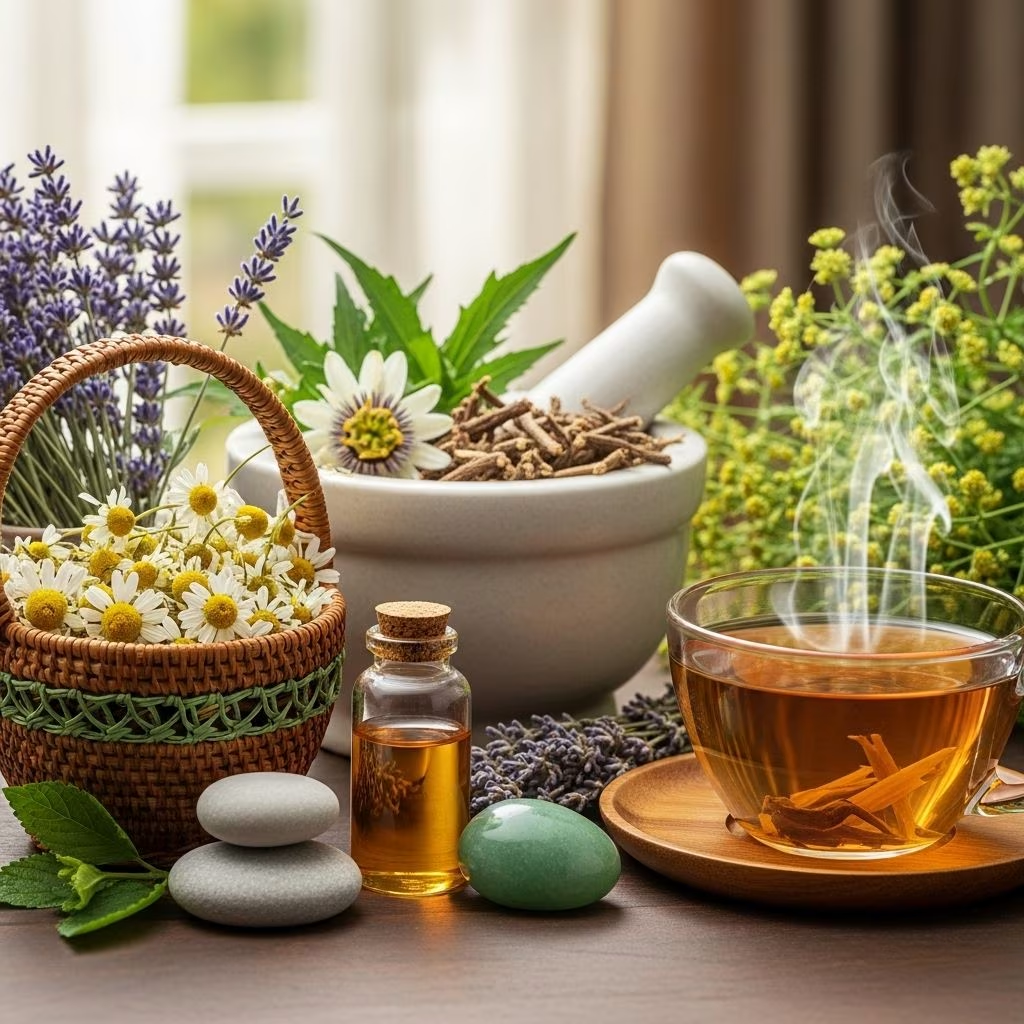
Natural Remedies for Anxiety: Do They Really Work?
In our modern, fast-paced world, many people are looking for alternatives to conventional medications when addressing anxiety. Whether out of personal preference, concerns over side effects, or a desire for holistic wellness, interest in natural remedies has soared. But how effective are these alternative approaches—herbs, supplements, or therapies—compared to standard care? Is there scientific evidence behind their use for anxiety, or do they remain unproven options?
This article thoroughly explores the available research on leading natural remedies for anxiety, covering herbal medicines, dietary supplements, alternative therapies, and self-care methods. Please note: It is crucial to consult a healthcare professional before starting any new supplement or alternative therapy, as safety and interactions may vary.
Understanding Anxiety and the Search for Natural Relief
Anxiety disorders are among the most common mental health conditions, affecting millions globally. Symptoms range from persistent worry and nervousness to panic attacks, muscle tension, and sleep disturbances. Standard treatments include therapy and medication, yet not everyone finds relief or tolerates these approaches. As a result, many explore natural and complementary remedies in managing anxiety.
Popular Natural Remedies: Herbs and Supplements
Several herbal medicines and dietary supplements have gained attention for their calming or anxiolytic (anxiety-reducing) effects. Below, we review the most frequently studied and used remedies, highlighting available evidence and points of caution.
Kava
Kava (Piper methysticum) is a root native to the South Pacific, traditionally consumed as a calming beverage. Research has found kava extracts may offer short-term benefits for mild-to-moderate anxiety. Multiple randomized controlled trials (RCTs) indicate kava can be more effective than placebo in reducing anxiety symptoms.
- Potential benefits: Short-term anxiety relief, minimal sedation at moderate doses.
- Drawbacks: Serious safety concerns have arisen due to rare cases of liver toxicity and failure, prompting regulatory warnings or bans in several countries. Kava should not be taken with alcohol, other sedatives, or medications affecting the liver.
- Appropriate use: Only under medical supervision and not for people with liver problems.
Valerian
Valerian (Valeriana officinalis) is an herb renowned for its use in insomnia. Given the sleep-anxiety connection, valerian has been tested for anxiety relief as well. Evidence suggests mild calming effects, though studies are often small and results mixed.
- Some research notes modest anxiety reduction in stressful situations, but larger trials have not confirmed significant anxiolytic effect over placebo.
- May cause drowsiness or mild headache. Best avoided with other sedatives.
Passionflower
Passionflower (Passiflora incarnata) is another herbal remedy traditionally used to ease restlessness and anxiety. Clinical trials indicate that passionflower extract may help relieve symptoms, showing effectiveness in mild cases and as part of multi-herb combinations.
- Good evidence for effectiveness as an anxiolytic agent in at least three randomized studies.
- Generally well-tolerated. May cause mild drowsiness, dizziness.
Lemon Balm
Lemon Balm (Melissa officinalis) is a lemon-scented herb used for calming purposes. Early studies suggest it may reduce stress and mild anxiety, especially when used with valerian or other herbs. However, more research is needed.
- May provide additional benefits in blended herbal formulas.
- Possible side effects are rare but can include mild gastrointestinal symptoms or sedation.
St. John’s Wort
St. John’s Wort (Hypericum perforatum) is best known for its antidepressant properties, but it is sometimes promoted for anxiety. The scientific consensus is that evidence for St. John’s Wort as an anti-anxiety treatment is insufficient. Importantly, St. John’s Wort interacts with many medications, sometimes dangerously.
- Not recommended for anxiety unless under close medical supervision.
Chamomile
Chamomile (Matricaria recutita) tea or extract is widely used for stress and sleep problems. Some clinical trials suggest chamomile may help reduce symptoms in individuals with generalized anxiety disorder (GAD), though effects are usually modest.
- Generally considered safe for most people, except those with allergies to related plants (e.g., ragweed).
Other Notable Herbal Options
- Ashwagandha (Withania somnifera): Used in Ayurvedic medicine; early studies show possible anxiety-lowering effects.
- Hops, Skullcap, California poppy, Hawthorn: Found in some multi-ingredient blends; evidence is less conclusive.
Minerals, Vitamins, and Amino Acids
Research has explored whether deficiencies in certain nutrients or supplementation can impact anxiety. Key findings include:
- Magnesium: Low levels have been associated with increased anxiety. Some small studies report reduced anxiety with magnesium supplements, especially when combined with vitamin B6 or in multi-nutrient formulations.
- B Complex Vitamins: Important for nervous system health, sometimes used in combination supplements.
- L-lysine and L-arginine: These amino acids, individually and in combination, may have a calming effect, particularly in individuals with elevated baseline stress.
- Multivitamin-Multimineral Supplements: Shown to improve subjective well-being and may help if deficiencies are present.
Not all individuals with anxiety require supplements, and mega-dosing can bring risks. Always seek tailored health advice.
Alternative and Complementary Therapies
Beyond herbs and supplements, several non-pharmaceutical therapies are promoted as natural anxiety relievers. While some have stronger evidence than others, individual results vary.
Relaxation Therapies and Mindfulness
- Mindfulness meditation and relaxation techniques produce reliable short-term reductions in anxiety for many people.
- Techniques include deep breathing, progressive muscle relaxation, guided imagery, and body scan meditation.
- Benefits are cumulative with regular practice—often taught in group or individual settings.
Aromatherapy
Essential oils such as lavender, bergamot, and vetiver are sometimes used for their calming scents. Some people find these aromas relaxing, but strong scientific backing is limited.
Acupuncture
Rooted in Chinese medicine, acupuncture is sometimes used to address anxiety. Systematic reviews find mixed results; while some report reduced symptoms, methodological differences limit generalizability.
Yoga and Physical Activity
Yoga emphasizes movement, breathwork, and mindfulness. Several trials indicate yoga may be helpful in reducing mild-to-moderate anxiety, improving mood, and regulating stress responses. Physical exercise in general is a powerful, evidence-based tool for managing anxiety symptoms over time.
Other Therapies
- Massage Therapy: May reduce physical symptoms of anxiety, like muscle tension.
- Biofeedback: Teaches awareness of physiological signals (e.g., heart rate), supporting relaxation training.
- Bach Flower Remedies: Popular in some circles but lack robust research support.
Do Natural Remedies Really Work?
| Remedy | Evidence for Effectiveness | Safety Notes |
|---|---|---|
| Kava | Moderate — some RCTs show benefit | Rare but severe liver toxicity risk |
| Valerian | Weak to moderate — mixed findings | Mild drowsiness, avoid with sedatives |
| Passionflower | Moderate — several positive trials | Mild drowsiness/dizziness |
| Lemon Balm | Some — mainly blends; more research needed | Mild, rare side effects |
| Magnesium/B vitamins | Some — deficiency may worsen symptoms | Generally safe at moderate doses |
| Acupuncture | Mixed — may help some individuals | Safe with trained practitioner |
| Mindfulness/relaxation | Strong short-term relief proven | Safe, no side effects |
Risks, Drawbacks, and When to Use Caution
While most natural remedies are well-tolerated when used appropriately, several key risks must be considered:
- Drug interactions: Herbs such as St. John’s Wort can alter the metabolism of numerous medications, reducing their effectiveness or increasing side effects.
- Quality variability: Supplements and herbal products are not always regulated for purity and dosage, leading to inconsistent efficacy or contaminants.
- Liver/Kidney health: Kava, in particular, poses rare but serious risks of liver injury; avoid use in those with liver disease.
- Not a replacement for therapy: Natural remedies may be helpful, but serious or persistent anxiety benefits from professional support and evidence-based treatments.
Integrating Natural Remedies with Conventional Treatment
Many people choose to blend natural remedies with conventional approaches (such as cognitive-behavioral therapy and prescribed medications). This complementary approach can be safe and productive under professional guidance:
- Always inform your doctor or mental health provider of any supplements, herbs, or alternative therapies you are using or wish to try.
- Monitor changes in symptoms and side effects closely.
- Seek professional help for worsening symptoms or if anxiety interferes with daily life.
Frequently Asked Questions (FAQs)
Q: Are natural remedies for anxiety safe?
A: Most natural remedies are safe when used as directed by a qualified practitioner. However, some herbs can interact with medications, and specific remedies like kava may rarely cause severe side effects. Always consult a healthcare professional before starting any new treatment.
Q: Can herbal remedies replace anxiety medication?
A: There is no consistent evidence that herbal or natural remedies are as effective as prescribed medications for clinically significant anxiety disorders. They may offer adjunctive benefits or help with mild symptoms, but should not replace medical treatment without professional guidance.
Q: Which supplements have the strongest evidence for anxiety relief?
A: Passionflower and kava have moderate clinical evidence for reducing anxiety, with magnesium and L-lysine/L-arginine showing benefit in some studies. Mindfulness-based practices have robust support for anxiety management.
Q: What natural steps can I take to reduce anxiety without supplements?
A: Regular physical exercise, mindfulness meditation, sufficient sleep, healthy eating, and limiting caffeine/alcohol are proven strategies for reducing anxiety symptoms and improving overall well-being.
Q: How should I choose a supplement for anxiety?
A: Consult with a healthcare provider, select reputable brands, and avoid combining multiple remedies without expert advice. Be alert for side effects or changes in your health.
Key Takeaways for Those Considering Natural Remedies
- Herbs and supplements such as kava, passionflower, valerian, and magnesium can be helpful—but are not without risks or limitations.
- Natural remedies are best viewed as supportive aids, not replacements for professional treatment, especially when anxiety is moderate or severe.
- Evidence-based self-care practices like relaxation, mindfulness, and regular exercise are safe and often effective adjuncts.
- Always check with a medical professional to avoid interactions, unexpected side effects, or delays in obtaining effective care.
References
- https://www.mayoclinic.org/diseases-conditions/generalized-anxiety-disorder/expert-answers/herbal-treatment-for-anxiety/faq-20057945
- https://pmc.ncbi.nlm.nih.gov/articles/PMC2959081/
- https://pubmed.ncbi.nlm.nih.gov/35378276/
- https://www.aafp.org/pubs/afp/issues/2007/0815/p549.html
- https://www.ebsco.com/research-starters/complementary-and-alternative-medicine/natural-treatments-anxiety-and-panic
- https://www.jeanhailes.org.au/health-a-z/anxiety/anxiety-and-natural-therapies
- https://jamanetwork.com/journals/jamapsychiatry/fullarticle/2769486


