


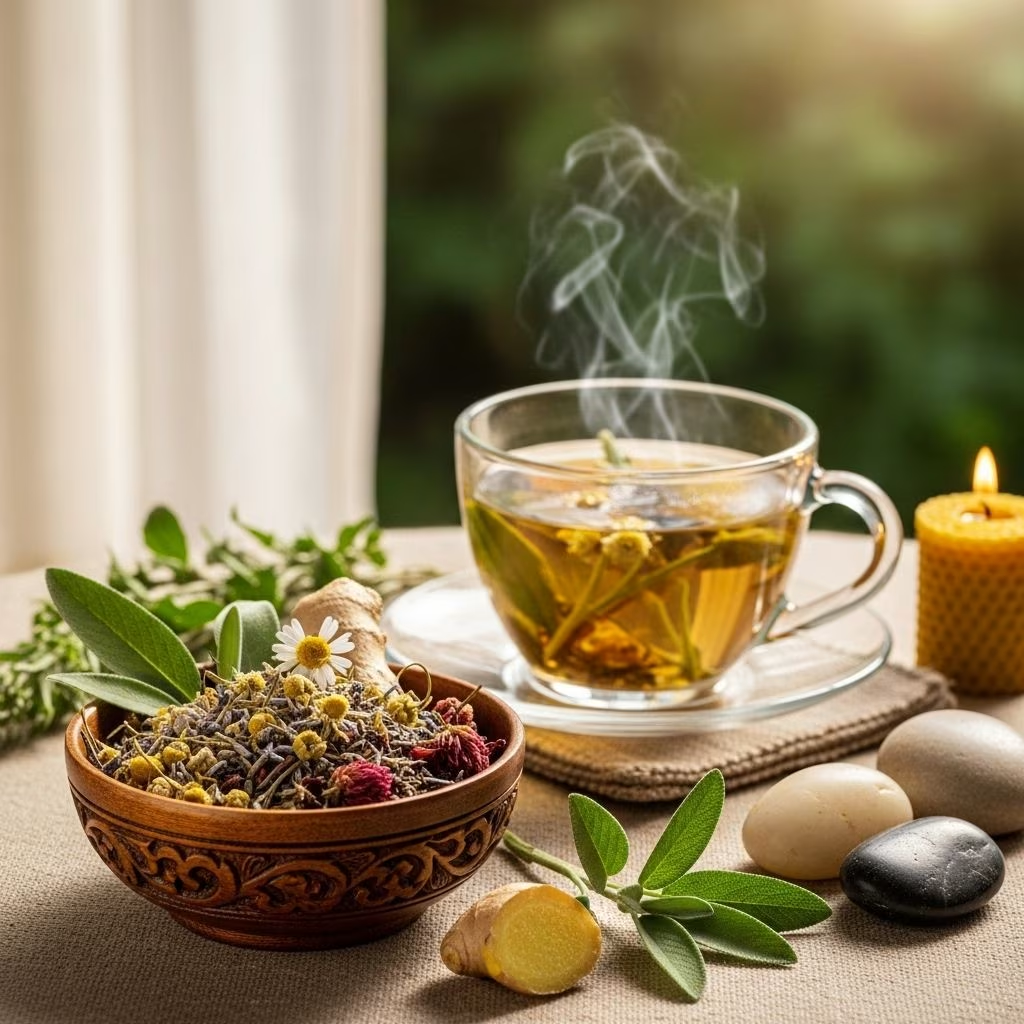
Natural Remedies for Perimenopause: A Holistic Approach
Perimenopause marks the transition leading up to menopause, typically beginning in a woman’s 40s though sometimes earlier. During this phase, fluctuating hormone levels—especially estrogen and progesterone—can cause a wide array of symptoms, from hot flashes and night sweats to mood swings, fatigue, vaginal dryness, and sleep disturbances. While hormone replacement therapy (HRT) is a common medical approach, many women seek natural remedies to manage symptoms and support overall well-being.
Understanding Perimenopause
Perimenopause is the body’s natural process of winding down reproductive function. It can last several years and is characterized by irregular periods, hormonal fluctuations, and a gradual decline in estrogen production. Symptoms vary widely, but common complaints include:
- Hot flashes and night sweats
- Mood swings and irritability
- Sleep disturbances
- Vaginal dryness
- Decreased libido
- Weight gain and slowed metabolism
- Changes in menstrual cycle
These changes occur as the ovaries produce less estrogen, affecting multiple systems in the body.
Natural Remedies for Perimenopause Symptoms
Dietary Strategies and Phytoestrogens
Nutrition plays a crucial role in managing perimenopause. A diet rich in phytoestrogens—plant compounds that mimic estrogen—can help stabilize hormonal fluctuations. Key foods include:
- Soy: Contains isoflavones that may help reduce hot flashes and night sweats.
- Flaxseeds: High in lignans, another type of phytoestrogen.
- Lentils and beans: Offer plant-based protein and additional phytoestrogens.
- Calcium and vitamin D-rich foods: Support bone health, which becomes increasingly important as estrogen declines.
Iron-rich foods can help counteract fatigue, a common symptom during this phase.
Lifestyle Modifications
Simple lifestyle changes can significantly impact symptom severity:
- Regular exercise: Activities like walking, swimming, yoga, and strength training help regulate mood, improve sleep, and support cardiovascular and bone health[10].
- Stress management: Techniques such as meditation, deep breathing, and mindfulness can reduce cortisol levels, improve sleep, and ease mood swings.
- Prioritizing sleep: Establishing a cool, dark bedroom environment and a calming bedtime routine can minimize night sweats and improve sleep quality.
- Limiting stimulants: Reducing caffeine and alcohol intake may decrease hot flashes and sleep disturbances.
Herbal Supplements and Botanicals
Black Cohosh
One of the most widely used herbs for menopausal symptoms, black cohosh may help alleviate hot flashes and night sweats, though research results are mixed. It is not a replacement for HRT, and women should consult their healthcare provider before use.
Red Clover and Soy Isoflavones
Red clover is another rich source of isoflavones. Some studies suggest it may reduce hot flashes and improve vaginal health, though evidence is limited and long-term safety is not fully established. Soy isoflavones have shown promise in easing vasomotor symptoms, but they are not a substitute for prescribed hormone therapies.
Evening Primrose Oil
Evening primrose oil is often used for mood balance and may help with breast tenderness, though its effectiveness for other perimenopause symptoms is less clear.
Other Herbs and Supplements
- Ginseng: May improve sleep quality and energy levels.
- Wild Yam: Sometimes promoted for estrogenic effects, but evidence of benefit is lacking.
- Dong Quai: Used in traditional Chinese medicine, but studies show minimal impact on perimenopause symptoms.
- Vitamin D and Calcium: Essential for maintaining bone density as estrogen levels drop.
Adaptogens for Stress and Fatigue
Adaptogenic herbs like ashwagandha and rhodiola may help the body manage stress and regulate energy levels during this transitional period.
Important Considerations and Safety
Natural does not always mean safe. Herbal supplements can interact with medications and may not be appropriate for everyone, especially those with a history of hormone-sensitive cancers or certain medical conditions. Always consult a healthcare provider before starting any new supplement regimen.
Be wary of products that make bold or unverified claims, such as “works better than prescription drugs” or “no side effects.” The FDA does not regulate supplements as strictly as pharmaceuticals, so quality and safety can vary.
Comparing Natural Remedies and Medical Treatments
| Approach | Effectiveness | Safety Notes | Best For |
|---|---|---|---|
| Diet & Lifestyle | Moderate to high (general wellness) | Very safe | Overall symptom management, prevention |
| Black Cohosh | Variable (may help some women) | Generally safe, but not for everyone | Hot flashes, night sweats |
| Soy/Isoflavones | Moderate for vasomotor symptoms | Caution in hormone-sensitive conditions | Hot flashes, cardiovascular health |
| Evening Primrose Oil | Limited evidence | Generally safe | Mood, breast tenderness |
| HRT | Highly effective | Risks require medical supervision | Severe symptoms, bone protection |
Frequently Asked Questions (FAQs)
What are the most common symptoms of perimenopause?
Common symptoms include irregular periods, hot flashes, night sweats, mood swings, sleep disturbances, vaginal dryness, and changes in libido. Some women also experience weight gain, fatigue, and changes in skin and hair.
Are natural remedies as effective as hormone replacement therapy (HRT)?
Natural remedies may help manage mild to moderate symptoms but are generally not as effective as HRT for severe symptoms. HRT is the most effective treatment for menopausal symptoms but comes with potential risks and side effects that require careful medical supervision.
What dietary changes are recommended during perimenopause?
Eating a diet rich in phytoestrogens (soy, flaxseeds, lentils), calcium, vitamin D, and iron is beneficial. Limiting caffeine, alcohol, and processed foods can also help manage symptoms.
Are herbal supplements safe for everyone?
No. Some supplements may interact with medications or be unsafe for people with certain health conditions, especially hormone-sensitive cancers. Always consult your healthcare provider before starting any supplement.
How long does perimenopause last?
Perimenopause can last anywhere from a few months to several years, typically beginning in a woman’s 40s but sometimes earlier. The duration varies widely among individuals.
Can exercise help with perimenopause symptoms?
Yes. Regular physical activity, including both aerobic exercise and strength training, can help ease mood swings, improve sleep, support bone health, and reduce the risk of chronic diseases[10].
Are there risks associated with phytoestrogens?
While generally well-tolerated in the short term, long-term safety data are limited. Phytoestrogens may not be suitable for women with a history of hormone-sensitive cancers.
Conclusion
Perimenopause is a significant transitional phase that can impact physical, emotional, and mental well-being. While hormone replacement therapy remains the most effective medical treatment for severe symptoms, many women find relief through natural remedies, dietary adjustments, and lifestyle changes. Herbal supplements such as black cohosh, soy isoflavones, and evening primrose oil may offer some benefit, but evidence is mixed and safety concerns exist. The best approach involves a combination of mindful self-care, informed choices, and regular consultation with healthcare providers to navigate this phase of life with confidence and comfort.
References
- https://www.healthline.com/health/natural-remedies-for-perimenopause
- https://www.medicalnewstoday.com/articles/natural-remedies-for-menopause
- https://caryobgyn.com/managing-perimenopause-symptoms-natural-remedies-and-medical-treatments/
- https://www.palomahealth.com/learn/natural-treatments-perimenopause-menopause
- https://blog.ochsner.org/articles/the-best-natural-remedies-for-menopause-symptom-relief/
- https://www.nhs.uk/medicines/hormone-replacement-therapy-hrt/alternatives-to-hormone-replacement-therapy-hrt/herbal-remedies-and-complementary-medicines-for-menopause-symptoms/
- https://www.mayoclinic.org/diseases-conditions/perimenopause/diagnosis-treatment/drc-20354671
- https://www.womenscareobgyn.com/health-library/natural-treatments-for-perimenopause-and-menopause-symptoms
- https://pmc.ncbi.nlm.nih.gov/articles/PMC5783135/
- https://my.clevelandclinic.org/health/diseases/21608-perimenopause


