


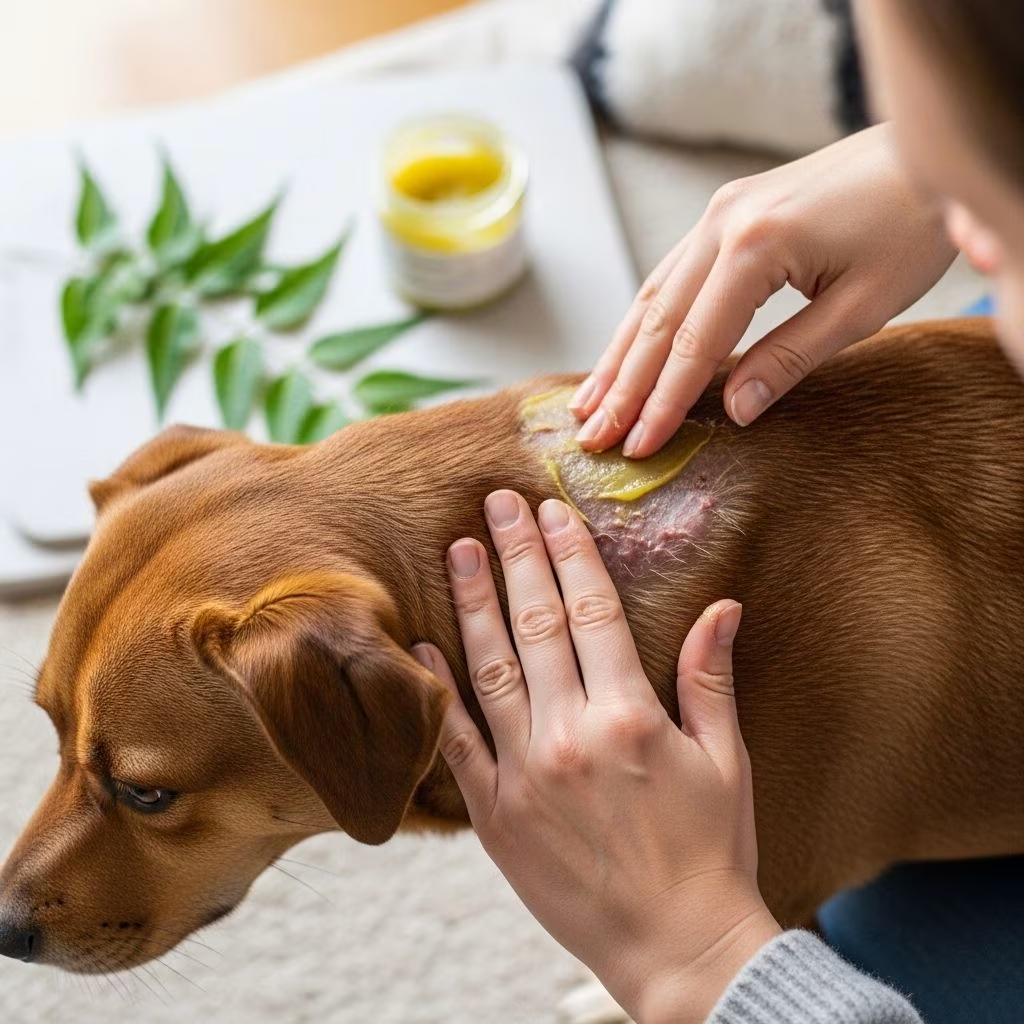
How to Treat Mange in Dogs at Home: Effective Natural Remedies
Mange is a frustrating and sometimes severe skin condition that can affect dogs of all breeds, ages, and sizes. While veterinary intervention is often necessary in advanced cases, certain natural remedies can soothe symptoms and support recovery in mild to moderate forms—or provide relief while you consult your veterinarian. This detailed guide explains canine mange, how to identify it, natural home treatments, and essential preventive steps to ensure your dog’s comfort and health.
What is Mange in Dogs?
Mange is a skin disease caused by several species of parasitic mites. The two most common types in dogs are:
- Demodectic mange (caused by Demodex mites): Often seen in puppies or dogs with weakened immune systems.
- Sarcoptic mange (also known as canine scabies, caused by Sarcoptes scabiei): Highly contagious and intensely itchy.
Both types can cause severe itching, redness, scaly skin, hair loss, and secondary infections if left untreated. Early intervention is crucial for both the dog’s comfort and to prevent further spread, especially with sarcoptic mange.
Recognizing Symptoms of Mange
- Excessive and persistent scratching or biting at the skin
- Redness and inflammation
- Bald patches or thinning fur
- Crusting, scabs, or open sores
- Unpleasant skin odor
- Lethargy and irritability due to discomfort
- Thickened or darkened skin in chronic cases
If you suspect mange, it is important to consult your veterinarian to confirm the diagnosis and determine the best course of treatment, especially for widespread or severe cases.
Home Remedies for Treating Mange in Dogs
Natural home remedies may provide relief for mild mange and support veterinary care. These treatments are widely used and can ease symptoms, relieve itchiness, and promote healing. However, always perform a patch test to make sure your dog does not have an adverse reaction, and do not use these remedies on open wounds without veterinary guidance.
1. Honey
Raw, organic honey has strong antibacterial and antifungal properties. It helps soothe inflamed skin and can smother and potentially starve mange mites in localized areas.
- Apply a thin layer of honey directly onto affected areas.
- Allow it to remain for 15-20 minutes before gently rinsing off, if desired.
- Repeat twice daily for best results. Prevent the dog from licking off excessive honey.
2. Olive Oil
Olive oil can soothe irritated skin, relieve itching, and help suffocate mites in mild, localized cases.
- Apply a thin layer to patches of irritated skin.
- Leave for 15-30 minutes, then dab or rinse off excess if the dog tries to lick it.
- Repeat 2-3 times per day. It also helps restore moisture to dry, flaky skin.
3. Yogurt
Plain, unsweetened yogurt is rich in probiotic bacteria (acidophilus) that counteract secondary bacterial and fungal infections. Its cooling effect eases itch and discomfort.
- Apply 1-2 tablespoons directly onto the inflamed or crusty skin.
- Leave in place for about 15-20 minutes before gently wiping off.
- Repeat up to twice daily. Use only plain, sugar-free yogurt.
4. Aloe Vera
Aloe vera gel (inner clear gel only) has potent anti-inflammatory and soothing effects. It calms irritated skin, supports healing, and may provide mild antiparasitic action.
- Apply freshly extracted aloe gel or store-bought 100% aloe gel to the affected area.
- Allow it to air dry; do not let your dog lick it before it dries fully.
- Repeat up to twice daily, ensuring the dog does not ingest any aloe latex (the yellowish sap beneath the leaf skin, which is toxic).
5. Apple Cider Vinegar
Apple cider vinegar (ACV) offers antibacterial and antifungal benefits and may help regulate skin pH to speed healing. It can be used:
- Dilute with equal parts water. Optionally add to your dog’s bath water or use as a rinse post-bath.
- For very mild cases, apply the diluted ACV with a spray bottle onto the coat or dab onto small patches, avoiding open wounds.
- Never use undiluted ACV directly on damaged or open skin, as it can cause stinging and irritation.
- Adding a small amount to food may also help internal balance, but consult your vet first.
6. Lemon Rinse
Lemons are naturally antiseptic and their acidic pH helps manage mites and reduce secondary skin infections.
- Slice a fresh lemon with the peel.
- Boil in one liter of water, then let it steep overnight.
- Apply the liquid with a sponge or spray to the dog’s affected skin.
- Let air-dry and repeat once or twice daily.
- Lemon-garlic infusions are sometimes used for added effectiveness, but always monitor for skin irritation.
7. Neem Oil and Herbal Blends
Neem oil is a powerful natural insecticide and antifungal that may help kill mange mites. Use only as directed and always diluted to avoid irritation.
- Mix a few drops of neem oil with a carrier oil such as olive or coconut oil.
- Apply gently to the affected areas 2-3 times daily.
- Neem herbal tinctures or infusions may also be used as topical rinses.
- Turmeric can be heated with water and combined with neem for added anti-inflammatory benefit.
8. Barbados Nut Oil
This oil has anti-parasitic, antifungal, and insecticidal effects. When mixed with niaouli essential oil, it may offer enhanced results for mild mange cases.
- Use externally two to three times per day, avoiding the dog’s face.
- Do not let your dog ingest these oils.
9. CBD Oil (Holistic Support)
Pet-safe CBD oil may help reduce skin inflammation, provide itch relief, and support immune function. Only use products formulated for dogs and follow appropriate dosing instructions.
- Discuss with your veterinarian before adding CBD oil to your dog’s routine.
- Avoid using human CBD products on pets.
10. Herbal Antibiotics & Supplements
- Olive leaf, oil of oregano, plantain, and calendula are known for their mild antibacterial and healing properties. They can be infused into topical rinses for skin soothing.
- Quercetin, found in fruits and vegetables, acts as a natural anti-inflammatory and antihistamine, reducing itchiness.
Bathing and Hygiene: Essential Steps
Regular, gentle bathing and strict hygiene measures help control mange and support healing. Avoid harsh shampoos, soaps, or chemicals.
- Bathe your dog weekly with mild, vet-approved or colloidal oatmeal shampoos to remove mites, dirt, and scabs.
- Rinse thoroughly.
- Ensure your dog is kept warm and dry after baths.
Decontaminating Your Home
For highly contagious sarcoptic mange, environmental control is crucial:
- Wash all bedding, toys, and towels in hot water with a cup of borax; dry on high heat.
- Vacuum floors, carpets, furniture, and dog bedding thoroughly; discard vacuum bags or empty outside.
- Use diatomaceous earth to treat rugs, car interiors, and pet beds; it dehydrates mites.
- Seal non-washable soft items in plastic bags for at least 2-4 weeks to ensure mites die off.
General Care Tips and Prevention
- Feed a quality, well-balanced diet rich in Omega-3 and Omega-6 fatty acids (like fish oils) to enhance the skin’s integrity and immune response.
- Keep your dog’s living space clean and sanitized.
- Regularly groom your dog and inspect the skin for signs of infection or irritation.
- Avoid exposure to infected animals or environments.
- Boost overall health through stress reduction, exercise, and regular veterinary checkups.
When to Seek Veterinary Help
Many cases of mange require veterinary attention, especially if:
- The condition spreads or worsens despite home care.
- Your dog is in visible discomfort, has severe hair loss, or develops open sores.
- The mange affects puppies, elderly, or immunocompromised dogs.
- There are signs of secondary infection (pus, severe redness, bad odor).
Prescription medications (such as oral or topical anti-parasitics) may be needed for advanced or unresponsive cases. Always work with your veterinarian for a comprehensive care plan.
Frequently Asked Questions (FAQs)
Q: How long does it take to cure mange in dogs with natural remedies?
A: With consistent treatment and proper care, mild cases may improve noticeably within 2-4 weeks. Severe infestations may take several months and require veterinary medications.
Q: Can I use tea tree oil or clove oil to treat mange?
A: No. Both tea tree oil and clove oil can be toxic to dogs if not highly diluted and precisely administered. They are not generally recommended for topical use in pets, especially without veterinary guidance.
Q: Is mange contagious to humans?
A: Sarcoptic mange (canine scabies) is zoonotic, meaning it can cause itching or a temporary rash in humans. Demodectic mange typically does not affect humans.
Q: What diets or supplements help dogs recover from mange?
A: A nutrient-rich diet, with high protein and omega fatty acids, plus supplements like quercetin and probiotics, helps boost immunity and skin regeneration during recovery.
Q: Will my dog’s hair grow back after mange treatment?
A: In most cases, yes. Once the mites are eliminated and the skin heals, hair usually regrows over several weeks to months. Severe cases may take longer, and scarring may affect regrowth in some areas.
Q: When should I stop home remedies and see a vet?
A: If you see no improvement after two weeks, your dog’s symptoms worsen, or there are open wounds or secondary infections, stop home care and visit the vet for diagnosis and advanced treatment.
Conclusion
Mange is uncomfortable for dogs and distressing for owners, but with immediate attention and the right combination of natural remedies, healing is possible in many mild cases. Always prioritize your dog’s well-being by seeking veterinary support for lasting or serious symptoms. With patient care, regular hygiene, and a healthy lifestyle, most dogs make a full recovery and return to their playful, happy selves.
References
- https://www.pethonesty.com/blogs/blog/8-remedies-to-help-dogs-with-mange
- https://www.holistapet.com/blogs/home-remedies-for-dogs/canine-mange
- https://www.dogsnaturallymagazine.com/mange-in-dogs/
- https://wagwalking.com/treatment/natural-mange-remedies
- https://www.medicinenet.com/can_mange_be_treated_at_home/article.htm
- https://www.petmd.com/dog/general-health/home-remedies-for-dog-itchy-skin
- https://paworigins.com/blogs/vet-blogs/natural-solutions-for-canine-mange-effective-homemade-remedies-to-restore-your-dogs-healthy-coat
- https://www.youtube.com/watch?v=HPFuibvpQAY


