


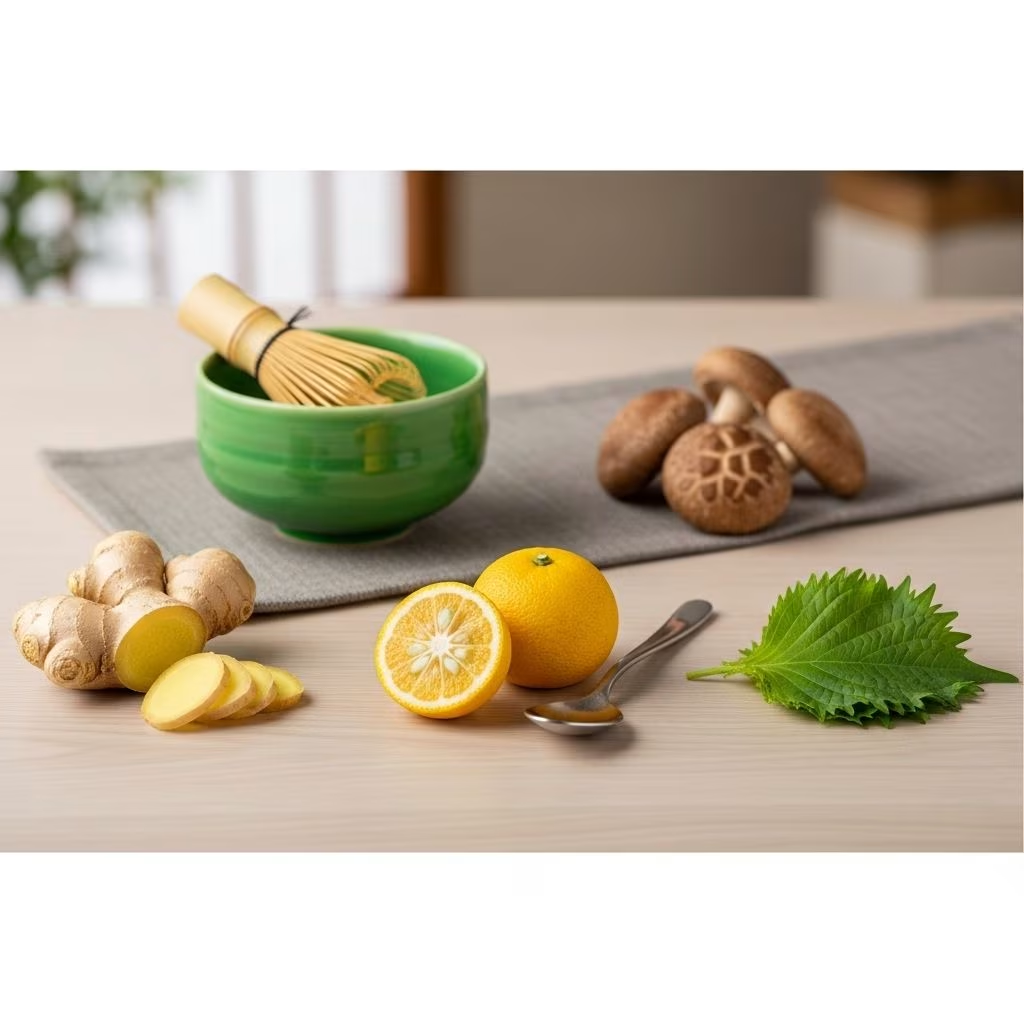
5 Natural Japanese Remedies to Prevent and Fight Colds
As the seasons change, bouts of the common cold can become all too frequent. While modern medicine offers a host of over-the-counter treatments, Japan’s rich history in natural healing presents a unique set of time-honored remedies. These five natural Japanese remedies bring relief from symptoms—and sometimes prevention—using ingredients familiar to generations and readily available in most kitchens. Discover how umeboshi (pickled plums), honey-daikon syrup, shoga-yu (ginger tea), okayu (rice porridge), and tamago-zake (hot sake with egg) have become staples for fighting and preventing colds.
Japan’s Best Natural Home Cures for Seasonal Colds
- Umeboshi (Pickled Plum)
- Hachimitsu-Daikon (Honey with Daikon)
- Shoga-Yu (Hot Ginger Tea)
- Okayu (Boiled Rice Porridge)
- Tamago-zake (Hot Sake & Egg)
These remedies are rooted in centuries of cultural wisdom and are trusted by many Japanese families to help ward off or recover from colds efficiently.
1. Umeboshi (Pickled Plum): The Versatile Immunity Booster
Umeboshi, the salt-pickled Japanese plum, is more than just a tangy accompaniment to rice—in the world of traditional remedies, it’s a powerful aid for cold prevention. Umeboshi is packed with antioxidants and has a superb alkalizing effect on the body, helping rebalance pH and ward off fatigue, a common symptom during illness.
- Medicinal Benefits: Antioxidant-rich; supports digestion; rejuvenates after hangovers; helps fight fatigue and infection.
- How to Use: Eat one plum in the morning, mixed with rice or as a stand-alone snack. Add to rice porridge (okayu) for a gentle, antibacterial boost.
- Flavor Profile: Sour, salty, and deeply umami—the flavor makes it a memorable and appetizing remedy.
Recent studies support its effectiveness in aiding digestion and increasing resistance to common pathogens, making umeboshi not just a folk remedy but a functional food for cold season.
2. Hachimitsu-Daikon (Honey with Daikon): Nature’s Soothing Syrup
Hachimitsu-daikon combines two staple kitchen ingredients: daikon (a Japanese white radish) and honey. This syrup is a beloved cough and throat remedy, praised for its mucolytic (mucus-dissolving) and anti-inflammatory properties.
- Medicinal Benefits: Daikon contains vitamin C and special enzymes for dissolving mucus; honey acts as a natural antibiotic and soothes sore throats.
- How to Prepare:
- Dice a fresh daikon into cubes and place in a clean jar.
- Pour honey over the daikon to cover it.
- Let it sit overnight—the daikon will release liquid, creating a sweet, healing syrup.
- Take a spoonful several times daily to relieve cough and throat irritation.
- Traditional Use: Widely used in homes, especially during winter months, as an accessible, side-effect-free alternative to synthetic syrups.
The combination of daikon’s enzymes and honey’s soothing traits make this home cure especially effective for persistent coughs and chest discomfort. Japanese people often credit hachimitsu-daikon with reducing the duration and intensity of cold symptoms.
3. Shoga-Yu (Hot Ginger Tea): The Warming Cure-All
Among the most popular natural Japanese cold remedies, shoga-yu (hot ginger tea) has earned its place thanks to ginger’s potent immune-supporting and warming properties. Consuming ginger tea is known to stimulate sweating, aid circulation, and kill bacteria—precisely what’s needed when fighting off a cold.
- Medicinal Benefits: High in vitamin C, amino acids, calcium, zinc, sodium, and phosphorus. Acts as a warming agent and natural painkiller; helps relieve chills, sore throat, and congestion.
- How to Prepare:
- Boil peeled and thinly sliced ginger root in water for 20–30 minutes.
- Pour the infusion into a cup and add a tablespoon of honey (preferably manuka or organic).
- Do not boil the honey with the ginger—instead, add honey just before drinking to preserve its volatile medicinal compounds.
- Consume 3–5 times daily for best effect.
- Traditional Insight: The warming and antibacterial effects are believed to help the body fight infection while soothing aches.
Scientific research supports ginger’s anti-inflammatory and anti-bacterial actions, making shoga-yu a trusted choice for many Japanese households during cold and flu seasons.
4. Okayu (Boiled Rice Porridge): Gentle Nourishment When You’re Ill
Okayu is the staple food of comfort in Japan, particularly for those sick with colds or stomach ailments. This rice porridge is exceptionally gentle on the digestive system while providing important nutrients during time of sickness.
- Medicinal Benefits: Easily digestible; provides hydration and energy; is soothing to the stomach and throat.
- How to Prepare:
- Mix rice with water at a 1:5 ratio and simmer until soft and creamy.
- Serve hot, optionally topped with umeboshi, chopped green onions (negi), or a touch of salt.
- Traditional Practice: Okayu is spoon-fed to family members suffering from illness and often served with simple, immunity-boosting toppings.
The soft, bland consistency of okayu makes it ideal for soothing sore throats and replenishing fluids, supporting the body’s recovery from cold or flu.
5. Tamago-zake (Hot Sake with Egg): The Sleep-Inducing Tonic
Tamago-zake is an ancient remedy said to deliver deep sleep and strengthen the immune system. It’s a unique combination of warm sake, beaten egg, and sugar—meant to be enjoyed before bedtime.
- Medicinal Benefits: Warming the body, promoting restful sleep, believed to bolster immunity by providing protein and gentle stimulation.
- How to Prepare:
- Warm sake on low flame, then add sugar and a beaten egg.
- Continue heating gently until thickened but not boiling.
- Drink while hot before going to bed.
- Note: Recommended for adults; for children or those avoiding alcohol, the sake can be boiled to evaporate most alcohol content before adding egg and sugar.
While the taste is not universally adored, many turn to tamago-zake during stubborn or lingering colds. The warmth and protein content are credited with supporting overnight recovery and reducing cold severity.
Table: Key Features of Japanese Cold Remedies
| Remedy | Main Ingredients | Primary Benefits | Usual Consumption |
|---|---|---|---|
| Umeboshi | Pickled plum, salt | Alkalizes body, aids digestion, immune support | With rice, or alone as a snack |
| Hachimitsu-Daikon | Daikon, honey | Soothes throat, dissolves mucus, anti-bacterial | Syrup, taken by spoonful |
| Shoga-Yu | Ginger, water, honey | Warming, reduces chills & congestion, antibacterial | Tea, multiple times daily |
| Okayu | Rice, water | Gentle nourishment, hydration, comfort | Porridge bowl, with optional toppings |
| Tamago-zake | Sake, egg, sugar | Induces sleep, immune support, comforting | Hot drink before bed |
Additional Natural Methods and Foods to Boost Immunity
While the main five stand out, Japanese tradition also recommends:
- Green Tea & Yuzu Tea: Packed with vitamins and antioxidants; supports immune function.
- Miso Soup (often with leeks or onions): Hydrating and anti-inflammatory.
- Citrus Fruits: Oranges, kiwi, and grapefruit supply vital Vitamin C to fight infection.
- Cruciferous Vegetables: Broccoli, cabbage, and cauliflower have immune-boosting phytochemicals.
- Onions and Garlic: Used in compresses and soups for warming, decongestant effects.
Tips for Maximizing Effectiveness
- Rest is critical—these remedies alleviate symptoms, but sleep enables body recovery.
- Hydration supports the immune system and helps thin mucus; sips of warm water and teas are ideal.
- Employ remedies at first sign of cold for best results; consistency matters.
- Avoid alcohol in tamago-zake for children or sensitive populations, opting for boiled sake instead.
Precautions and When to Seek Medical Care
- If you experience high fever, difficulty breathing, or symptoms last longer than a week, consult a physician.
- Traditional remedies can supplement—but do not replace—evidence-based treatment for severe cases.
- Allergic reactions to ingredients like egg, honey, or sake are possible; discontinue use if adverse effects occur.
Frequently Asked Questions (FAQs)
Q: Are these Japanese remedies scientifically proven to cure colds?
A: Most remedies are supported by historical and cultural use, with some scientific backing for their antioxidant and anti-inflammatory properties. However, they primarily serve to ease symptoms rather than cure viral infections.
Q: Can these remedies be used by children?
A: Most (except tamago-zake with alcohol) are safe for children, but portion size and ingredient allergies should be considered. Always use boiled sake for tamago-zake if serving to minors.
Q: How often should I take these remedies?
A: It is generally safe to consume remedies like ginger tea, honey-daikon syrup, and okayu multiple times daily. Moderation is key for umeboshi due to its salt content, and tamago-zake is best reserved for evenings and occasional use.
Q: Are there side effects to these natural remedies?
A: While uncommon, excess ginger may cause heartburn, and too much umeboshi may increase sodium intake. Monitor personal reactions and consult a healthcare provider if in doubt.
Q: Can I combine these remedies with Western medicine?
A: Yes, but consult a healthcare professional to ensure there are no adverse interactions, especially if taking prescription medication. Natural remedies are best as supplementary support.
Conclusion: Embracing Japanese Natural Wisdom for Better Health
Japanese traditions offer diverse, practical and gentle approaches to cold prevention and relief—ways that are nutritious, warming and easy to prepare at home. By incorporating these five remedies into your winter health routine, you may find more comfort, resilience, and even enjoyment during cold season.
References
- https://savvytokyo.com/5-natural-japanese-remedies-fight-prevent-colds/
- https://rcs-ed.co.jp/en/living-in-japan/catching-a-cold-in-japan-natural-remedies-and-medical-treatments
- https://chrysanthemum.commons.gc.cuny.edu/2022/01/how-japanese-deal-with-the-cold-and-flu-seasons-10-remedies/
- https://web-japan.org/trends/11_lifestyle/lif120315.html
- https://pubmed.ncbi.nlm.nih.gov/24785885/
- https://www.daiichisankyo.com/our_stories/detail/index_4521.html
- https://www.japanlivingguide.com/expatinfo/healthcaresystem/guide-to-cold-medicine-in-japan/
- https://dokodemo.world/en/feature/77/
- https://www.jstage.jst.go.jp/article/internalmedicine/53/9/53_53.1783/_article


