


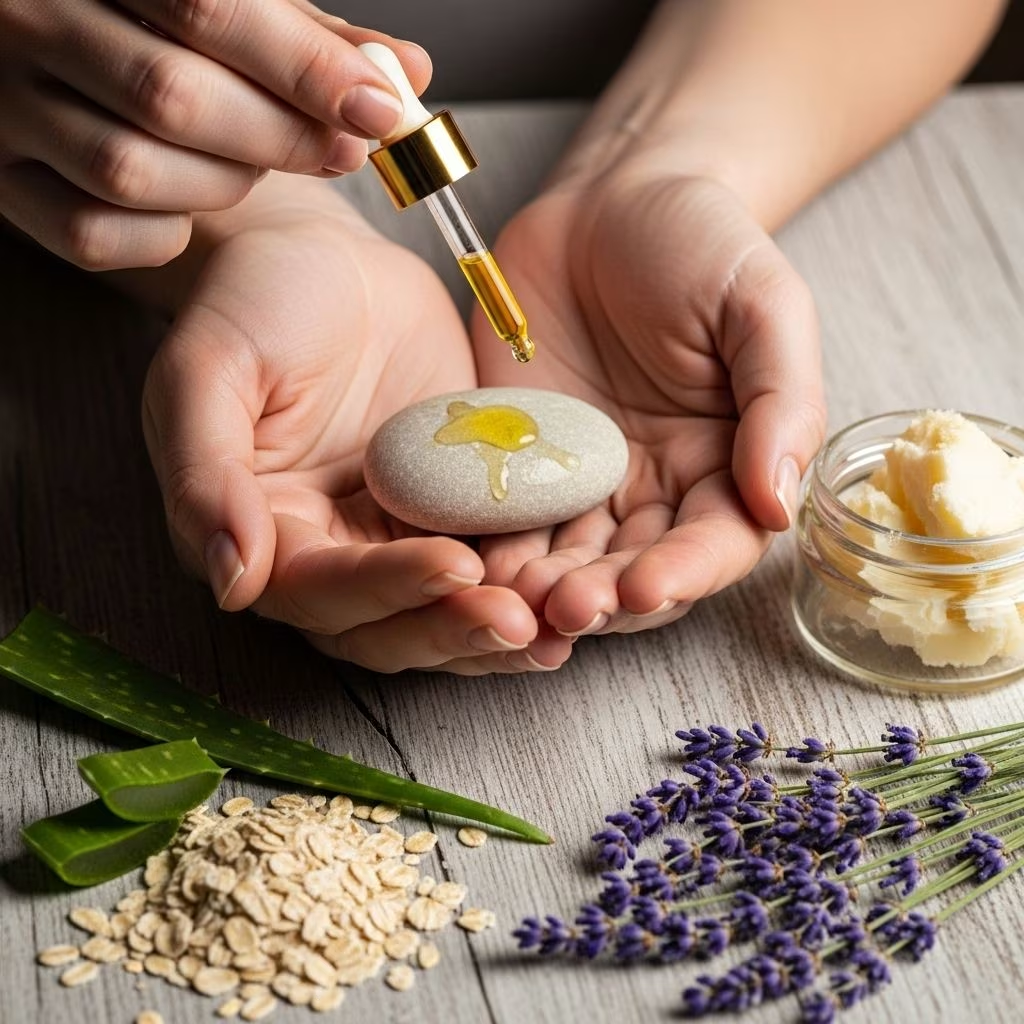
Dry, cracked hands are more than just a cosmetic concern—they can be painful, uncomfortable, and affect your daily activities. Whether caused by harsh weather conditions, frequent hand washing, exposure to chemicals, or underlying skin conditions, dry hands need proper care and nourishment to heal and regain their natural softness. The good news is that nature provides numerous effective remedies that can restore moisture, promote healing, and protect your hands without relying on synthetic chemicals or expensive treatments.
Understanding how to care for your hands naturally means embracing ingredients that work with your skin’s biology rather than against it. From kitchen staples to botanical extracts, natural remedies offer gentle yet powerful solutions that address the root causes of dryness while supporting your skin’s natural healing processes. This comprehensive guide explores the most effective natural treatments, preventive strategies, and daily care practices to keep your hands soft, smooth, and healthy throughout the year.
Understanding the Causes of Dry Hands
Before diving into remedies, it’s essential to understand what causes hands to become dry and cracked. The skin on your hands is particularly vulnerable because it has fewer oil glands compared to other parts of your body. This natural disadvantage makes hands more susceptible to moisture loss and environmental damage.
Weather conditions play a significant role in hand dryness. During winter months, cold air and low humidity levels strip moisture from the skin, while indoor heating further depletes the air of moisture. Conversely, excessive sun exposure during summer can also damage the skin barrier and lead to dryness.
Frequent hand washing and sanitizer use have become necessary practices, especially in healthcare settings and during illness prevention. However, repeated exposure to soap and alcohol-based sanitizers removes the skin’s natural protective oils, leaving hands vulnerable to dryness and cracking. Medical professionals, food service workers, and parents of young children often experience this issue more severely.
Chemical exposure from cleaning products, detergents, and harsh soaps can irritate and dry out hands. People who work with their hands regularly—such as hairstylists, mechanics, janitors, and dishwashers—face increased risk of chronic hand dryness due to constant contact with irritating substances.
Medical conditions including eczema, psoriasis, and diabetes can manifest as chronically dry hands. Thyroid disorders and certain nutritional deficiencies may also contribute to persistent skin dryness. If natural remedies don’t improve your condition or if you experience severe symptoms, consulting a healthcare provider is advisable.
Powerful Natural Oils for Hand Healing
Natural oils represent some of the most effective remedies for dry hands, offering deep moisturization and skin-repairing properties without synthetic additives.
Coconut Oil: The Ultimate Natural Moisturizer
Coconut oil stands out as one of nature’s most effective hand treatments. Its saturated fatty acids create a protective barrier on the skin while penetrating deeply to provide lasting hydration. The emollient properties of coconut oil fill spaces between skin cells, creating a smooth surface that feels soft to the touch.
What makes coconut oil particularly valuable is its antibacterial properties, which help prevent infections in cracked skin while reducing inflammation. This dual action makes it ideal for hands that are not only dry but also showing signs of irritation or minor wounds. Apply virgin coconut oil generously to clean hands before bedtime, massaging it thoroughly into the skin. For intensive treatment, wear cotton gloves overnight to allow maximum absorption. The oil is gentle enough for daily use on even the most sensitive skin, including areas around the nails and cuticles.
Olive Oil: Ancient Remedy for Modern Problems
Olive oil has been used for centuries as a skin treatment, and modern understanding confirms its effectiveness. Rich in antioxidants and possessing anti-inflammatory properties, olive oil helps soften and heal cracked hands. The vitamin E content supports skin repair, while the monounsaturated fatty acids provide deep moisturization.
To use olive oil effectively, massage a small amount into your hands several times throughout the day, paying special attention to particularly dry areas. For enhanced benefits, warm the oil slightly before application to improve absorption. While olive oil works wonderfully for most people, it’s worth noting that some individuals may experience skin barrier disruption, so conducting a patch test on a small area first is advisable.
Baby Oil and Nourishing Alternatives
Baby oil and other nourishing oils can work wonders on dry hands, particularly when applied after washing. These lightweight oils seal in moisture without feeling heavy or greasy, making them suitable for daytime use. They create a protective layer that prevents water loss while allowing the skin to breathe naturally.
Kitchen Cabinet Remedies That Actually Work
Your kitchen contains numerous ingredients that can transform dry, damaged hands into soft, supple skin. These accessible remedies prove that effective hand care doesn’t require expensive products or complicated preparations.
Honey: Nature’s Healing Balm
Honey deserves recognition as one of the most effective natural remedies for cracked hands. Its natural antibacterial and healing properties make it exceptional for treating damaged skin. Honey creates a protective barrier while actively promoting tissue repair and preventing infection in cracked areas.
For an effective honey treatment, apply a thin layer of raw, organic honey to clean hands, focusing on cracked or particularly dry areas. Cover with a bandage or cotton gloves and leave on for several hours or overnight. The prolonged contact allows honey’s healing compounds to penetrate deeply, accelerating the repair process. Regular application can visibly improve even severely damaged hands within days.
Milk: The Whey to Soft Hands
This surprisingly effective remedy harnesses the restorative power of whey proteins found in milk. These proteins are highly restorative and work to repair damaged skin tissue while providing essential moisture. The lactic acid in milk gently exfoliates dead skin cells, revealing softer skin underneath.
For an intensive overnight treatment, soak your hands in a bowl of milk—either cold or warm, depending on your preference—for five minutes before bed. The proteins absorb into the skin during this brief soak, initiating the repair process that continues throughout the night. Pat hands dry gently and apply a light moisturizer to seal in the benefits. This simple ritual, performed consistently, can dramatically improve hand texture and moisture levels.
Cucumber: Rapid Hydration Solution
Liquefied cucumber juice serves as the ultimate remedy for even the most chapped hands. Cucumber’s high water content allows it to replenish skin moisture very quickly, making hands appear soft and repaired rapidly while eliminating that uncomfortable dry feeling.
To prepare this remedy, blend fresh cucumber until liquefied, strain if desired, and soak your hands in the juice for 10-15 minutes. The cooling sensation provides immediate relief while the nutrients penetrate the skin. For convenience, you can also apply cucumber slices directly to particularly dry areas, securing them with a light wrap for 20 minutes. The visible improvement after just one treatment makes this remedy particularly satisfying.
Oatmeal: Gentle Exfoliation and Moisture
Ground oatmeal or oat flakes offer a gentle way to rejuvenate hands after washing. Oatmeal contains compounds called avenanthramides that have anti-inflammatory properties, making it particularly beneficial for irritated skin. The texture provides mild exfoliation, removing dead skin cells that prevent moisture absorption.
Keep a bowl of finely ground oats near your sink and use them after washing hands with soap and water. Rub the oats gently between your hands, allowing the natural oils to moisturize while the texture polishes away roughness. This simple addition to your hand-washing routine can prevent dryness before it becomes problematic.
Apple Cider Vinegar: pH Balance Restoration
If you’re using hand sanitizer frequently, apple cider vinegar can help restore your skin’s natural pH balance. Most hand sanitizer formulas contain alkaline substances that raise the pH above your skin’s natural level, leading to irritation and dryness. Apple cider vinegar’s acidity helps counteract this effect, bringing your skin back into balance.
Dilute apple cider vinegar with equal parts water and apply to hands using a cotton pad after sanitizer use. Allow it to absorb for a few minutes before applying moisturizer. This simple step can significantly reduce the drying effects of frequent sanitization.
Botanical Remedies for Hand Healing
Plants have provided healing solutions for millennia, and several botanical remedies prove especially effective for treating dry, damaged hands.
Aloe Vera: Soothing and Regenerative
Aloe vera is renowned for its soothing and healing properties, making it an excellent choice for reducing inflammation and promoting the healing of cracked hands. The gel contains polysaccharides that stimulate skin repair and growth, while its cooling effect provides immediate relief from discomfort.
For best results, use fresh aloe vera gel extracted directly from the plant or choose a store-bought product with a high concentration of aloe vera. Apply the gel generously to affected areas and allow it to absorb completely into the skin. Unlike heavier treatments, aloe vera absorbs quickly without leaving a greasy residue, making it suitable for daytime use. Regular application helps maintain skin elasticity and prevents future cracking.
Strategic Moisturizing Techniques
The effectiveness of any remedy depends significantly on how and when you apply it. Strategic moisturizing techniques can dramatically improve results.
The Overnight Treatment Method
One of the most effective strategies for healing dry hands involves intensive overnight treatment. This method allows maximum absorption time and prevents the product from being washed off or rubbed away through daily activities.
Before bed, slather your hands generously with a thick moisturizer, petroleum-based product like Vaseline, or any of the natural oils mentioned earlier. Immediately after application, cover your hands with a pair of soft cotton gloves or clean socks. This trapping technique helps the moisturizer absorb more fully into your skin, and you’ll wake up with noticeably softer hands. The overnight method works particularly well for severe dryness and can produce visible improvement after just one night.
Frequent Daytime Application
While overnight treatments provide intensive care, daytime moisturizing prevents dryness from developing. Apply moisturizing cream or lotion several times throughout the day. Keep a small tube of hand cream at your desk, in your car, by the kitchen sink, and in your bag to ensure you can moisturize whenever needed.
The key is applying moisturizer after every hand washing. This practice helps restore the natural moisture stripped away by soap and water. Even a quick application immediately after drying your hands can make a significant difference in maintaining skin health.
Protective Measures and Prevention
Preventing hand dryness proves easier than treating it once it develops. Implementing protective measures in your daily routine can keep your hands soft and healthy year-round.
Glove Protection Strategy
Wearing gloves provides a physical barrier between your hands and damaging environmental factors. If your hands are frequently immersed in water—such as when washing dishes—gloves help prevent the water from stripping your skin of its natural oils. Choose rubber or vinyl gloves with a cotton lining for comfort during household tasks.
During cold weather, wearing insulated gloves outdoors protects your hands from harsh winds and low temperatures that trigger dryness. Even a few minutes of exposure can damage sensitive skin, so make glove-wearing a consistent habit during winter months.
Mindful Hand Washing Practices
While hand hygiene remains essential, how you wash your hands affects their moisture levels. Choose mild, fragrance-free soaps that clean effectively without harsh detergents. Use warm rather than hot water, as excessive heat strips natural oils more aggressively. Pat your hands dry gently instead of rubbing vigorously, and apply moisturizer immediately while skin is still slightly damp to lock in moisture.
Environmental Adjustments
Using a humidifier in your home adds moisture to the air, particularly beneficial during winter when heating systems dry out indoor environments. Place humidifiers in rooms where you spend the most time, especially your bedroom. Maintaining indoor humidity levels between 30-50% helps prevent skin from drying out while you sleep.
When Natural Remedies Need Support
While natural remedies prove effective for most cases of dry hands, certain situations require additional intervention or professional guidance.
Recognizing Severe Dryness
If your hands show signs of dermatitis—including redness, inflammation, and persistent itching—you may need more than natural remedies. In these cases, a lotion containing hydrocortisone can help soothe irritated skin. For very dry and scaly skin, your doctor may recommend a prescription cream containing lactic acid or urea, which help remove dead skin layers and allow moisturizers to penetrate more effectively.
Stress Management for Skin Health
Interestingly, stress can worsen skin conditions like eczema. If you notice your hand dryness worsening during stressful periods, incorporating stress-reduction practices—such as meditation, exercise, or adequate sleep—may improve your symptoms alongside topical treatments.
Addressing Cracked Skin
When dryness progresses to cracking, skin requires special care before it can fully heal. Begin by sealing cracks with a liquid bandage to prevent infection and allow healing to commence. Your doctor may recommend wet dressings for severely cracked skin, which keep the area moist while protecting it from further damage.
Nutritional Support for Skin Health
External treatments work best when supported by proper nutrition. Your diet significantly impacts skin health, and certain nutrients prove particularly beneficial for maintaining moisture.
Omega-3 fatty acids found in fish, flaxseeds, and walnuts support skin barrier function and reduce inflammation. Including these foods regularly in your diet provides internal support for external skin health. Antioxidants from colorful fruits and vegetables protect skin cells from damage and support repair processes.
Adequate hydration remains fundamental. Drinking sufficient water throughout the day helps maintain skin moisture from the inside out. While topical treatments address surface issues, proper hydration ensures your body can maintain healthy skin tissue.
Creating Your Hand Care Routine
Successful hand care requires consistency rather than occasional intensive treatments. Developing a simple, sustainable routine ensures your hands receive regular attention.
Morning routine: Apply a light, fast-absorbing moisturizer after your shower when skin is still slightly damp. Keep hand cream accessible throughout the day and reapply after each hand washing.
Evening routine: Before bed, apply a heavier treatment—whether coconut oil, thick cream, or petroleum jelly—and wear cotton gloves overnight. This intensive treatment repairs damage that occurred during the day.
Weekly treatments: Once or twice weekly, use a gentle scrub to remove dead skin cells, followed by an intensive mask or soak using one of the kitchen remedies mentioned earlier. This deeper treatment addresses buildup and provides concentrated nourishment.
Frequently Asked Questions
Q: How long does it take for natural remedies to heal dry hands?
A: Most people notice improvement within 3-5 days of consistent treatment with natural remedies. However, severely cracked hands may require 1-2 weeks of daily intensive care before complete healing occurs. The key is consistency—applying remedies regularly produces better results than occasional intensive treatments.
Q: Can I use coconut oil if I have oily skin?
A: Yes, coconut oil works well even for those with oily facial skin because hands have fewer oil glands and different needs. The oil absorbs into hand skin without causing the same concerns as facial application. If you’re concerned, apply it at night with gloves rather than during the day.
Q: Are natural remedies safe during pregnancy?
A: Most natural remedies like coconut oil, aloe vera, honey, and oatmeal are safe during pregnancy. However, some essential oils should be avoided. Always consult your healthcare provider before starting any new treatment during pregnancy, even natural ones, to ensure safety for you and your baby.
Q: Why do my hands crack more in winter?
A: Winter air contains less moisture, and indoor heating further dries the environment. Cold temperatures cause blood vessels to constrict, reducing moisture delivery to skin. Additionally, temperature fluctuations between cold outdoor air and warm indoor heat stress the skin, making cracking more likely.
Q: Should I exfoliate dry, cracked hands?
A: Gentle exfoliation with oatmeal or a mild scrub helps remove dead skin that prevents moisturizer absorption. However, avoid aggressive scrubbing on actively cracked or bleeding skin. Wait until cracks heal, then use gentle exfoliation to maintain smoothness and improve treatment penetration.
Q: Can hand sanitizer use be balanced with natural hand care?
A: Yes, by following sanitizer use with apple cider vinegar to restore pH balance, then applying a moisturizer immediately afterward. Choose alcohol-free sanitizers when possible, or those containing moisturizing ingredients. Always have hand cream accessible wherever you keep hand sanitizer.
Q: What’s the difference between lotion and cream for hands?
A: Lotions contain more water and less oil, making them lighter and faster-absorbing but less intensive. Creams have higher oil content, providing deeper moisturization and longer-lasting protection. For severely dry hands, creams or oils work better, while lotions suffice for prevention and mild dryness.
Q: Are petroleum-based products natural enough to use?
A: While petroleum jelly isn’t plant-based, it’s a highly refined, purified product that effectively seals moisture in skin. Many people comfortable with natural remedies also use petroleum jelly for intensive overnight treatments. If you prefer completely plant-based options, thick shea butter or cocoa butter provide similar barrier protection.
References
- https://aylabeauty.com/blogs/article/natural-homemade-remedies-for-dry-hands-from-dr-pedro-catala
- https://www.healthline.com/health/dry-hands
- https://www.mamahealth.com/hand-eczema/healing
- https://www.medicalnewstoday.com/articles/321212
- https://skincancer-specialists.com/blog/how-to-treat-dry-and-cracked-hands/
- https://www.healthline.com/health/home-remedies-for-dry-skin
- https://www.medicinenet.com/what_is_a_natural_remedy_for_dry_hands/article.htm
- https://www.mayoclinic.org/diseases-conditions/dry-skin/expert-answers/cracked-thumb-tip/faq-20450998
- https://www.webmd.com/beauty/features/prevent-soothe-chapped-winter-hands?src=RSS_PUBLIC


