


Prickly heat rash, medically known as miliaria, is an uncomfortable skin condition that affects millions of people, particularly during hot and humid weather. This irritating condition occurs when sweat ducts become blocked, trapping perspiration beneath the skin and causing inflammation, redness, and those characteristic tiny bumps that give the rash its distinctive prickly sensation. While prickly heat is generally harmless and resolves on its own, the discomfort it causes can significantly impact daily life and activities.
The good news is that numerous effective home remedies can provide quick relief and accelerate healing without the need for medical intervention in most cases. These natural treatments work by cooling the skin, reducing inflammation, preventing infection, and allowing the blocked sweat ducts to clear naturally. Understanding how to properly treat prickly heat at home empowers you to take control of your comfort and recover more quickly from this common summer affliction.
Understanding Prickly Heat Rash
Before diving into remedies, it’s crucial to understand what causes prickly heat and why it develops. Prickly heat occurs when the ducts from sweat glands become obstructed, preventing sweat from reaching the skin’s surface. This trapped sweat leaks into the surrounding tissue, causing inflammation and the characteristic symptoms of heat rash. The condition typically develops in areas where clothing causes friction, in skin folds, or anywhere excessive sweating occurs.
Several factors increase your susceptibility to prickly heat, including hot and humid climates, intense physical activity, wearing tight or non-breathable clothing, being overweight, and having an immature sweat duct system (common in infants). Certain medications that increase sweating can also contribute to the development of heat rash. Recognizing these risk factors helps in both treatment and prevention strategies.
The rash appears as small red bumps or blisters and may be accompanied by an intense prickling or stinging sensation, hence its common name. While uncomfortable, prickly heat is not dangerous and responds well to home treatment. However, understanding when to seek medical attention is equally important, particularly if the rash becomes infected or doesn’t improve with home care.
Cooling and Soothing Remedies
Cool Water Therapy: One of the most immediate and effective treatments for prickly heat involves cooling the affected skin. Taking cool baths or showers helps lower skin temperature and provides instant relief from the burning, prickly sensation. The cool water not only soothes irritated skin but also helps unclog blocked sweat ducts by gently washing away dead skin cells and debris that may be contributing to the obstruction. When bathing, use gentle, unscented soap to avoid further irritation, and ensure you pat the skin completely dry afterward, as moisture left on the skin can exacerbate the condition.
Cold Compress Application: For targeted relief, cold compresses offer concentrated cooling to particularly irritated areas. Soak a clean cloth in cold water, wring it out, and apply it directly to the affected skin for 10 to 15 minutes. You can also wrap ice in a thin towel and use it as a cold pack, but never apply ice directly to skin as this can cause additional irritation or damage. This method is especially useful for treating heat rash on the face, neck, or other sensitive areas where immersion bathing isn’t practical. The cold temperature constricts blood vessels, reducing inflammation and providing numbing relief from discomfort.
Environmental Temperature Control: While your skin heals, maintaining a cool environment is essential. Air conditioning and fans play a crucial role in preventing excessive sweating and allowing the rash to dry out properly. When possible, stay in air-conditioned spaces during the hottest parts of the day. If air conditioning isn’t available, use fans to promote air circulation around your body. This ventilation prevents the humid conditions that trapped the sweat in the first place and gives your skin the opportunity to breathe and recover naturally.
Natural Healing Ingredients
Oatmeal Treatments: Colloidal oatmeal has been used for centuries to treat various skin conditions, and it’s particularly effective for prickly heat. The anti-inflammatory compounds in oatmeal, including avenanthramides, help reduce itching and soothe irritated skin. To prepare an oatmeal bath, add one to two cups of finely ground oatmeal to lukewarm bathwater and soak for 20 minutes. The water should be lukewarm rather than hot to avoid further irritating your skin. Alternatively, you can create a paste by mixing equal parts oatmeal and water, then applying it directly to the rash for targeted treatment. This paste forms a protective barrier that moisturizes while allowing the skin to breathe.
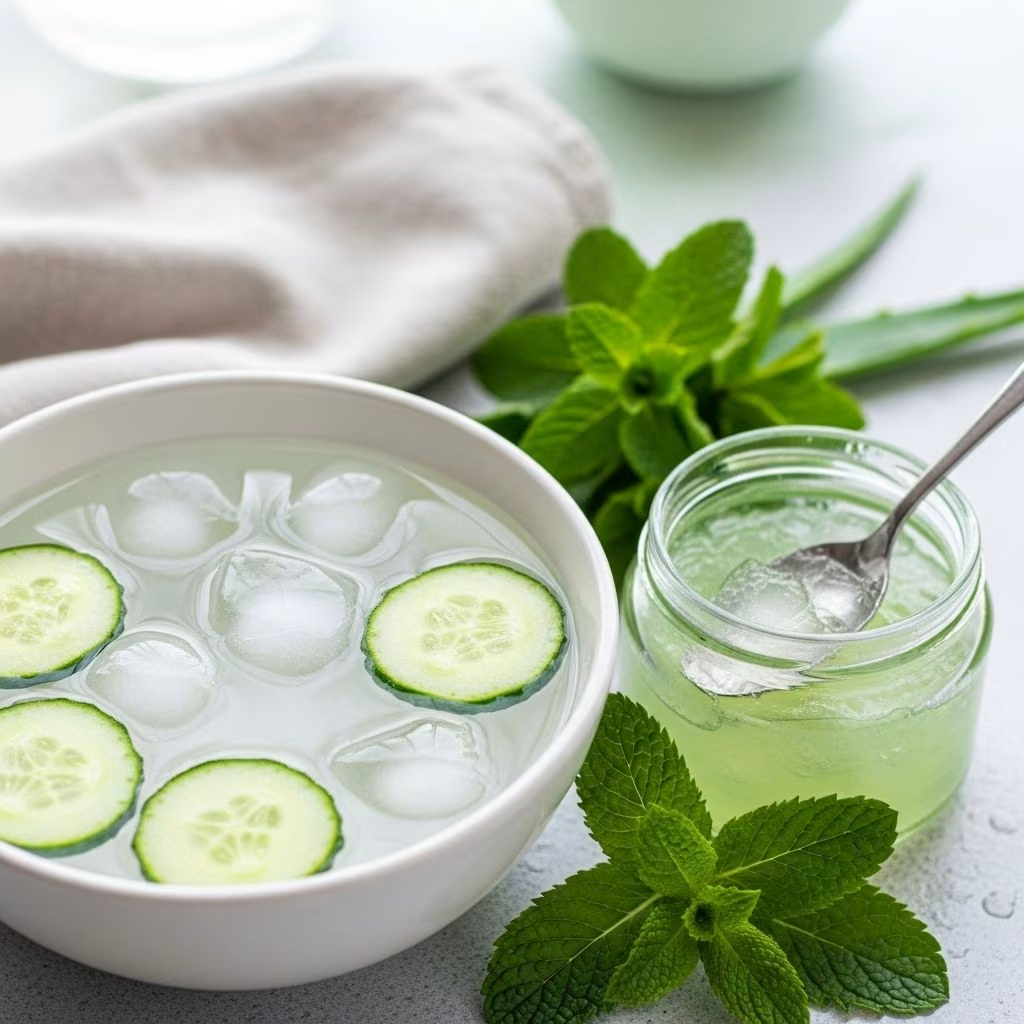
Aloe Vera Gel: Known as nature’s cooling agent, aloe vera offers multiple benefits for treating prickly heat. This remarkable plant contains anti-inflammatory compounds that reduce swelling and redness, while its antiseptic properties help prevent secondary infections that can develop if the rash is scratched. The gel also provides an immediate cooling sensation that soothes the prickly, burning feeling associated with heat rash. For best results, use fresh aloe vera gel directly from the plant, or choose a high-quality commercial gel with minimal additives. Apply the gel generously to affected areas and allow it to absorb completely. The protective layer it forms helps retain skin moisture while promoting faster healing.
Baking Soda Solutions: Sodium bicarbonate, commonly known as baking soda, is a pantry staple that works wonders for itchy skin conditions. Its anti-inflammatory properties help reduce the irritation and discomfort of prickly heat, while its mild exfoliating action can help clear blocked pores. Add three to five tablespoons of baking soda to a lukewarm bath and soak for approximately 20 minutes. The alkaline nature of baking soda helps balance skin pH and provides relief from itching. After bathing, pat your skin dry gently and avoid rubbing, which could further irritate the rash.
Traditional Remedies with Modern Validation
Sandalwood Paste: Sandalwood has been valued in traditional medicine for its therapeutic properties, and research now confirms its effectiveness as an anti-inflammatory and analgesic agent. To create a sandalwood treatment for prickly heat, mix two parts sandalwood powder with one part water to form a smooth paste. Before applying to the rash, test the mixture on a small patch of unbroken skin and wait an hour to ensure you don’t have an adverse reaction. If no irritation occurs, apply the paste to the affected areas and leave it on for 15 to 20 minutes before rinsing with cool water. The sandalwood helps reduce the burning sensation and promotes healing through its cooling and anti-inflammatory effects.
Neem Applications: Neem, also known as margosa, has been used for centuries in Ayurvedic medicine to treat various skin conditions. Modern research supports its antimicrobial and anti-inflammatory properties, making it valuable for preventing infection in heat rash while reducing inflammation. You can create a neem paste by mixing neem powder with water, similar to the sandalwood preparation. Apply this paste to the rash, leave it for several minutes, then rinse thoroughly with cool water. Alternatively, add neem powder to a lukewarm bath for whole-body treatment. The antimicrobial properties are particularly beneficial if you’ve scratched the rash and created small breaks in the skin.
Coconut Oil Therapy: Virgin coconut oil serves as both a moisturizer and a healing agent for prickly heat. Its natural antibacterial properties help prevent infection while its moisturizing effects soothe dry, irritated skin. Unlike heavy creams that might block pores further, coconut oil is light enough to allow skin to breathe while providing hydration. Apply a thin layer of virgin coconut oil to clean, dry skin several times daily. The oil absorbs quickly and forms a protective barrier without the greasy residue of petroleum-based products. Its natural composition makes it safe for use on all skin types, including sensitive skin and in areas prone to moisture buildup.
Moisture-Absorbing Solutions
Talcum Powder Benefits: Unscented talcum powder effectively reduces sweat by absorbing excess moisture before it can clog pores. This preventive approach helps existing rash heal while reducing the risk of developing new irritation. Apply a light dusting of unscented powder to sweat-prone areas such as underarms, the backs of knees, inner thighs, and beneath breasts. It’s crucial to use unscented varieties, as fragrances can irritate already sensitive skin. The powder works similarly to antiperspirant but without the chemicals that might further aggravate the condition. Reapply as needed throughout the day, especially after bathing or if you’ve been sweating.
Cornstarch Application: Similar to talcum powder but completely natural, cornstarch helps keep skin dry by absorbing moisture. This prevents sweat ducts from becoming further blocked and allows existing blockages to clear. Apply cornstarch in a thin, even layer to affected areas, being careful not to use so much that it clogs pores itself. The powder should be barely visible on the skin. Cornstarch is particularly useful for treating heat rash in infants and young children, as it’s completely non-toxic if accidentally ingested. Apply after bathing and whenever the skin becomes moist from sweating.
Specialized Natural Treatments
Tea Tree Oil Remedy: Tea tree oil possesses powerful antimicrobial properties that make it valuable for preventing infection in heat rash, especially if you’ve scratched the affected area. However, tea tree oil is quite potent and must never be applied directly to skin in its concentrated form. Always dilute tea tree oil with a carrier oil such as coconut, almond, or olive oil before application. Mix three to five drops of tea tree oil with one tablespoon of carrier oil, then apply this mixture to the rash using a clean cotton ball. The antimicrobial action helps prevent bacterial growth while the anti-inflammatory properties reduce swelling and redness.
Chamomile Compress: Chamomile tea isn’t just for drinking—it makes an excellent topical treatment for inflamed skin. The compounds bisabolol and chamazulene found in chamomile possess anti-inflammatory and skin-soothing properties that provide relief from prickly heat symptoms. Brew a strong cup of chamomile tea and allow it to cool completely. Soak a clean cloth in the cooled tea, wring out excess liquid, and apply the compress to affected areas for 10 to 15 minutes. The gentle, natural compounds in chamomile reduce inflammation without the risk of adverse reactions associated with synthetic treatments.
Epsom Salt Baths: Magnesium sulfate, commonly known as Epsom salt, has long been valued for its therapeutic properties. While scientific evidence for some claims remains limited, anecdotal reports consistently suggest that Epsom salt baths can relieve itching associated with various skin conditions, including prickly heat. Add one to two cups of Epsom salt to a lukewarm bath and soak for 15 to 20 minutes. The magnesium in Epsom salt may help reduce inflammation and promote healing. If bathing a child, ensure they don’t swallow the bathwater, as Epsom salt acts as a laxative when consumed orally.
Clothing and Fabric Considerations
What you wear significantly impacts how quickly prickly heat heals. Tight, synthetic fabrics that don’t breathe trap heat and moisture against your skin, creating the perfect environment for heat rash to persist or worsen. During healing, choose loose-fitting clothing made from breathable materials. Moisture-wicking fabrics designed for athletic wear are particularly beneficial as they pull sweat away from your skin, preventing the accumulation of moisture that blocks sweat ducts.
Natural cotton is another excellent choice due to its breathability, though it doesn’t wick moisture as effectively as specialized synthetic fabrics. The key is ensuring whatever you wear allows air circulation around your skin and doesn’t cause friction that could further irritate the rash. Avoid wool and other heavy fabrics until the rash completely clears. For sleeping, choose lightweight cotton sheets and keep your bedroom cool to prevent nighttime sweating that could slow healing.
Prevention Strategies
While treating existing prickly heat is important, preventing future occurrences is equally valuable. Stay in cool, air-conditioned environments during hot weather whenever possible. When you must be outdoors in heat, take frequent breaks in shaded or cool areas. Avoid strenuous exercise during the hottest parts of the day, scheduling physical activities for early morning or evening instead.
Keep your skin clean and dry, bathing daily with mild soap and ensuring you dry thoroughly, paying special attention to skin folds. Choose appropriate clothing for the weather and activities, prioritizing breathable fabrics over fashion. Stay hydrated by drinking plenty of water, which helps regulate body temperature and reduces excessive sweating. For infants and young children, avoid overdressing them and ensure their sleeping environment remains comfortably cool.
Important Precautions
While home remedies effectively treat most cases of prickly heat, certain situations require medical attention. Avoid scratching the rash despite the intense itching, as this can introduce bacteria and lead to infection. If you notice signs of infection—such as increasing pain, swelling, warmth, pus, or red streaks extending from the rash—seek medical care promptly. Similarly, if the rash doesn’t improve after three to four days of home treatment, or if you develop fever or chills, consult a healthcare provider.
When applying any new treatment to your skin, perform a patch test first by applying a small amount to unaffected skin and waiting to see if irritation develops. This is particularly important for essential oils and plant-based remedies that some individuals may be sensitive to. Always ensure any products you use are appropriate for your age and skin type, and read all labels carefully for potential allergens.
Frequently Asked Questions
Q: How long does prickly heat typically last?
A: With proper treatment and care, most cases of prickly heat resolve within a few days to a week. The rash typically begins improving within 24 to 48 hours once you cool the skin and prevent further sweating in the affected area.
Q: Can I use multiple remedies together?
A: Yes, many remedies complement each other well. For example, you might take a cool oatmeal bath in the morning, apply aloe vera gel during the day, and use talcum powder to keep skin dry. However, avoid applying too many products simultaneously, which could irritate sensitive skin further.
Q: Is prickly heat contagious?
A: No, prickly heat is not contagious. It results from blocked sweat ducts and cannot be transmitted from person to person through contact. You can safely interact with others while experiencing heat rash.
Q: Can babies get prickly heat?
A: Yes, infants are particularly susceptible to prickly heat because their sweat ducts are not fully developed. Treat infant heat rash with gentle remedies like cool baths, light cotton clothing, and keeping the environment cool. Consult a pediatrician before applying any products to an infant’s skin.
Q: Should I avoid exercise completely when I have prickly heat?
A: It’s best to avoid intense physical activity that causes sweating until the rash heals. If you must exercise, choose air-conditioned environments, wear moisture-wicking clothing, and shower immediately afterward to remove sweat and prevent further irritation.
Q: Are there any remedies I should avoid?
A: Avoid using heavy creams, petroleum-based products, or oil-based lotions that can further block pores. Don’t apply hot water or heat to the affected area. Avoid products with fragrances, dyes, or other potential irritants that could worsen the condition.
Q: Can diet affect prickly heat?
A: While diet doesn’t directly cause prickly heat, staying well-hydrated helps regulate body temperature and may reduce excessive sweating. Avoiding spicy foods and hot beverages during active outbreaks can also help minimize sweating that might aggravate the condition.
Q: When should I see a doctor about heat rash?
A: Seek medical attention if the rash doesn’t improve after several days of home treatment, if you notice signs of infection (pus, increasing pain, fever), if the rash is extremely painful, or if it’s affecting large areas of your body. Also consult a doctor if you develop heat rash frequently despite preventive measures.
References
- https://www.healthline.com/health/heat-rash-home-remedies
- https://www.nhs.uk/conditions/heat-rash-prickly-heat/
- https://my.clevelandclinic.org/health/diseases/22440-heat-rashprickly-heat
- https://www.stlouischildrens.org/health-resources/pulse/healing-heat-rash
- https://docsmedicalgroup.com/docsurgentcare/10-effective-home-remedies-for-heat-rashes-when-to-seek-help-from-urgent-care-in-southington-ct/
- https://www.mayoclinic.org/diseases-conditions/heat-rash/diagnosis-treatment/drc-20373282
- https://www.healthdirect.gov.au/heat-rash
- https://www.health.harvard.edu/blog/heat-rash-how-to-spot-it-and-what-to-do-202308182968


