


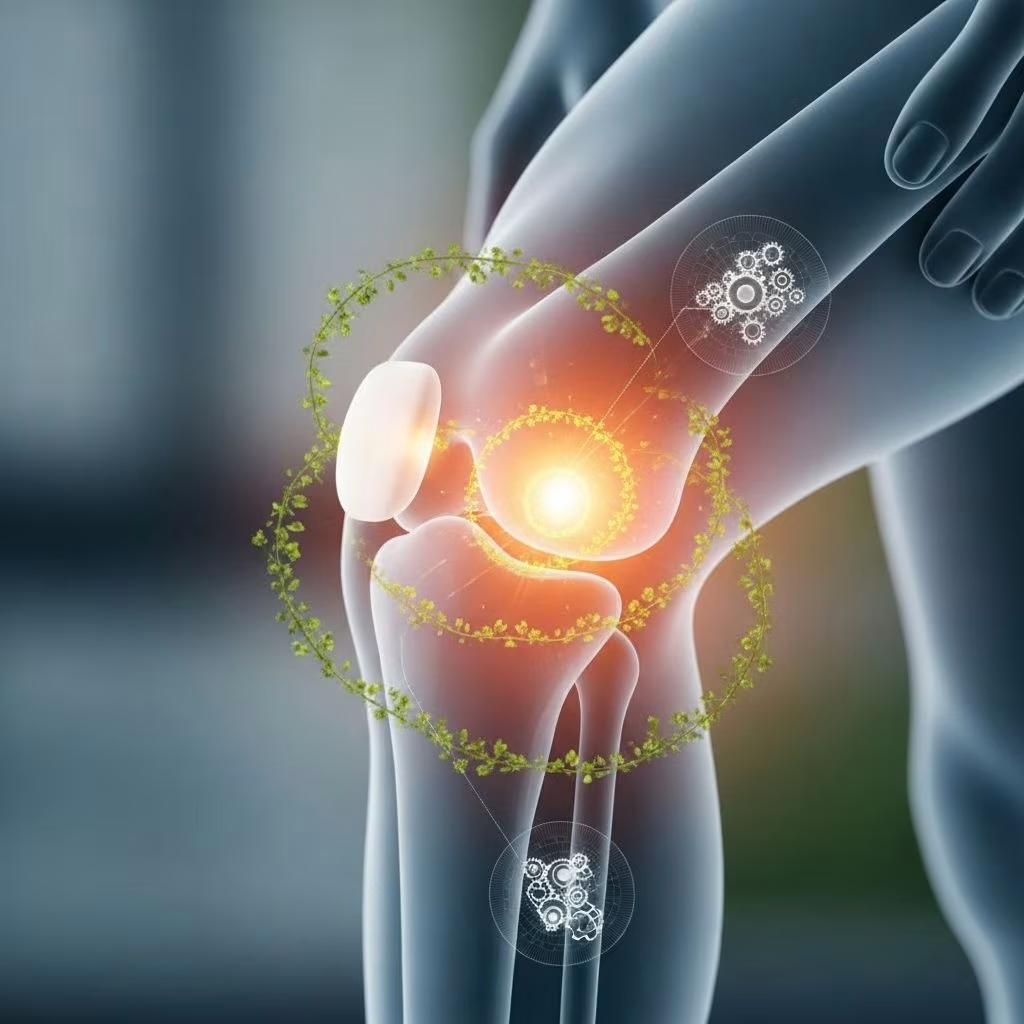
6 Little-Known Remedies for Knee Arthritis Pain
Knee osteoarthritis is a common and often debilitating condition, but beyond the standard treatments—such as physical therapy, NSAIDs, and periodic rest—there are several lesser-known, non-surgical strategies that may help reduce pain and slow progression. This article explores six evidence-backed approaches that aren’t always discussed in routine care.
1. Switch from the Sidewalk to the Treadmill
Walking is a recommended activity for people with knee arthritis, but not all surfaces are created equal. Hard surfaces like concrete sidewalks can increase the compressive load on your knees, potentially worsening pain. In contrast, treadmills—especially those with cushioned belts—offer more shock absorption, which can reduce overall knee strain.
- Why it helps: Cushioned treadmills or earthen trails (such as packed dirt) absorb more impact than concrete, reducing stress on knee joints.
- What to avoid: Resist walking at an incline on the treadmill, as this can increase pressure on the knees.
- Practical tip: If you don’t have access to a treadmill, seek out groomed dirt trails for your walks.
2. Get Shoe Inserts
Proper foot alignment is crucial for knee health. Over- or under-pronation (when the foot rolls inward or outward excessively) can lead to knee misalignment, increasing friction and strain on soft tissues around the knee joint. Shoe inserts, also known as orthotics, can correct these alignment issues, helping to distribute weight more evenly and reduce knee pain.
- Custom vs. over-the-counter: While over-the-counter inserts may help, a physician or podiatrist can recommend or prescribe custom orthotics tailored to your specific biomechanics for optimal results.
- Evidence: Research suggests that orthotics can be particularly helpful if you have a history of foot problems or noticeable gait abnormalities.
3. Try Gait Retraining
Your walking pattern—your gait—plays a significant role in knee joint health. Some people unknowingly walk in ways that increase knee strain, accelerating joint degeneration. Gait retraining, under the guidance of a physical therapist, can improve knee alignment, reduce pain, and possibly slow arthritis progression.
- Professional assessment: A physical therapist can analyze your gait and suggest specific modifications.
- Stair climbing: Adjusting how you climb stairs (such as leading with your stronger leg) can also reduce knee pain.
- Challenge: Changing your gait requires mindfulness and practice, but the long-term benefits for joint health can be substantial.
4. Take Vitamin D
Vitamin D deficiency has been linked to worse outcomes in osteoarthritis, including increased pain and faster cartilage loss. While research results are mixed, some studies suggest that correcting a vitamin D deficiency might help reduce knee arthritis symptoms.
- Who should consider it: If you have both knee osteoarthritis and low vitamin D levels, supplementation (under medical supervision) may be beneficial.
- Evidence: Not all studies show a clear benefit, so more research is needed. However, maintaining adequate vitamin D levels supports overall bone and joint health.
5. Start a Food Journal
Inflammation is a key driver of arthritis pain, and certain foods can exacerbate it. Food sensitivities vary from person to person, and symptoms may not appear immediately after eating. Keeping a food journal can help you identify which foods might trigger or worsen your knee pain.
- How to do it: Record everything you eat and note any changes in knee pain over the following days.
- Common culprits: Dairy, gluten, and processed foods are frequent triggers, but individual responses vary.
- Dietary adjustments: Once problematic foods are identified, eliminating or reducing them may lead to noticeable pain relief.
6. Adopt an Anti-inflammatory Diet
Beyond identifying trigger foods, adopting a whole-foods, plant-based, anti-inflammatory diet can reduce systemic inflammation and joint pain. Such diets emphasize fruits, vegetables, whole grains, and healthy fats while minimizing processed foods and added sugars.
- Key components: Focus on fiber-rich foods, omega-3 fatty acids (found in fish and flaxseeds), and antioxidants.
- Weight loss: Even modest weight loss can reduce knee pain and slow arthritis progression, as excess weight increases joint loading and inflammation.
- Supplements: Curcumin (from turmeric), fish oil, and SAM-e have shown promise in reducing joint pain and inflammation in some studies, though evidence varies.
Comparative Overview of Remedies
| Remedy | Mechanism | Evidence Level | Notes |
|---|---|---|---|
| Surface Choice | Reduces impact on knees | Moderate | Treadmill or dirt trails preferred |
| Shoe Inserts | Improves alignment, reduces strain | Moderate (custom > OTC) | Consult a specialist |
| Gait Retraining | Optimizes joint loading | Emerging | Requires professional guidance |
| Vitamin D | Supports bone/joint health | Mixed | Benefit if deficient |
| Food Journal | Identifies inflammatory triggers | Anecdotal/Individual | Highly personalized |
| Anti-inflammatory Diet | Reduces systemic inflammation | Strong (for weight loss) | Supplements may help |
Integrating Remedies into Daily Life
Combining these lesser-known strategies with established treatments—such as regular exercise, physical therapy, and medications—offers the best chance for lasting relief from knee arthritis pain. Remember, what works for one person may not work for another, so a personalized approach is essential.
Exercise: Low-impact activities like swimming, cycling, and yoga are excellent for maintaining joint mobility and muscle strength without exacerbating pain.
Weight management: Even a small amount of weight loss can significantly reduce knee pressure and pain, with each pound lost relieving about four pounds of pressure from the knees.
Footwear: Choose shoes with low heels and good arch support to minimize knee strain.
Supplements and topical treatments: Some people find relief with over-the-counter topical NSAIDs, capsaicin creams, or supplements like glucosamine, though evidence for supplements is mixed.
Alternative therapies: Acupuncture and transcutaneous electrical nerve stimulation (TENS) may provide additional pain relief for some individuals.
Frequently Asked Questions (FAQs)
Q: Can changing my walking surface really make a difference for knee arthritis?
A: Yes, walking on softer, more cushioned surfaces like treadmills or packed dirt trails can reduce the impact on your knees and help minimize pain compared to hard surfaces like concrete.
Q: How do I know if I need shoe inserts for knee pain?
A: If you have flat feet, high arches, or notice that your shoes wear unevenly, you might benefit from inserts. A podiatrist or physical therapist can assess your gait and recommend the best type.
Q: Is vitamin D supplementation effective for everyone with knee arthritis?
A: Vitamin D supplementation is most likely to help if you have a documented deficiency. The evidence for general supplementation in all knee arthritis patients is mixed, so discuss with your healthcare provider.
Q: How long should I keep a food journal to identify trigger foods?
A: Aim for at least two to four weeks, recording everything you eat and any changes in knee pain. This timeframe helps account for delayed inflammatory responses.
Q: Are there any foods I should definitely avoid if I have knee arthritis?
A: There’s no one-size-fits-all answer, but processed foods, sugary snacks, and foods high in saturated fats are common culprits. Use a food journal to identify your personal triggers.
Q: Will these remedies replace my current medications or physical therapy?
A: These strategies are best used as complementary approaches alongside conventional treatments like physical therapy and medications, not as replacements. Always consult your healthcare provider before making significant changes to your treatment plan.
Conclusion
Knee arthritis pain can be stubborn, but a combination of evidence-based lifestyle changes—such as choosing the right walking surface, using shoe inserts, retraining your gait, optimizing vitamin D, keeping a food journal, and adopting an anti-inflammatory diet—can offer meaningful relief. These lesser-known remedies, used alongside standard medical care, empower you to take an active role in managing your joint health and improving your quality of life.
References
- https://www.arthritis-health.com/types/osteoarthritis/home-habits-help-prevent-knee-osteoarthritis-getting-worse
- https://www.aafp.org/pubs/afp/issues/2011/0601/p1287.html
- https://www.arthritis.org/health-wellness/healthy-living/managing-pain/pain-relief-solutions/finding-the-best-joint-pain-relief
- https://www.arthritis-health.com/types/general/6-little-known-remedies-knee-arthritis-pain
- https://pmc.ncbi.nlm.nih.gov/articles/PMC11790583/
- https://my.clevelandclinic.org/health/diseases/21978-arthritis-of-the-knee
- https://pmc.ncbi.nlm.nih.gov/articles/PMC2810544/
- https://www.massgeneralbrigham.org/en/about/newsroom/articles/ways-to-find-relief-from-knee-arthritis
- https://www.mayoclinic.org/diseases-conditions/arthritis/in-depth/arthritis/art-20046440


