


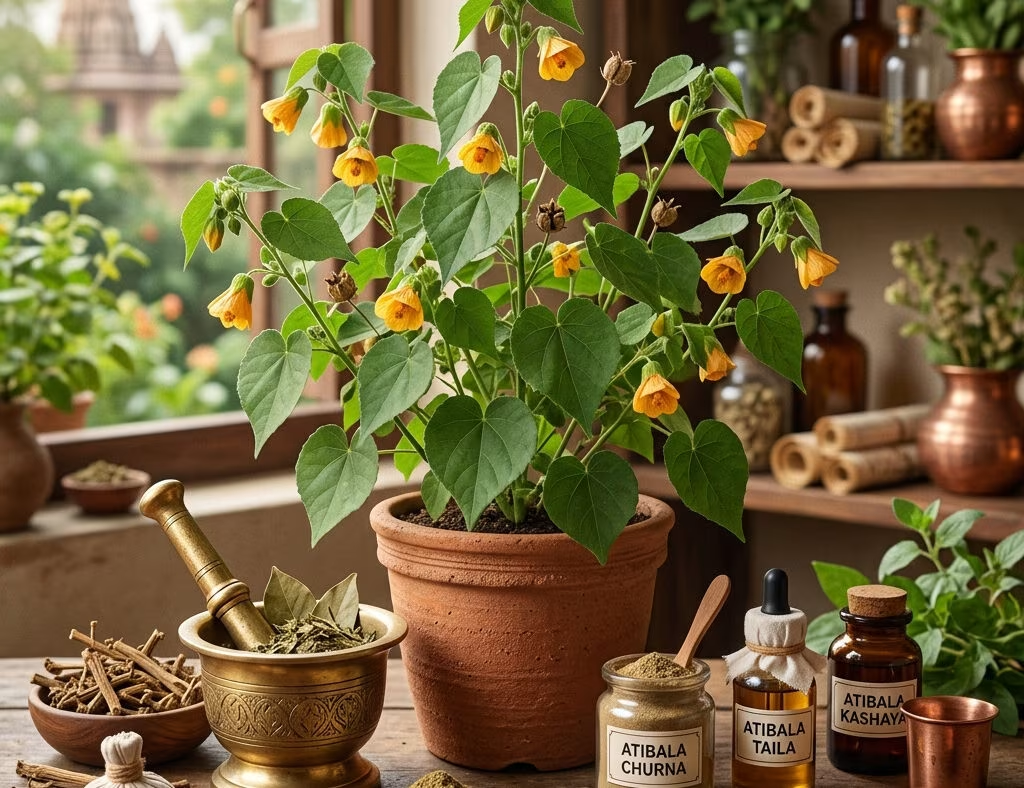
Atibala (Abutilon Indicum): An Ayurvedic Powerhouse
Atibala, known scientifically as Abutilon indicum and commonly referred to as Country Mallow, is a revered herb in Ayurvedic medicine. Recognized for its potent therapeutic properties, Atibala is commonly found in tropical regions across India and Sri Lanka. Its name, which means “very powerful” in Sanskrit, alludes to its traditional reputation for bestowing health, vitality, and resilience.
Botanical Profile and Significance
- Scientific Name: Abutilon indicum
- Family: Malvaceae
- Common Names:
- English: Country Mallow
- Hindi: Jangli Mallow, Kanghi, Jampi
- Sanskrit: Atibala
- Plant Type: Sub-woody shrub, soft-pubescent, widely spread in warm, tropical zones
In Ayurveda, every part of the Atibala plant—including its roots, leaves, seeds, and flowers—serves a medicinal purpose, reflecting its holistic application in traditional healing systems.
Traditional Uses and Historical Relevance
Historical Ayurvedic texts reference Atibala as a Rasayana (rejuvenative), suggesting its use for enhancing longevity and restoring vitality. It is prescribed in various classical formulations to address chronic ailments, encourage tissue regeneration, and promote overall resilience.
- Vitality Enhancer: Used for strengthening the body and mind.
- Rejuvenation: Incorporated in Rasayana blends for youthfulness and long life.
- Multi-purpose Remedy: Its broad spectrum of actions makes it an essential home remedy in India for both acute and chronic conditions.
Medicinal Properties of Atibala
| Part Used | Medicinal Action |
|---|---|
| Roots | Aphrodisiac, demulcent (soothes mucous membranes), anti-inflammatory, strengthening |
| Leaves | Anti-inflammatory, antiseptic, wound healing |
| Seeds | Energizing, promotes sexual health, aids in tissue regeneration |
| Flowers | Cooling, astringent, helps in fevers and skin disorders |
Key Attributes (As Described in Ayurveda)
- Taste (Rasa): Sweet (Madhura)
- Potency (Virya): Cooling (Sheeta)
- Post-Digestive Effect (Vipaka): Sweet (Madhura)
Atibala pacifies Vata and Pitta doshas, making it especially useful in conditions arising from imbalances in these energies.
Health Benefits of Atibala
Modern research and traditional usage have highlighted a broad range of benefits associated with Atibala, making it a holistic healing option.
- Relief from Pain & Inflammation
- Reduces joint pain, swelling, and symptoms of arthritis due to strong anti-inflammatory and analgesic properties.
- Calms muscle spasms and helps manage chronic pain conditions.
- Supports Respiratory Health
- Acts as an expectorant, helpful for coughs, bronchitis, and clearing respiratory congestion.
- Facilitates easier breathing by removing excess mucus from the airways.
- Enhances Immunity
- Boosts antibody production and neutralizes harmful pathogens, helping defend against common infections.
- Contains antioxidants that protect body cells from oxidative stress and harm.
- Promotes Digestive Wellness
- Managing diarrhea and calming inflamed intestines by soothing the digestive tract and regulating motility.
- Healing stomach ulcers by lowering gastric acid levels.
- Diabetes Management
- Antioxidants help protect pancreatic cells and enhance insulin secretion, supporting healthy blood sugar control.
- Offers a natural aid for those at risk of or suffering from type 2 diabetes.
- Kidney Health & Detoxification
- Exhibits diuretic and anti-urolithiatic action, preventing kidney stone formation and urinary tract infections.
- Promotes natural detoxification by helping expel bodily waste.
- Liver Support
- Stimulates healthy bile secretion in the liver, which aids in treating jaundice and other liver anomalies.
- Helps maintain enzyme balance for optimal liver function.
- Gout and Arthritic Conditions
- Reduces symptoms of gout by stabilizing red blood cells and curbing inflammation.
- Alleviates pain in chronic arthritic and rheumatic sufferers.
- Skin Care Benefits
- Rich in vitamin C and antioxidants, Atibala fights signs of aging and enhances skin texture.
- Natural antibacterial action helps treat acne, eczema, and keeps skin healthy.
- Sexual Health & Reproductive Wellness
- Atibala seeds in traditional remedies help enhance male reproductive health, sperm count, and testosterone.
- Used to address erectile dysfunction, premature ejaculation, and to increase overall libido.
- Combats Malnutrition
- Promotes healthy growth and recovery, preventing nutritional deficiencies in convalescent and malnourished persons.
Applications of Atibala in Home Medicine
Atibala’s holistic healing qualities make it a popular choice for a range of home remedies. The leaves, seeds, and roots are incorporated into decoctions, pastes, powders, and oils—each tailored for specific conditions.
Common Preparations and Recipes
- Atibala Decoction
Decoction prepared from roots or leaves, consumed for joint pain, inflammation, and digestive wellness.
- Leaf Paste
Leaves ground into a paste can be applied externally for treating wounds, boils, or inflammatory swellings.
- Seed Oil
Atibala seed oil is massages to aid male reproductive health and muscular fatigue.
- Infusions and Teas
Infusions from the dried roots or leaves can be consumed to alleviate cough, bronchitis, and urinary issues.
In folk medicine, Atibala root is sometimes chewed or decocted in milk to support general weakness and tissue regeneration.
Safety, Dosage & Precautions
- Dosage: Generally, 3–6 grams of leaf or root powder daily (divided doses) is advised for adults. Decoctions are typically consumed in volumes of 30–50 ml per day, depending on the indication and method of preparation.
- Precautions:
- Consult a qualified Ayurvedic practitioner if you are pregnant, breastfeeding, have chronic illnesses, or take prescription medication.
- Not recommended for children without professional supervision.
- Long-term excessive use may affect electrolyte balance due to its mild diuretic effect.
- Possible Side Effects: Rare, but high doses could lead to digestive discomfort or mild allergic reactions in sensitive individuals.
Scientific Research and Modern Validation
Modern pharmacological research has begun to validate many of Atibala’s traditional claims. Studies confirm its antioxidant, anti-inflammatory, and immunomodulatory properties, alongside its use as a supportive remedy in diabetes, arthritis, and skin conditions.
| Traditional Claim | Modern Validation |
|---|---|
| Anti-inflammatory | Reduced markers of inflammation in animal and cellular studies |
| Antioxidant | Neutralization of free radicals |
| Anti-diabetic | Supports glucose metabolism and insulin secretion |
| Antibacterial | Activity against common skin and respiratory pathogens |
| Liver Protection | Hepatoprotective action in laboratory models |
Frequently Asked Questions (FAQs)
Q: What is Atibala primarily used for in Ayurveda?
A: Atibala is traditionally used as a rejuvenative herb to strengthen the body, relieve pain and inflammation, promote digestive and urinary health, and support respiratory, immune, and reproductive functions.
Q: Which parts of the Atibala plant are medicinally valuable?
A: The roots, leaves, seeds, and flowers of Atibala are all used in home medicine, each possessing unique therapeutic applications.
Q: Is Atibala safe for long-term use?
A: When consumed in traditional doses under medical supervision, Atibala is generally considered safe. Prolonged, unsupervised intake should be avoided, especially in children or pregnant women.
Q: Can Atibala help with diabetes?
A: Research supports Atibala’s use in managing blood sugar, as it helps protect pancreatic cells and supports insulin regulation.
Q: How should Atibala be taken for best results?
A: Atibala can be taken as a powder, decoction, or incorporated into Ayurvedic formulations as per the advice of a trained practitioner for your specific health need.
Conclusion
Atibala (Abutilon indicum) is a profound herbal medicine steeped in centuries of therapeutic tradition. Whether used for strengthening immunity, alleviating pain, managing chronic diseases, or aiding recovery, its wide-ranging benefits are increasingly supported by modern research. Still, always consult with an Ayurvedic specialist before integrating Atibala into your health regimen for tailored guidance and safety.
References
- https://www.tataaig.com/knowledge-center/health-insurance/health-benefits-of-atibala
- https://deepayurveda.com/blog/news/atibala/
- https://www.apollo247.com/health-topics/general-medical-consultation/atibala-benefits
- https://www.easyayurveda.com/2012/10/03/abutilon-indicum-atibala-ayurveda-details-usage-health-benefits/
- https://www.1mg.com/ayurveda/atibala-208
- https://www.agriscigroup.us/articles/OJPS-3-111.php
- https://pmc.ncbi.nlm.nih.gov/articles/PMC10251287/
- https://www.youtube.com/watch?v=849zeACVol0
- https://ayumantra.co/blogs/plant-remedies-a-to-z/atibala-country-mallow-abutilon-indicum


