Natural Remedies for Hair Lice at Home
Lice infestations remain a common concern for both adults and children, causing discomfort and social stigma. While drugstore treatments exist, many individuals prefer to seek natural, non-toxic remedies that can be applied safely at home. This comprehensive guide covers proven home remedies, modern methods, cleaning routines, and frequently asked questions to help you eradicate lice and restore scalp health without harsh chemicals.
Understanding Head Lice
Head lice are tiny, wingless parasites that feed on blood from the scalp. They spread rapidly via direct head-to-head contact or through shared items like combs, hats, and bedding. Though highly contagious, lice do not transmit diseases and are not a sign of poor hygiene. Identifying lice and treating them quickly ensures successful removal and prevents spread to others.
Signs and Symptoms of Lice Infestation
- Itching: Persistent scalp itching often caused by lice bites.
- Red bumps: Small red sores or bumps on the scalp.
- Visible lice or nits: Adult lice and eggs (nits) can be seen close to the scalp and hair roots.
- Irritability and difficulty sleeping: Lice are most active at night, worsening symptoms after dark.
Popular Natural Home Remedies for Hair Lice
Many home remedies focus on suffocating adult lice, loosening eggs, and easing removal. Combining these methods with diligent combing is critical for success.
1. Wet Combing Method
- Begin by wetting the hair thoroughly and applying a liberal amount of hair conditioner.
- Using a fine-toothed lice comb, methodically comb out sections of hair, trapping and removing lice and nits as you go.
- Repeat this process every morning and evening for up to three weeks to ensure all lice and eggs are removed .
2. Essential Oils for Lice Treatment
Certain essential oils have demonstrated effectiveness in removing lice, especially when paired with combing. Always perform a patch test for skin sensitivity and dilute oils with a carrier like olive oil.
- Tea tree oil
- Lavender oil
- Neem oil
- Clove oil
- Eucalyptus oil
- Aniseed oil
- Cinnamon leaf oil
- Red thyme oil
- Peppermint oil
- Nutmeg oil
Mix 2 ounces of olive oil with 15-20 drops of essential oil. Apply to the scalp and hair using cotton balls, then cover hair and leave the mixture on overnight (12 hours). In the morning, comb out, then shampoo and rinse. Alternatively, combine essential oils with alcohol in a spray bottle, saturate hair, leave overnight, and comb out .
3. Smothering Agents
Occlusive agents are used to suffocate lice, although persistent eggs may require combing.
- Olive Oil: Coats lice to potentially suffocate them and helps slide nits off hair strands .
- Coconut Oil: Moisturizing; some evidence suggests limited benefits, often due to additional shampoo ingredients .
- Mayonnaise: Traditionally used as a thick smothering agent, but may not reliably kill lice or eggs .
- Anise Oil: Can be one of the most effective natural remedies, suffocating lice and reducing reinfestations .
Regardless of the smothering method, combing remains essential for total removal, as lice can close their respiratory holes for hours and eggs are well-protected .
4. Neem-Based Treatments
- Neem Leave Rinse: Boil fresh neem leaves in water, cool, and use as a scalp rinse. Neem’s anti-parasitic properties help repel and expel lice .
- Neem Oil: Used in combination with combing or with other essential oils for enhanced effectiveness .
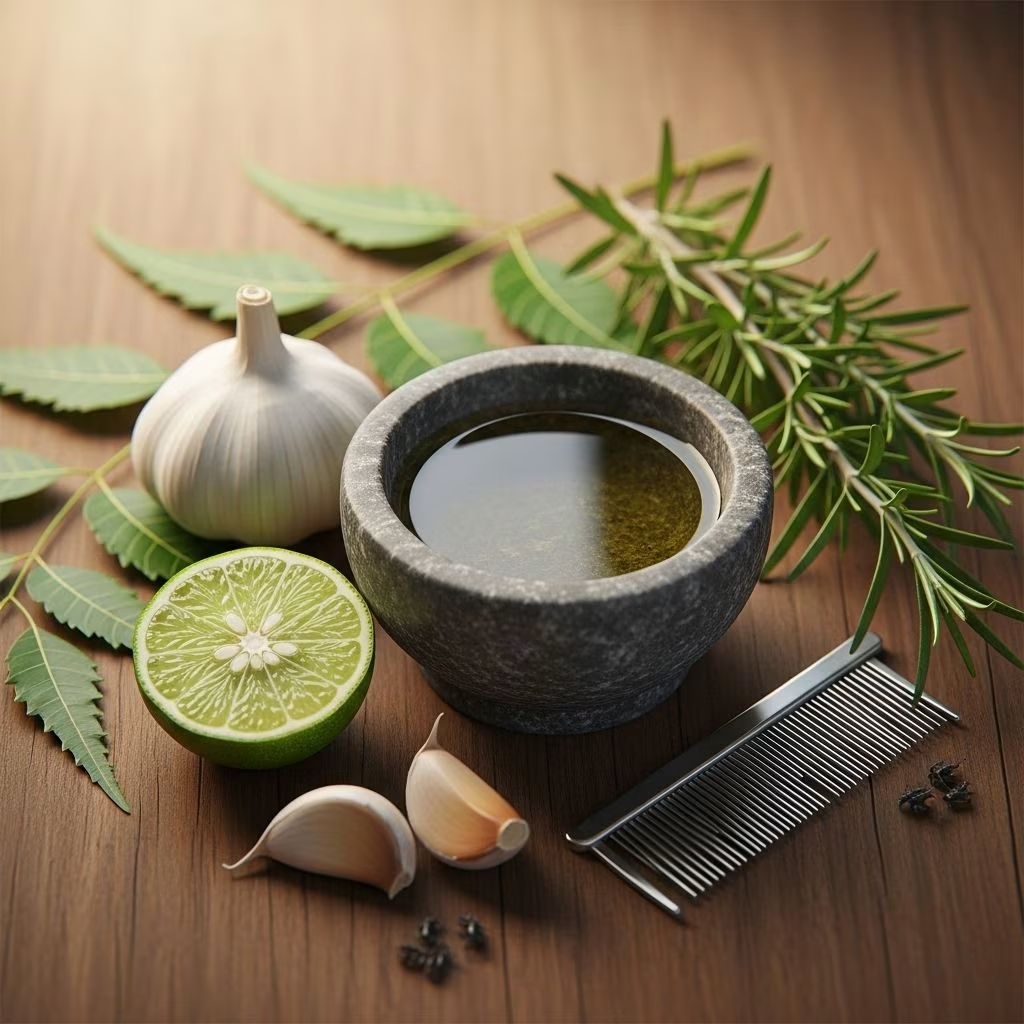
5. Garlic Hair Pack
- Crush several garlic cloves and mix with lime juice.
- Apply the mixture to the scalp, leave for 30 minutes, then rinse thoroughly. Garlic’s insecticidal properties offer additional support for lice eradication .
6. Commercial Chemical-Free Natural Options
Several over-the-counter products rely on natural ingredients instead of pesticides:
- ClearLice and Lice R Gone: Use essential oils (neem, peppermint, lavender) to suffocate lice. Available as shampoos and gels .
- LiceMD and LiceGuard: Feature dimethicone for smothering lice. Do not affect eggs – combing is still necessary .
- LiceFreee! Spray®: Active ingredient is sodium chloride (salt), which dehydrates both lice and eggs. Clinical studies show high efficacy compared to permethrin .
Comparison Table: Popular Natural Treatments
| Treatment | Active Ingredient | Effectiveness | Removes Eggs? | Safety Notes |
|---|---|---|---|---|
| Wet combing | None | High with diligence | Yes, if repeated | Safe for all ages |
| Essential oils (tea tree, neem, lavender, etc.) | Plant extracts + carrier oil | Moderate to high | No, must be combined with combing | Allergy risk for some oils |
| Olive/coconut oil, mayonnaise, anise oil | Oils/emollients | Variable; anise oil higher | No, combing essential | Messy, but generally safe |
| LiceFreee! Spray® | Sodium chloride (salt) | Very high (clinically tested) | Yes | Non-toxic; avoid eye contact |
| Neem rinse/hair pack | Neem leaves/oil | Good anti-parasitic action | No, needs combing | Safe if patch-tested |
Steps for Cleaning and Prevention
Environmental cleaning is essential to avoid reinfestation and spread within households. Lice rarely survive more than 24–48 hours off the scalp, but eggs can persist.
- Bedding and Clothes: Wash all clothing, sheets, and towels that came into contact with an infested person in hot water and dry on high heat.
- Personal Items: Clean brushes, combs, and hair accessories by soaking them in hot water (>130°F) for 5–10 minutes.
- Non-washable Items: Seal items like hats, stuffed animals, or pillows in airtight bags for 2 weeks.
- Vacuum: Vacuum mattresses, furniture, car seats, and floors thoroughly.
- Avoid Sprays: Pesticide sprays for furniture and carpets are unnecessary as lice don’t survive long; cleaning is sufficient .
What to Avoid in Lice Treatment
- Petroleum jelly (Vaseline): Difficult to remove from hair, not reliably effective.
- Kerosene or gasoline: Dangerous, toxic, and NOT recommended.
- Pesticide sprays: Not needed for home environments, can cause health problems.
- Undiluted essential oils: May cause skin irritation or allergic reactions; always dilute .
- Destructive hair treatments: Over-shampooing, harsh chemicals, or excessive combing can damage hair and scalp.
Managing Drug-Resistant Lice
Some lice strains have developed resistance to traditional OTC chemical treatments. Natural remedies, diligent combing, and newer non-toxic formulas (like LiceFreee!) are increasingly important. Consulting a medical provider is recommended if home remedies fail or if reinfestation occurs .
Frequently Asked Questions (FAQs) About Head Lice
Q: Why does combing matter so much in lice removal?
Combing physically removes lice and eggs, which many treatments cannot kill. Regular, thorough combing helps end infestations and prevents recurrence .
Q: Are natural remedies as effective as chemical treatments?
Some natural remedies (especially anise oil, neem, and sodium chloride-based sprays) show high effectiveness. However, no treatment is foolproof without combining with combing and thorough cleaning .
Q: Can lice spread through pets or general household cleaning?
No, head lice are human parasites and cannot live on pets. Household cleaning should focus on fabrics, clothing, and items in regular contact with the head. General deep cleaning beyond washing personal items is generally unnecessary .
Q: How can I prevent my child from getting lice again?
- Discourage sharing hats, brushes, headphones, or hair accessories.
- Keep long hair tied back in high-risk settings like schools or camps.
- Practice regular scalp checks if there are frequent outbreaks in your community.
Q: What should I do if natural remedies don’t work?
If infestations persist after trying home remedies and diligent combing, consult your doctor or a dermatologist. Prescription medications or professionally-applied treatments may be necessary, especially for resistant lice strains .
Key Takeaways
- Head lice are not a cause for panic and do not indicate poor hygiene.
- Natural remedies, especially when paired with wet combing and cleaning, are often effective.
- Essential oils (tea tree, neem, lavender), anise oil, olive oil, coconut oil, and dimethicone-based products are popular options.
- Thorough combing and repeated treatment cycles are critical to ensure complete removal.
- Safe cleaning protocols are vital to prevent reinfestation and safeguard family health.
Helpful Tips for Successful Lice Removal
- Be patient and comprehensive. Most remedies require several applications and regular combing over days or weeks.
- Check all household members for lice if an infestation is discovered; treat anyone who is infested.
- Consult a healthcare provider if home treatments fail, if wounds develop, or if a child’s scalp becomes very irritated.
References and Resources
- Healthline – Home Remedies for Head Lice
- Scripps Health – How To Get Rid of Head Lice
- Mayo Clinic – Head Lice Diagnosis & Treatment
- Medical News Today – 6 Best Home Remedies for Lice
- Drug Topics – Head Lice OTC Treatment Options and Home Remedies
References
- https://www.healthline.com/health/lice-home-remedies
- https://www.scripps.org/news_items/4316-how-to-get-rid-of-head-lice
- https://www.youtube.com/watch?v=1xYJzqfv73c
- https://www.mayoclinic.org/diseases-conditions/head-lice/diagnosis-treatment/drc-20356186
- https://www.medicalnewstoday.com/articles/325844
- https://www.baystatehealth.org/articles/treatment-for-drug-resistant-head-lice
- https://www.drugtopics.com/view/head-lice-otc-treatment-options-and-home-remedies-pharmacists-should-be-aware-of