


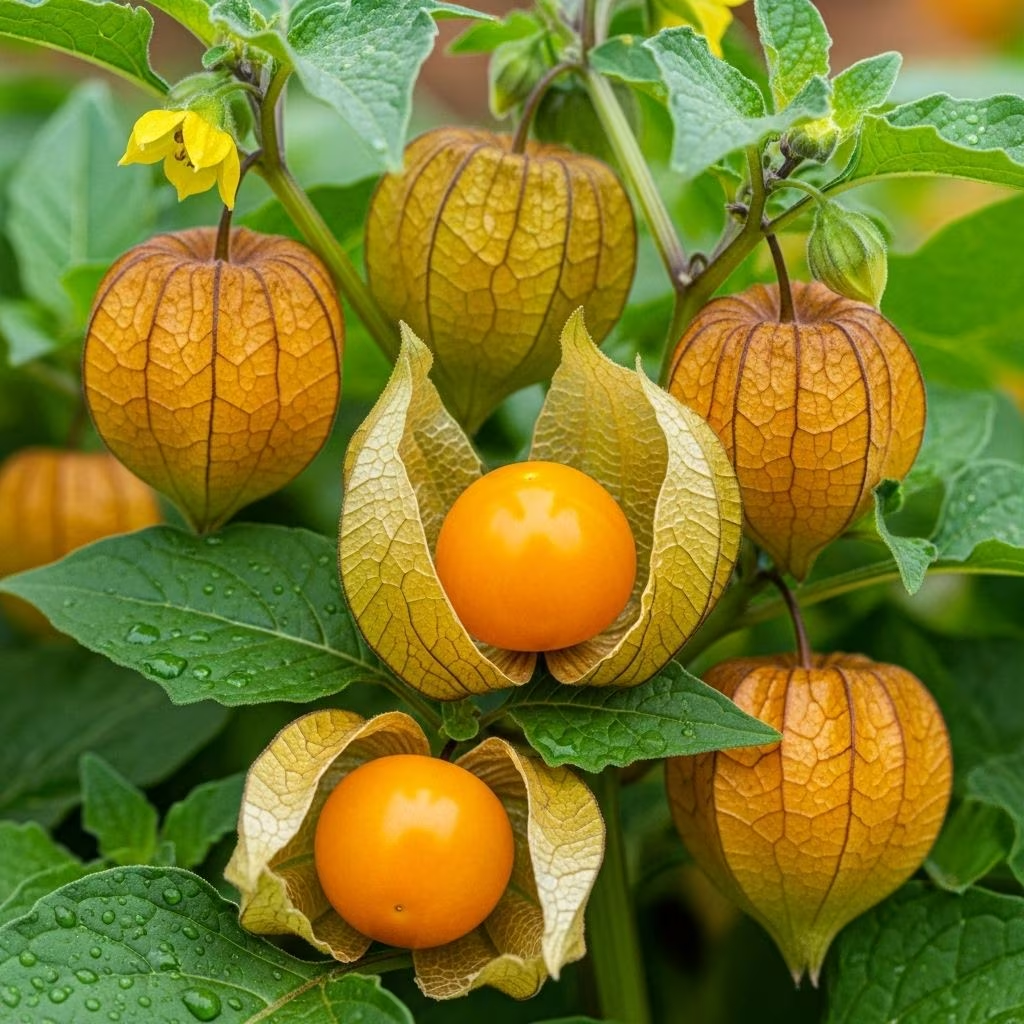
Ground cherries might sound unfamiliar to many, but these small, husk-wrapped fruits offer remarkable taste, unique nutritional perks, and surprising culinary versatility. Whether you’re eager to grow them in your backyard or curious about their place in your kitchen, this comprehensive guide explores every detail about ground cherries—their origins, flavor, benefits, uses, and more.
Overview: What Are Ground Cherries?
Ground cherries (generally of the species Physalis pruinosa, Physalis peruviana, and others) are a group of small, orange-yellow fruits wrapped in a papery husk, much like their close relative, the tomatillo. Despite their name, they are not true cherries; rather, they belong to the nightshade family (Solanaceae), making them cousins to tomatoes, potatoes, and eggplants. Also known as Cape gooseberry, husk cherry, goldenberry, and Poha berry, ground cherries have been enjoyed for centuries in the Americas and various parts of the world for their sweet-tart flavor and nutritional value.
Botanical Background and Plant Description
Ground cherry plants are annual or sometimes perennial herbs, characterized by sprawling or upright growth, and typically reach heights of 60–100 cm (2–3 feet) depending on species and growing conditions. Their leaves are slightly velvety, sometimes toothed, and their stems may be purplish or green. Each fruit is housed within a thin, straw-colored papery husk (the calyx), which protects it until ripe.
| Feature | Description |
|---|---|
| Botanical genus | Physalis |
| Plant family | Solanaceae (nightshade) |
| Flower | Small, yellow or white, with fused petals & 5 stamens |
| Fruit size | Typically 1.2–2 cm (0.5–0.75 inch) diameter |
| Color when ripe | Yellow-orange or golden |
| Lifespan | Annual or short-lived perennial |
| Native origin | Americas |
Common Varieties of Ground Cherry
There are several cultivated and wild species within the Physalis genus. Some of the more common varieties include:
- Physalis pruinosa: Often grown in home gardens, called “Aunt Molly’s Ground Cherry.”
- Physalis peruviana: Known as Cape gooseberry or goldenberry, larger and tart-sweet flavor.
- Physalis philadelphica: More commonly known as tomatillo, used mostly in savory dishes.
- Physalis grisea: Downy ground-cherry with rusty-colored fruit and hairy leaves.
Not all varieties are cultivated for food—some wild ground cherries may be ornamental or potentially toxic if consumed unripe or in large quantities.
Taste Profile: What Do Ground Cherries Taste Like?
The flavor of a ripe ground cherry is complex and delightful—a sweet base with tropical, citrusy, and tomato-like notes. Common descriptions include:
- Sweet and tart: Resembling a mix between a cherry tomato and pineapple or mango, with a hint of Meyer lemon.
- Juicy and slightly crunchy: The flesh is juicy with tiny edible seeds providing gentle crunch.
- Best when fully ripe: Ripeness is indicated by soft orange or golden color and natural fruit drop from the plant.
Summary Table:
| Flavor Quality | Description |
|---|---|
| Sweetness | Moderate to high, varying by variety |
| Tartness | Noticeable but balanced |
| Aromatics | Hints of pineapple, lemon, tomato |
| Texture | Juicy pulp with tiny edible seeds |
Nutritional Benefits of Ground Cherries
Ground cherries are rich in vitamins, minerals, and phytonutrients. Here is a breakdown of some major nutrients they provide:
- Vitamin C: Supports immune function and healthy skin.
- Vitamin A and beta-carotene: Promote good vision and support skin and immune health.
- Potassium: Helps maintain proper heart and muscle function.
- Fiber: Assists in digestion and satiety.
- Antioxidants: Including carotenoids and polyphenols, found in the vibrant color of the fruit.
They are also low in calories, making them an excellent snack option for those monitoring energy intake.
Health Benefits of Ground Cherries
In addition to their nutritional content, ground cherries may provide several health benefits:
- Immune system support: thanks to high vitamin C and antioxidants.
- Eye health: beta-carotene and vitamin A are essential for good vision.
- Anti-inflammatory properties: phytonutrients and polyphenols may reduce inflammation.
- Digestive health: dietary fiber fosters healthy bowel movements.
- Potential anti-aging effects: antioxidants may help combat damage from free radicals.
Including ground cherries as part of a diversified diet may help contribute to long-term wellness.
Culinary Uses: How to Eat Ground Cherries
Ground cherries are exceptionally versatile in the kitchen. They can be enjoyed in both sweet and savory recipes or simply eaten fresh after removing the husk. Here are some popular culinary uses:
- Fresh eating: Pop them straight from the husk; delicious as a snack.
- Desserts: Use in pies, tarts, muffins, jams, jellies, or compotes.
- Salads: Add their unique flavor and color to fruit or green salads.
- Salsas and sauces: Substitute for or combine with tomatoes in salsas and chutneys.
- Preserves: Make jams, marmalades, or dried fruit snacks.
- Garnishing: Their beautiful shape and color make them ideal for decorating cakes and desserts.
Tip: When using heat (like baking or simmering), their tartness mellows and sweetness enhances, creating a unique, rich taste in cooked dishes.
Growing and Harvesting Ground Cherries
Growing ground cherries in a home garden is relatively easy, even for beginners.
- Soil: Prefers well-draining soil rich in organic matter.
- Light: Full sun (at least 6 hours per day) for best fruiting.
- Watering: Keep soil consistently moist, but not waterlogged.
- Spacing: Plants can sprawl up to 2–3 feet wide; space accordingly.
- Temperature: Grows best in USDA zones 3–9.
- Harvesting: Fruits are ready when husks turn brown and papery, and the berries drop from the plant. Always eat only fully ripe fruits—immature green fruits can be toxic.
How to Store and Preserve Ground Cherries
Ground cherries store well for extended periods if properly handled:
- In husk: Store freshly harvested ground cherries in their husks at room temperature for up to 2 weeks, or in the refrigerator for up to 3 weeks.
- Peeled: Peeled fruits have a shorter shelf life and should be eaten or used within a few days.
- Freezing: For longer storage, freeze peeled ground cherries on a tray, then transfer to freezer-safe containers for up to 12 months.
- Canning and preserving: Make jams, preserves, or syrups to extend shelf life even further.
Edibility and Safety Tips
- Only eat fully ripe ground cherries. Unripe fruit and other green parts (like leaves and stems) contain solanine and other alkaloids that are toxic if ingested in quantity.
- Check for local species. Some wild-growing Physalis species can be ornamental or inedible; always positively identify before eating.
- Allergic reactions are rare, but as a nightshade relative, those with sensitivities to other solanaceous plants should use caution.
Frequently Asked Questions (FAQs)
Q: Are ground cherries the same as tomatillos?
A: No, but they are closely related. Tomatillos (Physalis philadelphica) are typically larger, green, and more savory, while ground cherries are smaller, sweet-tart, and golden-orange when ripe .
Q: Can you eat ground cherries raw?
A: Yes, ripe ground cherries are delicious eaten raw. Always remove the husk and make sure the berry is fully golden to avoid possible toxicity.
Q: How do I know when ground cherries are ready to harvest?
A: Ripe ground cherries fall naturally from the plant. Their husks turn brown and the fruit inside becomes soft orange-yellow and slightly translucent .
Q: Are there any health risks associated with eating ground cherries?
A: Ripe fruit is safe in moderation, but unripe fruit and leaves are toxic due to alkaloids. As with other nightshades, excessive intake is not advised.
Q: What are common names for ground cherries?
A: Cape gooseberry, husk cherry, goldenberry, Peruvian ground cherry, Poha berry, and Chinese lantern fruit .
Q: Where can I buy ground cherries?
A: They are seldom found in mainstream grocery stores, but check local farmers’ markets or specialty produce retailers for fresh or preserved ground cherries .
Conclusion
Ground cherries are a special fruit brimming with flavor and nutritional benefit, ideal for gardeners and adventurous eaters seeking something out of the ordinary. Whether snacked on straight from the husk, baked into pies, or tossed into salads, ground cherries offer a unique taste experience rooted in history and nutrition.
References
- https://specialtyproduce.com/produce/Ground_Cherries_13888.php
- https://cherryvalleyorganics.com/blogs/cvo-blog/what-are-ground-cherries-a-delicious-fruit-to-tempt-your-taste-buds
- https://plants.ces.ncsu.edu/plants/physalis/
- https://gobotany.nativeplanttrust.org/species/physalis/philadelphica/
- https://gobotany.nativeplanttrust.org/species/physalis/grisea/
- https://www.juliadimakos.com/what-is-a-ground-cherry/
- https://en.wikipedia.org/wiki/Physalis
- https://www.britannica.com/plant/Physalis
- https://www.mofga.org/resources/vegetables/ground-cherries/


