


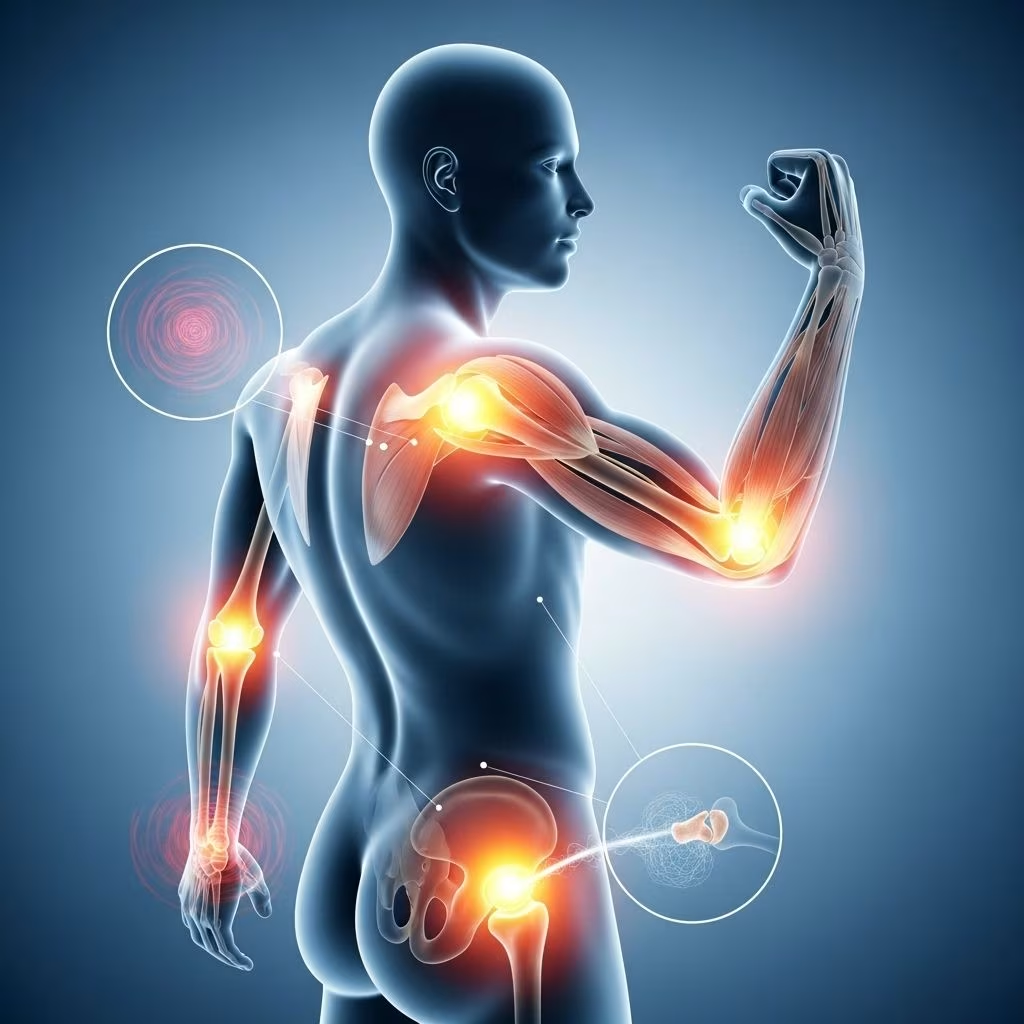
Muscle, Joint, and Body Aches: An In-Depth Guide
Muscle, joint, and body aches are among the most common health complaints, affecting millions of people of all ages. Whether caused by injury, disease, poor posture, or everyday activities, the discomfort can range from mild to debilitating and often disrupts daily routines. Understanding the underlying causes, recognizing symptoms, and seeking appropriate treatment are vital steps in restoring mobility, function, and overall quality of life.
What Are Muscle, Joint, and Body Aches?
Muscle aches (myalgia), joint pain (arthralgia), and generalized body aches typically refer to pain, tenderness, or discomfort in muscles, joints, or throughout the body. These symptoms may present as acute (sudden and short-term) or chronic (long-lasting) and can significantly impact physical and emotional well-being.
- Muscle pain: Usually felt as soreness, cramping, or stiffness in a specific group of muscles.
- Joint pain: Experienced as aching, throbbing, or tenderness in regions where bones meet (e.g., knees, elbows, wrists).
- Body aches: Generalized pain or discomfort that affects larger areas or multiple regions at once.
Prevalence and Everyday Impact
Virtually everyone experiences occasional muscle or joint pain from time to time. While often harmless and transient, persistent or severe aches can signal underlying health conditions requiring targeted care and management.
Common Causes of Muscle, Joint, and Body Aches
The causes of muscle, joint, and body aches are wide-ranging and can vary depending on age, activity levels, and overall health status.
Leading Causes at a Glance
| Cause | Description |
|---|---|
| Injury & Overuse | Strains, sprains, repetitive motion injuries, and intense exercise can stress muscles and joints. |
| Poor Posture | Slouching or awkward positions put extra pressure on certain muscles and joints. |
| Infections & Illness | Flu, COVID-19, and other systemic infections trigger body-wide inflammation. |
| Medical Conditions | Arthritis, fibromyalgia, autoimmune disorders, and thyroid conditions often cause chronic pain. |
| Dehydration | Insufficient fluids lead to cramps and muscle aches. |
| Medications & Side Effects | Certain drugs (e.g., statins, blood pressure meds) may induce aches as a side effect. |
| Stress | Psychological stress triggers muscle tension, leading to pain. |
| Nutritional Deficiencies | Lack of potassium, vitamin D, or other minerals and vitamins can cause muscle or joint pain. |
Detailed Causes Explained
- Poor Posture: Extended periods in improper sitting or standing positions can overload specific muscle groups and joints, leading to pain and stiffness.
- Muscle Strains & Sprains: Overexertion, sudden movements, or accidental injuries cause microscopic tears or overstretching of muscle fibers and ligaments.
- Sports & Physical Activity: High-intensity workouts, not warming up or cooling down properly, and overtraining are common risk factors.
- Arthritis: Osteoarthritis, rheumatoid arthritis, and gout are characterized by joint inflammation, swelling, and chronic pain.
- Autoimmune Diseases: Diseases such as lupus, myositis, and multiple sclerosis can generate persistent inflammation that damages muscles and joints.
- Infections: Viral and bacterial infections (e.g., influenza, COVID-19) trigger immune responses and inflammatory chemicals that result in body aches.
- Fluid Retention: Conditions causing edema (fluid buildup) can create pressure and pain, particularly in the lower limbs.
- Medication Side Effects: Statins (for cholesterol management) and certain blood pressure medications commonly list muscle aches as a side effect.
- Electrolyte Imbalance: Low levels of potassium, calcium, or magnesium disrupt normal muscle function, leading to cramps and pain.
- Chronic Conditions: Fibromyalgia, chronic fatigue syndrome, and hypothyroidism often manifest as long-term body aches and fatigue.
Recognizing Symptoms: What Do Muscle and Joint Aches Feel Like?
The symptoms vary based on the underlying cause, location, and duration of the discomfort. Recognizing these symptoms can help guide decisions about self-care or when to seek medical attention.
- Pain: Ranges from mild discomfort to severe, sharp, or stabbing sensations.
- Stiffness: Reduced flexibility or difficulty moving affected muscles or joints.
- Reduced Mobility: Limitation in performing usual tasks due to pain or swelling.
- Swelling or redness: Often present in inflammatory joint conditions.
- Muscle twitching, cramps, or spasms: Localized contractions that cause pain.
- Fatigue: Ongoing aches commonly cause tiredness and poor sleep quality.
- Sleep disturbances: Pain that interrupts normal sleep patterns, leading to further discomfort and fatigue.
How Are Muscle, Joint, and Body Aches Diagnosed?
Diagnosis begins with a detailed history and physical examination performed by a healthcare professional. In some instances, further investigations may be required to identify underlying medical conditions or injuries.
Diagnostic Steps
- Medical History: Review of symptom patterns, recent activities, previous injuries, medications, and existing health conditions.
- Physical Examination: Assessment of pain location, swelling, range of motion, and areas of tenderness.
- Laboratory Tests: Bloodwork may identify inflammatory markers, infection, or autoimmune activity.
- Imaging: X-rays, MRI, or CT scans may reveal injuries, arthritis, or structural abnormalities.
Prevention Strategies: Reducing the Risk of Aches
While not all causes of muscle, joint, or body aches can be prevented, several strategies can reduce your susceptibility:
- Maintain Good Posture: Pay attention to body mechanics during sitting, standing, and lifting.
- Warm-Up and Cool-Down: Always prepare your body before engaging in sports or physical activity and cool down afterward to prevent strains.
- Hydrate Adequately: Proper fluid intake supports muscle and joint health and reduces the risk of cramps.
- Practice Safe Movements: Use correct form while exercising or working to avoid injuries.
- Balanced Diet: Ensure intake of essential nutrients, such as potassium, calcium, magnesium, and vitamin D.
- Infection Control: Practice good hygiene, such as frequent handwashing and staying up to date with vaccinations, to help prevent infection-related aches.
Effective Treatments for Muscle, Joint, and Body Aches
Treatment depends on the underlying cause, severity, and duration of symptoms. Most mild or moderate cases improve with conservative management. Chronic or severe pain may require a multidisciplinary approach.
Self-Care and Home Remedies
- Rest: Giving affected muscles and joints time to heal.
- Heat or Ice Therapy: Use ice for the first 48–72 hours after an acute injury to reduce inflammation, then switch to heat to improve circulation and relax muscles.
- Pain Relievers: Over-the-counter medications, such as acetaminophen or NSAIDs (e.g., ibuprofen), can reduce pain and inflammation.
- Gentle Massage: Eases muscle tension and stimulates blood flow.
- Stretching & Physical Activity: Once pain subsides, gentle stretching and strengthening exercises can restore mobility and prevent stiffness.
- Warm Baths: Immersing in warm water soothes sore muscles and joints.
- Hydration: Drinking enough fluids helps minimize cramps and recover from viral illnesses.
Medical Interventions
- Prescription Medications: In cases of significant pain or chronic conditions, doctors may prescribe muscle relaxants, prescription NSAIDs, or other disease-specific drugs.
- Physical Therapy: Tailored programs strengthen muscles, increase flexibility, and improve joint function.
- Injections or Nerve Blocks: Corticosteroid injections or nerve blocks may be recommended for cases involving severe or persistent pain.
- Surgery: Reserved for advanced joint damage or injuries not responding to other treatments; minimally invasive options may be available.
- Advanced Therapies: Access to clinical trial treatments or innovative therapies may be considered for complex or refractory cases.
Diet, Lifestyle, and Alternative Approaches
- Maintain Healthy Weight: Reduces strain on weight-bearing joints.
- Anti-inflammatory Diet: Foods rich in omega-3 fatty acids, antioxidants, and low in processed sugar may help manage inflammation.
- Stress Management: Mindfulness, yoga, or meditation can reduce muscle tension caused by psychological stress.
- Supplements: Consult a healthcare professional before using supplements like vitamin D, magnesium, or glucosamine.
When to Seek Immediate Medical Attention
Most aches resolve within a few days with rest and home care. However, seek medical advice promptly if you experience:
- Severe pain following an injury or accident
- Pain accompanied by swelling, redness, or warmth (signs of infection or inflammation)
- Pain persisting longer than two weeks
- Joint deformity or inability to use a limb
- Signs of a systemic illness (high fever, sudden weakness, unexplained weight loss, difficulty breathing)
Frequently Asked Questions (FAQs) About Muscle, Joint, and Body Aches
What is the difference between muscle pain and joint pain?
Muscle pain (myalgia) is usually felt in the soft tissues and may be triggered by overuse, tension, or viral infections. Joint pain (arthralgia) is localized to the areas where bones meet and is often deeper, sometimes accompanied by swelling or stiffness.
Can dehydration cause body aches?
Yes, dehydration leads to decreased fluid surrounding muscles and joints, causing cramps, tension, and increased risk of achiness and pain.
Are body aches a sign of an infection?
Often, yes. Body aches are a hallmark of viral infections like flu or COVID-19. The immune response generates inflammatory chemicals, leading to soreness and pain throughout the body.
How can I tell if my pain needs urgent medical attention?
Pain that is sudden, severe, associated with trauma, persistent beyond two weeks, or accompanied by fever, chest pain, difficulty moving, or red/swollen joints should be evaluated promptly by a healthcare professional.
What is the best initial treatment for minor muscle or joint pain?
Rest, ice (for acute injuries), over-the-counter pain medications, and gentle stretching or heat therapies are typically effective first steps for mild pain. If pain does not improve, seek professional guidance.
Practical Tips for Managing and Preventing Aches
- Alternate ice and heat: Use ice for the first 48-72 hours for new injuries, then transition to heat to relax stiff muscles.
- Stay active: Regular, moderate exercise keeps muscles and joints flexible.
- Listen to your body: Do not push through severe pain; allow time for rest and healing.
- Practice mindfulness: Techniques such as yoga, meditation, or deep breathing can relieve psychological stress and its physical manifestations.
Summary Table: Muscle, Joint, and Body Aches
| Aspect | Description | Action |
|---|---|---|
| Common Causes | Injury, poor posture, arthritis, flu, stress, medications | Identify and address risk factors |
| Symptoms | Pain, stiffness, swelling, reduced mobility | Monitor and manage as needed |
| Diagnosis | History, examination, labs, imaging if indicated | Consult healthcare provider for persistent/severe pain |
| Treatment | Rest, ice/heat, medications, therapy, surgery (rare) | Follow appropriate self-care or medical plan |
| Prevention | Good posture, warm-up, hydration, balanced diet | Incorporate habits into daily life |
Conclusion
Muscle, joint, and body aches are universal experiences that can arise from a wide range of causes. While most cases are minor and transient, persistent or severe pain should always be taken seriously and evaluated by a healthcare professional. By understanding risk factors, recognizing warning signs, and using effective prevention and treatment strategies, you can safeguard your mobility and enjoy a more comfortable, active life.
References
- https://ada.com/conditions/muscle-joint-pain/
- https://weillcornell.org/muscle-and-joint-pain
- https://www.medicalnewstoday.com/articles/319985
- https://www.mayoclinic.org/symptoms/muscle-pain/basics/causes/sym-20050866
- https://my.clevelandclinic.org/health/symptoms/17752-joint-pain
- https://www.bswhealth.com/blog/body-aches-what-to-do-for-this-common-flu-and-covid-19-symptom
- https://www.webmd.com/pain-management/ss/slideshow-body-aches
- https://www.arthritis.org/health-wellness/healthy-living/managing-pain/pain-relief-solutions/finding-the-best-joint-pain-relief
- https://www.jeffersonhealth.org/your-health/living-well/dealing-with-common-aches-pains-as-we-age


