


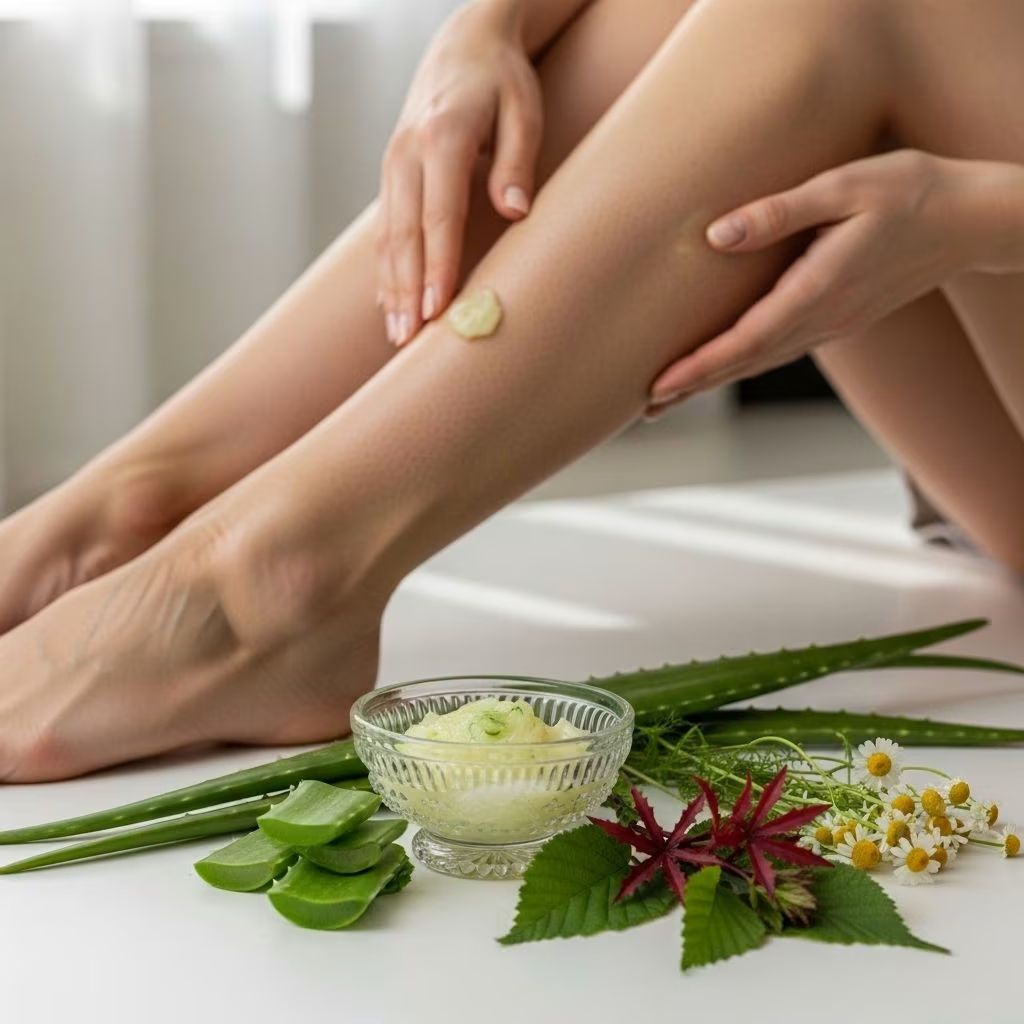
Understanding Spider Veins
Spider veins are small, dilated blood vessels visible just beneath the skin, often appearing as red, blue, or purple web-like clusters. While they are typically harmless, many people seek ways to reduce their appearance for cosmetic reasons or to alleviate mild discomfort. While medical treatments exist, a growing number of individuals prefer to start with natural remedies and lifestyle adjustments before considering medical procedures.
Common Causes of Spider Veins
Several factors contribute to the development of spider veins, including:
- Genetics: A family history increases your risk.
- Gender: Women are more likely to develop spider veins, often due to hormonal changes during pregnancy, menopause, or from birth control pills.
- Age: Veins lose elasticity and valves weaken as we age.
- Occupation: Prolonged standing or sitting can impede blood flow and increase pressure in the veins.
- Obesity: Excess weight places greater pressure on veins.
- Sun Exposure: UV rays can cause spider veins, particularly on the face.
Prevention Strategies
Preventing spider veins from forming or worsening is often more effective than treating existing ones. Consider these lifestyle adjustments:
- Regular Exercise: Activities like walking, swimming, and cycling improve circulation and strengthen leg muscles, reducing the risk of vein issues.
- Healthy Diet: Eat fiber-rich foods, antioxidant-rich fruits and vegetables, and foods high in magnesium, potassium, and omega-3 fatty acids to support vein health.
- Hydration: Drink plenty of water to help maintain healthy blood flow.
- Compression Stockings: These can help improve circulation by gently compressing the legs and encourage blood flow toward the heart.
- Elevate Your Legs: Elevating your legs above heart level several times a day helps reduce vein pressure and swelling.
- Avoid Prolonged Sitting or Standing: Take breaks to move around if your routine involves long periods of either.
- Sun Protection: Use sunscreen to protect your skin from UV damage, which can worsen spider veins, especially on the face.
Home Remedies for Spider Veins
While medical research supporting home remedies for spider veins is limited, several natural treatments are widely used for temporary relief of symptoms or cosmetic improvement. Here are some of the most popular options:
Apple Cider Vinegar
Apple cider vinegar is commonly recommended for its purported ability to improve circulation and reduce the appearance of spider veins. It is typically applied directly to the skin, sometimes via a cloth wrap left on for 20–30 minutes. While anecdotal evidence exists, scientific support for its effectiveness is lacking.
Essential Oils
Certain essential oils, when diluted and applied topically, may help relieve symptoms associated with spider veins. Commonly used oils include:
- Cypress: Promotes circulation.
- Lavender: May reduce swelling and discomfort.
- Peppermint: Provides a cooling sensation and may help with discomfort.
- Tea Tree, Geranium, and Lemongrass: Sometimes used for their circulatory properties.
Always perform a patch test before use and consult with a healthcare provider, as some oils can cause skin irritation.
Herbal Supplements
Several herbal extracts are believed to support vein health and reduce symptoms:
- Horse Chestnut: May reduce swelling and improve vein tone.
- Butcher’s Broom: Strengthens veins and reduces inflammation.
- Ginkgo Biloba: Used for its circulatory benefits.
- Bilberry Extract: Contains antioxidants that may protect blood vessels.
- Garlic, Turmeric, and Cayenne Pepper: Sometimes recommended for their anti-inflammatory properties.
Consult your healthcare provider before starting any supplement, as they can interact with medications or have side effects.
Topical Applications
Witch hazel, applied externally, is sometimes used for its astringent properties, which may temporarily reduce the appearance of spider veins.
Massage
Gentle massage, particularly by a licensed therapist experienced in vein issues, can stimulate circulation and reduce discomfort or swelling associated with spider veins. However, vigorous massage should be avoided as it may worsen the condition.
Hot and Cold Compresses
Alternating hot and cold compresses can temporarily relieve discomfort and may improve circulation, although they do not eliminate spider veins.
Dietary Recommendations
A balanced diet plays a crucial role in maintaining vein health and preventing the progression of spider veins. Focus on:
- High-Fiber Foods: Prevent constipation, which can increase vein pressure.
- Antioxidant-Rich Foods: Berries, leafy greens, and fatty fish help reduce inflammation.
- Hydration: Adequate water intake supports circulation.
- Avoid Excessive Salt, Sugar, and Saturated Fats: These can contribute to inflammation and poor circulation.
Lifestyle Adjustments
In addition to diet and exercise, consider these everyday changes to support vein health:
- Maintain a Healthy Weight: Reduces pressure on leg veins.
- Avoid Smoking: Smoking damages blood vessels and impairs circulation.
- Elevate Legs Regularly: Helps reduce swelling and pressure.
- Wear Comfortable Shoes: Avoid high heels for extended periods.
- Limit Alcohol Consumption: Alcohol can dilate blood vessels and increase vein visibility.
Medical Treatments for Spider Veins
If home remedies and lifestyle changes do not provide sufficient relief, medical treatments may be considered. These include:
- Sclerotherapy: Injection of a solution that causes the vein to collapse and fade.
- Laser Therapy: Uses focused light to remove small spider veins.
- Microphlebectomy: Removal of veins through tiny incisions.
Consult a vein specialist to discuss the best option for your condition.
Myths and Misconceptions
Several myths surround spider veins and their treatment:
- Blue Light Therapy: At-home blue light pens are sometimes marketed for spider veins, but there is no scientific evidence supporting their effectiveness.
- Saline Injections at Home: Self-injecting saline or other substances is unsafe and can lead to serious complications.
- Instant Cures: No home remedy can completely eliminate spider veins; they may only provide temporary relief of symptoms.
When to See a Doctor
While spider veins are usually harmless, consult a healthcare provider if you experience:
- Pain, swelling, or heaviness in the legs
- Skin changes, such as discoloration or ulcers
- Bleeding from a vein
- Rapidly worsening symptoms
Frequently Asked Questions (FAQs)
Q: Can apple cider vinegar really get rid of spider veins?
A: There is no scientific evidence that apple cider vinegar can eliminate spider veins, though some people report temporary cosmetic improvement.
Q: Are compression stockings effective for spider veins?
A: Compression stockings can help prevent new spider veins from forming and reduce symptoms, but they do not remove existing ones.
Q: Can diet and exercise prevent spider veins?
A: A healthy diet and regular exercise can improve circulation and reduce the risk of developing spider veins, but they cannot guarantee prevention, especially if genetics are a factor.
Q: Are herbal supplements safe for vein health?
A: Some herbal supplements may support vein health, but always consult your healthcare provider before use, as they can interact with medications or have side effects.
Q: When should I consider medical treatment for spider veins?
A: Consider medical treatment if you experience pain, swelling, skin changes, or if spider veins significantly affect your quality of life. A vein specialist can recommend appropriate options.
Summary Table: Natural Remedies and Their Reported Benefits
| Remedy | How It’s Used | Reported Benefits | Scientific Evidence |
|---|---|---|---|
| Apple Cider Vinegar | Topical application | Improved circulation, reduced appearance | Limited, anecdotal |
| Essential Oils | Topical, massage, bath | Relief from discomfort, improved circulation | Anecdotal |
| Herbal Supplements | Oral | Reduced swelling, stronger veins | Some evidence for certain herbs |
| Massage | Gentle, by a professional | Improved circulation, reduced swelling | Anecdotal |
| Compression Stockings | Worn daily | Prevention, symptom relief | Well-documented |
Conclusion
Spider veins are a common cosmetic concern that can often be managed with natural remedies, dietary changes, and lifestyle adjustments. While these approaches may not eliminate spider veins entirely, they can improve symptoms, enhance vein health, and prevent new veins from forming. For persistent or bothersome cases, medical treatments are available and should be discussed with a vein specialist. Always consult a healthcare provider before starting new treatments, especially herbal supplements or essential oils.
References
- https://www.yourveincarecenter.com/what-are-the-best-natural-remedies-for-spider-veins/
- https://www.susanbiegelmd.com/blog/discovering-the-best-natural-treatments-for-spider-veins-and-varicose-veins/
- https://www.healthline.com/health/how-to-get-rid-of-spider-veins
- https://www.medicalnewstoday.com/articles/321703
- https://cacvi.org/how-to-get-rid-of-spider-veins-naturally/
- https://www.mayoclinic.org/diseases-conditions/varicose-veins/diagnosis-treatment/drc-20350649
- https://www.metroveincenters.com/blog/10-tips-for-relieving-varicose-veins-at-home
- https://my.clevelandclinic.org/health/diseases/4722-varicose-veins
- https://eliteveinclinic.com/blog/home-remedies-for-varicose-vein-care/


