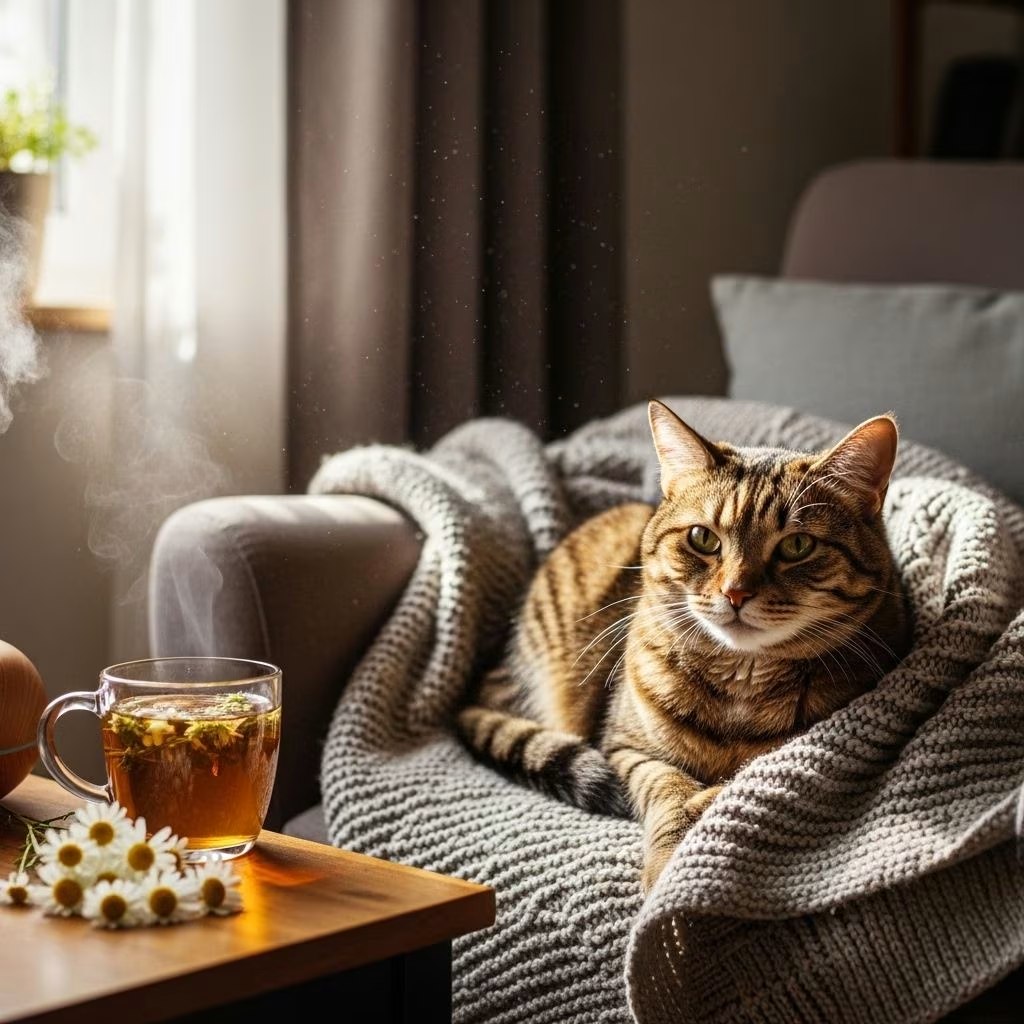
Home Remedies for Sneezing Cats
Cats sneeze for various reasons, ranging from mild irritants to more serious health conditions. Understanding the triggers and knowing how to provide relief at home can help your cat recover comfortably and prevent unnecessary discomfort. This comprehensive guide walks you through common causes, when to seek veterinary help, home remedies, prevention tips, and answers to frequently asked questions about sneezing cats.
Common Causes of Sneezing in Cats
Sneezing in cats is often the result of irritation or inflammation in the nasal passages. Occasional sneezing may be harmless, but persistent or severe episodes can indicate underlying issues. Common causes include:
- Viral infections (e.g., feline herpesvirus, calicivirus – part of the complex known as ‘cat flu’)
- Bacterial infections (e.g., Bordetella bronchiseptica, Chlamydia felis)
- Allergies (dust, pollen, smoke, perfumes, cleaning products)
- Environmental irritants (chemicals, litter dust, candles, air sprays)
- Nasal blockages (polyps, tumors, foreign bodies)
- Dental problems (especially infections in upper teeth)
Some sneezing episodes are accompanied by additional symptoms, such as nasal or eye discharge, coughing, loss of appetite, or lethargy. If your cat’s sneezing is mild and there are no other severe symptoms, home care may help alleviate discomfort.
When to Consult a Veterinarian
A visit to the veterinarian is essential if your cat shows any of the following:
- Persistent sneezing lasting more than a few days
- Thick, yellow, green, or blood-tinged nasal discharge
- Discharge from the eyes
- Coughing, wheezing, or noisy breathing
- Loss of appetite or thirst
- Lethargy or behavioral changes
- Fever
- Visible swelling of the face or mouth
These symptoms can indicate a serious infection or other health problem that needs prompt veterinary attention. Early intervention can prevent complications and speed recovery.
Safe and Effective Home Remedies for Sneezing Cats
If your cat is otherwise healthy and only has mild sneezing, several home remedies and care measures can help reduce symptoms and support recovery. Always observe your cat closely—if symptoms worsen, seek veterinary care promptly.
1. Humidification
- Place a humidifier near your cat’s resting spot. Moist air soothes irritated nasal passages, loosens mucus, and helps with breathing.
- Alternatively, run a hot shower to create a steam-filled bathroom. Sit quietly with your cat in the room (not directly in the water) for 10-15 minutes, 1-2 times daily. This helps break up nasal congestion.
- Clean humidifiers regularly to prevent mold and bacteria growth.
2. Gentle Nasal Cleaning
- Wipe away nasal discharge from your cat’s nose with a soft, damp cloth or cotton ball. Use a separate clean cloth to wipe away any eye discharge.
- Avoid using the same material for both the nose and eyes to prevent spreading infection.
- Be gentle—never insert objects into your cat’s nostrils.
3. Saline Nasal Drops
- Pet-safe saline nasal drops help moisturize and clear nasal passages.
- Check with your veterinarian for the proper formulation and instructions. Do not use human medicated nasal sprays unless specifically directed by your vet.
- Apply a few drops in each nostril as recommended. This can help loosen mucus and ease breathing.
4. Hydration and Diet Support
- Ensure your cat drinks plenty of fresh, clean water. Dehydration can worsen symptoms.
- Offer wet cat food or add water/broth to their meals to encourage fluid intake.
- Tempt a reluctant eater with warmed food (just above room temperature) or strong-smelling options (like canned tuna in water), but check ingredients for safety first.
5. Creating a Calm Environment
- Minimize loud noises and activity around your cat. Stress can complicate recovery from respiratory issues.
- Keep your cat indoors until symptoms resolve to avoid environmental irritants and prevent spreading infection to other cats.
6. Avoiding Harmful Irritants
- Remove or stop using essential oils and fragranced products—many are toxic or irritating to cats.
- Avoid scented litters, air fresheners, and cleaning sprays around your cat’s living areas.
- If you smoke, keep your cat away from tobacco smoke and residue, as it can worsen respiratory symptoms.
7. Nutritional and Immune Support
- Focus on a high-quality, hypoallergenic cat diet, preferably grain-free and low in carbohydrates, to boost immune system strength.
- Probiotics can support gut and immune health, especially after a course of antibiotics. Choose formulas designed for cats.
- Some natural supplements, such as olive leaf extract or elderberry concentrate, possess gentle antiviral and immune-supportive properties—use only with your vet’s guidance.
8. Gentle Home Remedies for Nasal Congestion
- Steam Therapy: Sitting with your cat in a steamy bathroom can help loosen nasal mucus and make breathing easier.
- Hydration: Encourage drinking water to help thin mucus.
What to Avoid When Treating a Sneezing Cat
- Do not use over-the-counter human cold medicines, decongestants, or antihistamines unless prescribed by your veterinarian.
- Do not use essential oils or herbal preparations unless approved by your vet.
- Avoid exposing your cat to unfamiliar animals while symptoms persist, especially if caused by an infectious agent.
Prevention: Reducing Future Sneezing Episodes
- Keep vaccinations up to date: Core vaccines protect against many common viral causes of feline respiratory infections.
- Maintain a dust-free, smoke-free living space.
- Provide good ventilation and regularly clean your cat’s bedding and litter box.
- Practice regular dental care and monitor your cat’s mouth for signs of dental disease.
- Quarantine new cats for several weeks before introducing them to your household cats to prevent disease transmission.
When to Consider Prescription Treatments
- If your cat’s sneezing is caused by a bacterial infection or is associated with severe symptoms, your veterinarian may prescribe antibiotics or antivals.
- For chronic issues, diagnostic tests (such as swabs, x-rays, or bloodwork) may be needed to pinpoint causes such as nasal tumors, polyps, or chronic inflammatory conditions.
Safe Natural Supplements: What Is Supported?
| Supplement | Suggested Benefit | Notes |
|---|---|---|
| Probiotics | Supports gut and immune health | Use cat-specific brands; helpful post-antibiotics |
| Olive leaf extract | Antiviral and anti-inflammatory properties | Administer under vet supervision |
| Elderberry concentrate | Antioxidant and antiviral support | Safe short-term; confirm dose with vet |
Frequently Asked Questions (FAQs)
Q: My cat is sneezing but otherwise seems healthy. Is this a concern?
A: Occasional sneezing without other symptoms is usually not serious. Monitor for additional signs such as discharge, lethargy, or loss of appetite. If sneezing increases or other symptoms appear, see your vet.
Q: Can I use human medication for my sneezing cat?
A: No. Many human medications, including cold remedies and essential oils, can be toxic to cats. Only use medicines specifically formulated for cats or prescribed by a veterinarian.
Q: Is sneezing in cats contagious to people or other pets?
A: Most feline respiratory infections are not transmissible to humans. However, other cats may catch certain viruses or bacteria, so separate affected cats and practice good hygiene.
Q: How long does it usually take for a sneezing cat to recover?
A: Mild cases due to irritants or minor infections often improve within a few days with supportive care. Persistent or severe cases may require veterinary diagnosis and can take longer.
Q: What are emergency signs that mean I should see a vet immediately?
A: Labored breathing, continuous bleeding from the nose, extreme lethargy, refusal to eat or drink, or seizure-like activity require immediate veterinary attention.
Summary Checklist: Home Care for Sneezing Cats
- Use a humidifier or steam for sinus relief.
- Keep nasal passages clean and moist.
- Encourage hydration and offer easy-to-eat wet foods.
- Eliminate airborne irritants and maintain a calm setting.
- Consult a vet if symptoms persist, worsen, or are accompanied by discharge, fever, or appetite changes.
Further Reading and Resources
- American Association of Feline Practitioners: Feline upper respiratory disease management
- PetMD: Home Remedies for Cats
- Ask Ariel: Natural Remedies for Cat Sneezing
References
- https://www.petmd.com/cat/general-health/vet-approved-home-remedies-cats
- https://www.youtube.com/watch?v=I_JIMaUI4vI
- https://www.pethonesty.com/blogs/blog/cat-sneezing-causes-remedies
- https://www.litter-robot.com/blog/what-can-i-give-my-cat-for-sneezing/
- https://www.maddiesfund.org/kb-sneezing-and-nasal-discharge-in-cats.htm
- https://www.petcarerx.com/article/home-remedies-to-treat-your-cats-cold/5503
- https://trudellanimalhealth.com/blogs/blog/feline-upper-respiratory-infection-cat-flu-what-it-is-signs-amp-symptoms-and-how-to-treat-it
- https://berthoudanimalhospital.com/blog/remedies-for-sneezing-cat/
- https://www.askariel.com/cat-sneezing-remedies-s/2020.htm