


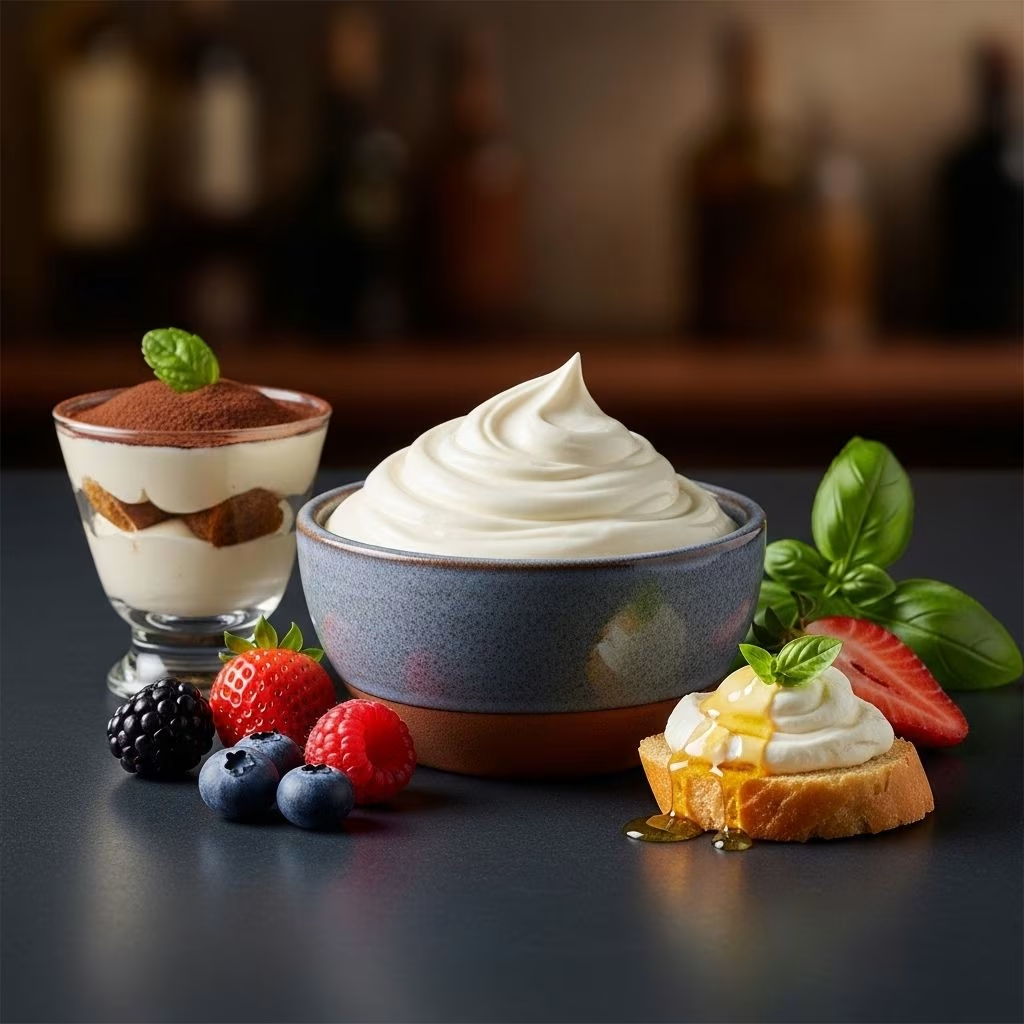
Mascarpone is a rich, creamy, and mildly sweet Italian cheese famous for its luxurious texture and versatility. Initially crafted in Lombardy, Italy, this cheese has become essential in both traditional desserts and innovative savory dishes worldwide. In this comprehensive guide, you will learn about mascarpone 2s origins, nutritional profile, health benefits, culinary uses, taste characteristics, storage tips, and how it compares to other popular cheeses such as cream cheese and ricotta.
Origin and History of Mascarpone
Mascarpone originates from the Lombardy region in Northern Italy, with roots tracing back to the late Renaissance era, particularly the 16th and 17th centuries. The name is believed to derive from the Lombard word mascarpa (quark)—though unlike quark, mascarpone is made from cream, not whey. It is now recognized as a prodotto agroalimentare tradizionale (PAT), a traditional Italian agri-food product, cementing its importance in Italy 2s rich dairy heritage.
What Is Mascarpone?
Mascarpone is a soft Italian cream cheese made from the cream of cow 2s milk using an acid-set process. Classified as a triple-cream cheese, it contains between 60% and 75% milk fat, giving it a distinctly rich, buttery, and velvety texture.
| Property | Description |
|---|---|
| Milk Source | Cow 2s milk cream |
| Fat Content | 60% to 75% (triple cream) |
| Texture | Soft, creamy, spreadable |
| Aging | Unaged; fresh cheese |
| Flavor | Mild, sweet, buttery, slightly tart |
| Color | Milky white to pale yellow |
| Shelf Life | 7 310 days once opened |
Mascarpone 2s production process avoids the use of rennet, instead relying on the coagulation of heated heavy cream with tartaric, citric, or lemon acid. This yields a cheese that is dense yet spreadable, making it distinct from firmer cheeses.
How Is Mascarpone Made?
The traditional preparation of mascarpone involves only two ingredients: heavy cream and an acidifying agent (tartaric, citric acid, or lemon juice). The steps are:
- Heat the heavy cream to approximately 85 390bC (185 394bF).
- Add an acid (such as lemon juice, tartaric, or citric acid) to coagulate the cream.
- Once thickened, cool the mixture and strain it with cheesecloth to remove excess whey.
- Refrigerate for at least 8 324 hours to achieve the final creamy consistency.
Key features:
- No fermentation or rennet is used, differentiating mascarpone from many other cheeses.
- The final product is fresh, not aged, ensuring delicate flavors and a silky texture.
Nutritional Profile and Health Benefits
Mascarpone is known for its high-fat content, but it also offers several nutritional advantages when consumed in moderation.
| Nutrient | Amount |
|---|---|
| Calories | 120 130 kcal |
| Total Fat | 12 14 g |
| Saturated Fat | 8 9 g |
| Cholesterol | 35 50 mg |
| Protein | 2 g |
| Carbohydrates | 1 g |
| Calcium | 4 5% Daily Value |
| Vitamin A | 8 10% Daily Value |
Potential health benefits of mascarpone (when enjoyed in appropriate portions) include:
- Good source of calcium: Supports bone health and strength.
- Rich in vitamin A: Essential for immune function, skin, and vision.
- Provides energy: The high-fat content offers a concentrated energy source, helpful in energy-rich diets.
- Contains probiotics (minimal): Since it is a fresh dairy product, it may offer trace beneficial bacteria if unpasteurized.
Given its fat content, mascarpone should be eaten in moderation within a balanced diet, especially for those managing cholesterol or calorie intake.
Taste and Texture
Mascarpone 2s appeal lies largely in its taste and mouthfeel:
- Taste: Mild, delicately sweet, and butterywith subtle acidic notes. There 2s no sharpness or tang, making it more mellow than cream cheese or ricotta.
- Texture: Exceptionally creamy, smooth, and easily spreadable. It melts in the mouth, creating a rich, velvety sensation that works equally well in desserts and savory dishes.
- Aroma and Color: A gentle fresh cream aroma and pale ivory to milky white hue.
Culinary Uses of Mascarpone
Mascarpone 2s versatility has made it a beloved choice for both sweet and savory recipes across continents. Its ability to enrich flavors and provide a creamy foundation allows it to star in a range of culinary contexts:
Sweet Applications
- Tiramisu: The main ingredient that gives this classic Italian dessert its velvety layers and luxurious taste.
- Cheesecakes: Used as a primary base or blended with other mild cheeses for a lighter, silkier texture.
- Cream-filled pastries and frostings: Cream puffs, cannoli, and icings often utilize mascarpone 2s smoothness.
- Fruit pairings: Dolloped over fresh berries or poached pears, sweetened mascarpone adds decadence.
Savory Applications
- Pasta sauces: Combines well with herbs and vegetables for rich, creamy pasta dishes.
- Risotto: Adds silkiness and depth, sometimes replacing butter or Parmesan.
- Spreads and dips: Blended with mustard, herbs, or anchovies for a flavorful bread topping or dip.
- Soups: Stirred in at the end to impart a smooth, luxurious finish.
- Pizza topping: Applied in dollops for an extra creamy bite, especially in Italian-inspired pizzas with prosciutto and mushrooms.
- Standalone: Enjoyed simply on bread, crackers, or toast, often lightly salted or sweetened.
Mascarpone vs. Other Cheeses
Though it shares similarities with cream cheese and ricotta, mascarpone maintains unique properties. Here is a direct comparison:
| Aspect | Mascarpone | Cream Cheese | Ricotta |
|---|---|---|---|
| Origin | Italy (Lombardy) | USA/UK | Italy |
| Main Ingredient | Cow’s milk cream | Cow 2s milk & cream | Cow 2s milk whey |
| Fat Content | High (60 75%) | Medium (~33%) | Low (10 15%) |
| Texture | Luxuriously soft, creamy | Denser, smooth, spreadable | Granular, lumpy, moist |
| Flavor | Mild, sweet, delicate | Tangy, slightly salty | Mild, slightly sweet |
| Main Use | Tiramisu, desserts, sauces | Bagels, spreads, cheesecakes | Lasagna, ricotta cakes, fillings |
| Production | Acid coagulation | Bacterial cultures | Whey heated, curdled |
- Mascarpone vs. Cream Cheese: Mascarpone is richer, sweeter, and less tangy due to a higher fat content and different production method. Cream cheese, popular in North America, is firmer and more suitable for bagels or baked cheesecakes.
- Mascarpone vs. Ricotta: Ricotta 2s grainier and lighter texture comes from being made from whey, not cream, and it contains significantly less fat and richness than mascarpone.
Storage and Handling Tips
Because mascarpone is a fresh cheese without preservatives or aging, proper storage is important:
- Keep refrigerated and sealed; store at 4bC (39bF) or below.
- Consume within 7 10 days after opening.
- Best served at room temperature for ideal texture and flavor. Remove from the fridge 30 minutes before serving.
- If it develops an off odor or mold, discard immediately.
Frequently Asked Questions (FAQs)
Q: What dishes is mascarpone most commonly used in?
A: Mascarpone is famously used in tiramisu and other desserts, but it 2s also popular in cheesecakes, pasta sauces, risottos, dips, and as a spread for bread and crackers.
Q: Is mascarpone the same as cream cheese?
A: No, mascarpone has a higher fat content, a smoother and creamier texture, and a milder flavor. Cream cheese is tangier, denser, and more common in the US and UK.
Q: Can mascarpone be substituted in recipes?
A: In many cases, yes. For desserts, a mix of cream cheese and heavy cream can mimic mascarpone, though the flavor and richness won 2t be exactly the same. Ricotta or whipped fresh cheese can also serve as an alternative depending on the dish.
Q: Is mascarpone healthy?
A: Mascarpone is high in fat and best enjoyed in moderation, but it provides calcium and vitamins A and D, making it a nutrient-dense ingredient when included as part of a balanced diet.
Q: How should mascarpone be stored?
A: Always store mascarpone in the refrigerator and use it within 7 10 days of opening for best quality. Do not freeze, as freezing ruins its texture.
Conclusion
Mascarpone is more than just a cheese; it 2s a culinary treasure of Italy that brings richness, creaminess, and subtle sweetness to an extraordinary range of dishes. Whether you crave the indulgence of a classic tiramisu or want to elevate your pasta sauce, mascarpone 2s unique texture and flavor are sure to delight any palate. Enjoy it often—but in moderation—for the ultimate Italian-inspired experience.
References
- https://www.reluctantgourmet.com/mascarpone-cheese/
- https://www.cheese.com/mascarpone/
- https://en.wikipedia.org/wiki/Mascarpone
- https://www.prb.co.id/en/news-detail/get-to-know-mascarpone-italian-cream-cheese
- https://www.britannica.com/topic/mascarpone
- https://www.wisconsincheese.com/about-cheese/mascarpone


