Introduction to Chronic Inflammation
Chronic inflammation is a major underlying factor in many modern diseases, from heart disease to diabetes, arthritis, and some cancers. Unlike the beneficial acute inflammation that helps the body heal after injury or infection, chronic inflammation persists at low levels and damages healthy tissue over time, increasing the risk of serious illnesses.
What is Inflammation?
Inflammation is the body’s immune response to injuries, toxins, pathogens, or other threats. While acute inflammation helps restore health, chronic inflammation is an ongoing internal process:
- Acute Inflammation: Short-term, noticeable symptoms (redness, swelling, pain).
- Chronic Inflammation: Subtle, long-term, often symptomless. Damages tissues and organs, raising disease risk.
The Science Behind Anti-Inflammatory Diets
Current research shows that food choices directly influence inflammation. Highly processed foods, trans fats, and added sugars trigger inflammatory pathways, while whole, nutrient-dense foods with antioxidants, fiber, and healthy fats help fight inflammation.
Health Risks Associated with Chronic Inflammation
- Cardiovascular disease
- Atherosclerosis, high blood pressure, and heart attacks can be linked to chronic inflammation.
- Type 2 diabetes
- Inflammation impairs insulin response and contributes to obesity.
- Arthritis
- Autoimmune or wear-and-tear inflammation damages joints.
- Cancer
- Inflammation can fuel tumor growth.
- Neurodegenerative diseases
- Dementia and Alzheimer’s are linked to inflammatory processes.
Principles of the Anti-Inflammatory Diet
The anti-inflammatory diet is designed to provide the nutrients your body needs to counteract chronic inflammation. Key principles include:
- Whole Foods Focus: Emphasize fresh, unprocessed foods rich in antioxidants and fiber.
- Healthy Fats: Prioritize omega-3 fatty acids, monounsaturated fats, and minimize saturated/trans fats.
- Balanced Meals: Combine quality protein, fiber-rich carbohydrates, and healthy fats in each meal.
- Micronutrient Density: Include a variety of vitamins and minerals by eating a rainbow of fruits and vegetables.
Anti-Inflammatory Foods to Eat
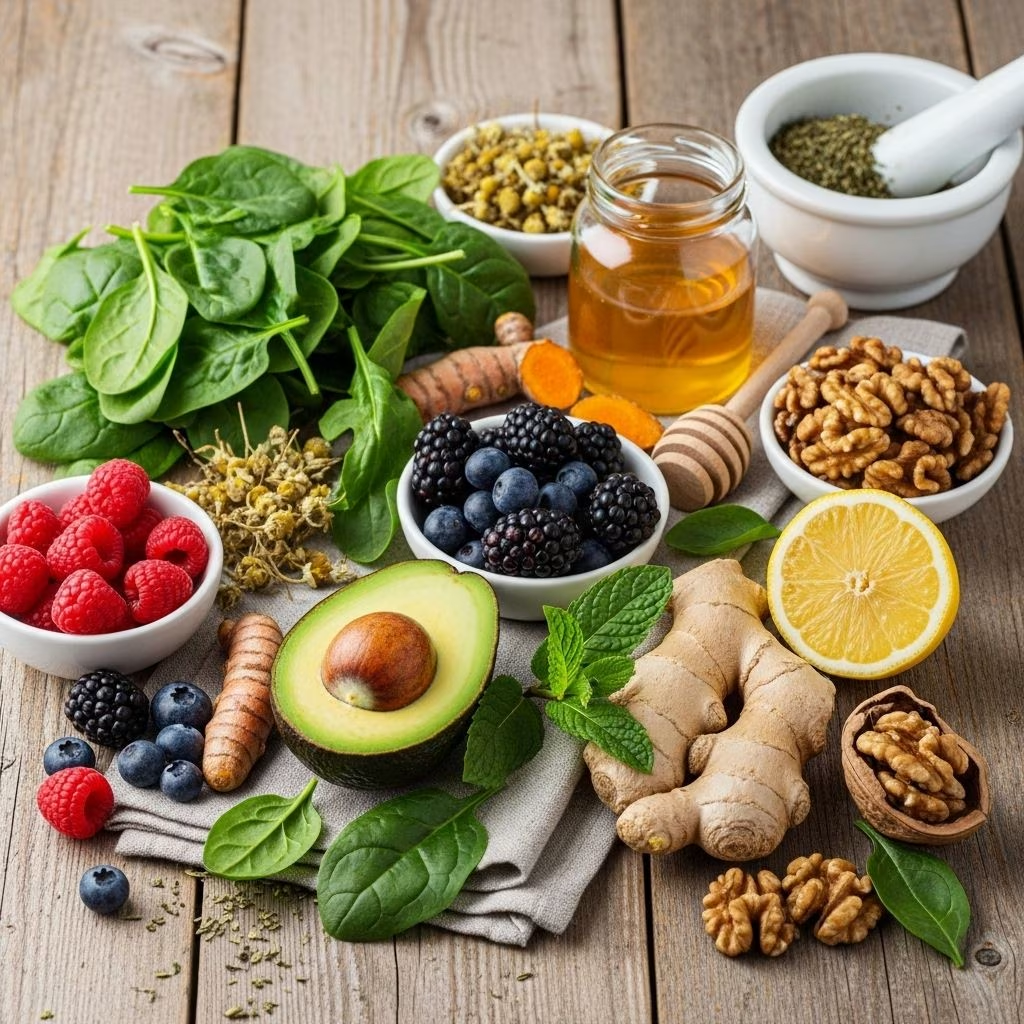
- Vegetables (especially cruciferous and dark leafy greens): broccoli, kale, Brussels sprouts, cabbage, spinach, Swiss chard, carrots.
- Colorful Fruits: blueberries, cherries, grapes, oranges, pomegranates, plums, apples.
- High-Fat Fruits: avocados and olives.
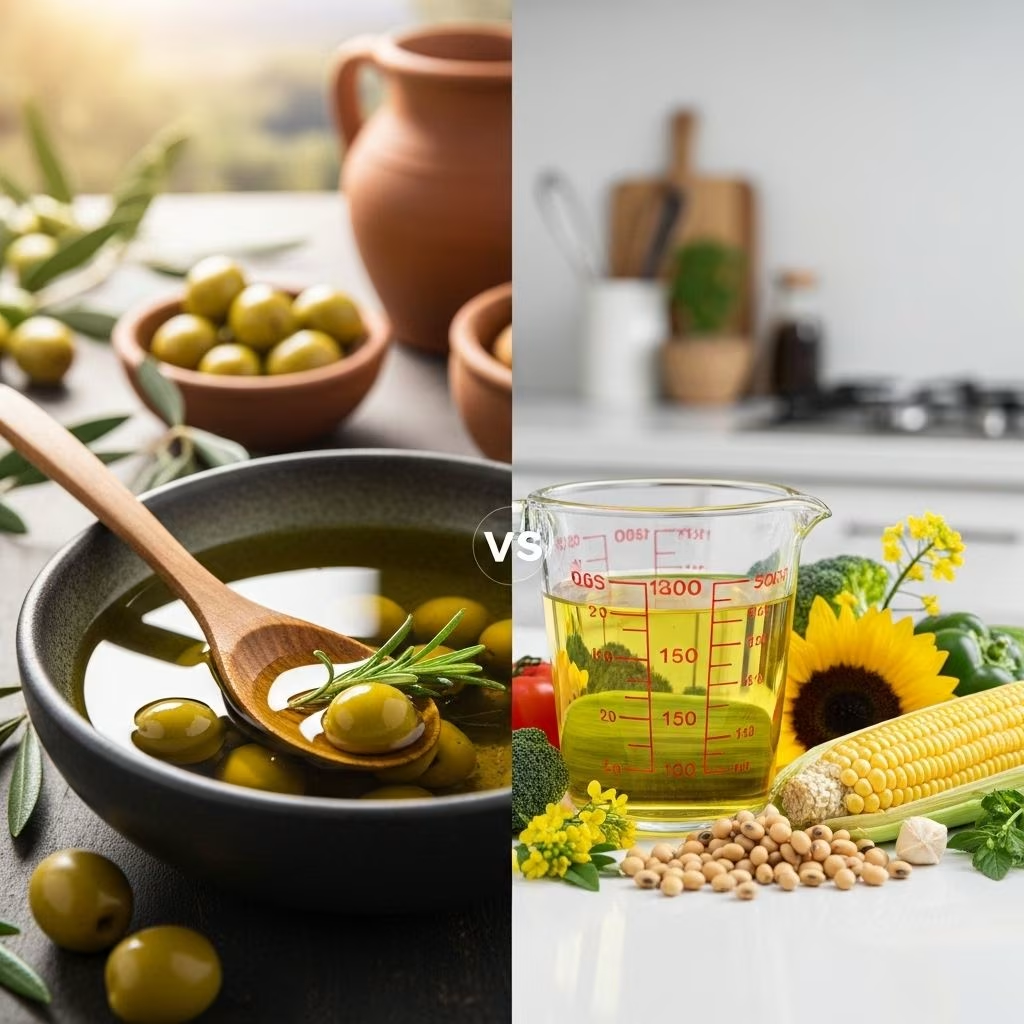
- Healthy Fats: extra-virgin olive oil, avocado oil, nuts (walnuts, almonds, pistachios, pine nuts), seeds (flaxseed, chia, pumpkin).
- Fatty Fish: salmon, sardines, mackerel, tuna, anchovies, herring—rich in omega-3s.
- Whole Grains: quinoa, oats, brown rice, millet, buckwheat, barley.
- Beans and Legumes: black beans, kidney beans, lentils, chickpeas, pinto beans.
- Herbs and Spices: turmeric, cinnamon, ginger, rosemary, garlic, paprika, cardamom.
- Healthy Beverages: water, green tea, herbal teas, coffee (moderation), red wine (moderation).
- Dark Chocolate: Contains anti-inflammatory polyphenols.
Sample Anti-Inflammatory Daily Menu
| Meal | Example |
|---|---|
| Breakfast | Oatmeal with blueberries, chopped walnuts, chia seeds, and a drizzle of extra-virgin olive oil |
| Lunch | Mixed green salad with cherry tomatoes, grilled salmon, avocado, and olive oil-lemon dressing |
| Snack | A handful of almonds and a cup of green tea |
| Dinner | Quinoa bowl with roasted sweet potatoes, broccoli, black beans, and turmeric-spiced chicken |
| Dessert | A square of dark chocolate and sliced oranges |
Foods to Avoid to Lower Inflammation
- Highly processed foods: Packaged snacks, fast food, frozen dinners.
- Added sugars: Soda, candy, baked goods with refined sugars.
- Saturated and trans fats: Margarine, fried foods, processed meats (bacon, sausage).
- Refined carbohydrates: White bread, pasta, pastries.
- Excess alcohol: More than recommended moderate amounts can worsen inflammation.
- Artificial additives: Artificial sweeteners, preservatives, colorings.
Natural Remedies to Complement Diet
An anti-inflammatory lifestyle goes beyond diet. The following natural remedies can enhance your body’s ability to heal and minimize chronic inflammation:
- Exercise Regularly: Moderate aerobic exercise (walking, cycling, swimming) lowers markers of inflammation and benefits overall well-being.
- Sleep Hygiene: Sustained poor sleep promotes inflammatory processes. Aim for 7-8 hours nightly.
- Stress Management: Chronic stress drives up inflammation. Incorporate mindfulness, meditation, and relaxation practices.
- Reduce Environmental Toxins: Limit exposure to pollutants, tobacco smoke, and excess alcohol.
- Support Gut Health: Eat fermented foods (yogurt, kefir, sauerkraut) and get adequate fiber to support beneficial gut bacteria.
- Herbal Supplements: Scientific support for turmeric (curcumin), ginger, omega-3 fish oil, green tea extract.
Specific Diets with Anti-Inflammatory Benefits
- Mediterranean Diet: Rich in whole grains, vegetables, olive oil, nuts, legumes, fish, moderate wine. Proven to lower inflammatory markers IL-17A and IL-6.
- Vegetarian Diets: Linked to reduced inflammation due to high consumption of plant foods and fiber.
- Low-Carb Diets: May help reduce inflammation and improve metabolic outcomes for individuals with obesity.
Step-by-Step: Building an Anti-Inflammatory Lifestyle
- Set Clear Health Goals: Weight loss, blood pressure management, energy, or relief from pain.
- Stock Your Kitchen: Prepare with fresh produce, whole grains, nuts, seeds, herbs, and healthy oils.
- Plan Balanced Meals: Map out colorful, nutrient-dense meals and snacks for the week.
- Keep a Food Journal: Track what you eat, how you feel, and changes in symptoms.
- Prioritize Movement: Incorporate physical activity you enjoy into daily routines.
- Get Support: Seek guidance from registered dietitians, health coaches, or supportive communities.
Frequently Asked Questions (FAQs)
Q: How quickly can I expect results from an anti-inflammatory diet?
A: Many people notice improved energy, better digestion, and reduced joint pain within a few weeks. However, lasting effects on chronic diseases or significant lab marker changes may take several months.
Q: Is the anti-inflammatory diet safe for everyone?
A: Yes, it is generally safe and beneficial. If you have allergies, medical conditions, or take medications, consult your healthcare provider before making major changes.
Q: Can supplements replace a healthy anti-inflammatory diet?
A: Supplements might help in certain cases (e.g., turmeric, omega-3s), but real, whole foods provide a broader spectrum of nutrients and health benefits.
Q: Are there specific foods recommended for arthritis and joint pain?
A: Fatty fish, nuts, olive oil, berries, green tea, and turmeric are particularly beneficial for joint health and pain relief.
Q: Should I avoid all fats to lower inflammation?
A: No. Healthy fats from nuts, seeds, olive oil, and fish are anti-inflammatory. Only reduce trans fats and excess saturated animal fats.
References to Key Anti-Inflammatory Foods (Summary Table)
| Food Group | Key Examples | Main Anti-Inflammatory Nutrients |
|---|---|---|
| Vegetables | Broccoli, kale, carrots, spinach, cabbage, sweet peppers, tomatoes | Vitamins A, C, E; polyphenols; fiber; minerals |
| Fruits | Blueberries, cherries, oranges, apples, pomegranates, grapes, plums | Antioxidants, vitamin C, fiber, flavonoids |
| Healthy Fats | Olive oil, avocado, nuts, seeds | Omega-3s, monounsaturated fats, vitamin E |
| Fatty Fish | Salmon, sardines, mackerel, herring, tuna | High omega-3 content |
| Whole Grains & Legumes | Quinoa, oats, beans, lentils, brown rice | Fiber, minerals, resistant starch |
| Herbs & Spices | Turmeric, ginger, cinnamon, garlic, rosemary | Bioactive compounds (curcumin, gingerol, cinnamaldehyde) |
Tips for Maximizing Anti-Inflammatory Benefits
- Eat seasonally and locally: Choose the freshest produce for best nutrient density.
- Cook lightly: Steaming, roasting, and grilling help preserve nutrients and maximize flavor.
- Stay hydrated: Drink plenty of water, herbal teas, and limit sugary beverages.
- Experiment: Try new herbs, spices, and unusual fruits or vegetables for variety and enjoyment.
- Listen to your body: Adjust as needed for energy, digestion, and how you feel overall.
Conclusion: Achieving Lasting Health Through Anti-Inflammatory Living
Adopting an anti-inflammatory diet and integrating natural remedies can dramatically reduce chronic inflammation, relieve pain, prevent disease, and promote resilience. By making sustainable changes—focusing on whole foods, positive lifestyle habits, and proven natural solutions—you empower your body to protect itself against harmful inflammation and support vibrant, lifelong health.
References
- https://www.health.harvard.edu/staying-healthy/foods-that-fight-inflammation
- https://www.healthline.com/nutrition/anti-inflammatory-diet-101
- https://www.health.harvard.edu/staying-healthy/quick-start-guide-to-an-antiinflammation-diet
- https://www.arthritis.org/health-wellness/healthy-living/nutrition/anti-inflammatory/anti-inflammatory-diet
- https://www.mayoclinichealthsystem.org/hometown-health/speaking-of-health/want-to-ease-chronic-inflammation
- https://www.va.gov/WHOLEHEALTHLIBRARY/tools/Eating_to_Reduce_Inflammation.asp
- https://www.fammed.wisc.edu/files/webfm-uploads/documents/outreach/im/handout_ai_diet_patient.pdf
- https://www.rupahealth.com/post/the-21-day-anti-inflammatory-diet-your-complete-guide