When cold and flu season arrives, many people seek natural alternatives to conventional medications for symptom relief. While there’s no cure for the common cold or influenza, numerous natural remedies can help alleviate discomfort, reduce symptom duration, and support your body’s immune response. Understanding which remedies have scientific backing and how to use them safely can make a significant difference in your recovery experience.
The appeal of natural remedies lies in their accessibility, generally mild side effects, and the comfort they provide. From kitchen staples like honey and ginger to herbal supplements like echinacea and elderberry, these treatments have been used for generations. Modern research continues to evaluate their effectiveness, providing insights into which remedies offer genuine benefits and which may be more myth than medicine.
Time-Tested Home Remedies for Immediate Relief
The foundation of natural cold and flu treatment begins with simple home remedies that provide immediate comfort and support recovery. These approaches work by addressing specific symptoms while helping your body heal naturally.
Hydration stands as the cornerstone of cold and flu recovery. Drinking plenty of fluids—including water, herbal teas, and clear broths—keeps your throat moist, helps loosen mucus, and prevents dehydration that can worsen symptoms. While staying hydrated, it’s important to avoid caffeine and alcohol, as these substances can have dehydrating effects that counteract your recovery efforts.
Rest represents your immune system’s most powerful ally. Giving your body adequate time to recover allows your immune defenses to fight the infection more effectively. During illness, your body requires additional energy to combat pathogens, making quality sleep and reduced activity essential components of the healing process.
Steam inhalation offers significant relief for nasal congestion. This simple technique involves filling a bowl with hot water, covering your head with a towel, and breathing in the warm, moist air. Alternatively, using a vaporizer provides a safer, more controlled method of inhaling steam. Adding eucalyptus oil to the water may enhance the decongestant effects and provide additional respiratory benefits.
Kitchen Cabinet Remedies with Healing Properties
Your kitchen likely contains several powerful natural remedies that can significantly ease cold and flu symptoms. These common ingredients offer therapeutic benefits backed by both traditional use and modern scientific research.
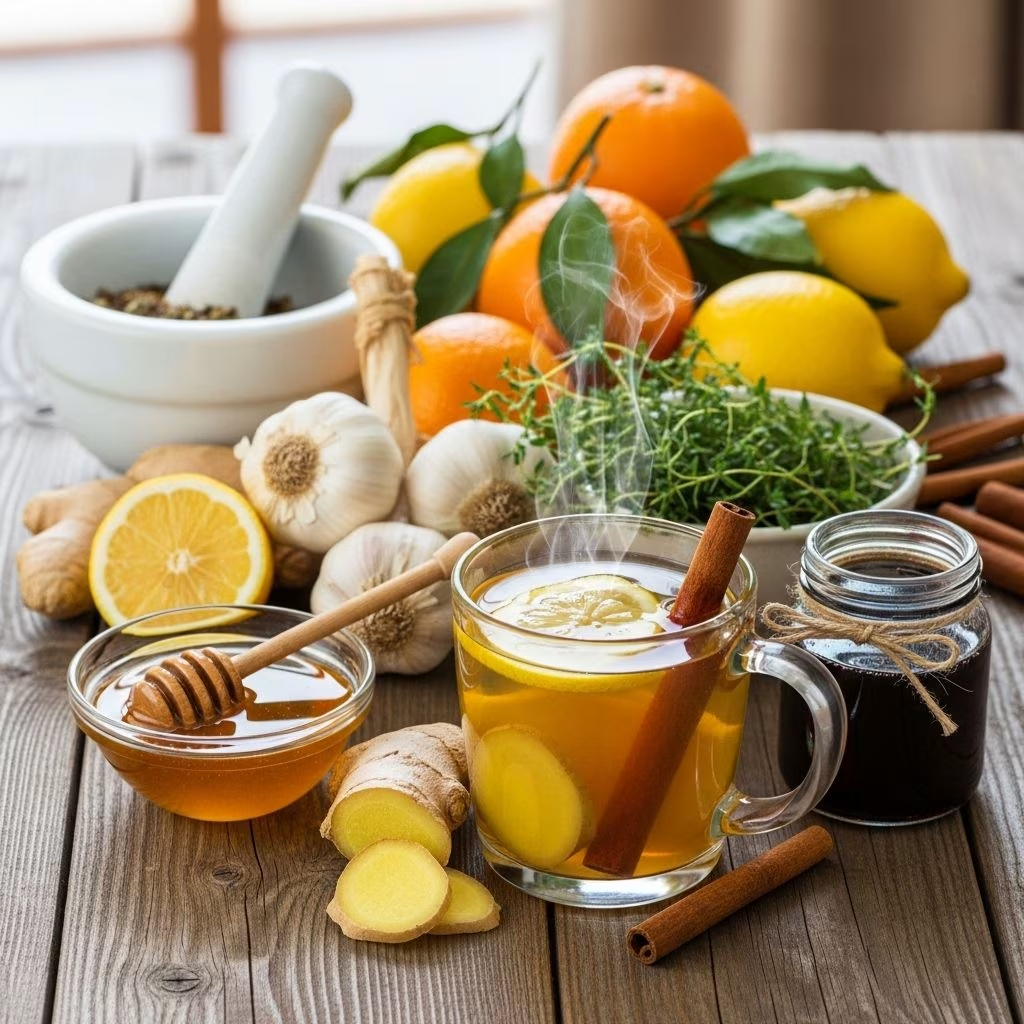
Honey emerges as one of nature’s most effective remedies for respiratory symptoms. This natural sweetener contains antimicrobial and anti-inflammatory properties that soothe sore throats, suppress coughs, and may help fight infections. Mixing honey with warm tea and lemon creates a comforting beverage that provides vitamin C alongside honey’s healing properties. However, parents should never give honey to children under one year old due to the risk of botulism.
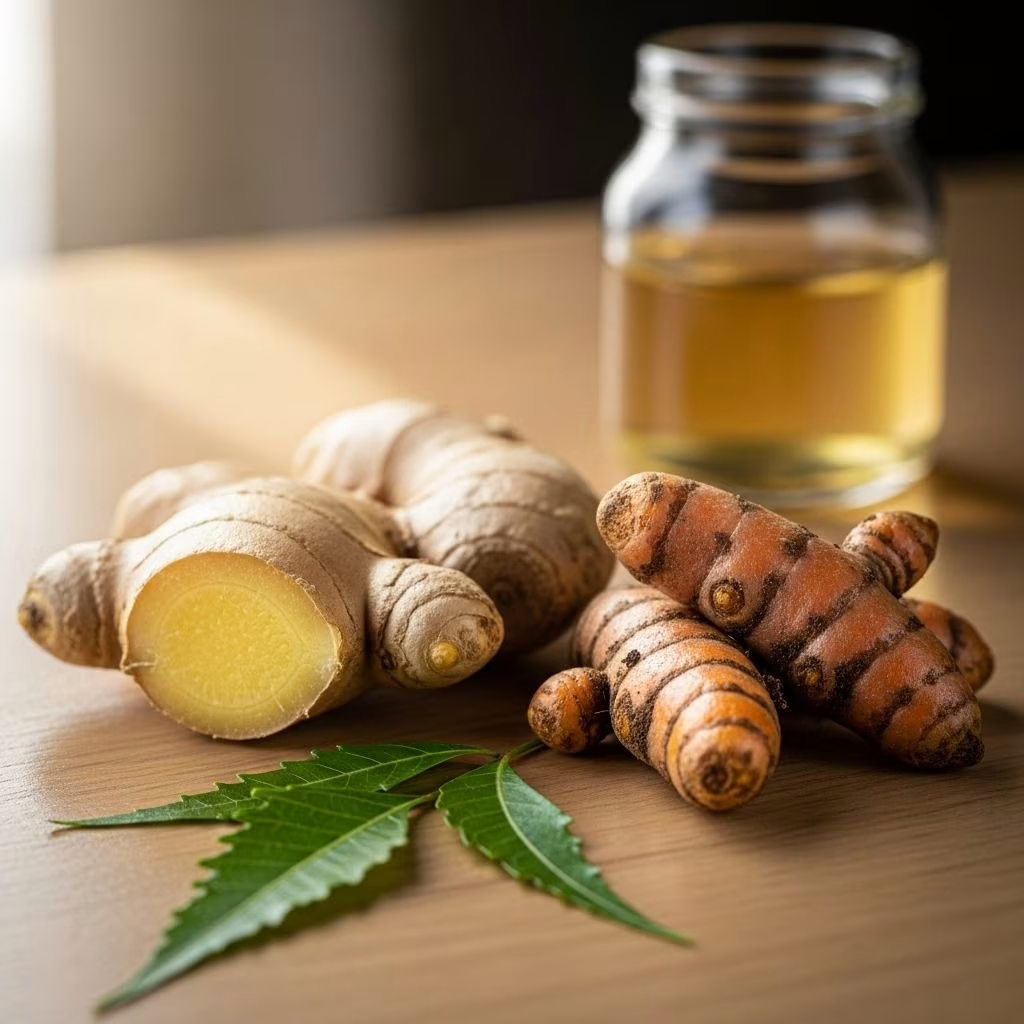
Ginger tea provides powerful anti-inflammatory benefits. This aromatic root has been used medicinally for centuries, and modern research supports its effectiveness in relieving sore throats and reducing inflammation. Preparing ginger tea is simple: boil fresh ginger slices in water for several minutes, then add honey for additional therapeutic benefits and improved taste.
Chicken soup represents more than comfort food. This traditional remedy provides warmth and hydration that soothe the throat and loosen congestion. The nutrients from broth, vegetables, and protein support immune function and promote recovery. The combination of easily digestible nutrients, hydration, and warmth makes chicken soup an ideal food during illness.
Garlic contains allicin, a compound with antimicrobial and potentially antiviral properties. Adding garlic to your diet might reduce the severity of cold symptoms and possibly help prevent illness altogether. While more research is needed to fully understand garlic’s cold-fighting benefits, incorporating it into meals during illness poses minimal risk and may offer protective advantages.
Saltwater gargles provide simple yet effective throat relief. Mixing half a teaspoon of salt in a cup of warm water creates a solution that reduces throat discomfort and swelling when gargled several times daily. This remedy works by reducing inflammation and temporarily removing irritants from the throat’s surface.
Vitamins and Minerals for Immune Support
Certain vitamins and minerals play crucial roles in immune function and may influence both the prevention and course of cold and flu infections. Understanding how to use these supplements effectively can enhance your body’s natural defenses.
Vitamin C has long been associated with cold prevention and treatment. While it doesn’t appear to prevent colds in most people, some studies suggest vitamin C can shorten a cold’s duration by approximately one day. Good dietary sources include citrus fruits, red peppers, and green leafy vegetables like broccoli. Adding fresh lemon juice to hot tea with honey may help reduce phlegm and provide symptom relief. Although vitamin C in the diet or as supplements is unlikely to prevent a cold, evidence suggests it may improve symptoms and slightly reduce illness duration.
Zinc represents one of the most promising minerals for cold treatment. Taking zinc as a syrup or lozenge during the first few days of a cold may shorten symptom duration, according to a review of 15 studies. Zinc is considered your best option for fighting off a cold, as it can reduce both severity and duration of symptoms. The mineral is available in lozenges or from natural sources like nuts, seeds, and meat. However, zinc can cause nausea, which may be alleviated by taking it with food and limiting the dose to under 20 mg daily.
Herbal Supplements with Therapeutic Potential
The use of herbal supplements for cold and flu relief has grown significantly, with many people turning to these products as alternatives or complements to conventional medicine. Scientific evidence varies for different herbs, with some showing promising results while others remain less conclusive.
Echinacea has been used by Native Americans for medicinal purposes for centuries. The herb and root contain active ingredients including flavonoids, chemicals with therapeutic effects such as immune system boosting and inflammation reduction. Evidence indicates echinacea may help prevent a cold but is unlikely to shorten its duration. Some studies showed modest benefits, including a 10% to 30% reduction in cold symptom length and severity, though other research found no effect. A 2020 study suggests that taking echinacea may help treat common cold symptoms in children.
Elderberry extract has gained attention for its potential flu-fighting properties. Packed with natural vitamin C, dietary fiber, and antioxidant vitamins and minerals, elderberries rank among the most common medicinal plants used worldwide. One small study found that taking a specific formulation of elderberry extract—four tablespoons daily for three days—cut the number of symptom days in half for flu patients. Elderberry is thought to help with both wet and dry coughs and can be found in syrups, tinctures, supplements, and cough drops.
Ginseng may boost immune function and help prevent or treat cold and flu. Research suggests that a particular formulation of North American ginseng, when taken for several months during flu season, both lowers the risk of catching cold or flu and lessens symptom severity. Another species, Asian ginseng, may increase the protection offered by flu vaccines.
Andrographis, also called “Indian echinacea,” shows promise for symptom improvement. Studies of this herb demonstrate that it appears to improve cold symptoms significantly, particularly when started within three days of symptom onset. This traditional remedy has gained scientific attention for its immune-modulating properties.
Safety Considerations and When to Seek Medical Help
While natural remedies generally appear safe when taken in normal doses by healthy adults for short periods, proper precautions remain essential. Experts emphasize the importance of consulting with your doctor before taking any herb, supplement, or vitamin, especially if you’re pregnant, have a medical condition, or take medicines or other supplements that could interact.
Special considerations apply to children and pregnant women. Check with your pediatrician before giving alternative supplements to children, as most haven’t been studied in young populations, leaving questions about their effectiveness and safety unanswered. Similarly, pregnant women should exercise caution and seek medical guidance before using herbal remedies.
Recognizing when to seek medical attention is crucial. If symptoms don’t improve or you experience trouble breathing, rapid heartbeat, faintness, or any severe symptoms, it’s time to seek medical help. Cold and flu complications can develop quickly, particularly in vulnerable populations including young children, elderly individuals, and those with compromised immune systems or chronic health conditions.
Understanding medication interactions prevents potential complications. Natural doesn’t always mean safe, particularly when combining herbal supplements with prescription medications. Some herbs can interfere with blood thinners, blood pressure medications, and other pharmaceutical treatments, making professional guidance essential before beginning any supplement regimen.
Optimizing Your Recovery Environment
Creating an environment that supports healing enhances the effectiveness of natural remedies and promotes faster recovery. Simple adjustments to your surroundings can significantly impact symptom severity and comfort levels during illness.
Humidity levels play a critical role in respiratory comfort. Dry air can irritate nasal passages and throat tissues, worsening congestion and discomfort. Using a humidifier adds moisture to the air, helping to ease breathing and reduce irritation. Maintaining indoor humidity between 30% and 50% creates optimal conditions for respiratory healing.
Essential oils and topical ointments offer additional symptom relief options. Menthol-based ointments applied to the chest can provide a cooling sensation that eases breathing difficulties. Essential oils like eucalyptus, peppermint, and tea tree oil, when properly diluted and used, may offer decongestant and antimicrobial benefits. However, these should be used cautiously, particularly around children and pets.
Warm baths provide multiple therapeutic benefits. Soaking in warm water helps relax tense muscles, reduces body aches, and provides the added benefit of steam inhalation. Adding Epsom salts may enhance muscle relaxation, while the quiet time promotes rest and stress reduction.
Preventive Measures to Strengthen Immunity
While treating cold and flu symptoms remains important, prevention through immune system support offers the best long-term strategy. Building robust immune defenses reduces susceptibility to infections and may lessen symptom severity when illness does occur.
Nutritional support forms the foundation of immune health. A diet rich in fruits, vegetables, whole grains, and lean proteins provides the vitamins, minerals, and antioxidants your immune system needs to function optimally. Citrus fruits, berries, and leafy greens offer particularly high levels of immune-supporting nutrients.
Probiotics may enhance immune function and reduce infection risk. These beneficial bacteria support gut health, which plays a crucial role in immune system regulation. Consuming probiotic-rich foods like yogurt, kefir, and fermented vegetables, or taking probiotic supplements, may help maintain immune defenses.
Regular physical activity strengthens immune responses. Moderate exercise improves circulation, reduces stress, and supports overall health, all of which contribute to better immune function. However, during active illness, rest takes priority over exercise.
Stress management supports immune health. Chronic stress weakens immune defenses, making you more susceptible to infections. Incorporating stress-reduction techniques such as meditation, deep breathing, or gentle yoga into your routine helps maintain immune resilience.
Understanding the Science Behind Natural Remedies
The effectiveness of natural remedies varies, with some showing strong scientific support while others rest primarily on traditional use. Understanding the current state of research helps you make informed decisions about which treatments to incorporate into your cold and flu care routine.
Research methodology affects study outcomes. The mixed results for many natural remedies often stem from variations in study design, dosing, formulations, and the specific products tested. For example, different varieties of echinacea or formulations of zinc may produce different results, explaining why some studies show benefits while others don’t.
Individual responses to natural remedies vary significantly. What works effectively for one person may provide minimal benefit to another, reflecting differences in individual biochemistry, immune function, and the specific viral strain causing illness. This variability makes personal experimentation, under appropriate guidance, a valuable approach to finding effective remedies.
Timing influences remedy effectiveness. Many natural treatments work best when started early in the illness, particularly within the first 24 to 48 hours of symptom onset. Starting remedies like zinc lozenges or andrographis during this critical window may significantly impact symptom duration and severity.
Creating Your Natural Cold and Flu Care Plan
Developing a personalized approach to natural cold and flu care ensures you’re prepared when illness strikes. Having remedies on hand and understanding how to use them effectively reduces stress and promotes faster implementation of symptom relief strategies.
Stock a natural remedy kit with essential items. Keep honey, ginger, garlic, herbal teas, vitamin C, zinc lozenges, and elderberry syrup readily available. Having these items on hand eliminates the need to shop while feeling unwell and enables immediate treatment when symptoms begin.
Understand proper dosing and frequency for different remedies. Research appropriate doses for supplements and herbs, keeping in mind that more isn’t always better. Many remedies work best at specific doses taken at regular intervals throughout the day.
Combine complementary remedies for enhanced benefits. Using multiple approaches simultaneously—such as staying hydrated, getting adequate rest, taking vitamin C, and using steam inhalation—creates a comprehensive treatment strategy that addresses symptoms from multiple angles.
Track your response to different remedies. Keeping notes about which natural treatments provide the most relief helps you refine your approach for future illnesses. This personal data becomes invaluable for developing your most effective cold and flu care routine.
Frequently Asked Questions
Q: Can natural remedies prevent colds and flu entirely?
A: While natural remedies like vitamin C, echinacea, and garlic may reduce your risk of catching a cold or flu, they cannot guarantee complete prevention. The most effective prevention strategies include frequent handwashing, avoiding sick individuals, adequate sleep, stress management, and annual flu vaccination.
Q: How quickly should I expect natural remedies to work?
A: Most natural remedies provide symptom relief within hours to days, though they typically don’t work as rapidly as pharmaceutical medications. Remedies like honey for cough relief or steam inhalation for congestion may provide immediate comfort, while supplements like vitamin C or zinc work over several days to potentially shorten illness duration.
Q: Can I safely combine natural remedies with over-the-counter medications?
A: Many natural remedies can be safely combined with over-the-counter medications, but it’s essential to consult with a healthcare provider or pharmacist first. Some combinations may cause interactions or duplicate ingredients, leading to excessive dosing of certain compounds.
Q: Are natural remedies safe for children?
A: Some natural remedies are safe for children, but many haven’t been adequately studied in pediatric populations. Never give honey to infants under one year old due to botulism risk. Always consult your pediatrician before giving any herbal supplements or alternative treatments to children.
Q: What’s the difference between treating a cold versus the flu with natural remedies?
A: While many natural remedies work for both conditions, the flu typically produces more severe symptoms that may require medical attention. Elderberry has shown particular promise for flu symptoms, while many other remedies like vitamin C, zinc, and echinacea may benefit both conditions. If you have high fever, severe body aches, or difficulty breathing, seek medical care regardless of the natural remedies you’re using.
Q: How do I know which herbal supplement brand to trust?
A: Look for supplements that have been third-party tested for quality and purity, with certifications from organizations like USP, NSF International, or ConsumerLab. Choose reputable brands that clearly list ingredients, dosages, and manufacturing practices. Your healthcare provider or pharmacist can also recommend trusted brands.
References
- https://www.webmd.com/cold-and-flu/14-tips-prevent-colds-flu-1
- https://www.piedmont.org/living-real-change/9-natural-cold-and-flu-remedies
- https://www.mayoclinic.org/diseases-conditions/common-cold/in-depth/cold-remedies/art-20046403
- https://www.elliothospital.org/about-us/newsroom/news/cold-and-flu-home-remedies-natural-treatments-and-when-seek-help-virtualer
- https://www.healthline.com/health/cold-flu/home-remedies
- https://www.nccih.nih.gov/health/tips/tips-natural-products-for-the-flu-and-colds-what-does-the-science-say
- https://www.healthychildren.org/English/health-issues/conditions/chest-lungs/Pages/caring-for-kids-with-colds-and-flu-simple-remedies-that-help.aspx
- https://intermountainhealthcare.org/blogs/natural-relief-home-remedies-for-your-cold
- https://medlineplus.gov/ency/patientinstructions/000466.htm
- https://healthy.kaiserpermanente.org/maryland-virginia-washington-dc/health-wellness/healtharticle.6-natural-cold-remedies-try-this-winter