


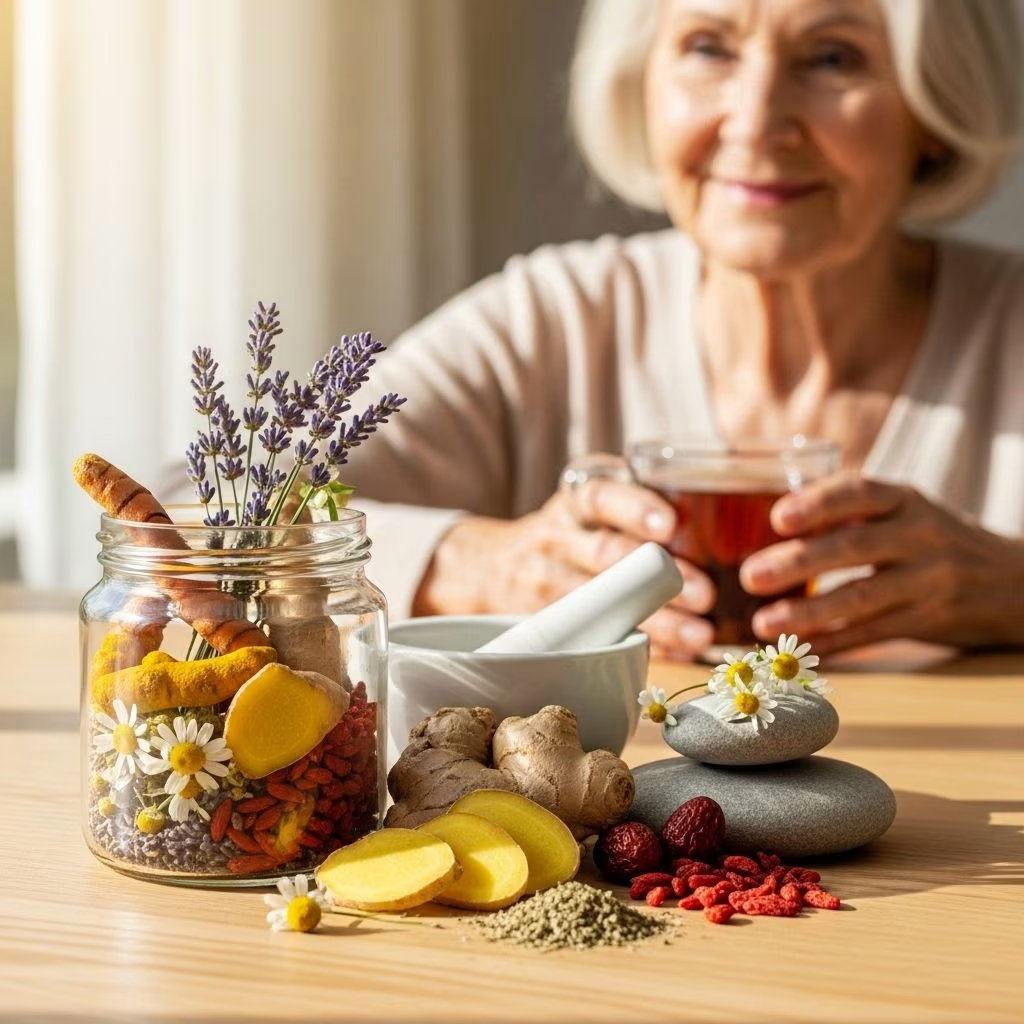
Natural Remedies for Senior Health: Enhancing Wellness in Aging
Aging brings a variety of health challenges, but the right combination of natural remedies—from traditional herbs to holistic lifestyle practices—can help seniors maintain vitality, manage age-related conditions, and improve overall quality of life. This comprehensive guide covers the most effective remedies, essential practices, and practical tips for seniors seeking to boost their well-being, naturally and safely.
The Appeal of Natural Remedies for Seniors
Many older adults are embracing natural and herbal options as complementary or alternative paths for managing their health concerns. The widespread appeal of these remedies comes down to several key advantages:
- Minimal Side Effects: Compared to many pharmaceutical drugs, natural remedies—especially those derived from plants—tend to cause fewer adverse reactions. This is particularly valuable for seniors with multiple prescriptions or heightened medication sensitivity.
- Holistic Care: Natural approaches often emphasize treating the underlying causes of ailments as well as the symptoms, promoting long-term, whole-body wellness.
- Accessibility and Affordability: Many herbal remedies are affordable, widely available, and do not require prescriptions, making them ideal for seniors managing healthcare on a fixed income.
Popular Natural Remedies and Their Benefits
Certain herbs, supplements, and lifestyle strategies are especially beneficial for seniors. These remedies have been used for centuries and are supported by both tradition and modern research.
1. Aloe Vera: Nourishing and Healing Skin
Aloe vera is renowned for its soothing, moisturizing, and healing properties, especially for aging skin:
- Soothes irritation, dryness, and itchiness
- Promotes faster healing of minor cuts, burns, and abrasions
- Supports skin regeneration and reduces infection risk
Apply pure aloe vera gel to affected areas as needed for calming relief.
2. Garlic: Supporting Heart and Immune Health
Garlic is a powerhouse herb, both in the kitchen and for health:
- Boosts immune system and may help ward off colds and infections
- Supports healthy blood pressure and cholesterol levels
- Promotes heart health and circulatory function
Include fresh or cooked garlic in meals for the best results.
3. Ginger: Aiding Digestion and Reducing Inflammation
Ginger has a venerable history as a digestive and anti-inflammatory aid:
- Relieves nausea, bloating, indigestion, and mild stomach discomfort
- Reduces pain and inflammation associated with arthritis
- Offers relief from motion sickness
Enjoy ginger in teas, soups, or as a supplement.
4. Dandelion: The Unsung Super Herb
The humble dandelion is packed with vitamins (A, B6, C, K) and minerals (iron, calcium, magnesium, potassium):
- Improves bone health and protects against osteoporosis
- Detoxifies the liver and supports digestion
- Helps control blood sugar and may reduce urinary problems
- Promotes healthy skin
Dandelion greens can be added to salads for a natural health boost.
5. Turmeric: Combating Inflammation and Supporting Joints
Turmeric is a well-known anti-inflammatory herb, thanks to its active compound curcumin:
- Eases arthritis pain and joint stiffness
- May protect against certain chronic diseases
- Traditionally used to address bronchitis and support metabolism
Add turmeric to curries or take it as a supplement, ideally with black pepper to enhance absorption.
6. Cinnamon: Stable Blood Sugar and Brain Protection
Cinnamon is more than a spice; it offers notable health benefits:
- Demonstrated ability to help lower blood sugar levels
- Anti-inflammatory and rich in antioxidants
- Protects brain cells and may help defend against cognitive decline
Sprinkle cinnamon on oatmeal, yogurt, or stews for subtle flavor and health support.
7. Oregano: Antioxidant and Immune Defense
Oregano, commonly used in cooking, offers:
- Exceptional antioxidant activity—much higher than many fruits
- Promotes immune system strength due to antibacterial and antifungal properties
- Enhances flavor without added salt
Use fresh or dried oregano liberally in meals.
8. Basil: More than a Culinary Herb
Basil not only brightens dishes but also:
- Helps with arthritis pain
- Has potential anti-cancer properties
Add basil to salads, sauces, or as a garnish for a burst of flavor and wellness.
9. Rosemary: Memory, Concentration, and Stress Relief
Rosemary is celebrated for its aromatic flavor and supposed health benefits:
- Antibacterial, antifungal, and antiviral properties support strong immunity
- May improve memory and concentration
- Contains antioxidants that could protect against cellular aging
- Assists in stress relief, which is valuable for mental health
Try rosemary with roasted vegetables or as a seasoning for meat.
10. Cumin: Digestive and Iron Support
Cumin provides both flavor and health support:
- Excellent source of dietary iron, vital for preventing anemia
- Improves digestion and may relieve symptoms of IBS (Irritable Bowel Syndrome)
- Contains antioxidant compounds to reduce cell damage
Lifestyle-Based Natural Approaches for Seniors
Beyond herbs and supplements, many lifestyle adjustments are considered natural remedies by holistic health advocates:
- Nutrition: Favor a balanced diet rich in fruits, vegetables, whole grains, lean proteins, and healthy fats.
- Hydration: Drink plenty of water and limit caffeine and sugary beverages.
- Regular Exercise: Aim for a mix of cardio, strength, and flexibility-focused activities most days of the week.
- Quality Sleep: Set a consistent sleep schedule and create a restful sleeping environment.
- Stress Management: Practices like meditation, gentle yoga, mindful breathing, and spending time in nature help reduce stress and promote mental clarity.
The Holistic Health Approach
Holistic healthcare integrates natural remedies with conventional medicine to treat the whole person—mind, body, and spirit. For seniors, this approach can offer:
- Improved overall health and well-being
- Personalized care considering lifestyle and preferences
- Focus on prevention, not just treating illness
- Emotional support and improved quality of life
Safety, Quality, and Consulting Healthcare Professionals
Despite their potential, natural remedies are not universally safe or suitable for all seniors. Some herbs and supplements can interact with prescription medications or exacerbate certain health conditions. It is essential to:
- Discuss all supplements and natural remedies with a doctor or pharmacist before starting them.
- Purchase products from reputable sources to ensure purity and quality.
- Pay attention to your body’s responses and report any side effects.
Table: Common Natural Remedies and Their Key Benefits
| Remedy/Herb | Main Benefits | Common Usage |
|---|---|---|
| Aloe Vera | Soothes skin, speeds wound healing | Topical gel, lotions |
| Garlic | Immune/heart health | Raw/cooked in meals, capsules |
| Ginger | Digestive health, anti-nausea | Teas, fresh grated, supplements |
| Turmeric | Anti-inflammatory, joint support | Powder in food, capsules |
| Cinnamon | Blood sugar control, antioxidant | Spice in food/beverages |
| Basil | Anti-arthritis, potential cancer prevention | Fresh herb, supplements |
| Dandelion | Bone/liver health, skin health | Greens in salads/tea |
| Rosemary | Antibacterial, cognitive support | Spice, herbal teas |
| Cumin | Iron supplement, digestive aid | Ground in meals, whole seeds |
| Oregano | Antioxidant, anti-microbial | Fresh/dried in meals |
Tips for Seniors Using Natural Remedies
- Always inform your healthcare provider about any herbs or supplements you’re considering.
- Start with small doses to monitor for any reactions.
- Use single-ingredient supplements to better track effects and avoid unwanted combinations.
- Read labels for recommended dosage and possible warnings.
- Opt for high-quality, standardized products from reputable sources.
Frequently Asked Questions (FAQs)
Are natural remedies safe for seniors?
Many natural remedies are safe when used appropriately, but seniors should always consult their healthcare provider before trying new herbs or supplements, as some can interact with medications or health conditions.
What conditions can natural remedies help manage for older adults?
Natural remedies can support the management of arthritis, digestive problems, skin conditions, mild immune challenges, mild cognitive or memory concerns, minor wounds, and general inflammation. They can also contribute to stress management and overall wellness.
Can seniors use essential oils or aromatherapy?
Yes. Aromatherapy—using oils like lavender or rosemary—can help with sleep issues, pain management, and stress. However, seniors should use pure oils sparingly and avoid ingesting them without professional guidance.
Should seniors avoid any specific herbs?
Some herbs can be harmful or interact with medications, including St. John’s wort, kava, or comfrey. Always discuss any new supplement or herb with a doctor before use.
How can seniors ensure quality and safety of herbal supplements?
Buy from reputable companies, look for third-party quality seals, and avoid products with unknown ingredients or exaggerated health claims.
Conclusion
Embracing natural remedies—from time-tested herbs and spices to healthy lifestyle practices—enables seniors to take proactive steps to enhance their health and happiness. With proper guidance and a personalized approach, these gentle yet effective solutions can be a safe and effective part of healthy aging.
References
- https://www.seniorlifestyle.com/resources/blog/natural-herbal-remedies-senior-health/
- https://thekensingtonfallschurch.com/seniors-herbal-medicines/
- https://www.autumnviewgardensellisville.com/blog/7-herbs-and-spices-with-potential-health-benefits-for-older-adults
- https://greatergoodhealth.com/patients/holistic-primary-care-for-seniors/
- https://www.chenmedicalcenters.com/articles/boosting-immune-health-seniors-7-tips-and-natural-remedies
- https://www.nccih.nih.gov/health/tips/tips-natural-products-used-for-common-agingrelated-conditions
- https://medbox.com/natural-ways-to-boost-energy-10-tips-for-seniors/
- https://www.nia.nih.gov/health/vitamins-and-supplements/dietary-supplements-older-adults
- https://www.uclahealth.org/news/article/4-aromatherapy-benefits-older-adults


