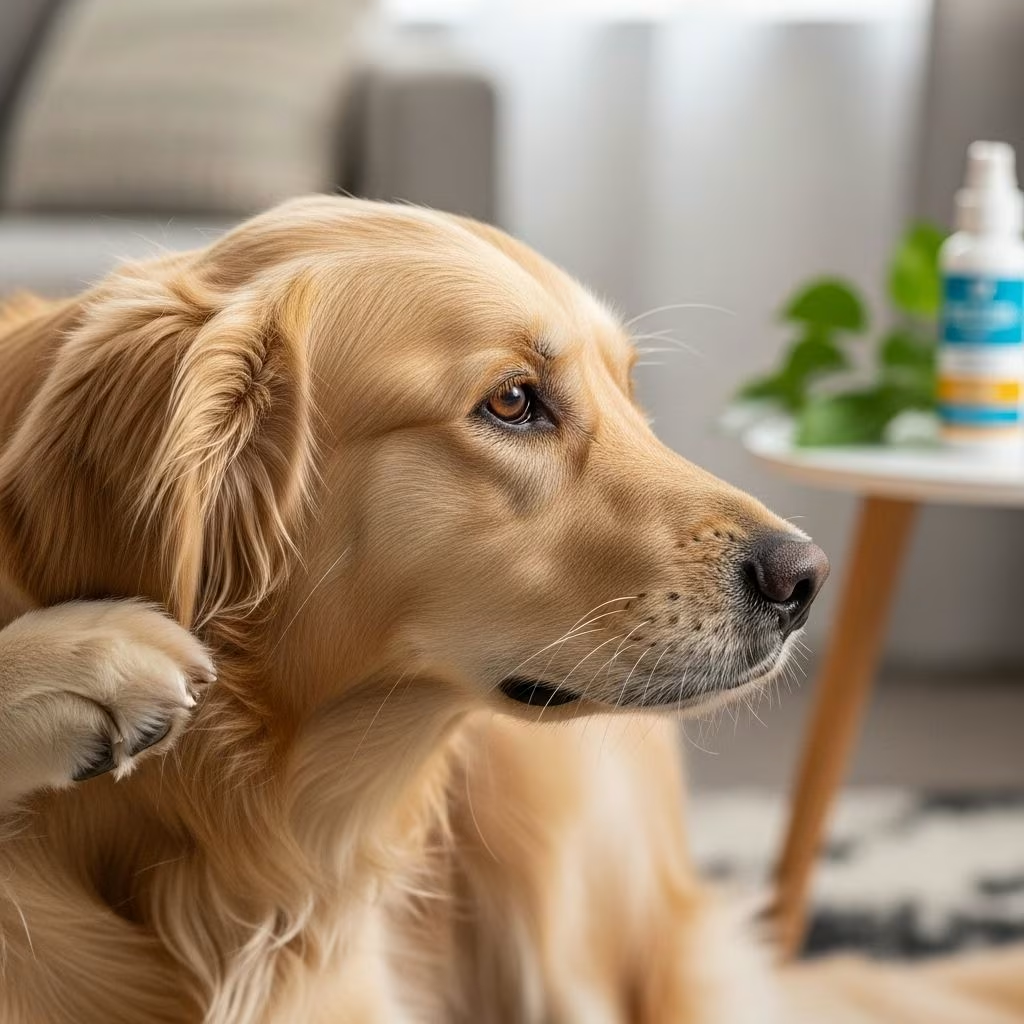
Allergy Remedies for Dogs: Addressing Itch, Irritation, and Discomfort
Dogs, like humans, can develop allergies that drastically affect their comfort and well-being. Whether due to environmental triggers, food ingredients, or seasonal changes, these allergies manifest primarily through skin problems, persistent itchiness, and other signs that can make life uncomfortable for your canine companion. Understanding the root causes, identifying the symptoms, and knowing the best remedies can improve your dog’s quality of life and help you manage these conditions effectively.
Recognizing Allergies in Dogs
Before delving into remedies, it’s essential to identify if your dog is suffering from allergies. Allergies in dogs are immune system reactions to substances that are typically harmless, such as pollen, dust mites, certain foods, or fleas. These reactions are often exaggerated, causing significant discomfort.
- Environmental Allergies (Atopy): Triggered by airborne particles like pollen, mold spores, and dust mites.
- Food Allergies: Occur due to specific ingredients in the diet.
- Flea Allergy Dermatitis: An intense allergic reaction to flea bites.
Common Signs Your Dog Has Allergies
- Constant scratching, licking, or chewing of the skin and paws
- Red, inflamed, or scabbed skin
- Ear infections or chronic ear scratching
- Hair loss or bald patches
- Watery eyes or frequent sneezing
- Gastrointestinal symptoms (vomiting, diarrhea) in cases of food allergy
- Recurrent hot spots (moist, inflamed areas of skin)
If any of these symptoms persist or worsen, always consult a veterinarian for a proper diagnosis and tailored treatment plan.
Natural Remedies for Dog Allergies
For mild environmental or seasonal allergies, several natural approaches can help minimize discomfort and promote skin healing. These remedies may be employed as prevention or in conjunction with medical treatments. Always discuss with your vet before introducing new remedies.
- Oatmeal Baths
Oatmeal is renowned for its anti-inflammatory and soothing properties.
- Grind three cups of plain, unflavored oatmeal in a blender until fine.
- Add to a tub of lukewarm water and dissolve thoroughly.
- Let your dog soak for 10–20 minutes to alleviate itchy, inflamed skin and leave the coat soft.
- Chamomile and Herbal Soaks
Chamomile tea, calendula, and green tea have natural anti-inflammatory and antibacterial properties. Brew several bags, allow the water to cool, and use as a soak or rinse for irritated areas. - Coconut Oil
Applied topically, coconut oil acts as a moisturizer and has antibacterial qualities, which can help heal minor skin irritations and reduce itchiness. - Apple Cider Vinegar Rinse
Used as a diluted rinse, apple cider vinegar may help restore skin pH and deter yeast or bacteria, but should only be used on unbroken skin. - Omega-3 Fatty Acid Supplements
Adding fish oil or flaxseed oil to your dog’s diet may reduce inflammation and support skin barrier function.
Medical Treatments for Canine Allergies
When natural remedies aren’t enough, or if symptoms are severe, veterinarians may recommend or prescribe medical solutions. The type and severity of the allergy, as well as your dog’s overall health, will dictate the most appropriate course.
Topical Medications
- Steroid Creams & Sprays: Reduce inflammation and relieve itching but should be used short-term due to potential side effects.
- Medicated Shampoos: Products containing chlorhexidine, oatmeal, or hydrocortisone can soothe skin and eliminate allergens.
Oral and Injectable Medications
- Antihistamines
Common options include diphenhydramine (Benadryl®) or cetirizine (Zyrtec®).
- Usually safe in dogs, though efficacy can vary and results are often modest.
- Should not contain decongestants, which can be dangerous for pets.
- Best for mild or early-stage allergies and for pre-emptive usage before allergy season.
- Apoquel (oclacitinib)
This prescription medication is designed to rapidly reduce itchiness and inflammation, often within hours, by targeting specific chemical pathways in allergic skin reactions. It is not recommended for puppies under one year or dogs with certain immune conditions. Side effects are generally mild but may include vomiting, diarrhea, or tiredness. - Cytopoint
An injectable monoclonal antibody that targets and neutralizes one of the main itch-causing proteins. Given every 4-8 weeks, it’s often well tolerated and can be used in dogs who can’t take oral medications. - Corticosteroids
These powerful anti-inflammatories can provide rapid relief but are generally reserved for short-term use due to the risk of significant side effects (increased thirst or urination, suppressed immune function, etc.).
Allergy Shots (Immunotherapy)
Considered the gold standard for environmental allergies, immunotherapy (“allergy shots”) is a customized approach. Dogs are exposed to small, regulated amounts of the identified allergen via injections or sublingual drops to gradually desensitize their immune response. Benefits include:
- Targets the specific allergens causing your dog’s problems
- Low risk of side effects compared to steroids
- Up to 80% of dogs show significant improvement after a year
Drawbacks include slow onset of action (6–12 months) and the need for ongoing medication during the desensitization phase.
Environmental Management & Prevention Strategies
Alongside treatments, managing your dog’s home environment is vital for reducing exposure to allergens. Simple habits can make a dramatic difference in symptom control.
- Frequent Bathing: Bathing removes allergens from your dog’s skin and coat. Use hypoallergenic or oatmeal-based shampoos.
- Wash Bedding Regularly: Clean dog beds and blankets weekly in hot water to kill dust mites and remove allergens.
- Vacuum and Clean Floors: Vacuum carpets, rugs, and furniture often using a HEPA filter. Mop hard floors and clean surfaces to remove pollen and dust.
- Limit Outdoor Exposure: During high-pollen days, limit walks and time spent outside. Wipe your dog’s paws and coat when coming in from outdoors.
- Use Air Filters: HEPA filters and air purifiers can reduce airborne allergens in your home.
- Control Humidity: Keep indoor humidity low using air conditioning or a dehumidifier to deter mold and dust mites.
- Chew Toys: Stick to hard, washable toys that don’t harbor dust and allergens. If your dog prefers plush toys, wash them frequently.
Dietary Adjustments & Supplements
Food allergies in dogs can manifest similarly to environmental allergies, with itching, ear infections, and gastrointestinal distress. An elimination diet (feeding a novel protein or hydrolyzed formula) is often needed to confirm and address food allergies.
- Omega-3 & Omega-6 Fatty Acids: Omega-rich supplements can strengthen the skin barrier and reduce inflammation.
- Limited Ingredient Diets: Designed for dogs with suspected food sensitivities, these diets contain few components to reduce potential allergens.
When to See a Veterinarian
While mild allergies can often be managed at home, persistent or severe signs require professional care. Signs that warrant a vet visit include:
- Unresolved itching or skin lesions despite home treatment
- Recurrent ear infections
- Open or infected sores
- Significant behavioral changes due to discomfort
- Symptoms affecting appetite or general health
Frequently Asked Questions (FAQs)
What are the most common causes of allergies in dogs?
The most common causes are environmental allergens (pollens, dust mites, mold), fleas, and certain food ingredients (often proteins like chicken, beef, or grains).
Can I give my dog Benadryl for allergies?
Benadryl (diphenhydramine) is generally regarded as safe for dogs and may help with mild allergic reactions. Never use multi-ingredient (e.g., -D for decongestant) human medications without veterinary guidance, as some additives are toxic to pets.
How long does it take for allergy treatments to work in dogs?
Some treatments, such as Apoquel or Cytopoint, can relieve symptoms within hours to a few days. Immunotherapy (allergy shots) can take 6–12 months to show significant results. Natural remedies may provide comfort quickly but sometimes need repeated application for best effect.
Can allergies ever be cured in dogs?
There is no definitive cure for most dog allergies, but many dogs achieve long-term control with a combination of avoidance, medications, and environmental management.
What home remedies are safest for dogs with allergies?
Oatmeal baths, chamomile rinses, and topical coconut oil are among the safest approaches, provided the skin is not broken or infected. Always consult a veterinarian before starting new treatments.
Are allergy shots safe and effective for all dogs?
Immunotherapy is safe for most dogs and poses a low risk of side effects. However, it is not effective for all cases and requires commitment to long-term treatment. Discuss with your vet to determine if your pet is a good candidate.
Summary Table: Allergy Remedies for Dogs
| Remedy / Treatment | Suitable For | Benefits | Drawbacks |
|---|---|---|---|
| Oatmeal Bath | Mild to moderate skin irritation | Soothes inflammation, easy home remedy | May require repeated use; not for open wounds |
| Antihistamines (e.g., Benadryl) | Mild allergies, pre-emptive use | Generally safe, accessible | Effectiveness varies; not for severe symptoms |
| Apoquel | Severe or persistent allergies | Fast-acting, highly effective | Prescription only; mild side effects |
| Immunotherapy (Allergy Shots) | Environmental allergies | Targets root cause, low risk of side effects | Long treatment timeline; not effective for all |
| Environmental Management | All types | Reduces exposure, supports all treatments | Requires ongoing effort |
Conclusion: Prioritizing Your Dog’s Comfort and Health
Dog allergies are increasingly common but can be managed effectively through a mixture of natural remedies, medications, dietary changes, and environmental controls. The best approach combines vigilant symptom monitoring with a willingness to adapt care strategies as needed. Always seek veterinary guidance for persistent or severe symptoms, and remember: a comfortable, itch-free dog is a happy companion.
References
- https://vetnique.com/blogs/vets-corner/natural-ways-to-help-my-dogs-allergies
- https://www.goodrx.com/pet-health/dog/seasonal-allergies
- https://toegrips.com/allergy-medicine-for-dogs-2/
- https://www.wideopenspaces.com/category/dogs/page/28/
- https://northeasternvetcare.com/dog-allergies-what-pet-owners-need-to-know/
- https://pmc.ncbi.nlm.nih.gov/articles/PMC11241144/
- https://westloopvet.com/blog/dog-allergies-chicago-il/
- https://www.nature.com/articles/s41598-020-79055-x
- https://vcahospitals.com/know-your-pet/inhalant-allergies-atopy-in-dogs
- https://healthtopics.vetmed.ucdavis.edu/health-topics/canine/allergies-pets