


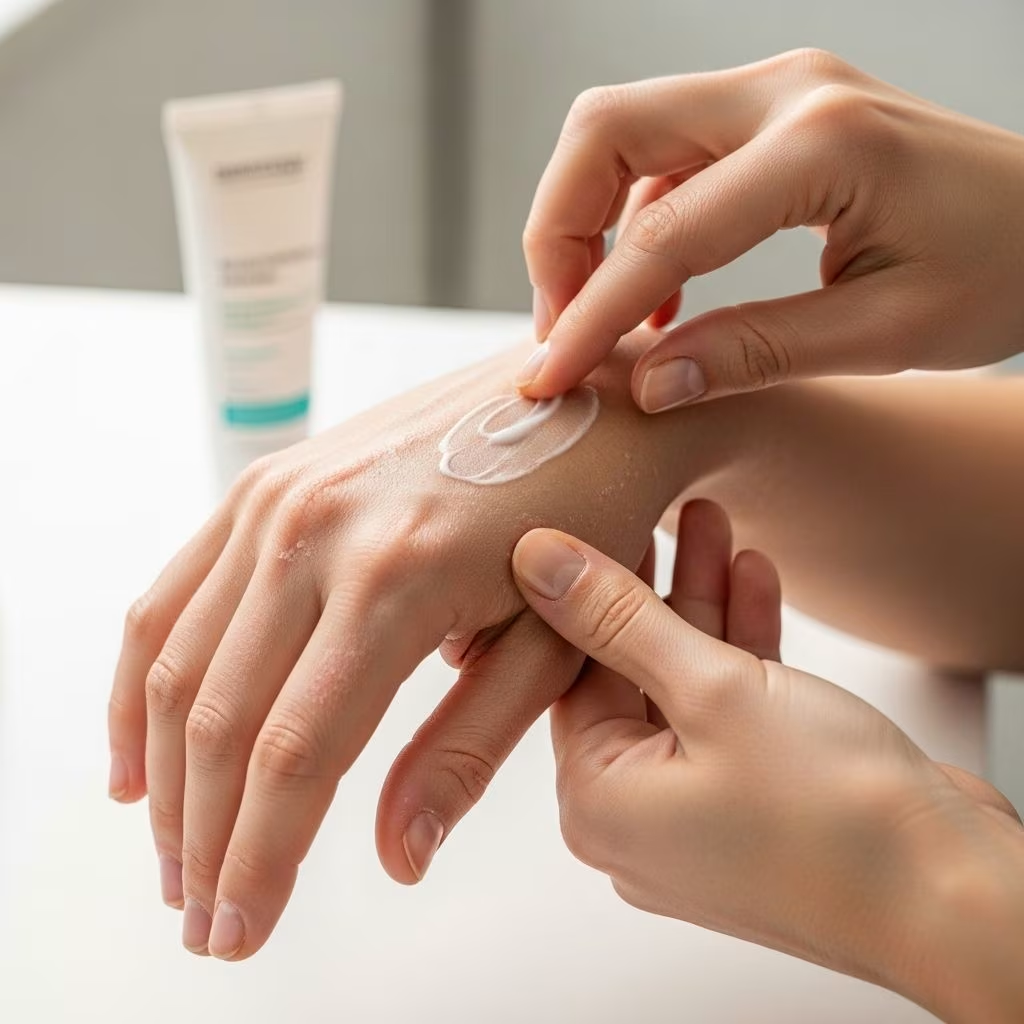
5 Essential Dermatologist-Approved Remedies for Dry Hands
Dry, cracked hands are a frustrating and common issue faced by many, particularly during colder months or periods of frequent handwashing. Whether your skin feels tight, rough, or even painfully chapped, you’re not alone, and there are solutions. Drawing on leading dermatologist advice, the latest skincare science, and tried-and-true products, this comprehensive guide details simple but powerful ways to restore hydration, strengthen the skin barrier, and prevent irritation. Read on for five expert-backed remedies and proactive tips to achieve soft, healthy hands—no matter how tough the conditions may get.
Why Are Hands Prone to Dryness?
The skin on the hands is uniquely vulnerable to becoming dry and irritated. Unlike other parts of the body, hands have fewer oil glands and are frequently exposed to harsh conditions. Frequent hand washing, sanitizers, contact with cleaning agents, outdoor elements, and friction all sap moisture, compromising the natural lipid barrier. This leads to symptoms such as:
- Tightness and flaking
- Rough texture
- Redness or visible cracks
- Irritation and, in severe cases, painful splits or bleeding
Left untreated, dry hands can become increasingly uncomfortable and susceptible to further damage or infection. Fortunately, prompt action and a strategic regimen can replenish and protect your skin.
Tip 1: Moisturize Consistently and Correctly
Moisturizing is the single most important step in both relieving and preventing dry hands. According to dermatologists, keeping your skin hydrated creates a barrier against external aggressors, soothes current irritation, and makes hands less prone to future dryness.
How and When to Moisturize
- Apply immediately after washing your hands, while skin is still slightly damp, to lock in moisture.
- Reapply throughout the day, especially after any contact with water or cleansers.
- Keep a dedicated hand cream near each sink, in your bag, and at your workspace for easy access.
Key Ingredients for Hydration
- Shea butter – A deeply nourishing emollient that restores softness.
- Lanolin – Locks in moisture and accelerates healing for chapped hands.
- Hyaluronic acid – Attracts and holds water, plumping dry skin.
- Ceramides – Help rebuild and reinforce the skin’s protective barrier.
- Natural oils (avocado oil, olive oil, coconut oil) – Deliver fatty acids that soften and lubricate skin.
- Colloidal oatmeal – Soothes itchy, irritated hands and retains hydration.
Dermatologist-Recommended Moisturizers
- Rich, long-lasting salves and creams for intense dryness: Look for formulas featuring lanolin, Manuka honey, and antioxidants, clinically proven to provide relief and deep, 48-hour hydration without irritants or artificial fragrances.
- Drugstore hand creams with soothing botanicals like green tea extract and watermelon oil for daily hydration on a budget.
- Cult-favorite creams with high concentrations of shea butter (20% or more) mixed with coconut oil, honey, and almond extract for a decadent, restorative feel.
- Special eczema-relief creams containing colloidal oatmeal and allantoin to tackle severe roughness and inflammation.
Expert Application Tip
Think of hand moisturizer as essential as sunscreen or lip balm—layer generously and as often as needed to feel comfortable.
Tip 2: Try Intensive Hand Masks
When standard creams aren’t sufficient, hand masks provide a more concentrated treatment to rescue even the driest skin. An overnight mask is especially effective, delivering long-lasting hydration and barrier repair while you sleep.
How to Create a Hand Mask at Home
- Generously coat clean hands with an occlusive, rich cream or ointment. Focus on dry knuckles and cuticles.
- Slip on a pair of cotton gloves or even clean socks to seal in moisture and prevent transfer onto bedding.
- Leave on overnight for maximal absorption.
Hand Mask Products to Try
- Gel-lined gloves infused with jojoba oil, olive oil, and vitamin E—wear over hand cream or plain petroleum jelly.
- Sheet-style hand masks with strengthening ceramides, coconut milk, and nourishing botanicals for a spa-like experience.
- Masks featuring macadamia-nut oil, shea butter, and vitamin E for both skin hydration and stronger nails.
- Scented, fun-printed hydrating masks for a mood-boosting, Instagram-worthy touch.
Tip 3: Use a Humidifier
Especially in winter, ambient air lacks moisture, which can cause your skin—especially on the hands—to dry out more quickly. Dermatologists recommend using a humidifier to maintain optimal humidity levels in your home.
- Target a relative humidity between 40% and 60% for comfort and skin health.
- Evaporative (no-mist) humidifiers are easy to clean and minimize risk of mold or bacteria.
- Small, portable humidifiers are great for travel or workspaces where air conditioning or heat is drying.
Properly humidified air benefits not just your hands, but the skin all over your body, preventing scaling and cracks year-round.
Tip 4: Choose the Right Cleanser and Sanitizer
Washing your hands frequently is important for health, but harsh soaps and sanitizers strip away protective natural oils, exacerbating dryness. Smart product choices can make all the difference.
Best Practices
- Use gentle, pH-balanced hand soaps free of harsh sulfates and strong fragrances.
- Opt for hydrating hand sanitizers with added glycerin, vitamin E, or moisturizing agents to offset the drying effects of alcohol.
- Pat (don’t rub) your hands dry with a soft towel, leaving a touch of moisture before applying hand cream.
Recommended Ingredients to Seek (or Avoid)
- Look for: Green tea extract, shea butter, oat proteins
- Avoid: Artificial fragrances, parabens, and harsh sulfates
Tip 5: Protect Hands During Tasks
Everyday chores and environmental factors can compound hand dryness if precautions aren’t taken. A few easy tweaks make a major impact on your skin’s comfort and resilience.
Strategies for Protection
- Wear gloves when cleaning or doing dishes to shield skin from hot water and harsh chemicals.
- Put on gloves before braving cold, windy weather to prevent chapping and maintain skin barrier integrity.
- Use cotton gloves at night post-moisturization for an extra layer of nurturing therapy.
By limiting exposure to detergents, solvents, and other irritants, you give your hands the best chance to heal and stay hydrated.
Lifestyle Tweaks and Prevention
Smart habits beyond skincare make a real difference in preventing and recovering from dry hands:
- Drink plenty of water daily to hydrate your skin from within.
- Limit or avoid hot water when washing hands; opt for lukewarm temperature instead.
- Minimize time spent in environments with dry, circulated air (like heated rooms), or counteract with humidifiers.
- Reapply hand lotion before bed and after exposure to water, cleaning products, or cold air.
Table: Best Ingredients and Products for Dry Hands
| Product/Ingredient | Main Benefits | Best For |
|---|---|---|
| Shea Butter Creams | Deep moisturization; soothes and repairs | Rough, chapped skin |
| Lanolin-Based Salves | Highly occlusive; seals in moisture | Extreme dryness, cracks |
| Colloidal Oatmeal | Reduces irritation and itchiness | Eczema-prone or sensitive skin |
| Ceramide-Infused Hand Masks | Barrier-repair, strengthens skin | Severe dryness, overnight use |
| pH-Balanced Hydrating Soaps | Non-stripping, gently cleanses | All skin types; frequent washing |
Frequently Asked Questions (FAQ)
Q: How often should I apply hand cream to prevent dryness?
A: Apply hand cream every time after you wash or sanitize your hands, as well as before bedtime or any time your hands feel uncomfortable.
Q: What ingredients should I avoid if I have sensitive, dry hands?
A: Avoid products with artificial fragrances, parabens, and sulfates, as well as any harsh or astringent additives that could strip your skin.
Q: Are hand sanitizers always drying, or can I find gentle formulas?
A: There are many hydrating hand sanitizers that include soothing agents like glycerin, vitamin E, and coconut oil, reducing the drying effect of alcohol-based formulas.
Q: Will drinking water really help with dry hands?
A: Yes, maintaining adequate hydration helps support skin health from inside out, but topical moisturizers are also essential for targeted relief and protection.
Q: What should I do if my hand dryness won’t go away?
A: Persistent dryness, cracking, or pain may indicate an underlying skin condition such as eczema. Consult a dermatologist for a personalized assessment and prescription solutions if needed.
References
- https://www.whowhatwear.com/dry-hands
- https://www.parasilk.com/blogs/thejournal/7-horrible-mistakes-made-when-treating-dry-hands
- https://www.dialsoap.com/tips-and-news/dry-hands-101-what-causes-dry-hands-and-how-to-help-dry-hands.html
- https://katiecouric.com/health/dry-skin-from-washing-your-hands-so-much-heres-what-to-do/
- https://www.womenshealthmag.com/uk/beauty/skin/a707477/dry-hands/


