


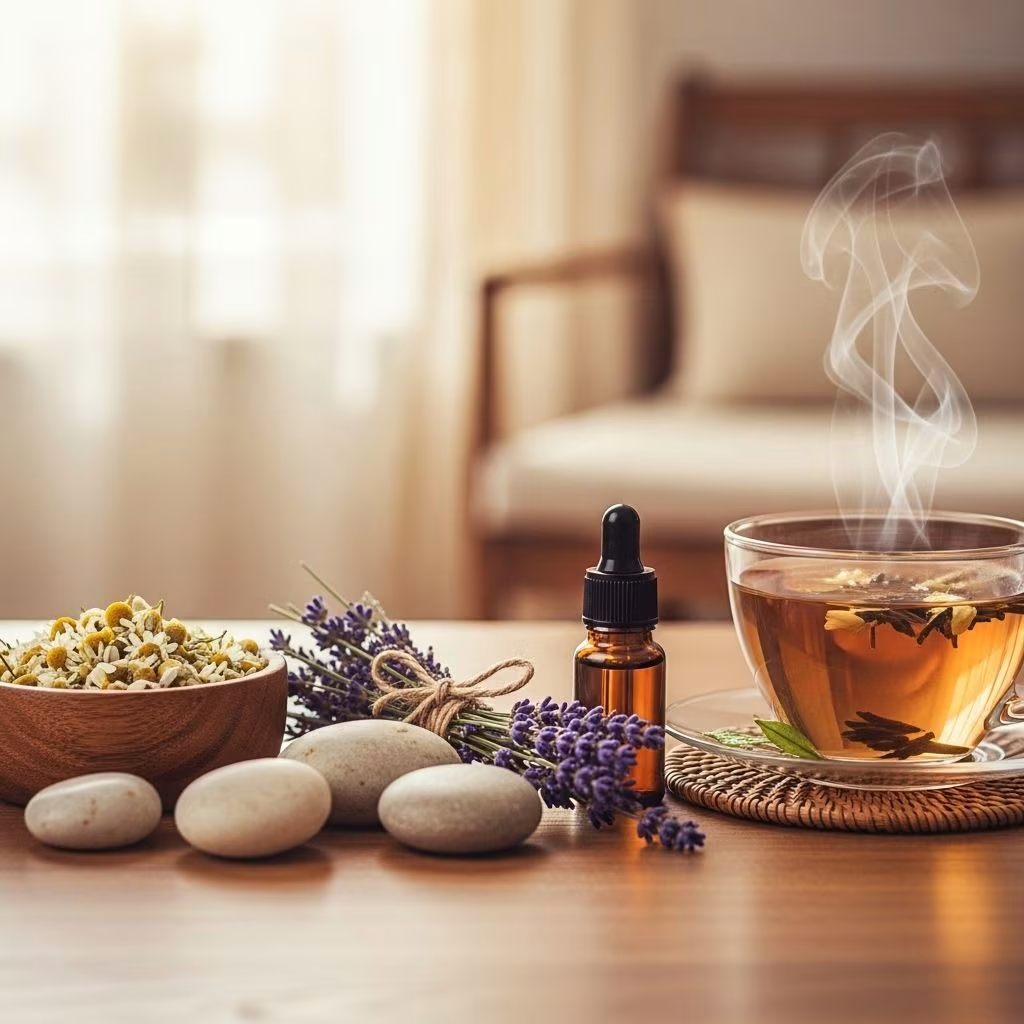
Anxiety has become an increasingly prevalent concern in modern society, affecting millions of individuals across the globe. While experiencing occasional anxiety in response to stressful situations is entirely normal, persistent and excessive anxiety can significantly diminish quality of life and impact both physical and mental well-being. The good news is that numerous natural remedies exist that can effectively alleviate anxiety symptoms without the potential side effects associated with pharmaceutical interventions.
This comprehensive guide explores evidence-based natural approaches to managing anxiety, from essential vitamins and minerals to mindfulness practices and herbal remedies. Understanding these natural solutions empowers individuals to take control of their mental health through holistic, sustainable methods that support overall wellness.
Understanding Anxiety and Its Impact
Anxiety manifests as a complex emotional state characterized by persistent worry, fear, and physical tension. Unlike temporary stress responses that subside once a challenging situation passes, chronic anxiety continues even when no immediate threat exists. This condition can interfere with daily activities, relationships, and personal well-being, making it essential to address symptoms promptly and effectively.
The physical manifestations of anxiety are equally important to recognize. Increased heart rate, elevated blood pressure, muscle tension, restlessness, and difficulty concentrating frequently accompany the emotional components of anxiety. Sleep disturbances, irritability, and digestive issues also commonly present in individuals experiencing persistent anxiety. These symptoms vary in intensity among different people, with some experiencing mild discomfort while others face debilitating effects that significantly disrupt their lives.
Recognizing anxiety symptoms represents the crucial first step toward seeking appropriate treatment. Natural remedies offer effective solutions that work with the body’s inherent healing mechanisms rather than suppressing symptoms through artificial means. By addressing the root causes of anxiety through nutrition, lifestyle modifications, and natural supplementation, individuals can achieve lasting relief while supporting overall health.
Essential Vitamins for Anxiety Relief
Vitamin B Complex plays a fundamental role in nervous system function and mental health maintenance. The B vitamins, particularly B6, B9 (folate), and B12, contribute to neurotransmitter synthesis and regulation, directly influencing mood and anxiety levels. Deficiencies in these essential nutrients have been linked to increased anxiety symptoms and heightened stress responses.
B vitamins support the production of serotonin, dopamine, and GABA—neurotransmitters that promote feelings of calmness and well-being. Research indicates that adequate B vitamin intake can reduce anxiety levels and improve overall mental health. Food sources rich in B vitamins include whole grains, leafy green vegetables, legumes, eggs, and lean meats. For individuals with dietary restrictions or absorption issues, high-quality B-complex supplements provide an effective alternative.
Vitamin D deficiency has emerged as a significant risk factor for various mental health conditions, including anxiety and depression. Often called the “sunshine vitamin,” Vitamin D functions more like a hormone in the body, influencing brain chemistry and emotional regulation. Studies have demonstrated a strong correlation between low Vitamin D levels and increased anxiety symptoms.
The body produces Vitamin D naturally when skin is exposed to sunlight, but modern indoor lifestyles often result in insufficient levels. During winter months or in regions with limited sun exposure, supplementation becomes particularly important. Vitamin D supports the production of serotonin and helps regulate calcium homeostasis in the brain, both crucial for maintaining mental equilibrium. Fatty fish, fortified dairy products, and egg yolks provide dietary Vitamin D, though supplementation often proves necessary to achieve optimal levels.
The Calming Power of Magnesium
Magnesium stands out as one of the most important minerals for anxiety management. This essential nutrient participates in over 300 biochemical reactions throughout the body, with particularly significant roles in nervous system function and stress hormone regulation. Magnesium glycinate, a highly bioavailable form of magnesium, has gained recognition for its exceptional calming properties and effectiveness in reducing anxiety symptoms.
The mineral works by regulating neurotransmitters and modulating the stress response system. Magnesium helps activate the parasympathetic nervous system, which promotes relaxation and counteracts the fight-or-flight response triggered by anxiety. It also binds to GABA receptors in the brain, enhancing the calming effects of this inhibitory neurotransmitter. Research has demonstrated that magnesium supplementation can significantly reduce anxiety levels and improve sleep quality.
Modern diets often fall short of providing adequate magnesium, with processed foods and soil depletion contributing to widespread deficiency. Symptoms of magnesium deficiency include muscle tension, restlessness, sleep difficulties, and increased stress sensitivity—all factors that exacerbate anxiety. Dark leafy greens, nuts, seeds, whole grains, and legumes serve as excellent dietary sources. However, supplementation with magnesium glycinate offers superior absorption and fewer digestive side effects compared to other forms, making it an ideal choice for anxiety management.
Exercise and Physical Activity
Regular physical activity represents one of the most powerful natural interventions for anxiety relief. Exercise triggers the release of endorphins, the body’s natural mood elevators, while simultaneously reducing stress hormone levels like cortisol and adrenaline. The anxiety-reducing benefits of exercise extend beyond immediate biochemical changes, contributing to improved sleep, enhanced self-confidence, and better overall mental resilience.
Yoga combines physical movement with breath awareness and mindfulness, making it particularly effective for anxiety management. Various yoga styles offer different benefits, from gentle restorative practices that emphasize relaxation to more vigorous flows that build strength and release tension. The focused breathing techniques integrated into yoga practice activate the parasympathetic nervous system, inducing a state of calm that persists long after the session ends.
Aerobic exercises such as jogging, swimming, cycling, or brisk walking provide excellent anxiety relief through cardiovascular conditioning and endorphin release. Even moderate-intensity activities performed for 20-30 minutes several times weekly can produce significant improvements in anxiety symptoms. The key lies in consistency and choosing activities that feel enjoyable rather than obligatory, as sustainable exercise habits develop when physical activity brings pleasure rather than stress.
Mindfulness and Meditation Practices
Meditation and mindfulness techniques offer profound benefits for anxiety reduction by training the mind to remain present rather than dwelling on worries about the future or regrets about the past. These practices cultivate awareness of thoughts and emotions without judgment, creating space between triggering events and reactive responses. Regular meditation practice has been shown to physically alter brain structure, increasing gray matter in regions associated with emotional regulation and decreasing activity in areas linked to anxiety and stress.
Deep breathing exercises provide immediate anxiety relief by activating the body’s relaxation response. Techniques such as diaphragmatic breathing, box breathing, or the 4-7-8 method slow heart rate, lower blood pressure, and reduce muscle tension. The beauty of breath work lies in its accessibility—these techniques can be practiced anywhere, anytime anxiety arises, offering a portable tool for managing symptoms in real-time.
Mindfulness meditation involves focusing attention on the present moment, often using the breath as an anchor. As the mind wanders—which it inevitably will—practitioners gently redirect attention back to the present without self-criticism. This process of noticing and returning strengthens mental discipline and reduces the tendency to ruminate on anxiety-provoking thoughts. Starting with just five minutes daily and gradually increasing duration makes meditation practice sustainable for beginners.
Aromatherapy for Anxiety Relief
Essential oils have been used for centuries to promote relaxation and emotional well-being. Aromatherapy harnesses the therapeutic properties of plant essences to influence mood, reduce anxiety, and improve sleep quality. The olfactory system connects directly to the limbic system in the brain, which processes emotions and memories, explaining why scents can so powerfully affect emotional states.
Lavender essential oil stands as the most extensively researched aromatic compound for anxiety relief. Studies consistently demonstrate that lavender inhalation reduces anxiety levels, improves sleep quality, and promotes overall relaxation. The calming effects occur through multiple mechanisms, including GABA receptor modulation and reduction of cortisol levels. Lavender can be diffused in living spaces, added to baths, or applied topically when diluted with a carrier oil.
Chamomile essential oil offers similar anxiety-reducing benefits with its gentle, soothing aroma. Both Roman and German chamomile varieties contain compounds that promote relaxation and reduce nervous tension. Other beneficial essential oils for anxiety include bergamot, which has uplifting properties that counteract low mood; ylang-ylang, known for its sedative effects; and frankincense, which encourages deep, meditative breathing.
Incorporating aromatherapy into daily routines proves remarkably simple. Diffusers disperse essential oils throughout rooms, creating a calming atmosphere. Personal inhalers provide portable anxiety relief, while adding drops to bathwater creates a luxurious, therapeutic soak. Always ensure proper dilution when applying oils topically, and choose high-quality, pure essential oils for maximum therapeutic benefit.
Herbal Teas and Supplements
Traditional herbal remedies have supported mental health for millennia, with modern research increasingly validating their effectiveness. Herbal teas and supplements offer gentle yet powerful support for anxiety management, often with fewer side effects than pharmaceutical alternatives.
Chamomile tea provides more than just comfort—it contains apigenin, a flavonoid that binds to benzodiazepine receptors in the brain, producing mild sedative effects. Regular consumption of chamomile tea has been associated with reduced anxiety symptoms and improved sleep quality. The ritual of preparing and sipping warm tea also contributes therapeutic value, creating a mindful pause in busy schedules.
Valerian root has earned recognition as a natural anxiolytic and sleep aid. This herb increases GABA availability in the brain, promoting relaxation and reducing nervous system excitability. Valerian proves particularly helpful for anxiety that interferes with sleep, though its effects may take several weeks to fully manifest. It can be consumed as tea, though many prefer capsule or tincture forms due to valerian’s distinctive earthy taste.
Passionflower represents another powerful herbal ally against anxiety. Clinical trials have demonstrated that passionflower extract can reduce anxiety symptoms comparably to certain prescription medications, without causing cognitive impairment or drowsiness. This herb works by increasing GABA levels and appears particularly effective for generalized anxiety.
Lemon balm, a member of the mint family, has been traditionally used to calm nervousness and reduce stress. Modern research supports its anxiety-reducing properties, with studies showing that lemon balm supplementation decreases anxiety symptoms while improving mood and cognitive function. It can be enjoyed as a refreshing tea or taken in supplement form.
Additional Natural Approaches
Beyond vitamins, minerals, and herbs, several other natural strategies effectively reduce anxiety symptoms. Essential fatty acids, particularly omega-3s found in fish oil, support brain health and emotional regulation. Research indicates that adequate omega-3 intake correlates with reduced anxiety levels and improved mood stability. These beneficial fats reduce inflammation throughout the body, including the brain, and support neurotransmitter function.
Journaling provides a powerful outlet for processing anxious thoughts and emotions. Writing about worries externalizes internal turmoil, often revealing patterns and triggers that weren’t previously apparent. Gratitude journaling specifically shifts focus from anxiety-provoking concerns to positive aspects of life, gradually retraining the mind toward more optimistic thinking patterns.
Maintaining consistent sleep hygiene proves essential for anxiety management, as poor sleep and anxiety create a vicious cycle where each exacerbates the other. Establishing regular sleep schedules, creating a relaxing bedtime routine, limiting screen time before bed, and optimizing the sleep environment all contribute to better sleep quality and, consequently, reduced anxiety.
When Natural Remedies Are Sufficient
Natural remedies can effectively manage mild to moderate anxiety symptoms for many individuals. When anxiety presents as occasional worry, mild physical tension, or stress related to specific situations, natural interventions often provide adequate relief. Combining multiple approaches—such as magnesium supplementation, regular exercise, meditation practice, and herbal support—creates a comprehensive anxiety management strategy that addresses symptoms from multiple angles.
The holistic nature of natural remedies offers advantages beyond symptom reduction. These approaches support overall health, lack the dependency risks associated with some medications, and empower individuals to actively participate in their healing process. Many people find that natural remedies not only reduce anxiety but also improve energy levels, sleep quality, physical health, and general well-being.
However, it’s crucial to maintain realistic expectations and recognize that natural remedies work gradually. Unlike fast-acting pharmaceutical interventions, herbs and nutrients typically require consistent use over weeks or months to produce optimal results. Patience and persistence prove essential when pursuing natural anxiety management.
When to Seek Professional Help
While natural remedies offer substantial benefits, certain situations necessitate professional intervention. Severe anxiety that significantly interferes with daily functioning, relationships, or quality of life requires evaluation by a mental health professional. Warning signs include panic attacks, overwhelming fear that prevents normal activities, persistent intrusive thoughts, or physical symptoms that don’t respond to natural interventions.
Professional help becomes particularly important when anxiety co-occurs with other mental health conditions such as depression, or when symptoms include suicidal thoughts or self-harm impulses. Mental health professionals can provide accurate diagnosis, recommend appropriate treatment combinations, and monitor progress systematically.
Cognitive Behavioral Therapy (CBT) represents a highly effective treatment for anxiety disorders. This evidence-based therapeutic approach helps individuals identify and change negative thought patterns and behaviors that perpetuate anxiety. Through CBT, people develop practical coping mechanisms, learn relaxation techniques, and gain deeper understanding of their anxiety triggers. Talk therapy provides a supportive environment for processing emotions and developing healthier responses to stressful situations.
In some cases, prescription medications such as selective serotonin reuptake inhibitors (SSRIs), benzodiazepines, or beta-blockers may be recommended. These can be used alone or in combination with natural remedies and therapy, depending on symptom severity and individual needs. The decision to use pharmaceutical interventions should be made collaboratively with healthcare providers who understand your complete health picture.
An integrated approach that combines natural remedies with professional support often yields optimal results. Mental health professionals can guide the safe incorporation of supplements and lifestyle modifications alongside other treatments, ensuring all interventions work synergistically rather than creating conflicts.
Frequently Asked Questions
Q: Can I take multiple natural remedies for anxiety at the same time?
A: Yes, many natural remedies work synergistically when combined. For example, taking magnesium supplements while practicing meditation and drinking chamomile tea can provide comprehensive anxiety relief. However, always consult with a healthcare provider before combining multiple supplements, especially if you take prescription medications, to avoid potential interactions.
Q: How long does it take for natural remedies to reduce anxiety symptoms?
A: The timeline varies depending on the remedy and individual factors. Some interventions like deep breathing or aromatherapy provide immediate relief, while others like vitamin supplementation or herbal remedies typically require 2-6 weeks of consistent use before noticeable improvements occur. Exercise and meditation practices show progressive benefits that increase with regular, sustained practice over months.
Q: Are there any side effects associated with natural anxiety remedies?
A: Natural remedies generally produce fewer and milder side effects compared to pharmaceutical options. However, some individuals may experience digestive upset from certain supplements, allergic reactions to herbs, or initial restlessness when beginning meditation practice. Starting with lower doses and gradually increasing allows your body to adjust and minimizes potential discomfort.
Q: Can natural remedies replace prescription anxiety medication?
A: For some individuals with mild to moderate anxiety, natural remedies may provide sufficient relief without pharmaceutical intervention. However, never discontinue prescription medications without medical supervision, as this can be dangerous. Work with your healthcare provider to develop an appropriate treatment plan that may include gradually incorporating natural remedies while safely adjusting medication dosages if appropriate.
Q: What is the most effective single natural remedy for anxiety?
A: No single remedy works best for everyone, as anxiety has multiple contributing factors and individual responses vary. Magnesium supplementation, regular exercise, and meditation practice have the strongest research support and tend to benefit most people. The most effective approach typically involves combining multiple natural strategies tailored to your specific symptoms and lifestyle.
Q: How do I know which form of magnesium is best for anxiety?
A: Magnesium glycinate is generally considered the optimal form for anxiety relief due to its superior absorption, calming properties, and minimal digestive side effects. This form crosses the blood-brain barrier effectively and has specific anxiety-reducing benefits. Other well-absorbed forms include magnesium threonate and magnesium taurate, though these may be more expensive.
Q: Can diet alone manage anxiety without supplements?
A: A nutrient-dense diet rich in vitamins, minerals, and omega-3 fatty acids provides essential foundation for mental health and can significantly reduce anxiety symptoms. However, modern agricultural practices and dietary patterns often make it challenging to obtain therapeutic levels of certain nutrients through food alone. Many people benefit from combining an anxiety-reducing diet with targeted supplementation for optimal results.
References
- https://www.willner.com/articles/natural-remedies-for-anxiety
- https://willner.com/articles/natural-remedy-for-anxiety
- https://willner.com/articles/natural-remedies-for-better-sleep
- https://willner.com/articles/st-johns-wort-for-ocd
- https://willner.com/articles/ashwagandha-adaptogen
- https://willner.com/articles/herbal-tonic-therapy-chronic-stress
- https://willner.com/content/sleep%20anxiety%20and%20stress%20coven.pdf
- https://www.willner.com/articles/article-393
- https://willner.com/articles/relora


