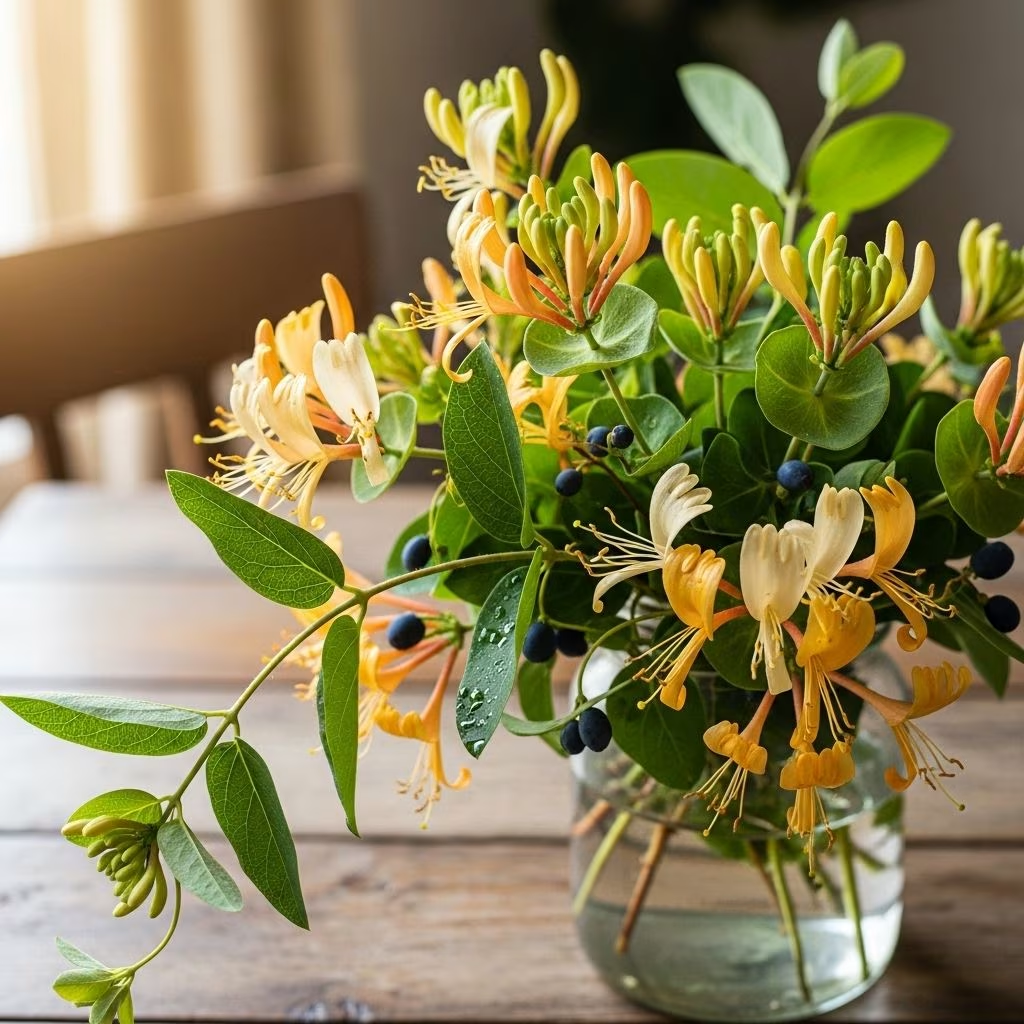
Introduction to Honeysuckle
Honeysuckle, part of the Lonicera genus, is a versatile and beautiful plant known for its fragrant flowers and vines. It’s often used to create charming home arrangements, especially when you want to add a natural, effortless charm to your space. Unlike stiff, formal arrangements, a honeysuckle bouquet can evoke the feeling of being plucked from a meadow, even if it requires some thought and effort to achieve.
Using Honeysuckle in Home Arrangements
For a simple yet elegant arrangement, you can use a terracotta container or a recycled French yogurt container. This warm-toned base pairs well with the delicate, smooth leaves of honeysuckle vines. To add texture and diversity, you can combine honeysuckle with other elements like flowering oregano, dried grasses, and cow parsley. The trick to creating a modern and structured look is to group contrasting ingredients in odd numbers, such as three stems at different heights, which helps guide the viewer’s eye through the arrangement.
Choosing the Right Honeysuckle Species
- Lonicera japonica: Known for its white flowers and strong scent, this species is popular but can be invasive in some regions.
- Lonicera sempervirens: Offers a coral-red hue and is often used for its vibrant color.
Benefits of Using Wildflowers and Vines
Incorporating wildflowers and vines into your arrangements can create a sense of wild beauty and freedom. Unlike traditional, formal arrangements that might require every stem to be perfectly placed, using honeysuckle allows for a more spontaneous and natural look. This style is perfect for home decor because it adds warmth and character without feeling overly staged.
Key Tips for Creating a Natural Arrangement
- Material Selection: Use containers that have a natural or vintage feel to complement the organic look of honeysuckle.
- Component Balance: Balance fragrant, textured elements with smoother ones to create visual interest.
- Height Variety: Include stems of varying heights to prevent the arrangement from looking too compact.
Outside the Vase: Growing Honeysuckle
Honeysuckles are valued garden plants for their ability to cover walls and add fragrance with their tubular flowers. They are relatively easy to grow but require some care to ensure they don’t become too substantial. Varieties like L. japonica can be quite invasive, so it’s important to choose species that are suitable for your region.
Popular Honeysuckle Species for Gardening
- Lonicera periclymenum: Common honeysuckle or woodbine, known for its sweet fragrance.
- Lonicera ciliosa: Orange honeysuckle, attractive to hummingbirds.
Frequently Asked Questions (FAQs)
Q: Are all honeysuckle species suitable for home arrangements?
A: While many honeysuckle species can be used in arrangements, some are more fragrant and colorful than others. Choose species that provide the desired aesthetic and fragrance.
Q: How can I stop honeysuckle from becoming invasive in my garden?
A: To prevent honeysuckle from becoming invasive, regularly prune it, and consider using species that are less aggressive in your region.
Q: Are honeysuckle berries edible?
A: Some honeysuckle species produce edible berries, such as Lonicera caerulea, which is known for its health benefits. However, not all honeysuckle species have edible berries, so it’s important to identify them correctly.
Conclusion
Honeysuckle offers a unique blend of natural beauty and effortless charm, making it an excellent choice for adding character to your home arrangements. By embracing its casual, wildflower style and choosing the right species, you can create arrangements that are both beautiful and inviting.
References
- https://www.gardenista.com/posts/re-thinking-honeysuckle-sweet-vines-charming-home-arrangements/
- https://www.gardenista.com/products/twiggy-box-honeysuckle/
- https://www.gardenista.com/posts/trend-alert-5-night-scented-bloomers/
- https://www.gardenista.com/posts/ask-the-expert-uli-lorimer/
- https://www.gardenista.com/posts/plant-based-diet-16-edible-flowers-to-grow/
- https://pmc.ncbi.nlm.nih.gov/articles/PMC7037556/
- https://extension.psu.edu/shrub-honeysuckle-accurate-identification/
- https://en.wikipedia.org/wiki/Honeysuckle