Introduction to Dog Loneliness
Dogs, as social animals, thrive on interaction with their human family and other dogs. Just like humans, they can experience loneliness, especially when left alone for extended periods. This article will explore the signs of loneliness in dogs and provide practical tips on how to keep them happy and engaged when you’re away.
Recognizing Loneliness in Dogs
While dogs don’t experience loneliness in the same way humans do, they exhibit distinct behaviors that indicate they need more interaction or companionship. According to veterinarians like Kathryn Dench and Alex Crow, some common signs include:
- Increased Vocalizations: Barking, howling, or whining more than usual, especially when alone, can be a sign of loneliness.
- Getting into Mischief: Destructive behaviors like digging through garbage or chewing on items they shouldn’t, can indicate boredom and loneliness.
- Depression: A lethargic or subdued demeanor, showing less interest in favorite activities, may suggest your dog is feeling lonely.
- Following You Everywhere: While it’s natural for dogs to follow their owners, excessive following, even to the bathroom, can be a sign of loneliness.
Addressing Dog Loneliness
Helping a lonely dog requires a combination of social interaction, mental stimulation, and sometimes professional help. Here are some strategies to keep your dog happy when you’re away:
### 1. Hire a Pet Sitter
Arranging for a pet sitter or dog walker can provide your dog with much-needed companionship and exercise during the day. This breaks the monotony of being alone and ensures they get the physical activity they need.
### 2. Consider Doggy Daycare
Doggy daycare offers a social environment where your dog can play with other dogs, relieving boredom and pent-up energy. Choose a reputable facility with safety features and attentive staff.
### 3. Engage with Interactive Toys
Fill your home with interactive toys like puzzle toys or ones that dispense treats. These can keep your dog engaged for longer periods, reducing the likelihood of destructive behavior.
### 4. Use Pet Cameras
Interactive pet cameras allow you to check in on your dog during the day, providing a sense of your presence through voice and sometimes even dispensing treats.
### 5. Spend Quality Time Together
Spend more time with your dog before leaving the house or when you return. Engage in activities that stimulate their mind and body, such as learning new tricks or playing hide and seek.
Why Spending Time with Your Dog Matters
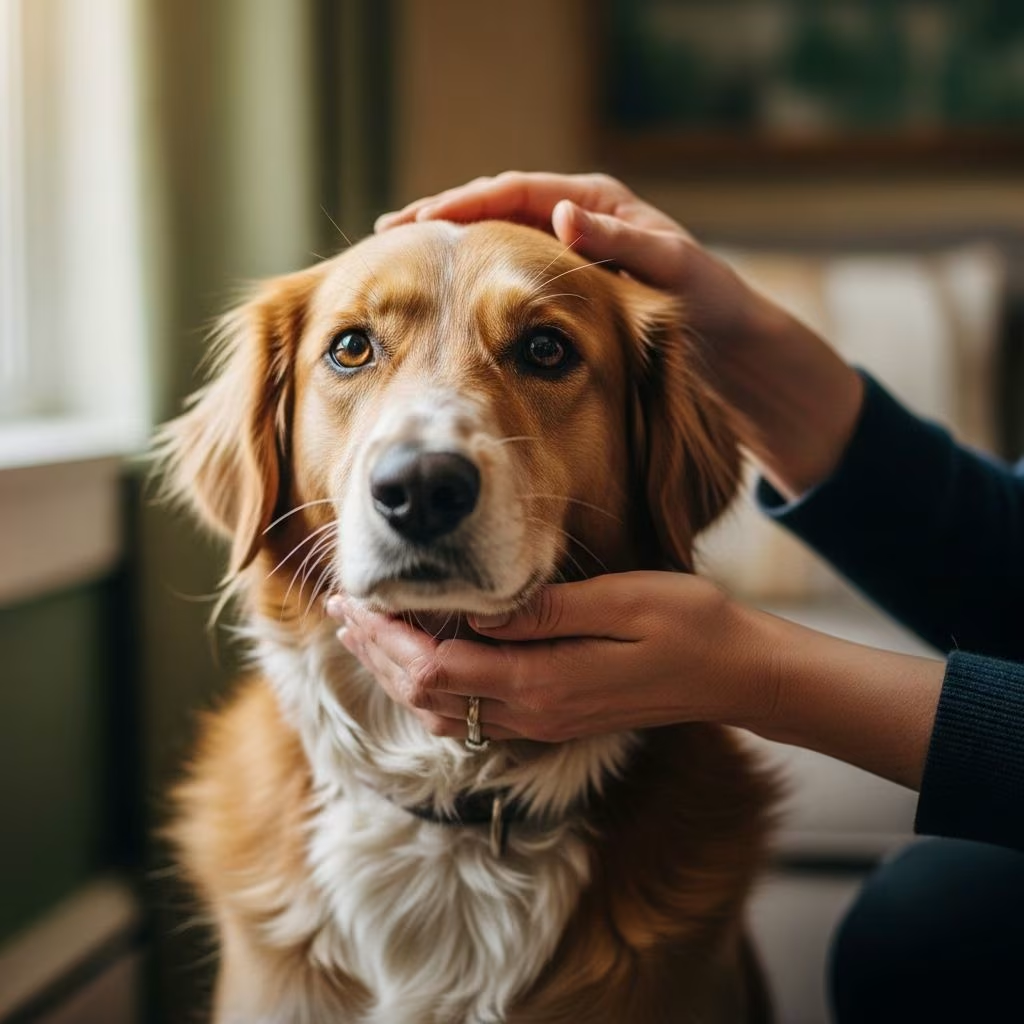
Spending quality time with your dog not only helps alleviate loneliness but also strengthens your bond. Engaging in activities together can help reduce stress and anxiety in both you and your dog.
Understanding Separation Anxiety
Sometimes, loneliness in dogs can be linked to separation anxiety—a more severe condition where dogs become distressed when their owners leave. If you suspect your dog has separation anxiety, it’s crucial to address it gradually:
- Gradual Absences: Start by leaving the house for short periods and gradually increase the time. This helps your dog become accustomed to your departures.
- Pre-Departure Cues: Identify and modify cues that might trigger anxiety, such as putting on your jacket or grabbing your keys.
Frequently Asked Questions (FAQs)
Q: Can dogs really feel lonely?
Yes, dogs can experience loneliness, though it manifests differently than human loneliness. They express it through behavior like increased vocalization or destructive actions.
Q: How can I prevent my dog from getting lonely?
To prevent loneliness, ensure your dog has adequate social interaction, engage them with interactive toys, and consider hiring a pet sitter or daycare.
Q: Are interactive toys effective for all dogs?
Interactive toys can be effective for many dogs, but their engagement depends on the dog’s individual personality and needs. Some dogs may require more physical or social interaction.
Q: What if my dog has separation anxiety?
If your dog has separation anxiety, it’s important to address it gradually. Start with short absences and gradually increase the duration. Modify pre-departure cues to reduce stress.
Conclusion
Recognizing and addressing loneliness in dogs is crucial for their mental health and well-being. By providing them with social interaction, engaging activities, and sometimes professional care, you can ensure your dog remains happy and fulfilled even when you’re away.
References
- https://www.rover.com/blog/dogs-get-lonely-keep-home-alone-dog-happy/
- https://www.rover.com/blog/dogs-home-alone/
- https://www.rover.com/uk/blog/these-dogs-just-cant-bear-to-let-you-pee-alone/
- https://www.rover.com/blog/separation-anxiety-in-dogs/
- https://www.rover.com/blog/pets-and-mental-health/
- https://www.rover.com/blog/sitter-resources/dog-behavior-problems/
- https://www.rover.com/blog/pets-and-wellbeing/
- https://www.rover.com/blog/sitter-resources/prevent-dog-escapes/
- https://www.rover.com/community/question/3270/do-you-ever-leave-dogs-unsupervised/