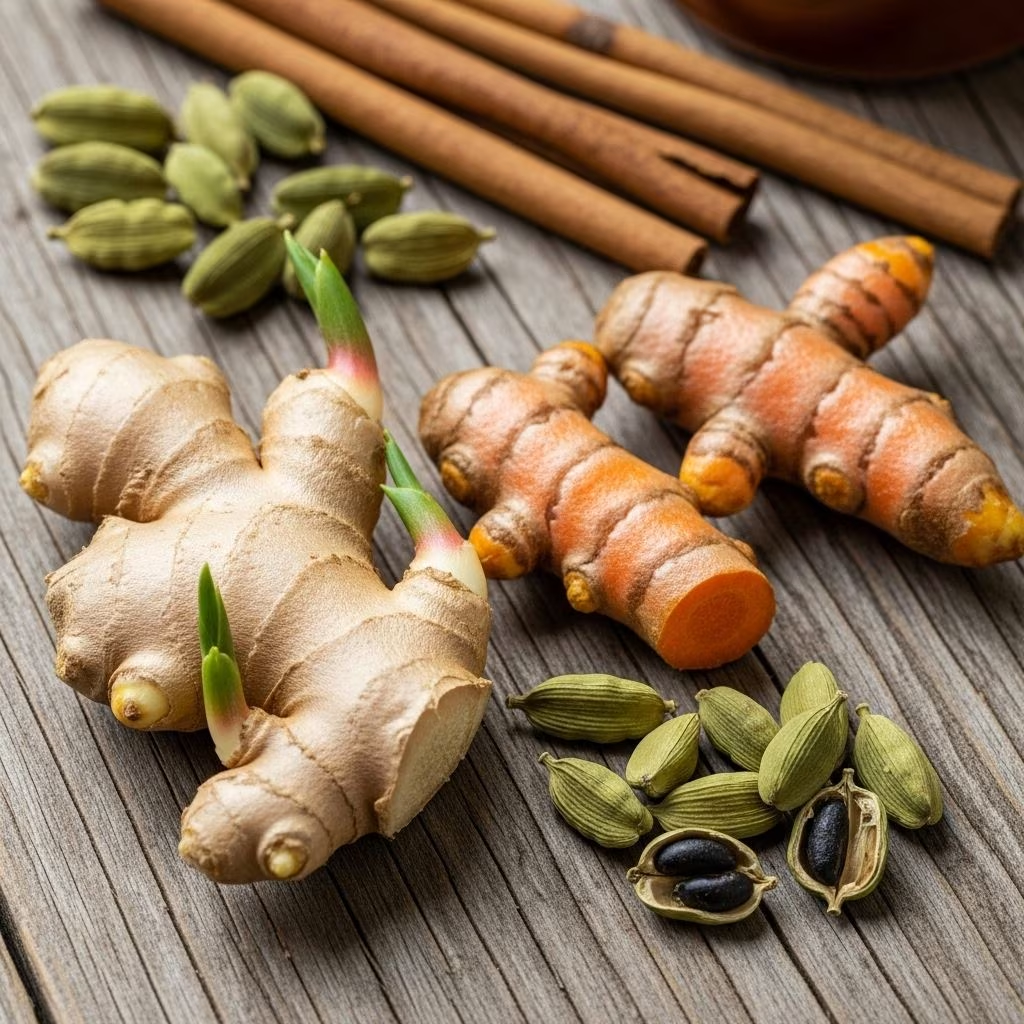
Spice Kit: Growing Ginger, Turmeric, and Cardamom at Home
Imagine harvesting fresh ginger, fragrant turmeric, and aromatic cardamom right from your windowsill or garden patch. These tropical spices aren’t just culinary staples; they bring enchanting fragrances and bold flavors to your kitchen, elevating every dish while lending lush, leafy beauty to your home. With the right methods and patience, even gardeners in cooler regions can enjoy these prized harvests.
Why Grow Your Own Tropical Spices?
- Ultra-fresh flavor: Homegrown spices deliver taste and aroma unrivaled by store-bought dried varieties.
- Culinary versatility: Use rhizomes, leaves, and stems in marinades, roasts, curries, teas, and infusions.
- Adaptability: Suitable for both indoor and outdoor planting—even in small spaces.
- Decorative foliage: Lush leaves and aromatic stems offer ornamental appeal year-round.
How to Grow Ginger (Zingiber officinale)
Well-known as a knobby supermarket staple, ginger rewards home growers with tender, pale rhizomes whose skins are so thin they barely need peeling. Both leaves and stems possess delightful fragrances useful far beyond the familiar root.
Growing Conditions
- Climate: Thrives in tropical environments; suitable for USDA zones 9–11. In colder zones, grow in pots and bring indoors during cold months.
- Temperature: Plant when nighttime temperatures consistently stay above 50°F (10°C).
- Light: Prefers partial shade to light shade—not full sun, which may scorch leaves.
- Water: Needs regular watering—keep soil moist but well-drained.
Starting Your Ginger
- Source: Use store-bought ginger rhizomes or order starts from garden suppliers.
- Preparation: Cut rhizomes into 3-inch segments, each with 1–3 rounded buds; allow cuts to air dry for a day before planting.
- Planting: Place segments shallowly in pots at least 12 inches deep. Cover lightly with soil. Water thoroughly after planting.
Care and Maintenance
- Patience is key: Ginger sprouts slowly, especially in cool springs.
- Watering: Never allow the soil to dry out; ginger loves plenty of moisture if drainage is good.
- Nourishment: Use houseplant feed every few weeks once growth begins.
- Potting on: Move to larger containers as roots reach pot sides.
- Outdoor growing: Ginger can be grown directly in the ground in frost-free climates—ensure consistent moisture.
Harvesting & Uses
- Harvest ginger rhizomes between late September and November, indicated by yellowing leaves.
- Both young rhizomes and leaves can be used in roasts, teas, infusions, and as flavor bases for curries.
- The juicy, aromatic stems can substitute for lemongrass in marinades or be used as herbed swizzle sticks for drinks.
Tips for Success
- Overwintering: Move pots indoors before the first frost to keep plants alive for the next season.
- Encouraging rhizome growth: In fall, reduce watering to cue rhizome formation. Maintain warmth indoors over winter for continued growth.
How to Grow Turmeric (Curcuma longa)
A relative of ginger, turmeric produces bright orange rhizomes prized for color and earthy flavor. The broad, bay-like leaves are also useful culinary additions and create a striking garden presence.
Growing Conditions
- Climate: Native to tropical Asia; best suited to warm, humid environments. Hardy in zones 9–11 but can be grown successfully indoors in cooler regions.
- Temperature: Plant when nights are reliably above 60°F (15.5°C).
- Light: Prefers bright, indirect sunlight.
- Water: Needs consistently moist soil, but avoid waterlogging.
Starting Turmeric
- Source: Purchase fresh turmeric rhizomes—seek those with knobby ‘horns’ indicating readiness to sprout.
- Preparation: Plant rhizomes shallowly in pots filled with rich, compost-enriched soil.
- Indoors: Begin in winter or early spring; transplant to larger containers or garden beds after last frost and when temperatures are adequate.
Care and Maintenance
- Moisture: Keep soil damp but well-drained; yellowing leaves may signal underwatering or low light in winter.
- Fertilization: Apply organic liquid fertilizer or compost tea weekly during active growth.
- Pest management: Watch for red spider mites indoors; control with soapy water sprays if needed.
- Potting: Pot on as the plant grows, ensuring nutritious potting mix and good drainage.
Harvesting & Uses
- Harvest turmeric rhizomes once leaves start dying back in late summer to early fall.
- Use the fresh tubers for curries, teas, and golden milk; leaves can flavor stews, teas, and serve as aromatic wrappings for roasting.
- For drying or replanting, let rhizomes mature until autumn leaf die-back.
Tips for Success
- Slow starter: Turmeric is slower to mature than ginger; expect smaller rhizomes if planted side-by-side.
- Indoor growing: Keep indoor pots in a warm, draft-free spot through winter; resume feeding and watering in spring.
How to Grow Cardamom (Elettaria cardamomum)
Above all tropical spice plants, cardamom offers the most challenging yet rewarding experience for home gardeners. Its delicate, incense-like aroma is instantly recognizable, and its pods are indispensable in both sweet and savory cuisine.
Growing Conditions
- Climate: Thrives in humid, tropical environments; ideally USDA zones 10–12. Outside these zones, grow as a greenhouse or indoor plant.
- Temperature: Prefers extreme humidity and heat (75–85°F / 24–29°C).
- Light: Partial shade to bright, filtered sunlight.
- Space: Cardamom plants can grow up to 10 feet tall, requiring ample space.
Starting Cardamom from Seed
- Soak seeds: Place seeds in warm, untreated spring water for 24 hours to soften the seed coat and assist germination.
- Planting: Use a seed-starting mix, placing seeds lightly under the surface in a warm, moist location.
- Humidity: Maintain high humidity and warmth throughout germination and initial growth.
Care and Maintenance
- Growing medium: Use rich, well-drained soil; keep consistently moist but not soggy.
- Feeding: Fertilize regularly during growing season for best results.
- Patience: Plants may take up to two years to flower and produce pods.
- Protection: Keep indoors in cooler climates; protect from drafts and sudden temperature changes.
Harvesting & Uses
- Harvest pods once mature; the green seeds inside are prized for their flavor.
- Fresh leaves and stems can be used to infuse syrups, teas, and custards. The foliage itself exudes a strong aroma when bruised or handled.
- Plant can be propagated by seed or division.
Tips for Success
- Seed source: Seek seeds from reputable nurseries for best results.
- Space to grow: As mature plants are large, plan for substantial pot or greenhouse space.
- Patience: Expect a long wait before harvesting pods; enjoy the ornamental and aromatic leaves meanwhile.
Comparison Table: Ginger, Turmeric, and Cardamom Growing Needs
| Spice | Climate / Zone | Planting Time | Harvest Time | Uses |
|---|---|---|---|---|
| Ginger | Zones 9–11 outdoor; indoor pots in cooler zones | When nights > 50°F (10°C) | Late Sep–Nov | Rhizome, stems, leaves |
| Turmeric | Zones 9–11 outdoor; indoors elsewhere | When nights > 60°F (15°C) | Late summer–fall | Rhizome, leaves |
| Cardamom | Zones 10–12, greenhouse/indoors | Warm season; spring | 2+ years post-planting | Pods, seeds, leaves |
Frequently Asked Questions (FAQs)
Q: Can I grow ginger, turmeric, or cardamom in non-tropical climates?
A: Yes, with patience and indoor growing methods. Use deep pots and bring plants indoors before frost. Turmeric and ginger sprout well as potted annuals; cardamom requires more time and humidity but will thrive in a warm greenhouse or sunny room.
Q: How often should I water my spice plants?
A: Keep ginger and turmeric evenly moist, but allow for good drainage. Cardamom needs consistently moist soil and high humidity—avoid drying out between waterings.
Q: What kind of soil do these spices need?
A: Use rich, well-drained potting mixes. Add plenty of compost for nutrients and aeration. Mulch can help retain moisture for turmeric and ginger.
Q: Do I need to fertilize?
A: Yes. Apply a balanced, organic fertilizer during the active growing season for all three spices. Compost teas or liquid vegetable feeds work well, especially for turmeric.
Q: What are common problems or pests?
A: Indoors, watch for red spider mites, especially on turmeric. Outdoors, root rot can occur if soil drainage is poor. Keep plants warm, well-fed, and protected from drafts.
Q: Can I use the leaves and stems for cooking?
A: Absolutely. Ginger leaves and stems are aromatic and ideal for flavoring drinks, marinades, or roasts. Turmeric leaves enhance curries and teas, while cardamom foliage gives off an incense-like aroma—even if pods are slow in coming.
Expert Grower Tips
- Start ginger and turmeric from store-bought rhizomes—select pieces with visible buds for best results.
- For turmeric, begin indoors for early sprouting and move outdoors when reliable warmth returns.
- Soak cardamom seeds before planting to improve germination rates and use untreated water for optimal growth.
- Embrace the fragrant leaves—use them creatively while waiting for roots or pods to develop.
- Be patient: Tropical spices may test your gardening resolve but yield delicious, beautiful rewards.
Culinary Uses and Inspiration
- Ginger: Stir fries, marinades, herbed water, roasts, desserts, cocktails.
- Turmeric: Curries, soups, teas, golden milk, pickles, infusions.
- Cardamom: Spice blends, chai, sweet pastries, rice dishes, custards, syrups.
- Leaves (all): Layer under roasted vegetables/meats, infuse teas, flavor rice or curries.
Summary
Growing ginger, turmeric, and cardamom at home is not only possible—it’s profoundly rewarding. These plants thrive with warmth, moisture, and patience. Even in small spaces and cooler climates, a little ingenuity allows gardeners to enjoy aromatic rhizomes and foliage throughout the year. From planting tips and pest control to harvesting and culinary experimentation, this spice kit turns any garden or windowsill into a tropical oasis, brimming with flavor and fragrance.
References
- https://www.gardenista.com/posts/spice-kit-how-to-grow-ginger-turmeric-cardamom-at-home/
- https://thehouseandhomestead.com/how-to-grow-spices-at-home/
- https://www.growveg.com/guides/grow-your-own-curry-spices/
- https://practicalselfreliance.com/growing-turmeric/
- https://seedsandstories.blog/wp-content/uploads/2017/12/turmeric-workshop-handout.pdf
- https://jerry-coleby-williams.net/2013/02/17/seeking-true-cardamom/
- https://www.thehomesteadgarden.com/the-spice-series-cardamom/
- https://www.homesandgardens.com/gardens/how-to-grow-cardamom